
Introduction: The Importance of Memorial Day and Veterans Day
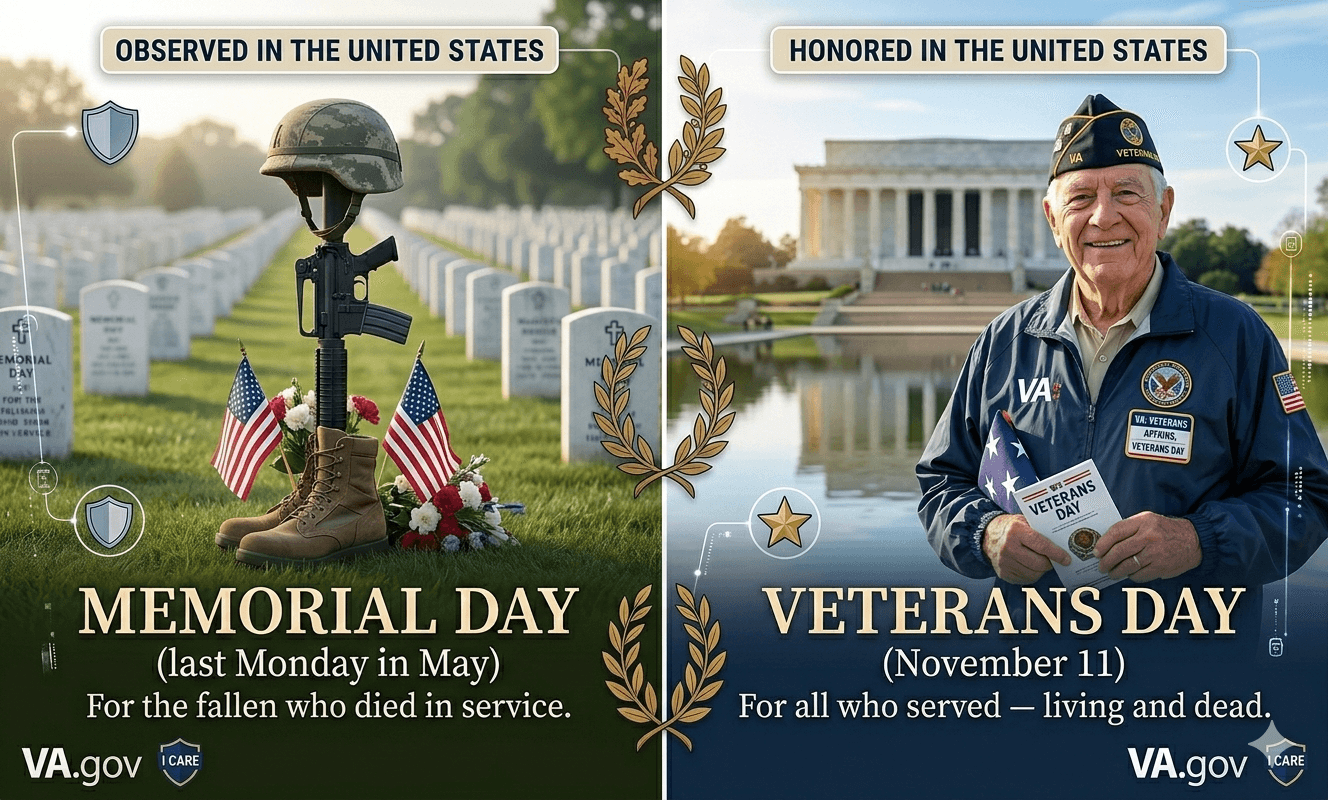
In the American cultural landscape, Memorial Day and Veterans Day hold significant and distinct meanings, each serving as crucial touchpoints for reflection and recognition of military service. Memorial Day, observed on the last Monday of May, is dedicated to honoring the men and women who have died while serving in the United States Armed Forces. This day is a poignant reminder of the ultimate sacrifice made by military personnel in conflicts past and present.
Conversely, Veterans Day, celebrated on November 11, is a occasion to recognize and appreciate all who have served in the U.S. military, regardless of whether they were active during wartime or peacetime. This holiday aims to honor living veterans, bringing attention to their contributions and sacrifices. Understanding the differences between these two observances is essential, as it fosters a deeper appreciation and respect for the varied experiences of service members.

Grasping the distinction between Memorial Day and Veterans Day goes beyond mere dates on a calendar; it cultivates an awareness of the sacrifices made by those who wore the uniform. By acknowledging Memorial Day’s reverence for the fallen and Veterans Day’s celebration of the living, Americans can engage more thoughtfully in discussions about military history and the importance of remembrance.

This knowledge also enhances the collective appreciation for the brave men and women who represent the nation’s heritage of valor, humility, and service to others. As we navigate the nuances of these two significant holidays, let us commit to honoring every individual’s unique contributions to our national fabric.
Memorial Day: Honoring the Fallen
Memorial Day, observed on the last Monday of May, serves as a solemn reminder of the sacrifices made by members of the United States Armed Forces who lost their lives in service to the nation. Its origins can be traced back to the aftermath of the Civil War, when communities began to commemorate the Union and Confederate soldiers who perished during the conflict. Initially known as Decoration Day, the holiday was formally recognized in 1971 as Memorial Day, establishing a national day of remembrance.
The primary purpose of Memorial Day is to honor the fallen heroes who made the ultimate sacrifice in defense of the United States. This day encourages Americans to reflect on the tremendous cost of freedom and to pay tribute to the bravery exhibited by military personnel. Various observances and traditions characterize Memorial Day, making it a time for both remembrance and communal activities. Families and friends often visit cemeteries and memorials, where they not only remember their loved ones but also reflect on the larger sacrifices made by countless service members.
One of the most widely recognized symbols of Memorial Day is the act of placing flags on the graves of fallen soldiers, a practice that originated shortly after the Civil War. The National Memorial Day Observance held at Arlington National Cemetery includes the laying of a wreath at the Tomb of the Unknown Soldier and a procession of veterans, enhancing the day’s significance. Moreover, the playing of “Taps” at memorial services epitomizes the day’s somber essence. Other traditional observances might include parades and moments of silence, which serve to honor and remember those who paid the ultimate price for their country.
Veterans Day: Celebrating All Who Served
Veterans May Qualify for Extra Benefits
Check available financial assistance, healthcare programs and other opportunities that may apply to you.
Check EligibilityVeterans Day is an important national holiday in the United States, dedicated to honoring the service and sacrifices of all military veterans. Established originally as Armistice Day, it was first commemorated on November 11, 1919, marking the end of World War I. However, in 1954, following the conclusion of World War II and the Korean War, the day was amended to pay tribute to all veterans of the U.S. Armed Forces. This shift highlights the significance of recognizing those who have served, irrespective of whether their service occurred during peacetime or wartime.
The essence of Veterans Day lies in its inclusive approach to honoring the living veterans, separated service members, and the memory of those who have passed. Celebrations often encompass a range of activities designed to express gratitude to these individuals who have dedicated their lives to serving their country. Ceremonies held at veterans’ memorials, military cemeteries, and community events serve as poignant reminders of the sacrifices made by these individuals. Events may include parades, speeches, and the laying of wreaths, which create a sense of unity and appreciation within local communities.
Additionally, Veterans Day offers an opportunity for the nation to reflect on the contributions made by veterans in shaping American history. Special attention is given to ensuring that living veterans are recognized and supported, as many face various challenges upon returning to civilian life. Community initiatives and programs often arise on this day, emphasizing the importance of accessibility to resources for veterans, such as healthcare, employment, and mental health support.
Through these observances and acts of remembrance, Veterans Day serves not only as a celebration of courage and sacrifice but also as a call to action for the nation to support its veterans in meaningful and tangible ways.
Key Differences: Sacrifice vs. Service
Memorial Day and Veterans Day are two significant holidays in the United States that honor the dedication and contributions of military personnel. However, the key difference between the two lies in what they commemorate—sacrifice versus service. Memorial Day, observed on the last Monday of May, is dedicated specifically to remembering and honoring those service members who lost their lives while serving in the Armed Forces. This day serves as a solemn reminder of the ultimate sacrifice made by these individuals for the sake of their country and fellow citizens.
In contrast, Veterans Day, which falls on November 11, celebrates the service of all active-duty military members, veterans, and those who served during wartime and peacetime. It is a day for recognizing the courage and commitment of all individuals who have been part of the U.S. military, thanking them for their contributions to national security and freedom. Therefore, while Memorial Day is a day of remembrance and reflection for the fallen, Veterans Day is a celebration of the living and their ongoing legacy.
Misunderstanding the significance of these two holidays can diminish the respect and gravity each one conveys. When individuals confuse the two, they may inadvertently overshadow the memories of those who made the ultimate sacrifice on Memorial Day with festivities intended for Veterans Day. It is crucial to recognize that both days serve distinct and essential purposes in honoring the military. By acknowledging the differences, we ensure that each holiday retains its integrity and commemorates the unique contributions and sacrifices that have shaped the nation.
The Historical Context Behind Each Holiday
Memorial Day and Veterans Day are two prominent holidays in the United States, each serving a unique purpose while rooted in historical events. Memorial Day, originally known as Decoration Day, emerged in the aftermath of the Civil War, a conflict that claimed numerous lives and profoundly impacted American society. The first observed Decoration Day occurred on May 30, 1868, when General John A. Logan called for a day to honor those who sacrificed their lives during the war. This initiative was significant as it marked one of the first organized efforts to honor fallen soldiers, setting a precedent for future commemorations.
Over the years, Memorial Day evolved into a day for honoring all military personnel who lost their lives in service. By 1971, it was designated as a national holiday, observed on the last Monday in May, and has since become an occasion for parades, memorials, and a time for Americans to reflect on the sacrifices made by military members.
Conversely, Veterans Day, originally known as Armistice Day, commemorates the end of World War I and honors all military veterans who served in the U.S. armed forces. Established in 1954, Veterans Day replaced Armistice Day to include veterans of all wars and peacetime service. President Dwight D. Eisenhower signed the bill, marking November 11 as a day to honor all veterans, recognizing their contributions and sacrifices. The societal attitudes towards military service have shifted throughout the decades, reflecting changing perceptions of war and peace. From parades and observances in the aftermath of major conflicts to broader recognition of service in contemporary times, these holidays embody the evolving relationship between American society and its military.
How to Properly Observe Each Holiday
Observing Memorial Day and Veterans Day calls for an understanding of the unique significance each holiday holds. Taking part in these days of remembrance and recognition can honor those who have served and sacrificed for the nation.
On Memorial Day, which is dedicated to honoring fallen soldiers, consider attending local remembrance ceremonies or parades. Many communities host events that feature speeches, moments of silence, and the laying of wreaths at local memorials. Participating in these activities not only pays tribute to those who have lost their lives in military service but also fosters community spirit and support. Additionally, visiting cemeteries to place flags or flowers on the graves of service members is a meaningful way to honor their sacrifice.
For Veterans Day, which celebrates all who have served in the military, attending official ceremonies can be particularly impactful. Many cities hold parades that honor veterans, featuring marching bands, floats, and speeches from local leaders. Participating in such events provides an opportunity to not just thank veterans for their service but also to engage with them and learn about their experiences. Furthermore, volunteer opportunities abound during this time, including writing letters to veterans, helping at local VA hospitals, or supporting organizations that assist veterans in need.
Reflecting on the significance of both holidays is essential for personal observance. Taking a moment of silence, engaging in conversations about the importance of service, and teaching younger generations about the men and women who have served their country can make these holidays more meaningful. By understanding and participating in the observances of Memorial Day and Veterans Day, individuals can contribute to a culture of respect and gratitude for those who have defended the freedoms we enjoy today.
Common Misconceptions About Memorial Day and Veterans Day
Many Americans conflate Memorial Day and Veterans Day, which leads to misunderstandings about the significance and purpose of each holiday. One pervasive myth is that both holidays honor all military personnel. In truth, Memorial Day is dedicated exclusively to commemorating those who have died while serving in the United States Armed Forces. It is a day of remembrance for the fallen heroes who made the ultimate sacrifice, reflecting on their bravery and commitment.
Conversely, Veterans Day, observed on November 11th, honors all individuals who have served in the military, whether in wartime or peacetime. This distinction is critical; while Veterans Day celebrates the contributions of living veterans, Memorial Day serves as a solemn occasion to acknowledge those who have given their lives for their country. Consequently, using phrases like “Happy Memorial Day” can be seen as disrespectful when referring to a holiday dedicated to mourning.
Another common confusion arises regarding the timing of the two holidays. Memorial Day is the last Monday of May, typically marking the unofficial start of summer, while Veterans Day is always observed on November 11th, reflecting the armistice that ended World War I. Such timing differences also influence the public’s perception and activities associated with each day. Many people view Memorial Day as a time for barbecues and picnics, whereas Veterans Day events may focus more on honoring service and sharing veterans’ stories.
Understanding these fundamental differences fosters a more respectful observance of each holiday. Recognizing the appropriate contexts and significance ensures that Americans pay the necessary respect to both living veterans and to those who have sacrificed their lives, highlighting the important distinctions between Memorial Day and Veterans Day.
Why It Matters: The Impact of Awareness on Veterans and Families
Understanding the distinctions between Memorial Day and Veterans Day is crucial not only for honoring the service members but also for fostering stronger connections within families of veterans. These holidays represent different facets of military service and sacrifice, and the awareness surrounding them ensures that the experiences and emotions connected to each day are accurately honored.
A greater comprehension of these holidays can instigate meaningful conversations among families and communities about the sacrifices made by service members. Veterans Day celebrates all who have served in the military, acknowledging their contributions and ensuring they feel valued. Meanwhile, Memorial Day solemnly honors those who have fallen in the line of duty. Recognizing this difference allows families to observe each holiday with the appropriate solemnity or festivity, depending on the occasion.
Veterans like John, who shared his story, expressed how vital it is for civilians to distinguish between these days. “When people greet me on Veterans Day, it reminds me that I’m part of something bigger, that my service is appreciated,” he stated. Conversely, during Memorial Day, he reflects on the fallen comrades, stating, “It’s a day for remembrance, and it feels good when others share that sentiment.” His perspective emphasizes how the awareness of these holidays directly impacts veterans’ emotional states and their sense of community.
Furthermore, families of veterans benefit from understanding these nuances as well. Maria, the daughter of a veteran, remarked, “Celebrating my father’s service on Veterans Day brings us joy, but on Memorial Day, we honor the friends he lost. It’s essential for us to mark these days correctly.” Such testimonials illustrate that awareness of Memorial Day and Veterans Day fosters deeper respect and understanding for both veterans and the families who support them.
Conclusion: Fostering a Culture of Honor and Recognition
In the United States, both Memorial Day and Veterans Day hold significant importance, yet they serve distinct purposes in recognizing the sacrifices of military personnel. As citizens, it is our responsibility to honor these observances through a deeper understanding and respect for their meanings. Memorial Day is dedicated to commemorating those who have lost their lives while serving in the military, whereas Veterans Day celebrates the service of all U.S. military veterans, alive or deceased. Awareness of these differences is crucial in fostering a culture of honor and recognition.
Education plays a pivotal role in ensuring that the significance of both holidays is properly conveyed. By informing friends, family, and peers about the meanings of Memorial Day and Veterans Day, we create a collective consciousness that values the sacrifices made by service members. This initiative can take many forms, from sharing articles and fact sheets to participating in discussions that highlight the importance of each day. Encouraging conversations around these holidays will lead to a greater appreciation of military service, fostering respect for those who served and those who paid the ultimate price.
Moreover, participating in commemorative observances, such as attending ceremonies or volunteering for veteran-support organizations, demonstrates a tangible commitment to honoring the sacrifices of military personnel. Simple acts, like placing flags on graves or educating younger generations about the history behind these holidays, also contribute to a culture that respects and recognizes the valor of those who protect our freedoms. By embracing a proactive approach to both Memorial Day and Veterans Day, we not only honor the past but also shape a respectful legacy for future generations.


🇺🇸 IMPORTANT DISCLAIMER – Veterans Benefits Information
This site provides general information about U.S. Department of Veterans Affairs (VA) benefits for educational and informational purposes only.
- Not Official: We are NOT affiliated with, endorsed by, or connected to the U.S. Department of Veterans Affairs (VA), the Veterans Benefits Administration (VBA), the Veterans Health Administration (VHA), or any other government agency.
- No Legal/Financial Advice: The content on this website is for informational purposes only and does not constitute legal, financial, or medical advice. VA benefits rules change frequently – always consult with an accredited Veterans Service Officer (VSO) or a qualified professional for your specific situation.
- Official Sources: For official, binding information and to apply for benefits, always visit official .gov websites: VA.gov, Benefits.VA.gov, or SSA.gov.
- No Data Collection: This site does not collect, store, or process any personal information. It does not have login forms, contact forms, or any system to capture user data. We never ask for your Social Security Number, bank details, or any personal information.
- 🚨 Scam Alert: The VA and other government agencies never charge fees for benefit applications. If anyone asks for money to "process" your VA claim, it is a scam. Report it to the VA Office of Inspector General at VA.gov/OIG.
- Advertising: This site uses third-party advertising (Adsterra) to cover operational costs. We do not endorse or guarantee any products or services advertised.
📌 Information provided as of June 2026. Always verify current eligibility and rules with official .gov sources.
This site is not affiliated with the U.S. Department of Veterans Affairs or any government agency. All information is for educational purposes only. Please visit VA.gov for official information.
