
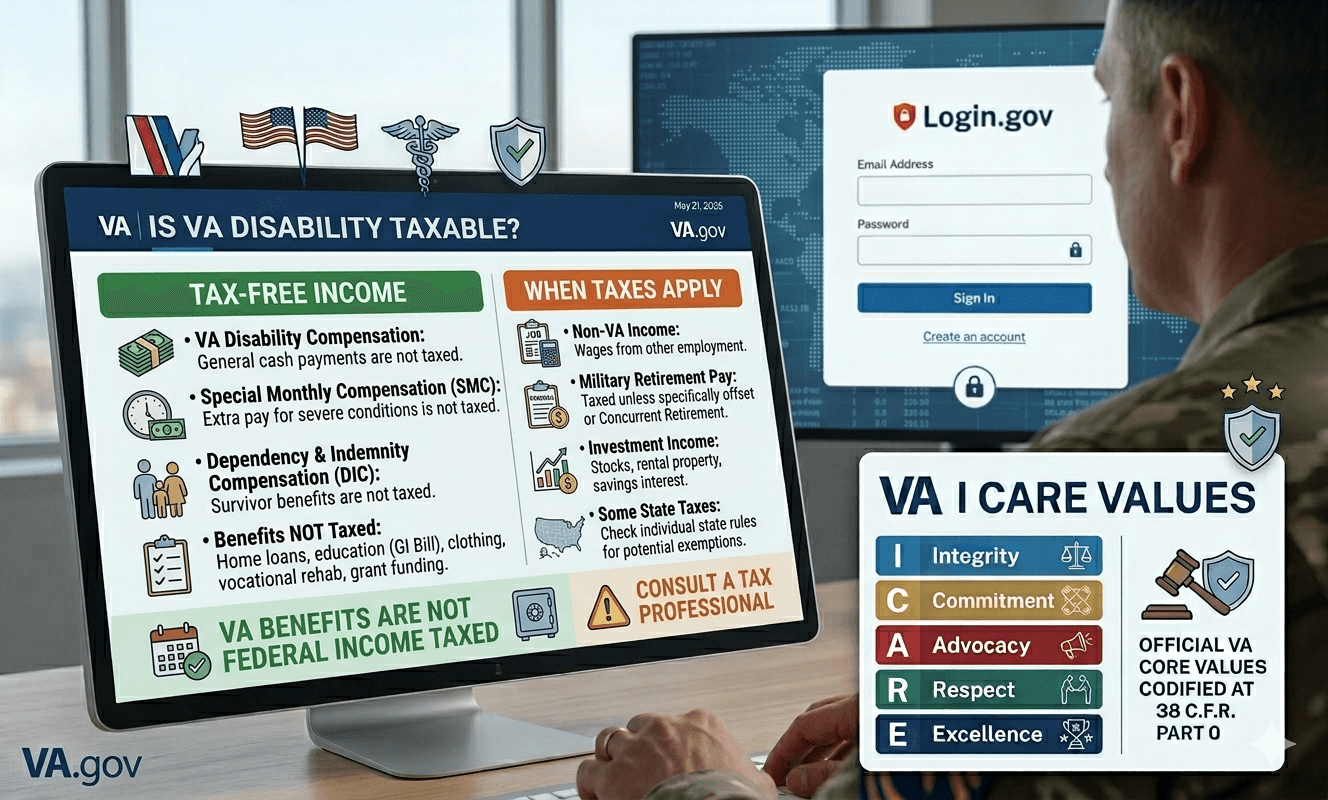
Introduction to VA Disability Compensation
VA disability compensation is a vital financial benefit designed to assist veterans who have sustained injuries or developed medical conditions as a result of active military service. This program underscores the commitment of the U.S. government to support veterans in their post-service lives, addressing both physical and psychological challenges that may arise from their military experiences. Veterans who may qualify for VA disability compensation typically include those with service-connected disabilities ranging from mobility impairments to mental health issues such as PTSD. The severity of these disabilities is evaluated, and benefits are awarded based on a percentage of incapacity determined by the VA. Applying for VA disability compensation involves a systematic process. Veterans are required to submit a claim to the Department of Veterans Affairs, providing the necessary documentation to substantiate their service-connected disabilities. This may include medical records, service records, and statements from medical professionals or fellow service members. The VA then reviews these claims to determine eligibility and the appropriate level of compensation based on the assessment of the veteran’s condition. The significance of VA disability compensation extends beyond financial support; it plays a critical role in aiding veterans’ overall well-being and integration into civilian life. As they navigate various challenges, these benefits facilitate access to necessary healthcare services, vocational training, and rehabilitation programs. This is crucial for veterans seeking to regain independence and improve their quality of life post-service. In conclusion, understanding VA disability compensation is essential for veterans and their families, as it provides insight into the benefits available and sets the groundwork for discussing pertinent issues such as tax implications affecting these financial resources.
The Tax-Free Status of VA Disability Payments
Veterans who receive disability compensation from the Department of Veterans Affairs (VA) can take advantage of a significant financial benefit: the tax-free status of these payments. As of 2026, VA disability compensation remains exempt from federal income tax, making it an essential aspect of financial planning for veterans. This exemption means that veterans retain the full amount of their compensation to support their needs, without the burden of taxation reducing their benefits.

Furthermore, VA disability payments are not subject to state income tax. This is an important consideration for veterans residing in states with higher tax rates, allowing them to preserve more of their income for housing, medical care, and other vital expenses. By ensuring that these benefits remain untaxed at both federal and state levels, veterans can better manage their finances and invest more in their future.

It is also noteworthy that VA disability compensation is exempt from Social Security and Medicare deductions. Unlike regular wages that may incur various deductions, the benefits awarded to veterans are safeguarded from such reductions. This unique status not only enhances the financial stability of veterans and their families but also represents a recognition of their service and sacrifice.
In summary, the tax-free nature of VA disability payments provides substantial advantages for veterans, reinforcing the importance of these benefits in contributing to their overall quality of life. As veterans navigate their financial options, understanding the implications of tax exemption on their disability compensation remains crucial for future planning.
Impact on Financial Planning
The tax-free nature of VA disability compensation can significantly influence a veteran’s financial planning strategies. Recognizing that this income is not subject to federal income taxes allows veterans to have a clearer perspective on their budgeting and overall financial well-being. This tax exemption plays a crucial role in shaping many veterans’ financial decisions, as they are able to allocate more of their resources towards savings and investments without the burden of taxation on these funds.
Budgeting becomes more manageable with the assurance that VA disability compensation will not be taxed. Veterans can develop realistic budgets that prioritize necessary expenses—such as housing, healthcare, and living costs—while also allowing for discretionary spending. This enables veterans to maintain a stable financial footing and avoid debt or financial strain.
Veterans May Qualify for Extra Benefits
Check available financial assistance, healthcare programs and other opportunities that may apply to you.
Check EligibilityMoreover, the availability of tax-exempt income presents unique opportunities for investments. Veterans can direct their untaxed benefits towards saving for long-term goals, such as retirement or education, knowing that these funds will not incur additional tax liabilities. In this respect, they may find it advantageous to explore various savings vehicles, such as IRAs or 401(k) plans, which offer perks for long-term growth. These options can also provide beneficial tax scenarios down the line, especially if veterans later transition to employment or other income sources.
Additionally, understanding the tax implications of VA disability compensation fosters better financial literacy among veterans. With knowledge of how these benefits contribute to their overall financial landscape, veterans can make informed decisions regarding investments, healthcare expenses, and future planning. This comprehension maximizes their financial well-being, ultimately leading to a more secure and fulfilling life.
Comparison with Other Income Sources
When evaluating VA disability compensation, it is crucial to understand how these benefits compare to other income sources, particularly regarding taxation and disposable income. VA disability payments are designed to provide financial support to veterans who have incurred disabilities related to their military service. One key aspect that sets these payments apart is their tax-exempt status. Unlike wages, bonuses, and many forms of employment income, VA disability compensation is not subject to federal income tax, which increases the net benefit received by the veteran.
In contrast, income from employment and other taxable sources is subject to taxation, which decreases the amount of disposable income available after taxes. For example, a veteran receiving a monthly VA disability payment of $2,000 would receive the full amount tax-free, whereas a civilian earning a similar amount in gross wages would likely take home a lesser sum after federal and possibly state taxes are deducted. This unique advantage makes VA disability compensation more beneficial for veterans, allowing them to retain a larger portion of their income when compared to those who are taxed on their earnings.
Furthermore, VA disability compensation can be seen as a stable source of income. Since these payments are designed to assist veterans with ongoing medical issues stemming from their time in service, they provide a reliable financial foundation. In contrast, individuals with taxable income may face fluctuations based on economic conditions or job market changes. Overall, disability payments enable veterans to manage their finances more effectively in terms of both taxation and disposable income, supporting their economic well-being in ways that other income sources may not.
Tax Reporting Requirements for VA Benefits
Veterans receiving disability benefits from the Department of Veterans Affairs (VA) are not required to report these benefits as taxable income on their federal tax returns. This policy provides significant financial relief for veterans, allowing them to focus on their well-being and adjust to civilian life without the concern of additional tax implications associated with their benefits.
It is essential to understand that VA disability compensation is specifically classified as a non-taxable benefit. This classification applies to various forms of VA benefits, including monthly disability payments that veterans receive due to service-related injuries or conditions. In essence, veterans can rely on these payments without the burden of tax obligations, simplifying their financial management.
Additionally, while veterans do not need to report their VA disability benefits as income, there are still some documentation requirements. Veterans may need to keep detailed records of their benefits for personal reference or in case of any inquiries from governmental agencies. However, any typical tax reporting does not involve these benefits.
Moreover, it is noteworthy that any supplemental income received, such as veterans working or earning wages from other sources, remains subject to standard income tax regulations. Thus, while the VA disability benefits themselves are exempt, veterans’ other sources of income are not free from taxation.
In summary, the tax reporting requirements surrounding VA disability benefits are minimal. Veterans receiving such benefits can rest assured that these funds do not require reporting as income, allowing them the financial leeway to navigate their life post-service with greater ease.
Common Misconceptions About VA Disability Taxes
Within the realm of VA disability compensation, several misconceptions often arise concerning whether these benefits are subject to taxation. A prevalent belief among veterans and the general public is that VA disability payments are taxable income. However, this is not the case. According to the Internal Revenue Service (IRS), VA disability compensation is explicitly exempt from federal income tax. This tax exemption applies to the majority of veterans receiving disability benefits due to service-related injuries or illnesses.
Another misconception is the notion that receiving VA disability benefits can adversely affect a veteran’s eligibility for other government programs or benefits. In reality, VA disability compensation is considered a form of non-taxable income. Therefore, it does not influence calculations related to income-based programs such as Social Security Disability Insurance (SSDI) or Medicare. Veterans can thus receive their VA benefits without concern for harmful repercussions on other forms of assistance.
Moreover, some individuals mistakenly believe that the duration of receiving VA disability compensation could lead to tax liabilities later in life. It is essential to clarify that the tax-exempt status of these benefits lasts for the lifetime of the veteran, aligned with the underlying regulations governing VA compensation. Veterans should not worry about their benefits becoming taxable as income due to long-term acceptance.
It is also crucial for veterans to understand that premiums for health care or insurance related to their disabilities, funded by their VA benefits, are not tax-deductible. Furthermore, many veterans wrongly assume that states impose taxes on VA disability benefits; however, this varies by state. Therefore, it is advisable for veterans to research and contact state tax authorities for specific guidelines.
How VA Disability Benefits Affect Other Benefits
VA disability compensation is designed to provide financial support to veterans who have sustained injuries or illnesses related to their military service. Understanding how these benefits may impact eligibility for other forms of government assistance is essential for veterans navigating their financial options. VA disability benefits can sometimes affect the eligibility for programs like Social Security Disability Insurance (SSDI) or Supplemental Security Income (SSI).
First and foremost, it is important to recognize that VA disability compensation is not considered taxable income. This means that veterans receiving these benefits do not have to report them when filing federal income taxes, providing some financial relief. However, because the amount received is not part of taxable income, this can lead to potential complexities when assessing eligibility for other programs. While SSDI benefits are based on past earnings, SSI is needs-based, evaluating an individual’s income and resources.
For veterans who receive SSI, VA disability benefits may impact their overall income calculation. The Social Security Administration (SSA) may consider VA disability payments as income, which could reduce the amount of SSI a veteran receives. This is particularly relevant for veterans who depend on both VA compensation and SSI for financial stability. As a result, it may be beneficial for veterans to consult with a benefits specialist or financial advisor to ensure they are maximizing their benefits while remaining in compliance with SSA regulations.
Additionally, receiving VA benefits may also have implications for state and local assistance programs. Each state has its own rules regarding the treatment of VA disability compensation, and some may exempt these benefits altogether while assessing eligibility for public assistance programs.
Important Considerations for Financial Advisors
Financial advisors play a pivotal role in helping veterans navigate the complexities of managing their finances, especially with regard to VA disability compensation. Given that this compensation is typically tax-free under federal law, scholars and advisors must consider the implications of this unique income source within the broader context of wealth management and estate planning.
One major consideration for financial advisors is ensuring that veterans understand how their tax-free VA benefits can influence their overall financial strategy. Despite the fact that this income is not subject to taxation, it can affect eligibility for other government assistance programs, investments, and even long-term care options. Therefore, advisors must equip their clients with an understanding of how these benefits integrate into their financial portfolio and retirement planning.
Additionally, financial advisors should emphasize the importance of proper documentation concerning VA disability payments. Careful record-keeping is essential not only for future reference but also for ensuring that incorrect assumptions about tax implications do not lead to adverse financial decisions. This includes understanding the long-term advantages of maintaining a diversified income stream, where tax-free payments complement taxable sources of income.
Furthermore, estate planning considerations should also be addressed. Veterans should be made aware of how their VA benefits can affect the inheritance process for their family members. Properly drafting wills and trusts can help preserve the tax-free nature of these benefits while accommodating financial legacies. Financial advisors are encouraged to develop holistic financial strategies that incorporate the nuances of VA compensation to optimize their client’s overall fiscal health and protect their wealth.
Ultimately, the objective for financial advisors is to promote informed decision-making among their veteran clients, ensuring that their unique financial situations are managed effectively with respect to tax implications.
Conclusion: The Value of VA Disability Compensation
VA disability compensation serves as a critical financial resource for veterans who have incurred disabilities as a result of their service. Recognizing this benefit’s considerable value is paramount, as it not only aids in covering the costs of living but also contributes significantly to improving the quality of life for veterans and their families. The financial support provided through VA disability payments alleviates some of the financial stressors faced by veterans, allowing them to focus more on their health and well-being.
Understanding the tax implications of VA disability compensation is equally important. As these benefits are specifically designated as non-taxable income, veterans can effectively retain more of their compensation without the burden of taxation. This non-taxable status not only enables veterans to budget more effectively but also enhances their overall financial situation by allowing their benefits to stretch further. Knowledge of the tax-free nature of these compensations empowers veterans, enabling informed decisions regarding their finances.
Furthermore, by stressing the importance of VA disability compensation, veterans can better advocate for themselves and others in similar situations. Engaging with the various resources available, including financial counseling and educational opportunities, can aid veterans in maximizing their benefits and planning for their futures. Ultimately, understanding how VA disability compensation operates and its value in a veteran’s financial landscape is crucial for ensuring financial stability and peace of mind.
In conclusion, VA disability compensation is more than just financial assistance; it is an essential support mechanism that significantly impacts the lives of veterans. Its tax-free status further strengthens its position as a valuable resource, illustrating its vital role in promoting the financial well-being and resilience of those who have served.

🇺🇸 IMPORTANT DISCLAIMER – Veterans Benefits Information
This site provides general information about U.S. Department of Veterans Affairs (VA) benefits for educational and informational purposes only.
- Not Official: We are NOT affiliated with, endorsed by, or connected to the U.S. Department of Veterans Affairs (VA), the Veterans Benefits Administration (VBA), the Veterans Health Administration (VHA), or any other government agency.
- No Legal/Financial Advice: The content on this website is for informational purposes only and does not constitute legal, financial, or medical advice. VA benefits rules change frequently – always consult with an accredited Veterans Service Officer (VSO) or a qualified professional for your specific situation.
- Official Sources: For official, binding information and to apply for benefits, always visit official .gov websites: VA.gov, Benefits.VA.gov, or SSA.gov.
- No Data Collection: This site does not collect, store, or process any personal information. It does not have login forms, contact forms, or any system to capture user data. We never ask for your Social Security Number, bank details, or any personal information.
- 🚨 Scam Alert: The VA and other government agencies never charge fees for benefit applications. If anyone asks for money to "process" your VA claim, it is a scam. Report it to the VA Office of Inspector General at VA.gov/OIG.
- Advertising: This site uses third-party advertising (Adsterra) to cover operational costs. We do not endorse or guarantee any products or services advertised.
📌 Information provided as of June 2026. Always verify current eligibility and rules with official .gov sources.
This site is not affiliated with the U.S. Department of Veterans Affairs or any government agency. All information is for educational purposes only. Please visit VA.gov for official information.
