
Introduction to VA Core Values
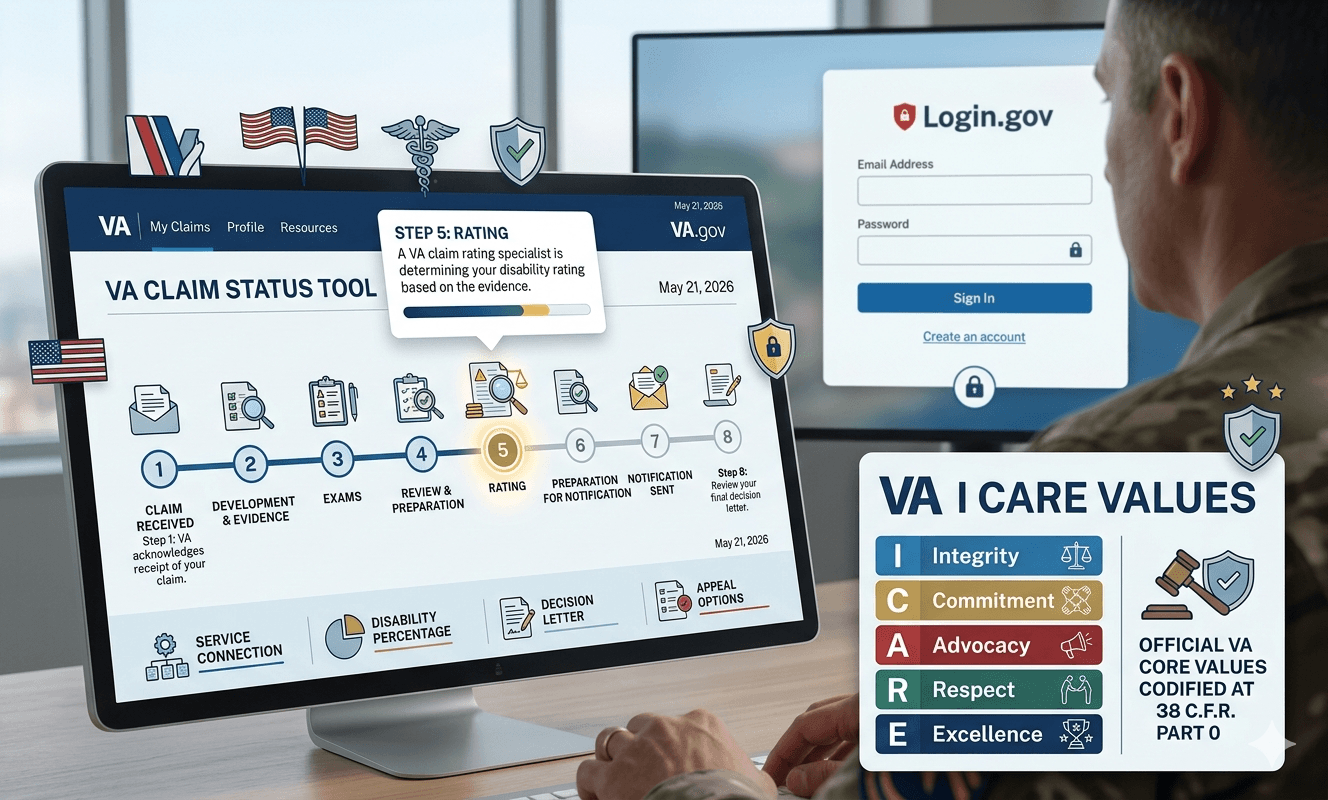
The core values of the Department of Veterans Affairs (VA), encapsulated within the acronym I CARE, form the ethical foundation guiding the conduct and actions of all VA employees. These values—Integrity, Commitment, Advocacy, Respect, and Excellence—serve as a framework for fostering an environment dedicated to serving the needs of Veterans and their families. Each element of I CARE plays a crucial role in shaping the interactions and practices within the VA, reinforcing a culture that prioritizes the well-being of those who have served the nation.
Integrity stands as the cornerstone of the VA’s ethical framework. It emphasizes the necessity for transparency and honesty in all operations, ensuring trust not only among VA employees but also in their relationships with Veterans. Commitment reflects the dedication of VA employees to fulfill their responsibilities, highlighting the importance of accountability and perseverance in face of challenges. This steadfast promise to Veterans underlines the motivation behind every decision and action within the VA.

Advocacy represents the VA’s role in championing the rights and benefits of Veterans, ensuring that their voices are heard and needs met. It is a crucial aspect of the VA’s mission to navigate complex systems on behalf of those who have served. Respect is integral as it fosters a compassionate and understanding environment, emphasizing the importance of treating every individual with dignity regardless of their background or circumstances. Lastly, Excellence encompasses the pursuit of the highest standards of quality in service delivery and outcomes, reinforcing the VA’s commitment to continual improvement.

The I CARE values not only illustrate the ethical principles that govern the VA but also set the stage for deeper exploration into each individual element, its significance, and its practical application within the organization. Understanding these values is essential for appreciating how they influence the experiences of Veterans and contribute to the overarching mission of the VA.
The Significance of Integrity in VA Services
Integrity is a fundamental value within the Veterans Affairs (VA) context, serving as a cornerstone for all interactions and decisions made by the organization. It reflects a commitment to ethical principles, honesty, and transparency, which are critical in providing quality service to veterans. The absence of integrity can lead to mistrust and skepticism among veterans, undermining the effectiveness of the VA’s efforts to support their needs.
Decision-making within the VA is profoundly influenced by the principle of integrity. It serves as a guiding standard, ensuring that all actions taken by personnel are aligned with ethical considerations and best practices. For example, when evaluating claims or providing medical care, VA staff are expected to uphold integrity, which necessitates making choices that are fair and just, irrespective of external pressures or personal interests. This emphasis on ethical decision-making fosters an environment where veterans can rely on the VA’s commitment to uphold their rights and interests.
Moreover, integrity plays a crucial role in building and maintaining trust between the VA and the veterans it serves. Trust is essential for effective communication and collaboration, allowing veterans to feel valued and respected. When veterans perceive that the services they receive are grounded in integrity, they are more likely to engage with the system and seek assistance when needed. This trust further enhances the relationship between veterans and VA personnel, creating a supportive network that benefits the overall mission of the organization.
Veterans May Qualify for Extra Benefits
Check available financial assistance, healthcare programs and other opportunities that may apply to you.
Check EligibilityIn conclusion, integrity within VA services is not merely a value but a vital principle that shapes every aspect of the organization. It governs decision-making and fosters critical relationships, reinforcing the VA’s dedication to providing comprehensive and trustworthy services to veterans.
Commitment: A Pledge to Veterans
Commitment is a fundamental principle that encapsulates the Veterans Affairs (VA) mission. It represents a solemn assurance to veterans, ensuring that they and their families receive the utmost care and support they deserve. This unwavering dedication is vital as it not only shapes the quality of services provided but also reflects the broader societal obligation to those who have served the nation.
The VA demonstrates its commitment through various initiatives aimed at improving the well-being of veterans. For instance, the implementation of tailored healthcare programs addresses the unique needs of different veteran populations, including those experiencing mental health issues and chronic illnesses. By prioritizing access to comprehensive treatment options, the VA embodies its commitment by actively engaging with veterans to meet their evolving health needs.
In addition, the commitment extends to educational resources, such as the GI Bill, which provides financial assistance for veterans pursuing higher education or vocational training. This program symbolizes the VA’s dedication to empowering veterans and aiding their reintegration into civilian life by enhancing their skills and employability. Furthermore, by facilitating partnerships with local organizations and institutions, the VA strengthens its pledge to ensure that veterans receive holistic support that encompasses not just medical care but also career development and community engagement.
Moreover, the VA’s commitment is evident in its responsiveness to emerging issues within the veteran community, such as homelessness and suicide prevention. Initiatives aimed at addressing these pressing concerns highlight the VA’s proactive approach to safeguard the dignity and rights of veterans. Each action taken underlines a core belief that honoring veterans involves a lifelong responsibility, transcending mere policy implementation to establish a culture of caring and respect.
Advocacy: Standing Up for Veterans
Advocacy plays a vital role in ensuring that the rights and needs of veterans are recognized and met. The Department of Veterans Affairs (VA) is dedicated to championing the interests of veterans through a variety of initiatives and mechanisms. These efforts are essential in addressing the unique challenges that veterans may face upon returning to civilian life, including healthcare access, employment opportunities, and mental health support.
At the core of the VA’s advocacy efforts is the commitment to engage veterans and truly listen to their needs. VA employees are encouraged to foster an environment conducive to open dialogue, allowing veterans to voice their concerns and suggestions. This engagement is not merely encouraged; it is essential to understanding the evolving landscape of veterans’ issues. The VA implements numerous programs aimed at empowering veterans, ensuring they have the tools necessary to advocate for themselves as well.
Additionally, the VA fosters partnerships with veteran service organizations (VSOs) and other stakeholders to create a unified voice for advocacy. These collaborative efforts enhance visibility for veterans’ issues on both local and national levels. By working with VSOs, the VA amplifies the concerns of veterans, creating a ripple effect that influences policies and promotes awareness among lawmakers and the general public.
Moreover, the VA invests in training programs for its employees to improve advocacy skills. These initiatives enable staff to better navigate the complex systems that serve veterans and empower them to act effectively on behalf of those they support. Through ongoing education and resources, the VA equips its workforce to stand up for veterans, ensuring that they receive the benefits and respect they deserve. The commitment to advocacy is embedded in the fabric of the VA, ensuring that the voices of veterans are not only heard but acted upon.
Respect: Building Relationships with Veterans
Respect is a fundamental component in the relationship between veterans and the Department of Veterans Affairs (VA). It forms the cornerstone of all interactions, ensuring that veterans feel valued, acknowledged, and supported as they navigate the services provided by the VA. The cultivation of respect within these interactions not only enhances communication but significantly improves the overall experience of veterans seeking assistance.
In practice, showing respect to veterans involves active listening, understanding their unique experiences, and acknowledging their sacrifices. Each encounter between VA staff and veterans should prioritize the dignity of the individual, recognizing their service while creating a safe space for open dialogue. When veterans feel respected, they are more inclined to engage in conversations about their needs and concerns, allowing VA professionals to provide tailored care and support.
Furthermore, respect in service delivery promotes a positive environment that encourages trust. Veterans are more likely to return for follow-up appointments, seek additional help, and refer other veterans when they experience respectful treatment. This trust is vital as it fosters a sense of partnership in the veteran’s journey towards well-being. The VA’s commitment to respect not only enhances interpersonal relationships but also significantly impacts clinical outcomes and satisfaction levels in service delivery.
In an era where mental health issues among veterans are increasingly prominent, the need for respectful communication cannot be overstated. By prioritizing respect, the VA can contribute to reducing stigma, encouraging veterans to share their struggles, and seeking the resources they need. Therefore, respect is not merely a value; it is a crucial element that shapes the efficacy of the VA’s mission to support and empower the veteran community.
Excellence: Pursuing Quality in Care
The Department of Veterans Affairs (VA) is dedicated to providing exceptional care and services to veterans across the nation, and its commitment to excellence is a cornerstone of its operations. Pursuing quality in care translates into a consistent strive for continuous improvement in every aspect of service delivery. This dedication is not merely a goal but a fundamental value reflected in the daily actions of VA employees.
In achieving excellence, the VA embraces a culture of accountability and transparency, ensuring that the standards of care meet and often exceed the expectations of veterans. Employees are encouraged to engage in ongoing education and training, thereby equipping themselves with the knowledge and skills necessary to provide state-of-the-art care. This approach contributes to the overall enhancement of service quality within the VA health system.
Moreover, excellence is manifested through the implementation of evidence-based practices, innovation in treatment methodologies, and the effective use of technology. The VA continually assesses and refines its services by soliciting feedback from veterans and their families, which informs improvements and adjustments in care delivery. This responsive attitude fosters a dynamic healthcare environment, one that prioritizes the needs of those who have served.
Furthermore, the VA’s commitment to excellence extends beyond clinical care. It encompasses the creation of a supportive environment that nurtures both physical and mental well-being. By maintaining high standards, the VA not only enhances the quality of care received by veterans but also serves as a model for other healthcare institutions. In essence, the pursuit of excellence within the VA encapsulates dedication, innovation, and a relentless commitment to improving the lives of veterans.
The I CARE Awards Program
The I CARE Awards Program is an initiative implemented by the Department of Veterans Affairs (VA) to honor and recognize those employees who embody the core values of Integrity, Commitment, Advocacy, Respect, and Excellence. Designed to foster a culture of appreciation and excellence within the organization, this program encourages veterans and their families to participate in the nomination process, highlighting the outstanding contributions of individuals who go above and beyond in their service to veterans.
Veterans are invited to submit nominations for VA employees who exemplify the I CARE values in their daily work. This process not only provides veterans with an opportunity to express gratitude but also reinforces the relationship between the VA and the veteran community. It allows veterans to play an active role in shaping the culture of the organization, ensuring that those who serve them are recognized and celebrated. The nomination process is straightforward, often involving filling out a nomination form that describes how the employee demonstrated one or more of the core values in their interactions with veterans.
The impact of recognizing excellence through the I CARE Awards Program extends beyond the acknowledgment of individual employees. It serves as a motivational tool for all staff, encouraging a heightened commitment to the core values that define the VA’s mission. When employees are recognized for going the extra mile, it fosters an environment of accountability and quality service. Overall, this program is vital in promoting a culture that values exemplary service and nurtures an atmosphere of dedication to the wellbeing of our nation’s veterans.
Real-Life Implications of I CARE for Veterans
The Veterans Affairs (VA) Core Values encapsulated in the acronym I CARE—Integrity, Commitment, Advocacy, Respect, and Excellence—serve as essential pillars in shaping the experiences of veterans who utilize VA services. These values are not merely theoretical constructs; their practical implications can profoundly affect the quality of care that veterans receive throughout their interactions with the VA system.
Firstly, Integrity in the VA ensures that veterans are treated honestly and transparently. When VA staff adhere to this principle, it fosters a sense of trust. Veterans can feel secure in the knowledge that their well-being is prioritized, which can be particularly vital during vulnerable moments spent accessing healthcare.
Secondly, the principle of Commitment manifests in the unwavering dedication of VA professionals to serve veterans diligently. This commitment encompasses timely services and ongoing support, which directly influences veterans’ experiences in terms of accessibility to necessary healthcare and resources. The promise of dedication can significantly enhance the perception of quality within VA services.
Additionally, Advocacy plays a crucial role in representing veterans’ needs. VA staff who actively advocate for veterans ensure that their voices are heard in decision-making processes. This involvement is especially crucial for those facing complex challenges, ensuring that services are tailored to accommodate the specific circumstances of each veteran.
Respect is another fundamental aspect that shapes interactions within the VA. When veterans feel respected and valued, it enhances their overall experience and sense of dignity during treatment. Furthermore, the pursuit of Excellence encourages continuous improvement and innovation in service delivery, ultimately leading to better health outcomes for veterans.
In conclusion, the real-life implications of the I CARE values have a significant impact on veterans’ interactions with the VA. Each of these principles contributes to a more effective and supportive system, allowing veterans to navigate their healthcare experiences with greater confidence and satisfaction.
Conclusion: Embracing I CARE for a Better VA
In conclusion, the I CARE values—Integrity, Commitment, Advocacy, Respect, and Excellence—serve as the foundational pillars that shape the culture and service delivery of the Department of Veterans Affairs (VA). These core values are not merely words; they embody the commitment of the VA to provide unparalleled service to the veterans who have dedicated their lives to serving the nation. By adhering to these principles, the VA can create an environment that fosters trust, compassion, and high-quality care.
The integration of I CARE into everyday practices is essential for enhancing the overall experience of veterans seeking assistance. Integrity ensures that all interactions are characterized by honesty and transparency, while Commitment highlights the VA’s dedication to improving the lives of veterans. Advocacy ensures that the voices of veterans are heard and taken into account, and Respect underscores the importance of treating all individuals with dignity, irrespective of their circumstances. Lastly, Excellence drives the continuous improvement of services, ensuring that veterans receive the highest standards of care.
By embracing the I CARE values, the VA not only strengthens its own culture but also reinforces the trust veterans place in the system. It is imperative that all employees and stakeholders understand and embody these values, creating a unified approach to veteran care. This commitment yields a ripple effect, improving the quality of services provided and ensuring that every veteran is treated with the utmost respect and care they deserve.

🇺🇸 IMPORTANT DISCLAIMER – Veterans Benefits Information
This site provides general information about U.S. Department of Veterans Affairs (VA) benefits for educational and informational purposes only.
- Not Official: We are NOT affiliated with, endorsed by, or connected to the U.S. Department of Veterans Affairs (VA), the Veterans Benefits Administration (VBA), the Veterans Health Administration (VHA), or any other government agency.
- No Legal/Financial Advice: The content on this website is for informational purposes only and does not constitute legal, financial, or medical advice. VA benefits rules change frequently – always consult with an accredited Veterans Service Officer (VSO) or a qualified professional for your specific situation.
- Official Sources: For official, binding information and to apply for benefits, always visit official .gov websites: VA.gov, Benefits.VA.gov, or SSA.gov.
- No Data Collection: This site does not collect, store, or process any personal information. It does not have login forms, contact forms, or any system to capture user data. We never ask for your Social Security Number, bank details, or any personal information.
- 🚨 Scam Alert: The VA and other government agencies never charge fees for benefit applications. If anyone asks for money to "process" your VA claim, it is a scam. Report it to the VA Office of Inspector General at VA.gov/OIG.
- Advertising: This site uses third-party advertising (Adsterra) to cover operational costs. We do not endorse or guarantee any products or services advertised.
📌 Information provided as of June 2026. Always verify current eligibility and rules with official .gov sources.
This site is not affiliated with the U.S. Department of Veterans Affairs or any government agency. All information is for educational purposes only. Please visit VA.gov for official information.
