The $60 Billion Veterans Cut: Facts, Impact & Your Next Steps

Congress advanced a plan to cut $60 billion from future VA disability benefits for tinnitus and sleep apnea. Here is exactly who is affected, who is not, and what to do next.

Helping Veterans Claim What They Deserve
Veterans across the United States rely on Veterans Affairs programs for healthcare, disability compensation, education benefits, housing assistance, mental health support, and financial stability after military service. Whether you are a recently separated service member, a disabled veteran, a surviving spouse, or a family member looking for answers, understanding how Veterans Affairs benefits work can make a massive difference in your daily life.
The Department of Veterans Affairs, commonly known as the VA, manages one of the largest support systems for veterans in the world. Millions of former military members use VA healthcare, apply for disability compensation, access the GI Bill, seek mental health treatment, or receive housing assistance every year. Yet many veterans still miss out on benefits simply because they do not know they qualify.
United States Department of Veterans Affairs is the federal agency responsible for supporting military veterans after service. The VA operates hospitals and clinics across the country while also managing financial and educational programs designed to help veterans transition into civilian life.
The agency is divided into several major branches:
* Veterans Health Administration (VHA)
* Veterans Benefits Administration (VBA)
* National Cemetery Administration (NCA)
Each branch focuses on different services, ranging from healthcare and disability compensation to burial benefits and survivor support.
One of the most searched Veterans Affairs topics online is VA disability compensation. Veterans who developed injuries, illnesses, or mental health conditions connected to military service may qualify for monthly tax-free payments.
Common service-connected conditions include:
* PTSD
* Anxiety and depression
* Hearing loss and tinnitus
* Back pain
* Sleep apnea
* Migraines
* Knee injuries
* Exposure-related illnesses
* Gulf War Syndrome
* Agent Orange conditions
VA disability ratings range from 0% to 100%, and the rating determines the amount of monthly compensation a veteran receives.
Many veterans are now paying closer attention to claims involving toxic exposure through the PACT Act, which expanded eligibility for thousands of former service members exposed to burn pits and hazardous substances during deployments.
The VA healthcare system provides medical services to millions of veterans nationwide. Depending on eligibility and priority groups, veterans may receive low-cost or free healthcare services.
VA healthcare can include:
* Primary care
* Emergency services
* Surgery
* Mental health counseling
* Prescription medications
* Physical therapy
* Hearing aids
* Substance abuse treatment
* Telehealth appointments
Mental health support has become one of the biggest issues inside the veteran community. PTSD, depression, and suicide prevention programs remain major priorities for Veterans Affairs in 2026.
Education benefits remain one of the strongest Veterans Affairs programs available. The Post-9/11 GI Bill helps veterans and eligible family members pay for:
* College tuition
* Trade schools
* Online education
* Housing expenses
* Books and supplies
* Certification programs
Many veterans also use VA education programs to change careers after military service, especially in technology, healthcare, cybersecurity, and skilled trades.
VA home loans continue to be one of the most valuable benefits available to veterans. Backed by the federal government, these loans often allow qualified borrowers to buy homes with:
* No down payment
* Competitive interest rates
* Lower closing costs
* No private mortgage insurance (PMI)
For many military families, the VA loan program makes homeownership possible even during periods of high housing prices and rising mortgage rates.
Mental health conversations inside the veteran community have changed dramatically over the past decade. More veterans are openly discussing PTSD, anxiety, depression, military trauma, and the difficulty of transitioning to civilian life.
The VA has expanded crisis intervention and counseling resources, including suicide prevention hotlines, therapy programs, and online mental health tools.
Veterans are increasingly searching for:
* PTSD treatment for veterans
* VA mental health eligibility
* Veteran suicide prevention programs
* Anxiety and depression claims
* VA therapy options
This growing demand reflects a major cultural shift among younger veterans who are more willing to seek help and talk openly about mental health struggles.
While Veterans Affairs programs help millions of people, the system also receives criticism for delays, paperwork issues, denied claims, and long appeals processes.
Some of the biggest frustrations veterans report include:
* Long wait times for disability decisions
* Difficulty proving service connection
* Medical record problems
* Delayed appointments
* Complicated appeals
* Low disability ratings
Because of this, many veterans work with accredited representatives, attorneys, or Veterans Service Organizations (VSOs) to strengthen their claims.
Economic uncertainty, inflation, rising healthcare costs, and housing affordability issues have pushed more veterans to search for financial support and healthcare assistance. At the same time, Congress continues debating reforms involving VA staffing, disability claims modernization, and expanded healthcare eligibility.
For younger veterans from Iraq and Afghanistan, Veterans Affairs benefits are increasingly tied to long-term financial survival, not just military recognition.
The reality is simple: understanding VA benefits can directly affect a veteran’s healthcare access, monthly income, housing stability, and future opportunities.
Veterans Affairs programs remain one of the most important support systems available to former military service members in the United States. From disability compensation and healthcare to education benefits and housing assistance, these programs impact millions of veterans and families every single year.
As new legislation, healthcare policies, and disability rules continue evolving, staying informed about VA benefits is becoming essential for anyone connected to the military community.
Veterans who understand their options are often in a far better position to protect their health, finances, and long-term quality of life.
Congress advanced a plan to cut $60 billion from future VA disability benefits for tinnitus and sleep apnea. Here is exactly who is affected, who is not, and what to do next.

A veteran is someone who served on active duty and was discharged—not someone still serving. Learn how VA law, the Census Bureau, and the military define veteran status, and what it means for benefits.
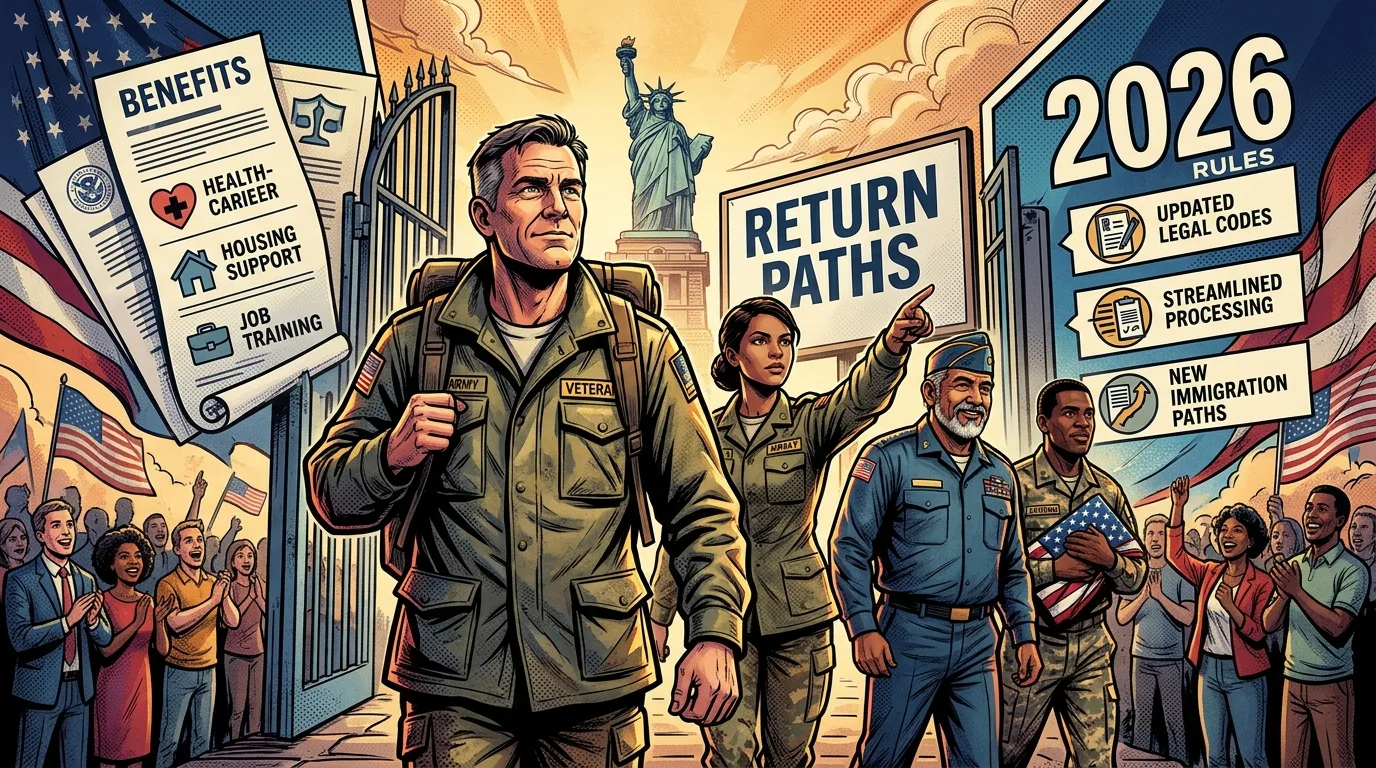
Thousands of noncitizen veterans have been deported. Learn who is affected, what VA benefits remain available abroad, the 2026 policy changes, and the legislative pathways back to the U.S.

Active duty service members are not legally veterans until discharged, but they can still qualify for VA loans, GI Bill, and some health care. Here is the rule.

See Dear Veteran letter examples for thank-you notes, VA buddy statements, and official VA benefit letters. Templates, salutations, mistakes, and where to send.

Find VA medical centers, regional benefit offices, Vet Centers, and state veterans affairs offices by state. Use the official VA locator tool and avoid common mistakes.

England (UK) has a statutory Armed Forces Covenant, AFCS, and NHS priority care. Ireland has no covenant, but has disability pensions and a new Veterans Office.

There is no state VA disability phone number. All 50 states use 800-827-1000 for federal disability claims. State offices handle property tax and state benefits only.
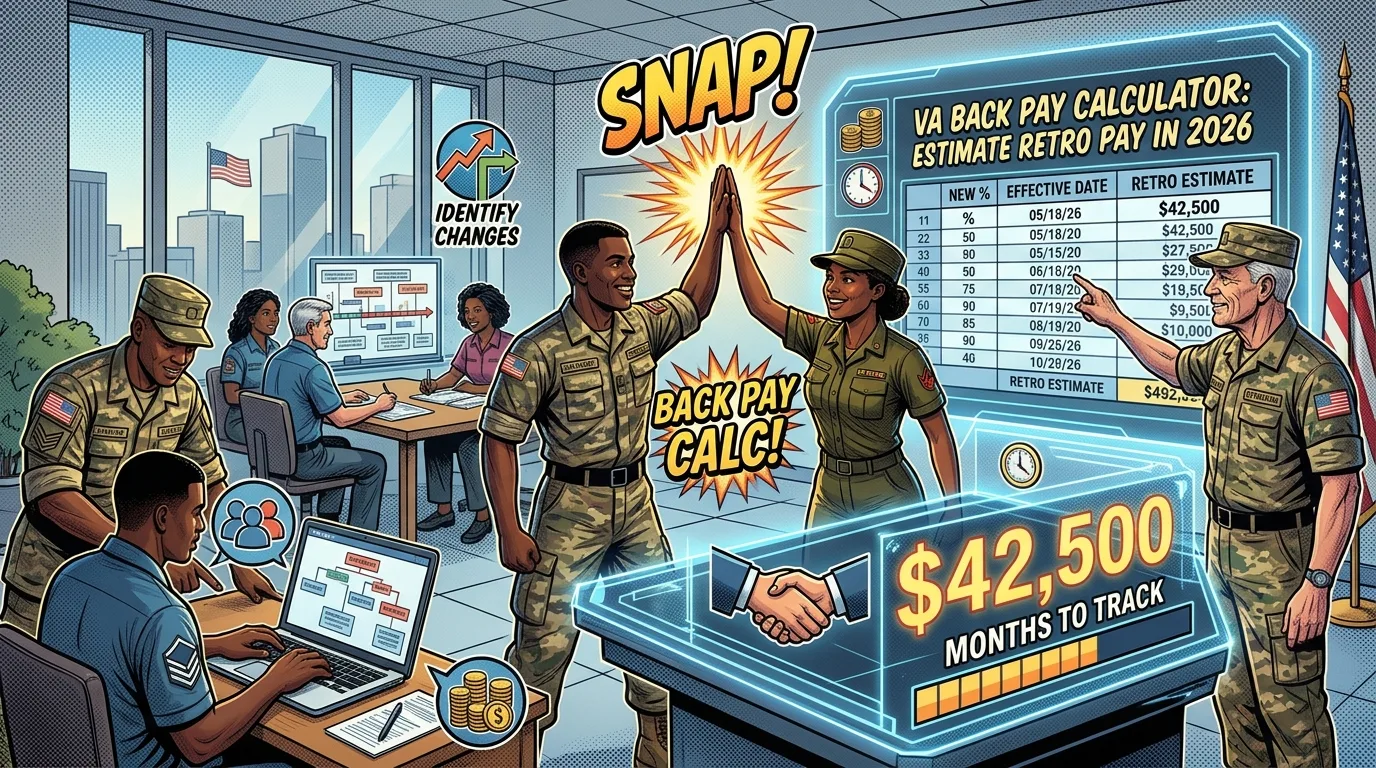
VA back pay equals your monthly rate times the months from your effective date to your first pay date. See the formula, 2026 rates, offsets, and claim-lane rules.
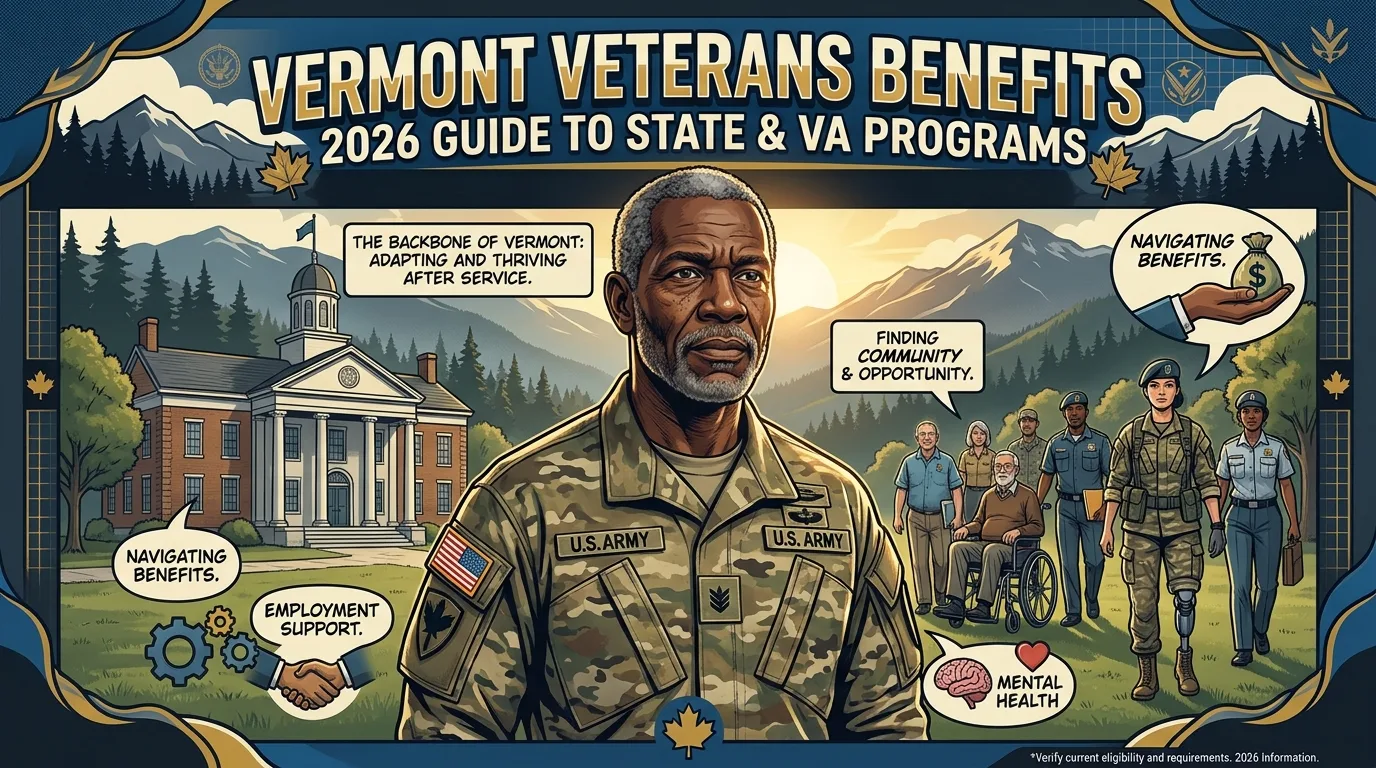
Complete 2026 guide to Vermont veterans benefits. Learn about property tax exemptions, tuition waivers, VA healthcare, home loans, and how to apply for each program.