
Introduction to VA Community Care
The VA Community Care program is an essential initiative designed to expand access to healthcare services for veterans, enabling them to receive timely medical attention. Established as a fundamental aspect of the Department of Veterans Affairs, this program acknowledges that veterans may require medical care outside the traditional VA facilities. Its primary objective is to ensure that veterans can obtain the necessary treatment based on their distinct needs and circumstances, especially in cases where accessible VA services are limited or unavailable.
The significance of the VA Community Care program lies in its capacity to empower veterans to make informed healthcare decisions. With a range of eligible services, veterans can seek care from private healthcare providers. By doing so, they have the opportunity to access specialists, mental health services, and other essential resources that might not be readily available within the VA system. This flexibility is particularly crucial in improving health outcomes and ensuring that veterans receive holistic and comprehensive care.

As the 2026 eligibility rules approach, understanding the VA Community Care program will be crucial for veterans who wish to navigate their healthcare options effectively. The forthcoming regulations may introduce updates in the criteria for community care eligibility, thus making it imperative for veterans to stay informed about these changes. Participation in this program can substantially influence a veteran’s overall healthcare experience, allowing for increased personalization and accessibility.

In summary, the VA Community Care program serves as a pivotal framework in enhancing veterans’ healthcare access and quality. By leveraging both VA facilities and community providers, veterans can better address their diverse healthcare needs. As such, staying aware of the upcoming 2026 rules will equip veterans with the knowledge necessary to make the most of this vital program.
Understanding the 2026 Eligibility Rules
The Department of Veterans Affairs (VA) is implementing new eligibility regulations for the VA Community Care program, which are scheduled to take effect in May 2026. These changes are critical for veterans seeking healthcare options outside of traditional VA facilities. It is important for veterans to familiarize themselves with the updated rules, as adherence is essential for continued access to community care services.
Under the new rules, veterans must meet specific eligibility criteria to qualify for VA Community Care. One key change involves the prerequisites for receiving care outside of VA facilities. Veterans who reside in certain geographic areas may need to prove their distance from the nearest VA medical center, as care will now be limited to those who live beyond a defined radius. This adjustment aims to streamline the process while ensuring that community care resources are allocated efficiently.
Additionally, the VA will evaluate the urgency and necessity of care needed by veterans. New guidelines will establish that if a veteran requires specialized services that cannot be provided by a VA facility within a reasonable time frame, they will be eligible for community care. Veterans must maintain updated records and provide proper documentation to support their claims for eligibility, which can include medical referrals or evidence of service-related conditions.
Veterans May Qualify for Extra Benefits
Check available financial assistance, healthcare programs and other opportunities that may apply to you.
Check EligibilityFailure to comply with these regulations may result in veterans being denied community care benefits, ultimately affecting their access to necessary medical assistance. Keeping abreast of these eligibility rules will ensure that veterans can effectively navigate their healthcare options and avoid potential pitfalls that could hinder their access to vital services.
The New EPS Scheduling System
The implementation of the new Electronic Patient Scheduling (EPS) system is a significant advancement for the VA community care program, set to align with the 2026 rules. This system aims to streamline the scheduling process for veterans seeking medical appointments. By integrating modern technology into patient management, the EPS system is designed to enhance the overall efficiency and accessibility of healthcare services provided to veterans.
One of the primary features of the EPS system is its centralized scheduling capability, allowing veterans to book appointments across various healthcare services without the need for multiple calls or visits. This centralized approach is expected to reduce wait times and eliminate the confusion often associated with scheduling. Veterans will now have the option to book, reschedule, and manage their appointments electronically, fostering a more transparent and user-friendly experience.
Moreover, the EPS system includes a robust reminder feature that sends notifications about upcoming appointments, which can significantly decrease the rates of missed appointments. These reminders can be received via email, text, or phone call, empowering veterans to take ownership of their healthcare schedules.Additionally, the EPS is designed to facilitate better communication between veterans and healthcare providers. Through the platform, providers can share essential information about appointments, health tips, and follow-up care options, enhancing the overall patient experience.
In essence, the EPS system is tailored to meet the needs of veterans while ensuring compliance with the 2026 rules. Its development reflects a commitment to providing timely and effective healthcare solutions, ultimately aiming to improve veterans’ health outcomes while navigating the complexities of the healthcare system.
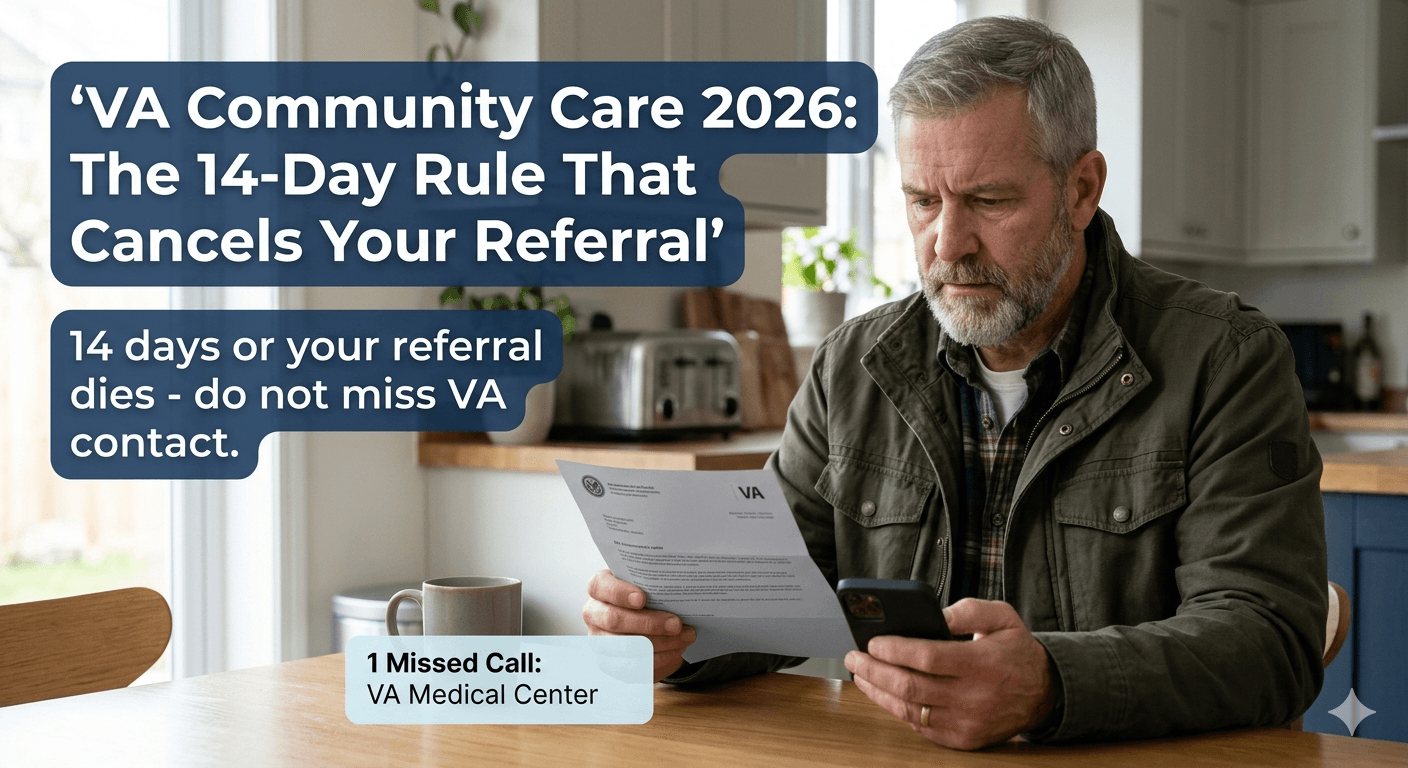
The 14-Day Rule Explained
The 14-day rule is a critical component of the new regulations regarding VA Community Care, emphasizing the importance of timeliness in the referral process. Under this rule, veterans are required to receive a formal referral for care within 14 days from the date that the VA concludes it cannot provide care in a timely manner. This period is essential for ensuring that veterans receive the necessary medical attention without undue delay.
To navigate the 14-day rule effectively, veterans must understand both the initiation of care and the subsequent follow-up. When the VA determines that a veteran’s wait time for care exceeds the specified limits, a referral should be issued promptly. It is crucial for veterans to monitor the issuance of their referrals closely and to be proactive in requesting any necessary documentation from their VA representative.
If a veteran fails to receive a referral within the stipulated 14-day period, they may encounter complications in accessing their preferred healthcare services. Missing this timeline can result in the denial of care or the necessity to re-initiate the entire referral process, which may delay treatment further. Hence, veterans must be vigilant about their care timelines and ensure that they understand their rights under the new regulations.
Additionally, it is paramount to communicate effectively with healthcare providers and the VA to clarify any uncertainties regarding the 14-day rule. Having a clear understanding of these guidelines can significantly influence the quality and timeliness of a veteran’s healthcare experience. Overall, the 14-day rule aims to enhance the accessibility of care for veterans, provided that they remain attentive to these regulations.
Key Changes in Referral Process
The introduction of new policies under VA Community Care set to take effect in 2026 signifies substantial modifications to the referral process. These changes are primarily aimed at enhancing the efficiency and effectiveness of healthcare delivery to veterans. Under the revised rules, veterans will experience a more streamlined approach to obtaining referrals, which are critical for accessing specialized medical services. This shift is expected to improve the overall quality of care, by ensuring that veterans receive timely access to necessary treatments.
One significant change in the referral process is the emphasis on the role of primary care providers (PCPs). The new policies mandate that PCPs conduct thorough evaluations and document specific clinical determinations before initiating referrals. This focus on comprehensive assessment may lead to more tailored healthcare interventions, optimizing the likelihood of successful treatment outcomes for veterans. However, it also places greater responsibility on PCPs, requiring them to be more vigilant in adhering to the new guidelines.
Furthermore, veterans must be aware that not complying with the referral processes can result in financial repercussions and delays in receiving care. For instance, appointments made without proper referrals may not be covered under VA’s community care provisions. This situation emphasizes the importance of understanding the new referral protocols in order to avoid potential pitfalls associated with unauthorized treatments.
Moreover, veterans are encouraged to maintain clear communication with their healthcare providers throughout this process. Being proactive in inquiries about the rationale behind referrals can not only foster collaboration but also help in managing the veteran’s health effectively. Overall, the 2026 rules signify a critical evolution in the referral process that requires both veterans and healthcare providers to adapt accordingly to ensure optimal access to care.
Consequences of Non-Compliance
Veterans relying on the VA Community Care program must understand the significant consequences tied to non-compliance with the new 2026 rules. These regulations are established to streamline access to care and improve the quality of services provided. However, failure to adhere to these guidelines can lead to severe repercussions.
Chief among these consequences is the risk of losing access to community care altogether. Veterans who do not follow the protocols set forth may find themselves ineligible for community-based services that are designed to cater specifically to their health needs. In many instances, this denial of services will leave veterans without adequate options for necessary medical treatment, leading to potential deterioration of their health status.
Beyond loss of services, non-compliance could result in additional scrutiny from the VA, which may include audits and reviews of a veteran’s eligibility for continuing care. Veterans who fail to provide the required documentation or meet appointment schedules as dictated by the new rules might face delays in receiving care, further complicating their medical conditions. It is crucial to understand that these provisions are not merely suggestions but mandatory requirements aimed at safeguarding their healthcare benefits.
Additionally, a lack of compliance could lead to legal ramifications, including monetary penalties. Understanding and adhering to these regulations is essential for veterans to avoid the financial burden that comes with possible non-compliant behavior. This emphasizes the importance of staying informed about the community care guidelines to mitigate any adverse effects.
In sum, the consequences of failing to comply with the 2026 rules are serious and multifaceted, affecting veterans’ access to essential services and their overall health and wellbeing. Awareness and adherence to these regulations are vital for maintaining the integrity of care within the VA Community Care program.
Navigating the New Rules: Tips for Veterans
As the 2026 rules under the VA Community Care program come into effect, veterans must adapt to ensure they maintain their eligibility for critical health services. This transition may seem complex, but adopting practical strategies can facilitate a smoother experience. Here are essential tips for navigating the new regulations effectively.
First and foremost, staying informed about eligibility criteria is crucial. Veterans should regularly consult the VA’s official resources and understand their benefits under the revised guidelines. Each veteran’s situation may vary, so tailoring personal eligibility checks to individual circumstances is vital. Ensuring you meet the updated prerequisite standards will help prevent any lapses in care.
An important aspect of managing healthcare under the new rules involves diligent tracking of appointments. With the implementation of the new Electronic Provider System (EPS), veterans can streamline the process. Utilizing the EPS allows for easier scheduling, access to past medical records, and communication with healthcare providers. It is beneficial to set reminders for upcoming appointments and adhere to follow-up care as defined in treatment plans.
Furthermore, maintaining accurate documentation is essential for leveraging the new system. Veterans should keep all records related to appointments, referrals, and communications with the VA. Whether accessed via the EPS or traditional means, thorough documentation can mitigate misunderstandings and ensure that all relevant medical information is up to date.
Lastly, engaging with support networks, including veterans’ groups and advocacy organizations, can provide valuable insights into effectively navigating these changes. These networks often share advice, experiences, and challenges faced by peers, further enhancing understanding and compliance with the new rules.
Resources for Veterans
Veterans navigating the complexities of the new VA Community Care rules in 2026 can benefit greatly from a variety of resources designed to inform and assist them. Below is a compilation of valuable tools and organizations that veterans can access for support and information.
One key resource is the U.S. Department of Veterans Affairs (VA) website. This official site offers comprehensive information on healthcare options available to veterans, including updates on community care rules, eligibility criteria, and how to apply for benefits. The VA’s website can be accessed at www.va.gov.
Additionally, veterans can reach out to the Veterans Service Organizations (VSOs), which play a crucial role in providing assistance. Organizations such as the American Legion, Veterans of Foreign Wars (VFW), and DAV (Disabled American Veterans) offer resources for veterans seeking guidance on the new rules, filing claims, and accessing community care. More information on these organizations can be found through their respective websites.
Online tools such as eBenefits provide veterans with a digital platform to manage their benefits, track claims, and access important documents. Veterans can create an account at www.ebenefits.va.gov for personalized assistance.
Finally, the Veterans Crisis Line is available for those in need of immediate assistance. This confidential hotline provides support 24/7, enabling veterans to speak with trained professionals. This service can be reached at 1-800-273-8255, or by texting 838255.
By leveraging these resources, veterans can better understand and comply with the requirements of the 2026 VA Community Care rules, ensuring they receive the benefits entitled to them.
Conclusion
As we have explored throughout this blog post, understanding the 2026 rules governing the VA Community Care program is essential for veterans who wish to navigate their healthcare options successfully. Veterans are entitled to quality care, and the guidelines set forth ensure they receive the services they deserve while adhering to the program’s requirements.
The importance of compliance cannot be overstated, as failing to follow these new rules can result in significant consequences for veterans. By familiarizing themselves with the provisions laid out in the 2026 regulations, veterans can take proactive measures to manage their healthcare effectively. Knowledge of eligibility criteria, referral processes, and appointment scheduling is crucial to maintaining access to community care services.
Additionally, staying informed about updates and changes to the VA Community Care program is vital. Veterans should actively seek information through official channels, including the Department of Veterans Affairs website and community resources. Engaging with local veteran organizations can further assist in understanding these regulations and provide additional support.
Ultimately, being proactive and informed empowers veterans not just to comply with the new rules, but to ensure they receive the comprehensive healthcare necessary for their well-being. The VA Community Care program should serve as a reliable avenue for veterans to access essential medical services while navigating the complexities of the healthcare system. By embracing these responsibilities, veterans can continue to lead healthy and fulfilling lives.

🇺🇸 IMPORTANT DISCLAIMER – Veterans Benefits Information
This site provides general information about U.S. Department of Veterans Affairs (VA) benefits for educational and informational purposes only.
- Not Official: We are NOT affiliated with, endorsed by, or connected to the U.S. Department of Veterans Affairs (VA), the Veterans Benefits Administration (VBA), the Veterans Health Administration (VHA), or any other government agency.
- No Legal/Financial Advice: The content on this website is for informational purposes only and does not constitute legal, financial, or medical advice. VA benefits rules change frequently – always consult with an accredited Veterans Service Officer (VSO) or a qualified professional for your specific situation.
- Official Sources: For official, binding information and to apply for benefits, always visit official .gov websites: VA.gov, Benefits.VA.gov, or SSA.gov.
- No Data Collection: This site does not collect, store, or process any personal information. It does not have login forms, contact forms, or any system to capture user data. We never ask for your Social Security Number, bank details, or any personal information.
- 🚨 Scam Alert: The VA and other government agencies never charge fees for benefit applications. If anyone asks for money to "process" your VA claim, it is a scam. Report it to the VA Office of Inspector General at VA.gov/OIG.
- Advertising: This site uses third-party advertising (Adsterra) to cover operational costs. We do not endorse or guarantee any products or services advertised.
📌 Information provided as of June 2026. Always verify current eligibility and rules with official .gov sources.
This site is not affiliated with the U.S. Department of Veterans Affairs or any government agency. All information is for educational purposes only. Please visit VA.gov for official information.
