
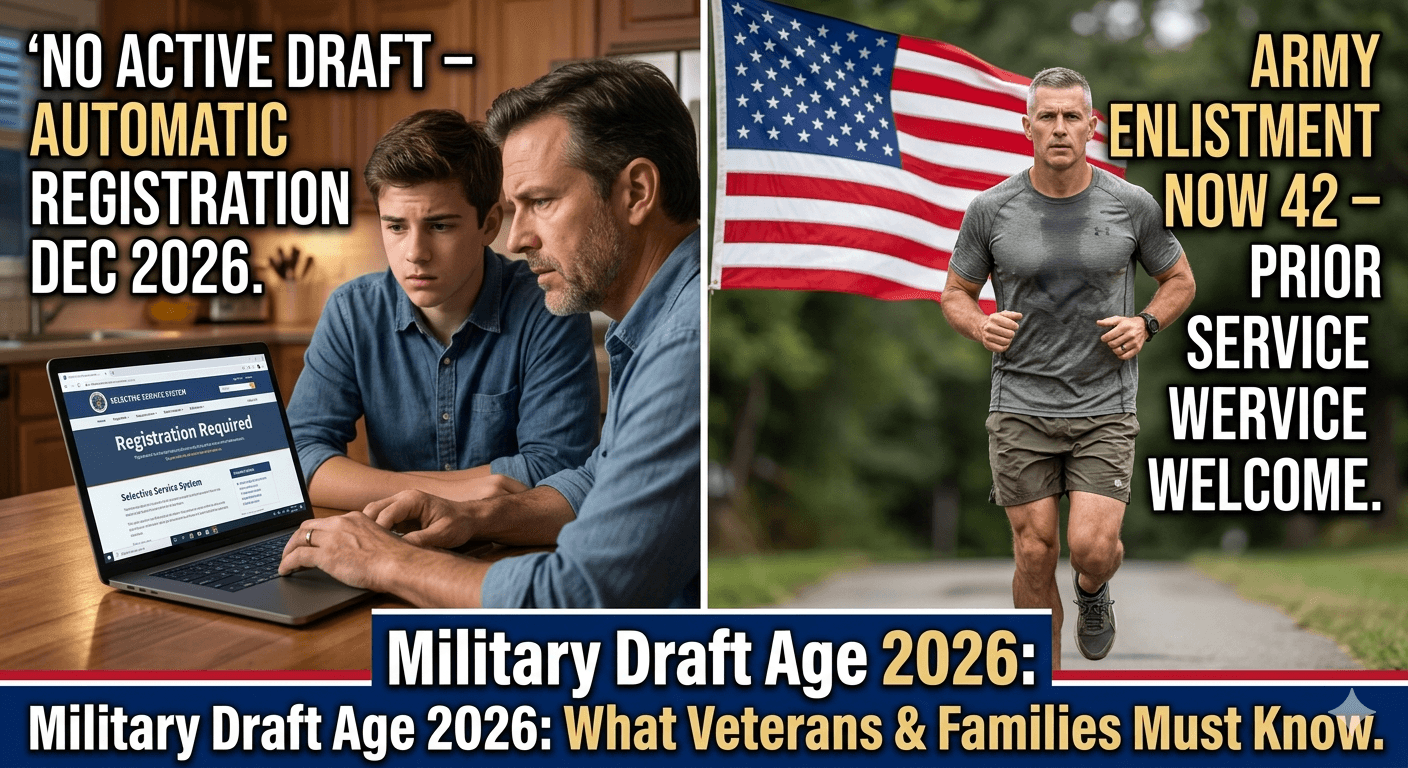
Introduction to Military Draft Changes
The military draft has been a topic of considerable discussion and concern among U.S. citizens, particularly in the context of potential national emergencies or conflicts. While there is no active military draft in force today, it is essential to understand the framework surrounding it and the changes that are forthcoming. The draft, as a mechanism of conscription, mandates that citizens of specified age groups serve in the military, and historically it has been implemented during times of significant need.
Currently, the Selective Service System requires men aged 18 to 25 to register, but this does not equate to an active draft. However, it is crucial for eligible individuals to be aware of their responsibilities and the guidelines set forth by the government. Confusion often arises regarding when and how the draft may be enacted, and who might be affected. This uncertainty becomes particularly pertinent when considering upcoming legislative changes.

Beginning December 2026, an important shift will occur with the introduction of automatic registration for young men. This proactive measure is anticipated to streamline the process of keeping the roster updated and ensure that individuals are prepared in the event of a draft situation. The automatic registration process signals a significant change in the handling of military conscription and will potentially reshape how the U.S. approaches manpower needs in times of conflict.

As changes loom in the military draft landscape, it is critical for veterans and those nearing draft age to stay informed and understand the implications of these modifications. This knowledge will not only clarify individual obligations but also help to dispel some of the myths and confusion surrounding conscription. With the landscape ever-evolving, being prepared and educated is essential for all citizens.
What Will Change in December 2026?
On December 18, 2026, the United States will initiate an automated registration process for the Selective Service System. This new regimen marks a significant shift in how young men aged 18 to 25 register for potential military service. While the process is colloquially referred to as the “draft,” it is essential to clarify that this system is solely for registration and does not imply an active draft into military service.
Under the new guidelines, eligible young men will be automatically registered when they apply for or renew a driver’s license or state-issued identification. This streamlined process aims to ensure comprehensive compliance with registration duties, which have historically seen varying compliance rates among eligible individuals. The automation eliminates the need for manual registration efforts and reduces the administrative burden on the individuals concerned and governmental agencies alike.
It is crucial for young men in the specified age group to be aware that this registration process is a bureaucratic formality, which does not call them to active duty. The primary purpose of the Selective Service System is to maintain a reserve of individuals who could be called upon during national emergencies. Therefore, the registration is simply a precautionary measure that helps the nation prepare for unforeseen circumstances.
Veterans May Qualify for Extra Benefits
Check available financial assistance, healthcare programs and other opportunities that may apply to you.
Check EligibilityFurthermore, this automated registration will enable the government to keep up-to-date records of eligible individuals, facilitating efficiency in communication and administration. As such, young men are encouraged to familiarize themselves with this process and understand that their participation in registration does not indicate immediate military service. Timing and accuracy in the registration process will be beneficial for all parties involved as the nation continues to uphold its preparedness.
The Current State of the Military Draft
The history of the military draft in the United States is a complex narrative that reflects the changing dynamics of warfare, national priorities, and societal values. The military draft, commonly referred to as conscription, was first introduced during the American Civil War in the 1860s, marking a significant departure from volunteer-based military service. Over the years, the draft has undergone numerous modifications, particularly during periods of intense conflict such as World War I, World War II, and the Vietnam War. The most notable changes included the establishment of a lottery system and various deferment categories that evolved in response to public sentiment and the needs of the military.
By the end of the Vietnam War, the draft became increasingly unpopular, leading to its abolishment in 1973. This transition to an all-volunteer force marked a pivotal moment in U.S. military history. Since then, the military has relied on volunteers who choose to serve, aiming to create a more professional and skilled force. The all-volunteer model has generally been deemed successful in attracting individuals committed to military service.
Despite the abolition of the draft, the Selective Service System remains in operation as a contingency measure. Established by the Military Selective Service Act of 1948, the Selective Service ensures that the government can quickly mobilize military personnel in times of national emergency. Currently, all U.S. citizens, as well as male immigrants, are required to register with Selective Service at the age of 18. Although the draft has not been actively employed since 1973, the system is designed to provide a means for raising armed forces should the need arise, demonstrating the government’s preparedness to respond rapidly to crises. Today, the conversation around the draft and military service continues to evolve, particularly in light of recent legislative developments regarding automatic registration and its implications for future military readiness.
Who is Exempt from Registration?
When it comes to registration for the Selective Service, not all individuals are required to participate. Several specific categories allow for exemptions, which reflects the need for an equitable approach toward military service obligations. Understanding these exemptions is crucial, especially as automatic registration is set to begin in December 2026.
One significant category exempt from registration includes individuals who are actively serving in the Armed Forces. This means anyone currently enlisted in the military does not have to register for the Selective Service as their duty to serve is already established. Additionally, men who are permanently physically or mentally incapacitated can also be exempted from registration requirements, taking into consideration their ability to fulfill service duties.
Moreover, non-citizens who are in the United States without a valid immigration status, along with those who are deemed to not meet the age criteria—specifically men aged 18 to 25—are also relieved from the obligation to register. It’s essential to note that even if a man is a permanent resident, he is still required to register unless he falls into another exempt category.
Another aspect worthy of mention is the status of veterans or individuals with military experience. While veterans are generally needed to register due to their citizenship status, significant changes in any policies or rules surrounding exemptions may arise. For instance, if an individual has served and been discharged, the nature of their discharge could potentially impact their registration needs, especially in light of any recent amendments to military service laws.
In conclusion, understanding who is exempt from military registration will aid many in navigating the complexities that will emerge with the automatic registration process in December 2026. Recognizing these crucial exceptions can ensure a smoother compliance experience for those affected.
Implications for Veterans
The automatic registration initiative set to commence in December 2026 carries significant implications for veterans and their families, particularly those with children or grandchildren approaching the registration age. While the automatic registration process is designed to simplify enlistment, it may inadvertently place additional responsibilities on veterans as they navigate the complexities surrounding military service and its obligations.
Veterans who have served in the armed forces often have a wealth of insights and experiences regarding military life. As such, they may feel compelled to educate their younger relatives about the implications of military service. Automatic registration could prompt conversations about the potential benefits and sacrifices associated with enlisting, especially for those within the family who are now of age to be registered.
Furthermore, veterans who failed to register during their own eligible years should be aware of the repercussions that non-registration may hold. Past instances of non-registration can lead to various administrative and legal issues, affecting not only the veterans but also their descendants. Veterans might find themselves facing eligibility questions or complications related to benefits, should their children or grandchildren be drafted. It’s essential for these individuals to understand the historical context of registration and the importance of compliance during the registration process.
As automatic registration becomes a reality, veterans must remain informed about the procedural changes that may impact their families. They should consider encouraging open discussions about military service and registration to foster an informed perspective among the younger generations. Increasing awareness and promoting understanding can help mitigate the potential stress associated with mandatory registration, ensuring that veterans are prepared to assist their families appropriately during this transition.
Enlistment Age Increase to 42
Recent changes in military policy have authorized an increase in the maximum enlistment age for former service members, allowing individuals to re-enlist up to the age of 42. This adjustment represents a significant shift in military recruitment strategy and responds to the evolving demographics of the veteran population. For veterans in their late 30s and 40s, the implications of this change are considerable, providing renewed opportunities to serve their country.
One of the primary motivations behind raising the enlistment age is to leverage the experience and skills of older veterans. As the military seeks to maintain a diverse and capable force, individuals who have previously served bring invaluable leadership abilities, specialized training, and a strong sense of discipline. For those veterans who may have thought their military career was behind them, this policy now presents a chance to return to service, potentially enriching the armed forces with their knowledge and expertise.
Moreover, the adjustment in enlistment age acknowledges the extended career timeline of many civilians today. As the workforce ages, individuals often pursue new career paths or seek to transition back into roles that align with their past experiences. As a result, veterans aged 38 to 42 can now consider re-enlisting in a military environment that increasingly values their life skills and previous service. Such decisions, however, carry significant considerations regarding readiness, physical fitness, and the demanding nature of military life.
Additionally, veterans contemplating re-enlistment must also take into account the current operational context of the military. Conflicts and deployments may vary, which can impact the decision to rejoin active duty. Ultimately, the increased enlistment age opens up a dialogue about the contributions that veterans can continue to make in their later years, supporting the notion that service to the nation can be a lifelong endeavor.
Rumors and Misconceptions about a Draft
In light of the upcoming changes regarding military draft registration, numerous rumors and misconceptions have surfaced, causing anxiety among citizens, particularly veterans and their families. One prevalent myth is that automatic registration will immediately lead to a draft. It is essential to clarify that registration is not the same as being drafted into service. The primary purpose of registration is to maintain an updated list of eligible individuals who can be called upon in times of need, rather than suggesting an impending immediate conscription.
Another common misunderstanding is the belief that all registered individuals will be automatically activated in the event of a draft. In reality, the government retains the discretion to determine the necessity and timing of any draft should extraordinary circumstances arise. Registration does not equate to an obligation to serve or assure that an individual will be selected.
Additionally, some individuals worry about age caps or specific eligibility criteria for drafts. While the current policies typically focus on young adults, particularly those aged 18 to 25, revisions or expansions could occur based on national needs. Nonetheless, any substantial changes would likely be accompanied by announcements and public debates to ensure transparency.
Lastly, veterans often express concerns about their draft eligibility, assuming that prior service may put them back in the line of duty. However, veterans are generally excluded from draft considerations due to their prior commitments. The intent behind the draft process focuses on untrained individuals who could supplement the existing forces as necessary. By addressing these rumors and misconceptions, individuals can navigate these changes with greater clarity and reassurance.
Potential Impacts of Automatic Registration and Higher Enlistment Age on Military Readiness
The implementation of automatic registration for the military draft in 2026 marks a significant shift in the United States’ approach to managing its armed forces. This policy aims to streamline the process by which young individuals become eligible for military service, potentially enhancing the pool of available recruits. However, the association of this policy with an increased enlistment age could have dual implications for military readiness.
On one hand, automatic registration is expected to increase awareness about military service among the youth, ensuring that they are better informed about their eligibility as they transition into adulthood. Experts argue that this proactive measure may foster a sense of civic duty among young Americans, therefore increasing the likelihood of enlistment when necessary. In essence, the military could achieve a robust base of volunteers familiar with the process, bolstering overall military readiness.
Conversely, raising the enlistment age to 26 may yield concerns regarding the overall pool of qualified recruits. With older age limits, the military risks missing out on potential candidates who are active, energetic, and physically fit. Additionally, statistical data indicate that younger individuals often demonstrate greater adaptability and resilience, traits that are advantageous in military training and operations. Experts suggest that while an expanded age limit may attract more mature candidates, it might also inadvertently limit the enthusiasm and vigor typically associated with younger volunteers.
Moreover, changes in societal views on military service could further influence enlistment trends. As cultural norms evolve, so too might perceptions of military duty among older age groups. This juxtaposition of values could complicate recruitment strategies aimed at ensuring that military readiness remains uncompromised. Striking a balance between these contrasting dynamics will be crucial in determining the overall effectiveness of the new policies on U.S. military readiness.
Conclusion and What Veterans Should Do Now
The upcoming changes regarding the military draft age in 2026 and the automatic registration process commencing in December signify a pivotal moment for veterans and their families, particularly those with potential registrants aged 18 and older. To navigate these changes effectively, veterans must stay informed about the implications of these new regulations. Keeping abreast with updates from official sources such as the Selective Service System will ensure that veterans are aware of their rights and responsibilities under the new draft rules.
One critical aspect veterans should consider is the impact on their family members and young adults who may be affected by automatic registration. It is advisable for veterans to communicate these changes to their families, ensuring that potential registrants understand the significance of these updates and their own responsibilities. Additionally, veterans should encourage younger family members to be proactive about their status; this includes checking their registration status and understanding how to navigate the system should they ever need to.
Furthermore, veterans are encouraged to engage in community discussions and veteran support groups to share insights and experiences related to the draft. Networking within these communities can provide valuable resources and emotional support as families prepare for potential draft scenarios. Lastly, staying connected with veteran organizations can help amplify their voices regarding any concerns surrounding the draft system and its implementation.
In conclusion, awareness and preparation are paramount as the military draft age undergoes adjustments in 2026. By remaining informed, communicating effectively with family members, and seeking support from veteran communities, veterans can effectively navigate the forthcoming changes associated with the military draft.


🇺🇸 IMPORTANT DISCLAIMER – Veterans Benefits Information
This site provides general information about U.S. Department of Veterans Affairs (VA) benefits for educational and informational purposes only.
- Not Official: We are NOT affiliated with, endorsed by, or connected to the U.S. Department of Veterans Affairs (VA), the Veterans Benefits Administration (VBA), the Veterans Health Administration (VHA), or any other government agency.
- No Legal/Financial Advice: The content on this website is for informational purposes only and does not constitute legal, financial, or medical advice. VA benefits rules change frequently – always consult with an accredited Veterans Service Officer (VSO) or a qualified professional for your specific situation.
- Official Sources: For official, binding information and to apply for benefits, always visit official .gov websites: VA.gov, Benefits.VA.gov, or SSA.gov.
- No Data Collection: This site does not collect, store, or process any personal information. It does not have login forms, contact forms, or any system to capture user data. We never ask for your Social Security Number, bank details, or any personal information.
- 🚨 Scam Alert: The VA and other government agencies never charge fees for benefit applications. If anyone asks for money to "process" your VA claim, it is a scam. Report it to the VA Office of Inspector General at VA.gov/OIG.
- Advertising: This site uses third-party advertising (Adsterra) to cover operational costs. We do not endorse or guarantee any products or services advertised.
📌 Information provided as of June 2026. Always verify current eligibility and rules with official .gov sources.
This site is not affiliated with the U.S. Department of Veterans Affairs or any government agency. All information is for educational purposes only. Please visit VA.gov for official information.
