
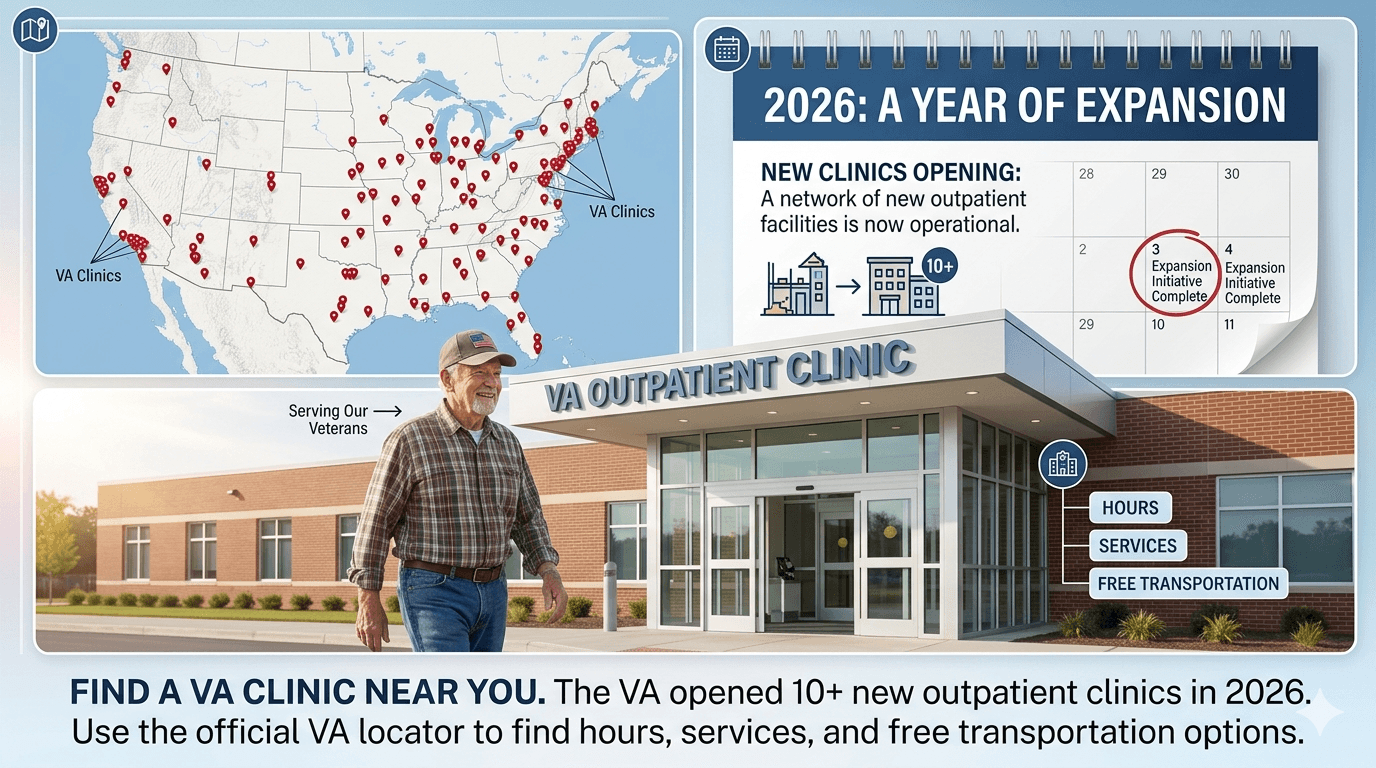
Introduction to VA Clinics
VA clinics, or Veterans Affairs clinics, are specialized medical facilities operated by the U.S. Department of Veterans Affairs. Their primary purpose is to provide essential health care and support services to military veterans, ensuring they receive the attention and resources they deserve post-service. These clinics are pivotal in facilitating access to health care, especially for those who may face challenges in obtaining services through traditional channels.
Each VA clinic aims to offer a comprehensive range of health care services tailored to meet the unique needs of veterans. These services typically include primary care, mental health services, preventive services, and specialty care. Moreover, many clinics have begun to expand their offerings, including telehealth services, which have grown in significance, particularly in light of the challenges faced by veterans seeking timely medical attention.

In addition to direct medical care, VA clinics play a crucial role in connecting veterans with supportive services. This may encompass assistance with disability claims, counseling for mental health concerns, and programs focusing on rehabilitation and substance use disorders. The holistic approach adopted by these clinics underscores the importance of not only treating physical ailments but also addressing the mental and emotional health needs of veterans.

Furthermore, the presence of VA clinics across the country facilitates local access to care, ensuring that veterans in both rural and urban settings can avail themselves of necessary health services. As part of their ongoing commitment to improve the lives of those who have served, VA clinics continuously update their hours of operation, expand their locations, and enhance their service offerings. This commitment aims to reduce barriers and enhance accessibility, making it easier for veterans to seek and receive care.
VA Clinic Near Me 2026: Find Your Nearest Location & New Clinics Opening Now
Find VA clinics near you. 2026 updates: 10+ new locations opening. Hours, services, and transportation options. Search now.
If you are searching for a VA clinic near me, you are not alone. Over 9 million veterans use VA outpatient clinics every year for primary care, mental health services, and specialty treatments.
Here is what you need to know right now: The VA is actively opening new clinics across the country in 2026 to reduce wait times and bring care closer to veterans. Nashville, Chattanooga, Vero Beach, and Anthem are just a few cities getting brand-new facilities this year .
Veterans May Qualify for Extra Benefits
Check available financial assistance, healthcare programs and other opportunities that may apply to you.
Check EligibilityWhat this means in real life: Instead of driving 90 minutes to a big VA hospital, you might have a clinic 15 minutes from your house. A veteran in Murfreesboro, Tennessee, can now get mental health care at a clinic 10 minutes away instead of driving to Nashville .
What Veterans Need to Know Right Now
Finding a VA clinic is easier than ever. But there are some things the VA does not always tell you upfront.
The #1 rule: Do not just show up. Most VA clinics require an appointment. Walk-ins are only accepted for specific services at specific locations. Call first.
Your action step right now: Go to va.gov/find-locations. Type your city or ZIP code. The official VA locator tool is free and accurate. Do not use Google Maps alone – some older clinic listings are wrong.
Latest Updates Today (June 2026)
New clinics opening in 2026:
| Location | Opening Date | Services |
|---|---|---|
| Nashville, TN (Charlotte Ave. Clinic 2) | March 2026 | Primary care |
| Nashville, TN (Charlotte Ave. Clinic 3) | January 12, 2026 | Primary care, geriatrics |
| Murfreesboro, TN (Heritage Park Drive) | January 15, 2026 | Outpatient mental health |
| Chattanooga, TN (Pointe Centre Clinic 2) | April 2026 | Primary care, infusion, oncology |
| Vero Beach, FL (Indian River Clinic) | March- Summer 2026 | PT, audiology, cardiology, dental |
| Anthem, AZ | Open now | Primary care, mental health, women’s health |
Montgomery County, TN: A new clinic is anticipated to open April 2026 offering primary care and mental health services .
What this means for you: If you live near any of these areas, you may have a new option for care. Call the VA at 1-877-222-8387 to transfer your primary care to a closer clinic.
How to Find a VA Clinic Near You
Method 1: Official VA Locator (Best Option)
Go to va.gov/find-locations. Enter your city, state, or ZIP code. The tool shows:
- Full VA medical centers (hospitals)
- Outpatient clinics (CBOCs – Community Based Outpatient Clinics)
- Vet Centers (for counseling)
- Hours of operation
- Phone numbers
- Services offered at each location
Method 2: Call the VA Health Connect Hotline
Call 1-800-698-2411. Press 1 for appointments. Tell the representative your ZIP code. They will tell you the closest clinic and can sometimes book your first appointment over the phone.
Method 3: Use the VA Mobile App
Download the “VA: Health and Benefits” app from your phone’s app store. The “Find Locations” feature uses your phone’s GPS to show clinics near you right now.
What Services VA Clinics Offer
Not every clinic offers every service. Here is what to expect at most VA outpatient clinics :
Primary care (all clinics):
- Routine checkups
- Preventive care
- Management of chronic conditions (diabetes, high blood pressure)
- Immunizations and flu shots
Mental health services (most clinics):
- Individual therapy
- PTSD counseling
- Depression and anxiety treatment
- Substance use disorder support
Specialty services (varies by location):
- Women’s health
- Audiology (hearing tests)
- Optometry (eye exams)
- Dermatology
- Physical therapy
- Laboratory services (blood draws)
- Nutrition counseling
Call before you go. Ask specifically: “Does your clinic offer [service name]?” Not every clinic has every specialty.
Typical Hours of Operation
Most VA clinics operate Monday through Friday. Saturday hours are rare but exist at some locations.
Standard hours:
| Day | Typical Hours |
|---|---|
| Monday | 8:00 AM – 4:30 PM |
| Tuesday | 8:00 AM – 4:30 PM |
| Wednesday | 8:00 AM – 4:30 PM |
| Thursday | 8:00 AM – 4:30 PM |
| Friday | 8:00 AM – 4:30 PM |
| Saturday | Closed (some open 8 AM – 12 PM) |
| Sunday | Closed |
Exceptions:
- Huntsville VA Clinic: Open Saturday 8:00 AM – 12:00 PM (primary care and radiology only)
- Anthem VA Clinic: 7:00 AM – 5:00 PM weekdays
- Pocahontas VA Clinic: 8:00 AM – 4:30 PM weekdays
Warning: Holiday hours change. Call ahead before any federal holiday.
Transportation to VA Clinics
Getting to your appointment should not be a barrier.
Free van services: Many VA clinics work with the Disabled American Veterans (DAV) to provide free transportation to and from medical appointments .
How to use DAV transport:
- Call your local VA clinic or hospital
- Ask for the DAV transportation coordinator
- Schedule your pick-up at least 48 hours in advance
- Vans pick up from your home and drop you at the clinic
Other options:
- Some counties offer veteran transportation vouchers
- VA mileage reimbursement (if you drive yourself to appointments)
- Uber/Lyft (not reimbursed unless pre-authorized)
New VA Clinics Opening in 2026
The VA is in a major expansion phase. Here is what is coming :
Already open (January-March 2026):
- Nashville Charlotte Ave. Clinic 3 (geriatric primary care)
- Murfreesboro Heritage Park Clinic (mental health)
- Nashville Charlotte Ave. Clinic 2 (primary care)
- Indian River Clinic Phase 1 (PT, OT, chiropractic)
Opening April-June 2026:
- Chattanooga Pointe Centre Clinic 2 primary care wing
- Montgomery County VA Clinic (TN)
- Indian River Clinic Phase 2 (audiology, cardiology, neurology, podiatry, urology)
Opening Summer 2026:
- Indian River Clinic Phase 3 (dental and optometry)
What this means financially: New clinics mean shorter travel distances. Less gas money. Less time off work. For a veteran driving 60 miles round trip to a VA hospital, a new clinic 10 miles away saves about $25 per visit in gas and wear-and-tear.
Common Mistakes Veterans Make
Mistake #1: Going to the wrong type of facility.
A “VA clinic” is different from a “VA hospital.” Clinics offer primary care and some specialties. Hospitals offer emergency care, surgery, and inpatient beds. If you show up to a clinic with a heart attack, they will call an ambulance to take you to a hospital. Know the difference.
Mistake #2: Not checking hours before you go.
Clinic hours vary. Some close at 4:00 PM. Some close at 5:00 PM. Some close for lunch. A veteran in Pennsylvania drove 45 minutes to the Sayre VA Clinic only to find it closed for a holiday he did not know about . Call first.
Mistake #3: Assuming every clinic has every service.
They do not. The Burlington Lakeside VA Clinic offers dermatology. The Anthem VA Clinic also offers dermatology. But a small rural clinic might not . Always ask: “Do you offer [specific service] at this location?”
Mistake #4: Not registering your car for free parking.
Some new clinics require parking registration. At the Nashville Charlotte Avenue clinics, parking is free but you must scan a QR code and enter your license plate number . Ignore the QR code and you might get a ticket.
Mistake #5: Forgetting to update your clinic assignment.
If a new clinic opens near you, the VA does not automatically move your records. You must request a transfer. Call your patient advocate or primary care team. Say: “I want to transfer my care to [new clinic name].”
What This Means Financially for Veterans
Travel reimbursement: The VA pays $0.415 per mile (2026 rate) for travel to and from VA medical appointments. You must file a claim through the Beneficiary Travel program. Save your mileage log.
Parking is free at all VA clinics. Never pay for parking at a VA facility. If a private lot near a VA clinic charges, find street parking or ask the VA for a parking validation.
No copays for many services: Most VA outpatient clinic visits have no copay for:
- Preventive care
- Mental health visits
- Annual physicals
- Lab work
Some services have small copays ($15-$50) depending on your priority group. Ask before your visit.
Example VA Clinic Locations
Here are real VA clinics you can visit today:
| Clinic Name | Location | Phone |
|---|---|---|
| Philadelphia VA Medical Center | 3900 Woodland Ave, Philadelphia, PA | |
| Burlington Lakeside VA Clinic | 128 Lakeside Ave, Burlington, VT | |
| Huntsville VA Clinic | Huntsville, AL | |
| Anthem VA Clinic | 41810 N Venture Dr, Anthem, AZ | |
| Indian River VA Clinic | 777 37th St, Vero Beach, FL | |
| Sayre VA Clinic | 1537 N Elmira St, Sayre, PA | |
| Pocahontas VA Clinic | 300 Camp Rd, Pocahontas, AR |
To find the clinic nearest you: Go to va.gov/find-locations. Enter your ZIP code. The tool shows clinics within 50 miles.
FAQ Section (People Also Ask)
Q: How do I find a VA clinic near me?
A: Use the official VA locator at va.gov/find-locations. Enter your city or ZIP code. The tool shows all nearby clinics, hours, phone numbers, and services.
Q: Do I need an appointment at a VA clinic?
A: Yes. Most VA clinics require appointments. Walk-ins are only accepted for urgent primary care at specific locations. Call before you go.
Q: Are VA clinics free for veterans?
A: Most services have no copay. Some specialty visits may have a small fee depending on your VA priority group. Preventive care, mental health, and primary care visits are usually free.
Q: What is the difference between a VA hospital and a VA clinic?
A: A VA hospital offers emergency care, surgery, and inpatient beds. A VA clinic (CBOC) offers primary care, mental health, and some specialties. Go to the hospital for emergencies. Go to the clinic for checkups and routine care.
Q: Can I go to any VA clinic or only my assigned one?
A: You can go to any VA clinic in the country. However, your medical records may not automatically transfer. For routine care, call the new clinic first and ask to become a patient there.
Q: What if I cannot drive to a VA clinic?
A: The DAV offers free van transportation to VA appointments. Call your local VA clinic and ask for the DAV transportation coordinator. Schedule at least 48 hours in advance.
Q: Are there VA clinics open on weekends?
A: Most are closed Saturdays and Sundays. Some clinics, like Huntsville VA Clinic, offer limited primary care services on Saturday mornings (8 AM – 12 PM) . Call ahead.
Q: How do I transfer my care to a new VA clinic?
A: Call your current VA clinic. Ask for the “patient advocate” or “primary care team.” Say: “I want to transfer my care to [new clinic name].” They will handle the paperwork.
Final Takeaway
Finding a VA clinic near you takes five minutes. Do it today.
Your three tasks right now:
- Go to va.gov/find-locations. Enter your ZIP code. Save the closest clinic’s phone number in your phone.
- Call the clinic. Ask: “What are your hours? Do I need an appointment? What services do you offer?”
- If a new clinic opened near you in 2026, call your current clinic and request a transfer. The VA will not do this for you automatically.
One last warning: Do not trust third-party websites that list VA clinic information. They are often outdated. Always verify hours and services on va.gov or by calling the clinic directly.
You earned these benefits. The clinics exist. The services are there. Use them. Your health matters.
Recent Changes in VA Clinic Operating Hours
As of 2026, a significant update to the operating hours for VA clinics has been implemented. The Department of Veterans Affairs aims to enhance access to healthcare services for veterans by extending its hours and improving service availability. Generally, VA clinics are adjusting to a new schedule to better accommodate the needs of veterans and their families. Many clinics will now operate from 8:00 AM to 6:00 PM, Monday through Friday, providing a more flexible schedule for patients seeking care.
In addition to the extended weekday hours, select VA clinics will also be opening on Saturdays from 9:00 AM to 3:00 PM. This change is particularly beneficial for veterans who may have work commitments during traditional business hours. By adding weekend hours, the VA is striving to provide more convenient access to essential health services, including primary care, mental health support, and preventive screenings.
However, it is important to note that some clinics will have modified hours on federal holidays, which may lead to closures or reduced hours on days such as Memorial Day, Veterans Day, and Independence Day. Veterans are encouraged to verify their local clinic’s schedule as these adjustments may vary by location. Moreover, these changes reflect a wider initiative by the VA to adapt to the evolving healthcare needs of veterans and to ensure they receive timely, quality care.
The new operating hours are designed not only to relieve congestion during peak times but also to offer more opportunities for veterans to schedule appointments that fit their lifestyle. As the VA continues to refine its services, keeping abreast of these changes is crucial for veterans seeking to maintain their health and well-being.
Expanded Locations for VA Clinics in 2026
In 2026, the Veterans Affairs (VA) healthcare system has made significant strides in expanding its reach by opening new clinics across various regions. This initiative addresses the historical gap in access to healthcare for veterans, particularly in areas that previously lacked comprehensive VA services. These expansions are crucial in ensuring that veterans receive the medical attention and support they deserve, regardless of their location.
The decision to establish new VA clinic locations is driven by a commitment to enhance accessibility for veterans in underserved areas. Many veterans may have faced long travel distances to receive necessary healthcare services, often leading to delays in treatment. The introduction of clinics in strategic locations aims to mitigate these barriers, bringing vital healthcare resources closer to those in need.
Among the newly opened clinics are facilities in rural and semi-urban areas that have a high concentration of veterans but limited access to VA care. These locations are equipped to offer a range of services, from primary care to mental health support, ensuring a holistic approach to veteran healthcare. The VA is keenly aware of the challenges veterans experience in accessing services, particularly in remote regions. As a result, this expansion is a pivotal step toward improving health outcomes and providing timely care.
Veterans looking for the nearest VA clinic can easily navigate to the official VA website, which includes a detailed map with updated locations, operational hours, and available services. Additionally, veterans can use the VA’s helpline for personalized assistance in locating facilities based on their specific needs. As the VA continues to improve the availability of clinics, veterans can feel assured that quality healthcare is increasingly within their reach.
Impact of New VA Clinic Hours and Locations on Veterans
The recent adjustments in the operation hours and the introduction of new VA clinic locations have significant implications for veterans seeking healthcare services. These changes are primarily aimed at enhancing accessibility and improving the overall veteran experience within the healthcare system.
One of the most critical factors to consider is veteran accessibility. Expanded clinic hours may allow veterans, particularly those who are employed or have other daytime commitments, to schedule appointments at more convenient times. This flexibility can lead to a higher rate of attendance at medical appointments, which is essential for managing both physical and mental health issues effectively.
Additionally, the establishment of new clinic locations is particularly beneficial in underserved areas. By bringing healthcare closer to veterans, these clinics effectively reduce travel time and associated costs, which can be a significant barrier for many veterans. Improved access to care can help to address the prevalent issue of wait times, allowing veterans to receive the services they require in a more timely manner.
However, it is essential to consider potential challenges that may arise from these changes. For instance, increased accessibility might lead to higher patient volumes at specific clinics, which could inadvertently result in longer wait times for appointments. Thus, a careful balance must be achieved to ensure that while services become more accessible, the quality and efficiency of care are not compromised.
In conclusion, the new hours and locations of VA clinics present both opportunities and challenges for veterans. Ultimately, these modifications aim to create a more responsive healthcare environment tailored to the needs of our veterans, promoting better health outcomes and overall satisfaction with the VA healthcare system.
How to Find Your Nearest VA Clinic
Finding the nearest VA clinic is essential for veterans seeking healthcare services tailored to their needs. One of the most effective ways to locate a clinic is by utilizing the official VA website. By visiting the “Find Locations” section, veterans can input their zip code or city to obtain a list of nearby facilities. This method allows for a comprehensive view of clinics, hospitals, and specialized care centers available in the immediate area.
In addition to online resources, veterans can also contact veteran support services. Organizations such as the American Legion or Veterans of Foreign Wars (VFW) often provide assistance in navigating the healthcare system. These organizations are well-versed in the locations and hours of operation of VA clinics, helping veterans to find the most convenient options based on their specific needs.
For those who prefer mobile solutions, leveraging phone applications can be highly beneficial. The VA App is designed specifically for veterans and offers a user-friendly interface to locate clinics, view wait times, and even schedule appointments. This application, available on both iOS and Android devices, is continuously updated to reflect any changes in operational hours or new location openings.
Additionally, veterans should consider reaching out to local VA offices or recreation centers, where staff may also have insights and can guide them directly to nearby clinics. Utilizing a combination of these resources ensures that veterans can efficiently find the medical facilities they require, ensuring timely access to healthcare services. Being proactive in locating a VA clinic near you is fundamental for receiving the necessary support and care.
Veteran Testimonials on VA Clinic Services
Veterans often rely on VA clinic services for comprehensive healthcare, ensuring they receive necessary medical attention and support tailored to their unique experiences. Many veterans have documented their journeys, providing valuable testimonials that highlight both the positive outcomes and areas needing improvement within these facilities.
One veteran, John D., shares his story of receiving timely treatment for a chronic condition at his local VA clinic. He emphasizes the professionalism of the staff and the ease of scheduling appointments. “The VA clinic near me was instrumental in my recovery. The providers understood my situation and offered the right treatments without delay,” John recounts. Positive interactions like these embody the dedication of healthcare professionals in serving veterans across the nation.
Conversely, some veterans have expressed concerns about long wait times and administrative hurdles. Sarah T. recounts her experience: “While the care I received was exemplary, I faced challenges with appointment scheduling. It felt overwhelming at times, and retrieving my medical records was a lengthy process.” Such observations reflect the need for continued improvements in the system to ensure efficient access to care.
In addition to personal experiences with healthcare delivery, many veterans find communities of support through peer programs facilitated by VA clinics. These programs not only enhance psychological well-being but also foster camaraderie among veterans facing similar challenges. Mike R. notes, “Participating in group therapy at the VA clinic changed my perspective on my struggles. I was not alone, and the shared experiences were incredibly healing.” This aspect of VA clinic services exemplifies the holistic approach taken to veteran health.
Overall, testimonials from veterans provide critical insights into the effectiveness of VA clinic services. While many express gratitude for the care received, the ongoing feedback underscores the necessity for continuous improvement and responsiveness to the needs of the veteran community.
Future Developments for VA Clinics Beyond 2026
As the landscape of healthcare continues to evolve, it is essential to consider the future developments for VA clinics beyond 2026. The integration of advanced technology is predicted to play a pivotal role in shaping these clinics. Innovations such as telehealth services, mobile health applications, and electronic health records are likely to enhance patient care and accessibility for veterans. Telehealth, in particular, has gained momentum, allowing veterans to receive timely medical attention from the comfort of their homes.
Additionally, ongoing changes in healthcare policies may significantly impact the operation of VA clinics. The focus on value-based care and patient-centered approaches is likely to prompt the VA healthcare system to revise its frameworks, prioritizing quality outcomes over traditional volume-based care. This shift will entail a commitment to personalized treatment plans tailored to the unique needs of each veteran, ultimately improving patient satisfaction and health outcomes.
Furthermore, community partnerships may be strengthened to provide supplementary support and services for veterans. Collaborations with non-profit organizations, local health departments, and private-sector entities can enhance the comprehensive care offered in VA clinics. Such partnerships could facilitate access to mental health services, social support resources, and other essential programs that address the holistic needs of veterans.
In terms of facility expansions, we can expect the continued development of VA clinics in response to population growth and increased demand for veteran services in designated regions. New clinic locations will aim to reduce travel burdens for veterans, ensuring that quality healthcare is accessible to all who have served. Ultimately, these future enhancements at VA clinics will reflect a concerted effort to elevate the standard of care for veterans, aligning with broader healthcare trends that prioritize accessibility, quality, and the integration of technology.
Resources for Veterans Seeking Support and Services
Veterans seeking support and services can access a wealth of resources designed to assist them in their transition to civilian life and overall well-being. Both government and community-based organizations play a crucial role in providing guidance, support, and access to various resources tailored for the unique challenges faced by veterans.
One of the primary resources available is the U.S. Department of Veterans Affairs (VA). The VA offers comprehensive services ranging from healthcare and mental health support to vocational rehabilitation. Through dedicated VA clinics, veterans can receive numerous services such as disability benefits assistance, substance abuse treatment, and family support services. For those unable to visit a clinic, the VA provides an extensive online portal where veterans can access information and schedule appointments.
In addition to the VA, numerous non-profit organizations are dedicated to aiding veterans. Groups such as the Wounded Warrior Project and Veterans of Foreign Wars (VFW) offer a variety of services, including scholarships, financial guidance, and peer support networks. These organizations frequently host community events that foster connections among veterans, allowing for shared experiences and support.
Moreover, local community centers often provide workshops, counseling, and social activities specifically designed for veterans. Websites like Military.com and VetFriends serve as excellent resources, offering information on job opportunities, benefits, and local events that cater to veterans and their families.
Lastly, applying for benefits through the GI Bill can provide veterans with educational opportunities, covering costs for college, vocational training, and housing assistance. With many resources available, veterans can find the connections and support they need to thrive in their post-military lives.
Conclusion: Commitment to Veterans Healthcare
The evolving landscape of healthcare for veterans is marked by an unwavering commitment to providing quality services through VA clinics. As we look towards 2026, the implementation of new hours and locations is a testament to the initiatives aimed at enhancing accessibility for all veterans. The continuous adaptation and expansion of services underscore the necessity of meeting the diverse healthcare needs of our nation’s heroes.
Access to healthcare should never be a barrier for veterans who have dedicated their lives to serving the country. The VA clinics are not just medical facilities; they represent a foundational support system designed to ensure that all veterans receive the care they deserve. By introducing more accessible locations and extending service hours, the VA aims to remove obstacles that may have previously hindered veterans from seeking essential medical attention. This commitment is crucial as it directly correlates with improved health outcomes and overall satisfaction within the veteran community.
It is important for veterans to remain informed about any changes to clinic hours, locations, and available services. By doing so, veterans can take proactive steps in managing their health and utilizing the resources provided to them. The VA encourages all veterans to stay engaged with their local clinics and take advantage of the myriad of services that have been developed in response to their unique needs.
In summary, as we navigate the next few years, the emphasis on veteran healthcare through improved accessibility will play a significant role in fostering a healthier, more informed veteran population. Together, we strive to ensure that every veteran can access the healthcare services they require and deserve.

🇺🇸 IMPORTANT DISCLAIMER – Veterans Benefits Information
This site provides general information about U.S. Department of Veterans Affairs (VA) benefits for educational and informational purposes only.
- Not Official: We are NOT affiliated with, endorsed by, or connected to the U.S. Department of Veterans Affairs (VA), the Veterans Benefits Administration (VBA), the Veterans Health Administration (VHA), or any other government agency.
- No Legal/Financial Advice: The content on this website is for informational purposes only and does not constitute legal, financial, or medical advice. VA benefits rules change frequently – always consult with an accredited Veterans Service Officer (VSO) or a qualified professional for your specific situation.
- Official Sources: For official, binding information and to apply for benefits, always visit official .gov websites: VA.gov, Benefits.VA.gov, or SSA.gov.
- No Data Collection: This site does not collect, store, or process any personal information. It does not have login forms, contact forms, or any system to capture user data. We never ask for your Social Security Number, bank details, or any personal information.
- 🚨 Scam Alert: The VA and other government agencies never charge fees for benefit applications. If anyone asks for money to "process" your VA claim, it is a scam. Report it to the VA Office of Inspector General at VA.gov/OIG.
- Advertising: This site uses third-party advertising (Adsterra) to cover operational costs. We do not endorse or guarantee any products or services advertised.
📌 Information provided as of June 2026. Always verify current eligibility and rules with official .gov sources.
This site is not affiliated with the U.S. Department of Veterans Affairs or any government agency. All information is for educational purposes only. Please visit VA.gov for official information.
