

Understanding VA Loans
Veterans Affairs (VA) loans are a type of mortgage specifically designed to benefit veterans, active-duty service members, and eligible surviving spouses. These loans are issued by private lenders but are backed by the U.S. Department of Veterans Affairs, making them a particularly attractive financing option. One of the primary advantages of VA loans is that they do not require a down payment, which can significantly ease the financial burden of purchasing a home, particularly for first-time buyers.
To qualify for a VA loan, applicants must meet specific eligibility requirements. Generally, service members must serve a minimum length of time in active duty, which can vary based on the period of service. Additionally, veterans must possess an honorable discharge to qualify. In some cases, members of the National Guard and Reserves may also be eligible, provided they meet certain criteria, which may include a combination of active-duty status and a minimum number of service years.

One of the standout benefits of VA loans is the competitive interest rates they often offer compared to conventional mortgages. Since the VA guarantees a portion of the loan for the lender, this risk mitigation translates into lower rates and costs for borrowers. Furthermore, VA loans do not come with private mortgage insurance (PMI) requirements, which are common in conventional loans where a borrower makes a small down payment.

VA loans also come with flexible credit requirements, allowing a broader range of applicants the opportunity to be approved. Moreover, they provide a unique opportunity for veterans to finance homes with favorable terms that support their transition into civilian life. Overall, the role of VA loans in the home purchasing process is invaluable, offering options that promote home ownership for those who have served the nation.
Overview of PenFed Credit Union
PenFed Credit Union, formally known as Pentagon Federal Credit Union, is one of the largest credit unions in the United States. Established in 1935, it was originally created to serve military personnel and their families. Over the years, PenFed has expanded its membership eligibility beyond military members to include a wider array of individuals, making it a popular financial institution for various demographics. Today, PenFed boasts over two million members and offers a comprehensive range of financial products and services.
Membership with PenFed is open to anyone who meets specific criteria, including active duty military personnel, veterans, and certain government employees. Additionally, individuals who belong to specific organizations or communities can also qualify for membership. This inclusivity has bolstered PenFed’s reputation as an accessible and member-focused institution.
In terms of reputation, PenFed is known for its competitive rates on loans, including VA loans, which are particularly advantageous for eligible veterans and active-duty service members. With a keen focus on delivering high-quality financial services, the credit union has consistently garnered positive reviews and customer satisfaction ratings. Its commitment to providing exceptional service is evident in its dedication to innovation and satisfaction for members.
Veterans May Qualify for Extra Benefits
Check available financial assistance, healthcare programs and other opportunities that may apply to you.
Check EligibilityFurthermore, PenFed operates with a sound financial foundation, reflected in its solid credit ratings and overall stability. This reliability is critical for prospective borrowers who seek a trustworthy institution for their financial needs, including home loans. Given its history of serving the military community, along with its expansion to accommodate broader memberships, PenFed Credit Union stands out as a prominent choice for VA loans in the current financial landscape.
Current VA Loan Rates at PenFed (2026)
As of 2026, PenFed is offering competitive VA loan rates that reflect market fluctuations and lending dynamics. The average VA loan rate currently stands at approximately 3.25%, which marks a slight decrease compared to the rates observed in 2025. This reduction is indicative of ongoing efforts by lenders to provide accessible mortgage options for veterans and service members while navigating the complexities of the financial market.
PenFed has long been recognized for its favorable loan products tailored for military personnel. In line with their commitment to supporting veterans, the credit union offers various rate options depending on the loan terms and the borrower’s financial profile. For instance, those opting for a 30-year fixed-rate VA loan can benefit from this competitive rate, while alternative terms, such as 15 years, may yield slightly lower rates, enhancing affordability and the ability to accumulate equity more rapidly.
Additionally, PenFed frequently introduces special promotions for new borrowers which may include lower initial rates, reduced fees, or enhanced cash back offers. For 2026, applicants may find specific campaigns focusing on refinancing existing VA loans, which can streamline the process and potentially decrease monthly payments significantly.
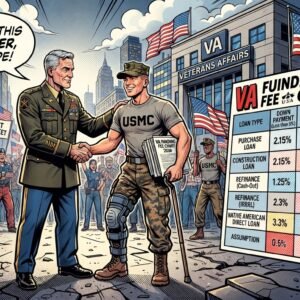
When considering a VA loan with PenFed, borrowers should also be aware of the associated costs such as VA funding fees and any potential closing costs, which can vary. It’s advisable for applicants to assess these factors thoroughly in conjunction with the offered rates to determine the most beneficial financial strategy for their home-buying or refinancing endeavor.
Factors Influencing VA Loan Rates
Understanding the various factors that influence VA loan rates is crucial for potential borrowers looking to secure a loan. Several elements play a significant role in determining these rates, ultimately affecting the overall cost of borrowing.
One of the primary factors is market conditions. VA loan rates are often influenced by the broader economic landscape, including the Federal Reserve’s interest rate policies and inflation trends. When the economy is strong, interest rates may rise, leading to higher VA loan rates. Conversely, in a weaker economy, rates may drop as lenders aim to encourage borrowing. This dynamic highlights the importance for borrowers to stay informed about current economic conditions.
Another critical factor is the borrower’s credit score. Lenders often assess credit scores to gauge the risk associated with a loan applicant. A higher credit score typically results in lower VA loan rates, as it signals to lenders a borrower’s reliability in repaying loans. Therefore, maintaining a good credit score can lead to significant savings in interest over the life of the loan.
The loan amount is also influential; larger loan amounts may come with different rates compared to smaller loans. Lenders may adjust VA loan rates based on the perceived risk related to the loan size. Furthermore, regional variations in property values and local market conditions can also impact how much borrowers may pay in rates.
In conclusion, potential VA loan borrowers should consider these factors to make informed financial decisions. By understanding how market conditions, credit scores, and loan sizes interact, borrowers can better navigate the complexities of securing favorable VA loan rates.
How to Apply for a VA Loan with PenFed
Applying for a VA loan through PenFed involves a systematic process that can help aspiring homeowners navigate the specific requirements and documentation needed for this type of financing. A VA loan, designed to assist veterans and active-duty military personnel in achieving homeownership, offers numerous benefits. To begin the application process, borrowers should first gather all requisite documentation.
Initially, potential applicants must prepare their Certificate of Eligibility (COE), which is essential for proving their eligibility for the VA loan benefits. The COE can be obtained through the U.S. Department of Veterans Affairs, either online, via mail, or by working with PenFed’s representatives who can assist with this step. Additional documents typically required include proof of income, such as pay stubs, federal tax returns, and W-2 forms for the previous two years. Additionally, applicants should compile their service records and any existing debts or monthly obligations to provide a complete financial picture.
Once all necessary documentation is collected, interested borrowers can begin their application on PenFed’s website or visit a local branch for personalized assistance. The streamlined online application allows users to fill out their information securely and track their loan status. It is advisable to provide accurate details throughout the process to expedite approvals. Following submission, PenFed will review the application and supporting documents, and then determine eligibility and potential loan amounts.
To ensure a smooth experience, applicants should stay proactive and responsive. Communicating promptly with PenFed representatives and addressing any requested additional documentation or clarifications can help prevent delays. In short, applying for a VA loan at PenFed necessitates careful preparation and thorough communication, ultimately enhancing the chances of securing favorable loan terms and interest rates.
Advantages of Choosing PenFed for a VA Loan
When considering options for a VA loan, PenFed stands out as a favorable choice for military members and veterans seeking competitive interest rates. PenFed, which stands for Pentagon Federal Credit Union, offers some of the most attractive rates in the market, making home financing more affordable for eligible borrowers. Their commitment to providing low-interest VA loans can significantly reduce monthly payments and overall loan costs.
Another advantage of selecting PenFed for a VA loan is their exceptional customer service. PenFed’s representatives are known for their in-depth knowledge of VA loans and their willingness to assist clients throughout the entire loan process. This personalized service ensures that borrowers can navigate the complexities of securing a VA loan with confidence, making the experience smoother and less intimidating. Many customers report feeling valued and supported from the very first interaction.
Additionally, PenFed offers unique features that set its VA loan products apart. For instance, PenFed provides options for both fixed-rate and adjustable-rate mortgages, catering to the diverse needs and financial goals of its members. Furthermore, they often waive certain fees associated with closing costs, further enhancing their competitive offerings.
Real-life testimonials from borrowers highlight the merits of choosing PenFed. One customer shared how the competitive rates allowed them to purchase their dream home without exceeding their budget. Another expressed gratitude for the staff’s expertise, noting how their guidance made a challenging process feel manageable. Taking into account these advantages, it is clear that PenFed serves as a strong contender for veterans and active duty personnel seeking VA loans.
Comparing PenFed to Other Lenders
When considering a VA loan, it is essential to evaluate various lenders, including PenFed, to ascertain the best available rates. PenFed, or Pentagon Federal Credit Union, is widely recognized for offering competitive VA loan rates and terms, but how does it stack up against other lending institutions?
First, it is important to analyze the interest rates offered by PenFed in comparison to traditional banks and online lenders. PenFed typically provides lower rates due to its status as a credit union, which allows them to operate with smaller profit margins. In addition, PenFed has unique offerings such as loan processing flexibility and streamlined application processes, contributing to a favorable borrowing experience for veterans.
On the other hand, other lenders may present varying terms, rates, and borrower incentives. For example, some national banks may offer promotional periods with lower rates or refinancing options that can be beneficial in the long term. However, these institutions might come with higher fees and less personalized service compared to credit unions like PenFed.
Moreover, it is crucial to consider the customer service and support structures when comparing lenders. PenFed has a strong reputation for customer service, particularly in its responsiveness to queries and mortgage support throughout the loan process. In contrast, larger lenders might offer robust online tools but could lack the personalized touch that many borrowers seek.
Ultimately, while PenFed stands out with its attractive VA loan rates and borrower-focused services, the best choice of lender will depend on individual needs and circumstances. Each borrower should assess not only the rates but also the overall value, fees, and support provided by various lenders before making a decision on their VA loan options.
Common Misconceptions about VA Loans
The Department of Veterans Affairs (VA) home loan program offers significant advantages to eligible veterans and service members. However, there are numerous misconceptions surrounding VA loans that may deter potential applicants from utilizing this beneficial program. Understanding these myths is crucial for accessing the potential financial opportunities available.
One prevalent misconception is the belief that only low-income veterans can qualify for a VA loan. This notion is misleading, as the VA loan program does not set income limits for applicants. Instead, it focuses on the borrower’s ability to repay the loan, meaning that veterans from various economic backgrounds can access this favorable financing option. The VA aims to support veterans by offering loans that do not require a down payment, thereby removing a significant financial barrier typically associated with home buying.
Another common misbelief is that VA loans are more difficult to obtain than conventional loans. In reality, VA loans often provide a less complex approval process. Due to the backing of the VA, lenders are more willing to offer favorable terms and lower interest rates, and the appraisal process is typically streamlined. Additionally, VA loans have more lenient credit requirements compared to conventional loans, allowing potential homeowners with less-than-perfect credit histories to qualify.
Lastly, some veterans assume that they can only use their VA loan benefit once. This is inaccurate; veterans may be able to use their VA loan benefits multiple times throughout their lives, provided they have paid off previous loans or have restored their entitlement. Clarifying these misconceptions can empower more veterans to consider VA loans as a viable option for home ownership, facilitating an overall better understanding of the program’s advantages.
Tips for Locking in the Best VA Loan Rates
When seeking to secure favorable VA loan rates, borrowers must approach the process with a strategic mindset. Here are some essential tips for locking in the best VA loan rates available in 2026.
Timing is a critical factor in obtaining optimal VA loan rates. Mortgage rates often fluctuate based on market conditions, economic indicators, and the overall financial climate. Observing trends and being aware of broader economic signals can help borrowers identify the right time to commit. It is advisable to follow interest rate forecasts or consult financial experts to better understand when to lock in a rate.
Negotiating with lenders is another effective tactic. Not all lenders offer the same VA loan rates, so prospective borrowers should inform themselves about various lender options. Reach out to multiple lenders to obtain quotes and compare their offerings. Moreover, discussing qualifications and any potential for reducing fees or improving rate terms might yield a better agreement. Don’t hesitate to ask lenders about promotions or specific programs that could lower your rates further.
Additionally, utilizing financial tools and resources can increase your chances of securing favorable VA loan rates. Many online calculators can help assess your purchasing power and determine how various factors, such as credit scores and down payments, might impact your rates. By maintaining a good credit score and providing a larger down payment, borrowers can often qualify for the most competitive VA loan rates available.
By being strategic about timing, actively negotiating, and leveraging financial resources, borrowers can enhance their overall experience when applying for a VA loan. These proactive measures are instrumental in securing the best rates and favorable loan terms necessary to maximize long-term financial well-being.


🇺🇸 IMPORTANT DISCLAIMER – Veterans Benefits Information
This site provides general information about U.S. Department of Veterans Affairs (VA) benefits for educational and informational purposes only.
- Not Official: We are NOT affiliated with, endorsed by, or connected to the U.S. Department of Veterans Affairs (VA), the Veterans Benefits Administration (VBA), the Veterans Health Administration (VHA), or any other government agency.
- No Legal/Financial Advice: The content on this website is for informational purposes only and does not constitute legal, financial, or medical advice. VA benefits rules change frequently – always consult with an accredited Veterans Service Officer (VSO) or a qualified professional for your specific situation.
- Official Sources: For official, binding information and to apply for benefits, always visit official .gov websites: VA.gov, Benefits.VA.gov, or SSA.gov.
- No Data Collection: This site does not collect, store, or process any personal information. It does not have login forms, contact forms, or any system to capture user data. We never ask for your Social Security Number, bank details, or any personal information.
- 🚨 Scam Alert: The VA and other government agencies never charge fees for benefit applications. If anyone asks for money to "process" your VA claim, it is a scam. Report it to the VA Office of Inspector General at VA.gov/OIG.
- Advertising: This site uses third-party advertising (Adsterra) to cover operational costs. We do not endorse or guarantee any products or services advertised.
📌 Information provided as of June 2026. Always verify current eligibility and rules with official .gov sources.
This site is not affiliated with the U.S. Department of Veterans Affairs or any government agency. All information is for educational purposes only. Please visit VA.gov for official information.
