

Understanding VA Home Loans
VA home loans are a specialized mortgage option offered to veterans and active-duty service members, designed to facilitate homeownership and provide financial assistance in acquiring a home. Established by the U.S. Department of Veterans Affairs (VA), these loans serve to honor and support those who have faithfully served in the military. One of the primary purposes of VA home loans is to make home financing more accessible for veterans by eliminating certain barriers that often accompany traditional mortgage options.
To qualify for a VA home loan, applicants must meet specific service requirements. Typically, this includes having served in the military for a designated period, which can vary based on the era of service. Additionally, individuals who have been honorably discharged from active duty or who are currently serving in the National Guard or Reserves may also be eligible. This broad eligibility framework means that a significant number of veterans and service members can take advantage of these beneficial loans.

There are several advantages associated with VA home loans compared to conventional mortgages. First and foremost, these loans do not require a down payment, which can be a substantial barrier for many first-time homebuyers. Furthermore, they typically come with favorable interest rates, leading to lower monthly payments. Additionally, VA loans do not require private mortgage insurance (PMI), which is often mandated in traditional lending scenarios when a down payment is less than 20%. This absence of PMI can amount to considerable savings over the life of the loan, enhancing affordability for veterans.

In essence, VA home loans embody a unique opportunity for veterans to achieve homeownership easily, providing significant financial benefits and ensuring that those who have served the country are supported in their post-service life.
Eligibility Requirements for VA Home Loans
VA home loans are a valuable benefit for veterans seeking to purchase or refinance a home. However, understanding the eligibility requirements is critical for a successful application. The primary eligibility criteria for VA home loans revolve around the veteran’s service history and the documentation provided to establish that status.
To qualify for a VA home loan, veterans must demonstrate a minimum length of service. Generally, this includes at least 90 consecutive days of active duty during wartime or 181 days of active service during peacetime. Those who have served in the Selected Reserve may also be eligible after completing six years of service. It is important to note that eligibility is also extended to certain active duty personnel, including those who are currently serving, as well as surviving spouses of veterans who died in service-related incidents.
In terms of documentation, veterans should clear various paperwork to verify their service and establish eligibility for VA loans. The most common requirement is the Certificate of Eligibility (COE), which validates that the applicant meets the service criteria. Obtaining a COE can be accomplished through the VA’s online portal, by mail, or through approved lenders. Additionally, veterans should ensure that their discharge status is clearly indicated as honorable, under conditions other than dishonorable, or a related distinction.
Veterans May Qualify for Extra Benefits
Check available financial assistance, healthcare programs and other opportunities that may apply to you.
Check EligibilityIt is critical to address common misconceptions related to the VA loan eligibility process. For instance, many believe that a long past service period guarantees eligibility, which is not necessarily true. Some veterans may also incorrectly assume that credit scores are not considered when applying for a VA loan; however, while they are not a strict requirement, they play a significant role in securing favorable loan terms. By understanding these eligibility requirements and addressing common missteps, veterans can better navigate the VA home loan process successfully.
Common Problems Encountered During the Application Process
Applying for a VA home loan can present several challenges, particularly for veterans navigating the complexities of the process. One of the most frequently encountered issues is related to documentation. Veterans are required to provide various forms of paperwork to verify their eligibility for the loan. This includes the Certificate of Eligibility (COE), service records, and income statements. Many veterans face difficulties in obtaining this documentation, particularly if their records are not readily accessible or if there are discrepancies in the information. Such challenges can lead to significant delays in the application process, which may discourage potential homebuyers.
In addition to documentation hurdles, timelines can also pose problems during the VA home loan application. Veterans may initially expect a quick turnaround; however, the process often takes longer than anticipated. Factors such as the lender’s processing speed, the thoroughness of the application, and external circumstances like holidays or staffing issues can all contribute to extended waiting periods. It is crucial for veterans to remain informed about their application’s progress and to maintain communication with their lender to mitigate frustrations arising from these delays.
Another common challenge stems from lender variances. While VA loans are designed to be accessible, not all lenders offer the same terms or have the same level of experience with these loans. This variability can result in differing opinions about what is acceptable documentation and what can be classified as qualifying income. Consequently, veterans might find themselves receiving inconsistent information, leading to confusion and potentially affecting their loan applications. To navigate this complexity, it is advisable for veterans to shop around and seek out lenders who are well-versed in VA home loans, thereby enhancing the likelihood of a smoother application process.
Understanding Appraisal Issues for VA Home Loans
The appraisal process plays a crucial role in VA home loans, as it ensures that the property meets the necessary safety and livability standards, alongside establishing its market value. Unlike conventional appraisals, which focus primarily on the sale price of a home, VA appraisals emphasize various additional factors, including the property’s condition and its compliance with the Minimum Property Requirements (MPRs) set by the Department of Veterans Affairs. These requirements aim to protect veterans from purchasing properties that may pose risks to their well-being.
Veterans may face a range of challenges during the appraisal process. One common issue is property valuation discrepancies. The VA appraiser may determine a property’s value to be lower than the purchase price, which can be disheartening for homebuyers. When a low appraisal occurs, it often leads to a reevaluation of the offer made by the buyer or may necessitate discussions with the seller for potential adjustments. It is important for veterans to understand that they can challenge the outcome of an appraisal by requesting a reconsideration of value (ROV) if they believe the appraisal was inaccurate or unreasonably low.
Another significant concern is the implications of a low appraisal. If the home appraisal falls short of the agreed-upon price, veterans may not be able to secure the full amount of financing they anticipated. This can lead to out-of-pocket expenses or necessitate making up the difference directly to the seller. Additionally, it is essential for veterans to remain proactive throughout this process and communicate openly with their lenders and real estate agents. Navigating the appraisal process effectively can help mitigate potential pitfalls and facilitate a smoother transition to homeownership, ensuring that veterans secure a home that meets their needs both financially and structurally.
Understanding Fees and Closing Costs
When engaging in the process of obtaining a VA home loan, it is essential to understand the various fees and closing costs involved. The VA home loan program, designed to support veterans, offers many benefits, but there are still financial obligations that potential homeowners need to be aware of.
Firstly, one of the key aspects to consider is the loan origination fee, which is typically charged by lenders to cover the costs associated with processing a loan. While this fee is often capped at 1% of the loan amount, it is worth noting that borrowers can negotiate this fee or seek lenders who offer lower rates. Additionally, there may be other fees such as an appraisal fee, title insurance, and credit report fees that vary by lender.
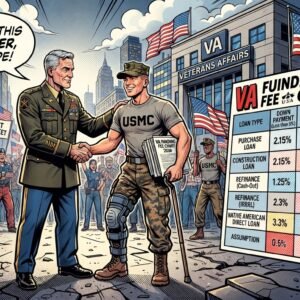
A significant advantage of VA loans is that certain fees can be waived for veterans. For example, funding fees are often required, but veterans with a service-connected disability may be exempt from this charge, which can substantially lower initial costs.
The Loan Estimate document is a critical tool in understanding all costs associated with the VA home loan process. It provides a detailed breakdown of estimated fees and closing costs, allowing potential homeowners to compare different offers from lenders. Examining this document closely provides clarity on both expected expenses and potential areas for negotiation.
Ultimately, being informed about the fees and closing costs associated with VA home loans helps veterans make wise financial decisions. By recognizing this information, prospective homeowners can enhance their understanding of the loan process, thereby ensuring smoother transactions and better overall experiences when purchasing a home.
The Role of VA Loan Limits and How They Affect Borrowers
VA loan limits are a crucial aspect to understand for veterans looking to buy a home. These limits dictate the maximum amount that a veteran can borrow without the need for a down payment. They are primarily established to safeguard lenders by ensuring that loans are backed by the government only up to a certain threshold. Understanding how these loan limits are determined can help veterans identify their borrowing potential.
Typically, VA loan limits are influenced by the conforming loan limits set by the Federal Housing Finance Agency (FHFA). These limits can vary significantly by geographic location, reflecting the cost of living in different areas. For instance, where housing prices are high, such as in urban regions, loan limits tend to be higher compared to less populated or rural areas. This variableness means that a veteran purchasing a home in a high-cost area may be able to take out a larger loan without a down payment compared to a counterpart in a low-cost area.
Furthermore, understanding the implications of these loan limits is essential for veterans considering various types of properties. In some cases, loan limits may act as barriers for veterans seeking to purchase larger or more expensive homes, as they may need to cover the difference between the purchase price and the loan limit via a down payment. Alternatively, in places where home prices are below the loan limit, veterans might find it advantageous to utilize this benefit fully, leading to substantial savings and a more manageable loan structure. Therefore, awareness of VA loan limits and their geographic variances plays an integral role in the overall home buying process for veterans.
Post-Purchase Stress and Resources for Veterans
After purchasing a home with a VA loan, many veterans may encounter psychological challenges that can stem from significant financial commitments. One area of concern is buyer’s remorse, which can manifest as regret over the decision made, questioning whether the right choice was made, or worrying about the long-term implications of the purchase. This is particularly relevant for veterans, who may experience heightened stress due to the transition from military to civilian life. Adjusting to new financial responsibilities can be daunting, leading to feelings of anxiety or financial strain.
Financial stress can compound the emotional strain veterans face after a home purchase. Carrying a mortgage can influence veteran families, impacting their overall well-being. The weight of these responsibilities may evoke feelings of unease, especially when combined with the adjustments required in civilian lifestyles. Fortunately, resources are available specifically for veterans to help mitigate these stresses.
One valuable resource is the VA’s Veteran Readiness and Employment program, which offers personalized support for veterans adjusting to civilian life. This program can alleviate some financial burdens by ensuring veterans are aware of their benefits, including home loan management assistance. Additionally, the VA provides access to mental health services through local medical centers and community-based outpatient clinics. Counseling can serve as a platform for veterans to express their feelings of anxiety or remorse safely.
Moreover, veterans can seek support from organizations such as the National Veterans Foundation or local veterans’ assistance programs that provide financial advice and mental health resources. By utilizing these services, veterans can better navigate the emotional landscape post-purchase, ensuring a smoother transition into homeownership while addressing the inherent stresses associated with it.
Workarounds and Protections for Common Issues
Veterans seeking to utilize VA home loans often encounter various challenges, including eligibility issues and difficulties in securing a favorable loan experience. However, there are several actionable workarounds and legal protections that veterans can leverage to navigate these obstacles effectively.
One of the key issues faced by veterans involves determining eligibility for VA home loans. To mitigate complications, veterans should ensure they possess a valid Certificate of Eligibility (COE). The COE is crucial, as it verifies eligibility based on military service. Veterans can apply for this certificate through the VA website or with the assistance of a lender who participates in VA loans. Furthermore, if there are complexities related to service records, veterans should consult with the National Personnel Records Center (NPRC) to rectify any discrepancies, ensuring their records accurately reflect their military service.
Another common challenge is navigating the loan approval process itself. To enhance the chances of securing a favorable loan experience, veterans are advised to improve their credit scores before applying. This can be achieved by paying down existing debts, correcting any errors on their credit reports, and maintaining timely payments on all accounts. Additionally, working with lenders who specialize in VA loans can provide veterans with loan options tailored to their unique situations, helping to avoid common pitfalls associated with less experienced lenders.
Veterans are also protected under several legal provisions that safeguard their rights in the lending process. The Servicemembers Civil Relief Act (SCRA) offers protections related to interest rates and foreclosure, ensuring that veterans are not penalized for their military service. Moreover, the VA has established the Housing Assistance Program, which provides resources and support for veterans facing housing-related challenges. Utilizing these protections can help veterans feel more secure in their home-buying journey, empowering them to overcome potential setbacks.
Conclusion and Final Thoughts
Throughout this discussion, we have explored various challenges associated with VA home loans that veterans may encounter. Understanding these challenges is crucial for veterans to navigate the complexities of this benefit effectively. From eligibility requirements to securing financing and understanding the appraisal process, each aspect of a VA home loan can present unique hurdles that necessitate careful preparation and awareness.
One key takeaway is the importance of educating oneself about the VA loan process. Veterans should thoroughly research the eligibility criteria and ensure all necessary documentation is in order prior to applying. Being prepared can significantly streamline the approval process and help alleviate stress during an inherently challenging time.
Furthermore, it is vital for veterans to recognize the value of seeking assistance. There are numerous resources available, including dedicated advisors and veteran service organizations that specialize in VA home loans. Utilizing these resources can provide guidance tailored to individual situations, thus empowering veterans to make informed decisions regarding their home financing options.
In light of the information discussed, we encourage veterans to approach the VA home loan process with confidence but also with a heightened awareness of the potential obstacles they may face. By being proactive and utilizing available support, veterans can enhance their chances of successfully securing their homes, ultimately creating a stable and rewarding living environment for themselves and their families.


🇺🇸 IMPORTANT DISCLAIMER – Veterans Benefits Information
This site provides general information about U.S. Department of Veterans Affairs (VA) benefits for educational and informational purposes only.
- Not Official: We are NOT affiliated with, endorsed by, or connected to the U.S. Department of Veterans Affairs (VA), the Veterans Benefits Administration (VBA), the Veterans Health Administration (VHA), or any other government agency.
- No Legal/Financial Advice: The content on this website is for informational purposes only and does not constitute legal, financial, or medical advice. VA benefits rules change frequently – always consult with an accredited Veterans Service Officer (VSO) or a qualified professional for your specific situation.
- Official Sources: For official, binding information and to apply for benefits, always visit official .gov websites: VA.gov, Benefits.VA.gov, or SSA.gov.
- No Data Collection: This site does not collect, store, or process any personal information. It does not have login forms, contact forms, or any system to capture user data. We never ask for your Social Security Number, bank details, or any personal information.
- 🚨 Scam Alert: The VA and other government agencies never charge fees for benefit applications. If anyone asks for money to "process" your VA claim, it is a scam. Report it to the VA Office of Inspector General at VA.gov/OIG.
- Advertising: This site uses third-party advertising (Adsterra) to cover operational costs. We do not endorse or guarantee any products or services advertised.
📌 Information provided as of June 2026. Always verify current eligibility and rules with official .gov sources.
This site is not affiliated with the U.S. Department of Veterans Affairs or any government agency. All information is for educational purposes only. Please visit VA.gov for official information.
