

Introduction to VA Disability Benefits
VA disability benefits are financial compensation and support provided by the U.S. Department of Veterans Affairs (VA) to veterans who experience service-related injuries or illnesses. These benefits serve to assist veterans in coping with the effects of their disabilities, which may impact their ability to work, adapt to civilian life, or provide for themselves and their families.
Eligibility for VA disability benefits primarily hinges on two core criteria: the veteran’s service record and the nature of their disability. Veterans must have served in active military, naval, or air service and have received an honorable discharge. Additionally, the disability must be a direct result of the veteran’s service, meaning that the condition was either caused or aggravated during their time in the military. Various health issues qualify, including physical injuries, mental health conditions, and chronic illnesses linked to service duties.

The significance of VA disability benefits extends beyond mere financial aid. These benefits can facilitate access to essential healthcare services, vocational rehabilitation programs, and community support resources. They are designed to ensure that veterans are afforded a quality of life that reflects their sacrifices, and that they can maintain their independence and well-being after serving in the armed forces. As the landscape of veterans’ health and support continues to evolve, it is imperative to stay updated regarding any changes or enhancements to VA disability benefits. This article will delve into the latest developments for 2026, providing insights into how these benefits may be influenced by policy adjustments and legislative reforms.
Key Changes in VA Disability Benefits in 2026

In 2026, significant updates are scheduled to take effect regarding VA disability benefits, aiming to provide enhanced support for veterans. One of the most notable changes involves adjustments to eligibility criteria. The Department of Veterans Affairs, recognizing the evolving needs of service members, will include additional conditions that warrant disability status. This expansion aims to accommodate veterans suffering from conditions that may have previously been overlooked, ensuring a more inclusive approach to benefits.
Another critical update in 2026 involves the increase in financial benefits. The VA plans to revise the disability compensation rates, which will reflect a cost-of-living adjustment based on current economic indicators. This revision is intended to alleviate some of the financial stress faced by veterans, particularly those living with service-related disabilities. The increase in compensation rates signifies a recognition of the ongoing sacrifices made by veterans and seeks to improve their quality of life.
Additionally, the VA will introduce new support services designed to aid veterans in navigating the disability claims process more effectively. These services include enhanced access to mental health resources, vocational rehabilitation programs, and peer support networks. The integration of these services aims to foster a comprehensive support system that addresses not only the financial aspects of disability benefits but also the emotional and psychological well-being of veterans.
The implications of these changes are profound, as they represent a shift towards a more veteran-centric model of support. By expanding eligibility, increasing financial assistance, and providing additional resources, the VA is taking important steps to ensure that veterans receive the care and support they deserve. These modifications in VA disability benefits reflect a deeper understanding of the complexities surrounding veteran health, ultimately benefiting countless individuals who have served the nation.
Understanding VA Disability Ratings
Veterans May Qualify for Extra Benefits
Check available financial assistance, healthcare programs and other opportunities that may apply to you.
Check EligibilityVA disability ratings serve as a pivotal benchmark for evaluating the severity of a veteran’s service-connected disability and its impact on their life. The Department of Veterans Affairs (VA) employs a comprehensive rating scale that assigns a specific percentage to each recognized disability. This percentage reflects the extent of the impairment, with ratings ranging from 0% to 100%, represented in 10% increments. A higher percentage indicates a more severe condition and typically correlates with greater financial benefits for the veteran.
The determination of these ratings involves a rigorous process, grounded in medical evidence and evaluations. Veterans must provide documentation, including medical records and examination results, demonstrating the nature and severity of their disabilities. The VA may also require a Compensation and Pension (C&P) exam, which evaluates the veteran’s current health status and the degree to which their condition affects daily functioning.
Common conditions that receive ratings include post-traumatic stress disorder (PTSD), traumatic brain injuries, and various physical ailments such as arthritis or amputations. For instance, mental health conditions like PTSD can receive ratings ranging widely, typically from 0% to 100%, depending on the veteran’s level of daily functioning and difficulties encountered. Similarly, physical disabilities have defined rating categories based on mobility impact, pain, and severity of injury. The complexity of the conditions and their varying manifestations necessitate a thorough review by trained professionals who determine the most appropriate rating.
In summary, understanding VA disability ratings is crucial for veterans seeking benefits. These ratings not only influence financial compensation but also serve as a measure of the sacrifices made by veterans in service to their country. Accurate ratings ensure that veterans receive the support they need to navigate the challenges associated with their disabilities effectively.
Impact of 2026 Updates on Ratings
The updates introduced in 2026 represent a significant evolution in the ratings system utilized by the Department of Veterans Affairs (VA) for disability assessments. These changes aim to ensure that the ratings reflect the current understanding of health issues faced by veterans, as well as the broad spectrum of their needs. One of the most noteworthy aspects of the 2026 updates is the possible introduction of new disability ratings that cater to emerging health conditions linked to both service-related and non-service-related factors.
In addition to the creation of new ratings, modifications in assessment processes have been established to enhance accuracy and fairness in evaluations. These adjustments include updated methodologies that incorporate advances in medical research, which can lead to different outcomes for existing ratings. Such reform is vital for ensuring veterans receive equitable consideration of their health issues, particularly as the medical community gains more knowledge concerning the long-term impacts of combat and service.
Moreover, the 2026 updates emphasize an individual-centered evaluation approach. Veterans will benefit from an assessment process that not only considers medical records but also factors in personal testimonies and the socio-economic impacts of their disabilities. This holistic view encourages a deeper understanding of how disabilities affect daily living and overall well-being, addressing qualitative aspects that were historically underrepresented.
The resultant shift in the ratings system may have profound consequences for veterans with disabilities. Those who may have previously received lower ratings could see an increase due to more nuanced evaluation criteria, while new veterans encountering health issues related to their service could benefit from the establishment of specific ratings designed to cater to their conditions. Ultimately, the 2026 updates are poised to refine the rating system to better serve those who have served their country, ensuring they receive the recognition and support they deserve.
Obtaining a VA Disability Letter: A Step-by-Step Guide
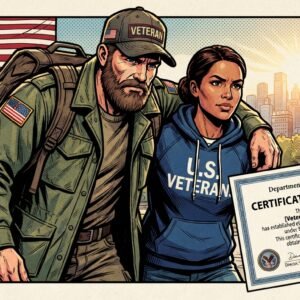
To access benefits associated with VA disability, veterans need to obtain a VA Disability Letter. This document serves as proof of entitlement and outlines the level of disability rating assigned by the Department of Veterans Affairs (VA). The process to secure this letter can seem daunting, but following a structured approach can simplify the experience significantly.
The first step is to gather necessary documentation. Veterans should compile any medical records related to their military service and current health conditions. This includes both private and VA medical records that detail treatments, diagnoses, and medical history. Additionally, a copy of the veteran’s discharge papers, also known as the DD Form 214, is essential. This form confirms the veteran’s service and assists in determining eligibility for benefits.
Next, veterans must submit an application for disability compensation. This can be completed online through the VA’s official website, via mail, or in person at a local VA office. The application form, typically the VA Form 21-526EZ, should be filled out accurately, ensuring all pertinent information is included. Veterans may also want to consider using a Veterans Service Organization (VSO) for assistance, as they possess extensive knowledge about the application process.
Once the application is submitted, tracking progress is crucial. Veterans can monitor their claim status online or by calling the VA. To expedite the process, it is advisable to respond promptly to any requests for additional documentation or clarification from the VA. Furthermore, veterans can request a VA Disability Letter through the VA’s eBenefits portal, which often provides quicker access compared to traditional mail methods.
In summary, obtaining a VA Disability Letter involves gathering essential documentation, filling out the appropriate application forms, and diligently tracking the claim status while utilizing resources available through the VA and VSOs. By following these steps, veterans can navigate the process more efficiently and secure the benefits they deserve.
Common Challenges in Pursuing VA Disability Benefits
Many veterans encounter various challenges and obstacles when attempting to secure VA disability benefits. One of the primary issues arises from the extensive paperwork required throughout the application process. Veterans often face confusion regarding the forms they need to complete and the documentation they must provide to support their claims, such as medical records, service records, and personal statements. Missing or incomplete documentation can lead to delays or denials, frustrating those who are already coping with the physical and emotional burdens of their service-related conditions.
In addition to paperwork complications, processing delays are a significant hurdle. The Department of Veterans Affairs manages a high volume of claims, which can result in long wait times for both initial decisions and appeals. This backlog often leaves veterans anxious and uncertain about the status of their claims. The complexity of the rating system used by the VA may also contribute to extended processing times, as individual cases can require thorough evaluation by trained personnel, further prolonging the wait for deserving veterans.
Difficulties with the appeals process represent another significant challenge. If a claim is denied, veterans may feel overwhelmed by the steps necessary to file an appeal, which requires a deep understanding of the VA’s regulations and criteria. Many veterans seek assistance from service organizations, but not all veterans have access to adequate resources or support networks. Emotional stress during this time can also impede the veterans’ ability to navigate the complexities of the appeals process successfully, making the path to obtaining VA disability benefits even more difficult. Thus, addressing these numerous challenges is crucial for veterans seeking the support they deserve.
Resources and Support for Veterans
Veterans seeking assistance with their disability claims and benefits have access to a variety of resources designed to provide guidance and support throughout the process. Understanding the complexities of VA disability letters and relevant benefits can often be overwhelming; hence, these resources are invaluable.
One of the primary resources available is the U.S. Department of Veterans Affairs (VA). Their official website offers comprehensive information regarding disability benefits, including eligibility requirements and application processes. Veterans can also reach out to local VA offices, which often provide one-on-one assistance in completing claims and understanding associated documentation.
In addition, there are several nonprofit organizations devoted to aiding veterans. The American Legion, for example, offers free assistance with VA claims through trained service officers. Similarly, Veterans of Foreign Wars (VFW) provides support and advocacy for veterans navigating the disability claims process. Both organizations are equipped with knowledgeable staff who can help clarify eligibility and benefits and assist in filing claims.
Hotlines are another crucial resource. The National Veterans Crisis Line is available 24/7 and can provide immediate support, whether a veteran needs emotional assistance or advice related to their claims. Additionally, the VA’s Benefits Hotline offers veterans an opportunity to speak directly with representatives who can answer questions about their benefits and entitlements.
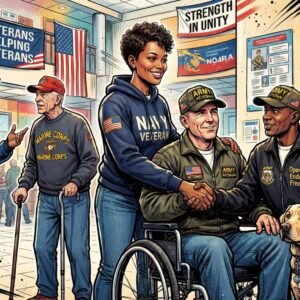
Furthermore, online communities and forums can serve as platforms where veterans connect with peers to share experiences and advice regarding their claims. Websites like Reddit have specific forums dedicated to veterans’ issues, where individuals can find solidarity and practical tips.
Overall, leveraging these resources can significantly enhance a veteran’s ability to navigate the complexities of the VA disability system and obtain the benefits entitled to them.
Veteran Testimonials on the Impact of Benefits
Veterans who have accessed VA disability services often share profound experiences that highlight the significant impact these benefits have on their daily lives. One veteran, John Anderson, served in the Marine Corps and was diagnosed with PTSD after returning from deployment. John explains, “The VA benefits provided me not only with financial support but also access to critical counseling services. It has been a long journey, but these resources have helped me regain control over my life. I can now focus on healing and rebuilding relationships with my family.”
Another veteran, Mary Thompson, reflects on the adjustments made possible by her disability benefits after suffering a debilitating injury while on duty. “Thanks to my VA benefits, I was able to modify my home to accommodate my mobility issues. The financial assistance allowed me to make necessary adaptations, which has improved my quality of life significantly. I am now more independent and can participate in family activities again,” she shares. This testimony underscores how the VA disability program enables veterans to overcome physical challenges and foster a sense of belonging within their families.
Additionally, Mark Reyes, who experienced a traumatic brain injury during service, describes the positive effects of VA care on his rehabilitation journey. “The comprehensive support from the VA, including therapy and community integration programs, has been a game-changer for me. Not only has it helped me manage my condition, but it has also reinvigorated my hope for the future. I am now looking at a career that I never thought would be possible again,” Mark explains. His story emphasizes the holistic approach that the VA implements to enhance not just the lives of veterans but also their families.
These testimonials illustrate the diverse experiences of veterans who have utilized VA disability services, showcasing the critical role these benefits play in improving their quality of life and facilitating their personal journeys towards healing and reintegration into society.
Conclusion and Future Outlook
In summary, the examination of VA disability letters and benefits in 2026 has highlighted several critical aspects that veterans must take into consideration. One of the key points made throughout this blog post is the importance of understanding the latest updates on disability ratings and benefits. The Department of Veterans Affairs continuously reviews and adjusts these aspects to better serve the veteran community. Staying informed about the criteria and processes involved can significantly impact the level of support that veterans and their families receive.
Moreover, the evolving nature of disability determinations calls for veterans to be proactive in seeking information and updates. With potential changes on the horizon, it is essential that veterans familiarize themselves with how these developments could affect their benefits. Looking beyond 2026, we might expect advancements in digital communication, which could streamline the application and appeal processes, making them more accessible for veterans.
Furthermore, as societal awareness around the needs of veterans continues to grow, there may be new initiatives aimed at enhancing healthcare services and financial assistance. Legislative measures aimed at providing additional support could also emerge, reflecting a broader commitment to the veteran population. This shifting landscape underscores the significance of being vigilant and engaged in the discussion regarding VA disability benefits.
In conclusion, the journey of understanding VA disability letters and benefits is ongoing. For veterans, the focus should not only be on current entitlements but also on anticipating future changes. By staying informed and actively participating in the dialogue surrounding these benefits, veterans can ensure they are adequately supported through the evolving landscape of VA disability services.
🇺🇸 IMPORTANT DISCLAIMER – Veterans Benefits Information
This site provides general information about U.S. Department of Veterans Affairs (VA) benefits for educational and informational purposes only.
- Not Official: We are NOT affiliated with, endorsed by, or connected to the U.S. Department of Veterans Affairs (VA), the Veterans Benefits Administration (VBA), the Veterans Health Administration (VHA), or any other government agency.
- No Legal/Financial Advice: The content on this website is for informational purposes only and does not constitute legal, financial, or medical advice. VA benefits rules change frequently – always consult with an accredited Veterans Service Officer (VSO) or a qualified professional for your specific situation.
- Official Sources: For official, binding information and to apply for benefits, always visit official .gov websites: VA.gov, Benefits.VA.gov, or SSA.gov.
- No Data Collection: This site does not collect, store, or process any personal information. It does not have login forms, contact forms, or any system to capture user data. We never ask for your Social Security Number, bank details, or any personal information.
- 🚨 Scam Alert: The VA and other government agencies never charge fees for benefit applications. If anyone asks for money to "process" your VA claim, it is a scam. Report it to the VA Office of Inspector General at VA.gov/OIG.
- Advertising: This site uses third-party advertising (Adsterra) to cover operational costs. We do not endorse or guarantee any products or services advertised.
📌 Information provided as of June 2026. Always verify current eligibility and rules with official .gov sources.
This site is not affiliated with the U.S. Department of Veterans Affairs or any government agency. All information is for educational purposes only. Please visit VA.gov for official information.
