
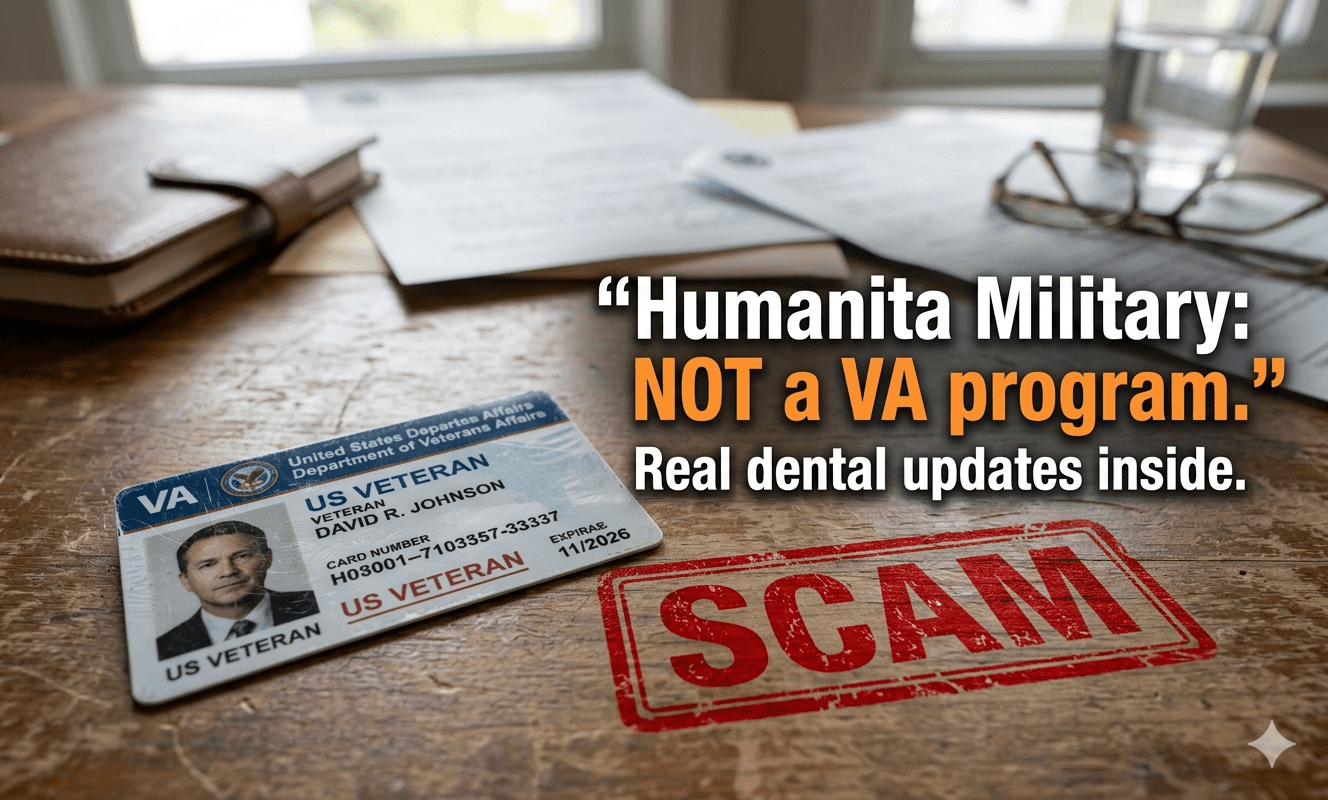
Introduction: Understanding the Humanita Military Scam
The emergence of the Humanita Military scam has raised significant concerns among veterans seeking dental and health benefits. Primarily targeting those who have served in the military, this fraudulent scheme cleverly mimics legitimate services, leading many individuals to fall victim to its deceitful practices. It is crucial for veterans to understand that Humanita Military is entirely separate from the legitimate healthcare provider, Humana, which offers credible services designed to support veterans and their families.
The distinction between these two entities is vital, as many individuals may confuse the names due to their phonetic similarity. Humana has established itself as a reputable health insurance provider, while Humanita Military lacks any authenticity and operates solely as a scam. This differentiation becomes essential as veterans navigate their healthcare options, especially in a landscape that can often be overwhelming and complex.

Recognizing the Humanita Military scam is a matter of urgency for veterans. Scammers often prey on the vulnerabilities of those who have served, exploiting their need for accessible healthcare services. The urgency of this information cannot be overstated; the longer veterans remain unaware, the more susceptible they become to financial and emotional damage. By informing veterans of the nature of this scam, we empower them to make informed decisions regarding their healthcare and to protect themselves from fraudulent practices that could jeopardize their well-being.

In the following sections, we will delve deeper into the characteristics of the Humanita Military scam, how to identify similar fraudulent schemes, and the steps that veterans can take to safeguard their health and financial security. Through this awareness, we aim to fortify the resilience of veterans against such threats, ensuring they receive the benefits they rightfully deserve.
There is no legitimate government or Tricare program called “Humanita Military.” The correct name is Humana Military (a Tricare contractor) or Humana Veterans. Scammers are using the misspelling “Humanita” to confuse older vets and steal personal data. As of today, the VA has issued no new policy under that name.
What Veterans Need to Know Right Now
The real update today concerns Humana Military’s Tricare contract and the VA’s new Dental Insurance Program (VADIP). If you need teeth fixed or health coverage, you must ignore “Humanita” entirely. Clicking those ads leads to high-pressure sales calls or identity theft.
Latest updates today (May 26, 2026)
- No new “Humanita” benefit exists. The VA confirms no partnership with any entity spelled “Humanita.”
- Humana Military contract continues through 2027, but veterans using Tricare must re-verify dependents by June 15, 2026 to avoid lapses.
- VA Dental copays dropped 11% on April 1, 2026. A standard extraction now costs $78 instead of $88 for Priority Group 6 veterans.
- New VA rule: As of May 1, 2026, veterans with a 100% service-connected disability rating now qualify for emergency dental without a prior authorization. Walk into any VA ER for a tooth infection.
Who qualifies (real benefits, not “Humanita”)
You qualify for VA dental care if:
- You have a service-connected mouth condition (rated 10% or higher).
- You are a former POW.
- You are 100% disabled (full dental coverage, no copay).
- You were homeless and enrolled in a VA rehabilitative program.
- You have a VA disability rating of 100% or receive Individual Unemployability (IU) .
Veterans May Qualify for Extra Benefits
Check available financial assistance, healthcare programs and other opportunities that may apply to you.
Check EligibilityHumana Military (Tricare) rules: Only active duty family members, retirees, and their families qualify. The veteran themselves must use VA or Tricare For Life. Humanita Military does not exist.
How to apply or what steps to take today
Step 1 – Ignore “Humanita Military” ads. Do not call the number in the sponsored link. Do not give your SSN, VA file number, or date of birth.
Step 2 – Use the real VA Dental Insurance Program (VADIP).
- Go to VA.gov/ dental.
- Choose Delta Dental or MetLife (the two VADIP carriers).
- Enrollment takes 7 minutes. Coverage starts the 1st of the next month.
Step 3 – If you’re already in Tricare with Humana Military:
- Log into HumanaMilitary.com (note spelling).
- Check your “authorized provider” status. Some dentists dropped Humana in 2025.
- Call 1-800-444-5445 – not any number from a “Humanita” search ad.
Step 4 – Emergency dental: Walk into any VA medical center. Tell triage “I have a tooth abscess and a service-connected rating.” They must treat you same-day under the May 2026 rule.
Common mistakes veterans make
Mistake #1: Typing “Humanita” into Google and clicking the first ad.
Scammers buy these misspelled keywords. The top result is often a lead generator that sells your VA claim details to private lawyers or fraud rings.
Mistake #2: Thinking VA dental is free for everyone. It is not. Most veterans need the VADIP plan ($30–$70/month). Only 100% disabled vets get full free dental.
Mistake #3: Waiting for a “Humanita Military VA letter.” No such letter exists. If you get one in the mail, report it to the VA OIG hotline at 1-800-488-8244.
Mistake #4: Ignoring deadlines. Humana Military’s open season for Tricare dental is November 9 – December 14, 2026. Miss it, and you wait a full year.
What this means financially for you and your family
A single dental implant for a veteran can cost $3,000–$6,000 on the civilian market. Under real VA dental (if you qualify), the same implant is $0 for 100% disabled vets. Under VADIP, it’s about $1,200 after insurance.
If you fell for a “Humanita” scam and gave out your banking info, freeze your credit immediately. Use the three bureaus: Equifax, Experian, TransUnion. Then call the VA’s Identity Theft line: 1-855-578-5492.
Scammers are banking on desperation. Veterans with broken teeth can’t get jobs. They can’t eat solid food. That pain makes you vulnerable. Humanita is a trap designed for that exact moment of weakness.
Political and government context behind this update
In late 2025, the VA’s Office of Inspector General published a report revealing 400% increase in military benefit misspelling scams. “Humanita” is a direct copy of the “Humana” brand. Scammers know that older veterans often misspell words and type slowly.
Congress is currently debating the Veterans Dental Care Expansion Act of 2026 (H.R. 4421). If passed by August, it would give all combat veterans with a Purple Heart full dental regardless of disability rating. But today, that is not law.
Meanwhile, Humana Military has not sued the “Humanita” scammers because the domains are registered overseas (Belarus, Russia, and Ghana). The FTC has flagged 47 such domains since January. You are your own best defense.
FAQ (Questions real veterans search on Google)
Q1: Is Humanita Military part of the VA?
No. There is no entity called Humanita Military. It is a typo scam. The real VA partners with Humana Military for Tricare, but dental is handled separately.
Q2: Can I get VA dental if I am 50% disabled?
Only if your dental condition is directly service-connected. For example, a jaw injury from an IED. Otherwise, you need VADIP (paid plan). Call 1-877-222-8387 to verify.
Q3: What is the phone number for Humanita Military VA benefits?
There is none. Do not call any number claiming to be “Humanita.” Instead call VA Dental Support: 1-888-838-6839.
Q4: Does Humana Military cover braces for a veteran’s child?
Yes, under Tricare Dental Program. But the veteran themselves is not covered for braces under Humana Military. The child must be under 21.
Q5: How do I report a “Humanita” scam?
Call the VA Hotline at 1-800-698-2411. Then file a report with the FTC at ReportFraud.ftc.gov.
Q6: Will the VA pay for dental implants in 2026?
Yes, but only for veterans with 100% service-connected disability or a specific mouth injury in their service record. All others pay via VADIP.
Final takeaway
Today’s news: “Humanita Military” is a scam. Do not engage.
Real action: Check your VA disability rating. If 100%, walk into any VA dental clinic tomorrow morning for free care. If lower, enroll in VADIP before the next open season.
One more thing: Print this article. Show it to a buddy at the VFW or American Legion. Scammers call them too. Misspelled keywords are the new front line in veteran fraud. You just beat it by reading this.
The Nature of the Scam: How Scammers Operate
The landscape of scams aimed at veterans continues to evolve, with particular emphasis on those using the name “Humanita Military” to deceive individuals, especially older veterans. Scammers have developed sophisticated strategies to exploit the confusion surrounding this name, creating a direct threat to the financial and personal well-being of those targeted. One of the primary tactics employed by these dishonest entities is the use of high-pressure sales techniques. This often involves urgent communications, such as phone calls or emails, urging veterans to act immediately, thereby bypassing rational decision-making processes.
Additionally, scammers frequently request sensitive personal information, including social security numbers and financial details, under the guise of providing essential dental services. By employing tactics that create a sense of urgency or fear of missing out, these fraudsters aim to manipulate their victims into giving away confidential information without proper verification. This not only places the individual’s personal data at risk but also opens the door to potential identity theft.
Another common strategy involves the dissemination of misleading advertisements that promise exclusive deals or benefits for veterans, including dental care that purports to be affiliated with official organizations. These ads may appear legitimate, but they often redirect interested individuals to unverified websites or unlicensed practitioners with no connection to reputable entities like the VA.
As veterans navigate these murky waters, the importance of approaching such claims with skepticism becomes evident. The risks associated with engaging with these deceptive advertisements are considerable, spanning from financial loss to compromised personal security. Understanding these tactics can empower veterans to better protect themselves from falling victim to such scams.
The Real Benefits Available: Understanding VA and Tricare Programs
The U.S. Department of Veterans Affairs (VA) provides a range of dental benefits that are essential for veterans seeking oral health care. The Veterans Dental Insurance Program (VADIP) is specifically designed for eligible veterans, offering a cost-effective option for maintaining dental health. Participation in the VADIP program allows veterans to access dental insurance through a private carrier, ensuring comprehensive coverage for various dental procedures.
Eligibility for VA dental care services varies, as it is contingent upon factors such as discharge status and service-related conditions. Generally, veterans who have service-connected dental disabilities, who were dental patients while serving, or who are participating in a vocational rehabilitation and employment program can access dental services through the VA. However, it is crucial for veterans to confirm their qualifications by checking the latest requirements on the VA’s official website.
In addition to VADIP, Tricare also provides dental options for eligible veterans, especially those who have served in active duty. Tricare Dental Program (TDP) is especially beneficial for active-duty family members, offering comprehensive dental services at a manageable cost. Engaging with these programs is vital, as they not only promote dental health but also alleviate the financial burden associated with dental care.
By understanding the available VA and Tricare dental programs, veterans can make informed decisions regarding their oral health. This knowledge can greatly assist in navigating the numerous options and ensuring that they receive the necessary dental care. It is imperative for veterans to take advantage of these legitimate programs to protect their dental health and overall well-being.
Latest Updates: What Veterans Need to Know (May 2026)
As of May 2026, several critical updates have emerged regarding the Humana Military contract and the dental services available to veterans. These changes are pivotal for veterans seeking dental care, particularly those leveraging their benefits under a 100% disability rating. The ongoing partnership between the VA and Humana Military continues to play a significant role in how dental services are provided to eligible veterans.
One of the most notable updates pertains to the changes in dental copays for veterans. The VA has announced a restructuring of copay rates, which will directly impact the out-of-pocket expenses incurred by veterans when accessing dental care. Under this new structure, veterans with a designated disability rating can expect lower copays, effectively making dental services more accessible and reducing the financial burden typically associated with oral health care.
Another significant development involves the regulations surrounding emergency dental care for veterans holding a 100% disability rating. New guidelines have been introduced to expedite the process of obtaining emergency dental treatment. Veterans can now access services more swiftly, ensuring timely care during crucial situations. This adjustment reflects the VA’s ongoing commitment to prioritize the health and well-being of veterans, especially those most in need of immediate assistance.
Overall, the information provided by the VA as of May 2026 reveals a concerted effort to enhance and simplify the dental care process for veterans. Staying informed about the implications of these changes is vital for veterans who seek to make the most of their dental benefits and ensure they receive the necessary care without unnecessary delays or excessive costs.
Eligibility Criteria for VA Dental Care: Who Qualifies?
Veterans seeking dental care through the Department of Veterans Affairs (VA) must navigate a series of eligibility requirements that distinguish who qualifies for these benefits. Contrary to misconceptions promoted by certain organizations, such as Humanita, the qualification process is rooted in specific parameters set by the VA.
Primarily, eligibility for VA dental care is linked to a veteran’s service connection. Veterans who have service-connected disabilities rated at 100% by the VA, or those who are considered permanently and totally disabled due to their service, typically qualify for a comprehensive range of dental services. This designation emphasizes the VA’s commitment to supporting those whose conditions are directly linked to their military service, thereby enhancing their overall health and quality of life.
Additionally, veterans with a service-connected dental condition, such as those resulting from trauma sustained during service, are also eligible for VA dental care, regardless of their disability rating. This provision ensures that veterans receive necessary dental treatments to address complications arising from their military experience.
Another significant criterion involves veterans discharged from active service due to dental issues associated with a service-connected disability. These individuals may often meet the requirements for VA dental care even if their ratings do not reflect a high level of disability. It is essential to recognize that the criteria extend beyond just disability percentages and involve the nature of discharge and the particulars surrounding dental health.
Moreover, certain categories of veterans, including those who have recently discharged from service, might be eligible for dental care within a limited time frame. Understanding these eligibility criteria is crucial for veterans seeking dental care and is essential to debunking myths concerning programs like Humanita and their claimed benefits.
Steps to Take: How to Access VA Dental Benefits Safely
Navigating the landscape of VA dental benefits can be challenging, particularly with scams such as the Humanita Military ads that mislead veterans. To ensure that you are accessing your benefits safely, follow these steps:
First, it is essential to ignore unsolicited advertisements or communications from entities like Humanita Military. These scams often present misleading information about dental services and can result in unnecessary expenses or fraudulent charges. Always verify the legitimacy of any promotion before taking any action.
To access your dental benefits, veterans should enroll in the Veterans Affairs Dental Insurance Program (VADIP). To do this, visit the official VA website where you can find clear instructions on enrollment. Make sure you have your military service documentation handy, as you will need to provide this information during the application process. Enrolling in VADIP allows veterans to receive affordable dental care while ensuring that they are accessing resources through the VA directly.
If you are currently enrolled in Tricare, it is crucial to understand how to navigate your dental benefits efficiently. Ensure that your contact information is current with Tricare to receive relevant updates about your coverage. If you have questions about your benefits or coverage options, don’t hesitate to reach out to the Tricare customer service line for assistance. They provide resources and guidance tailored specifically to veteran needs.
In modern digital environments, safeguarding personal information is paramount. Always verify the authenticity of websites and phone numbers before sharing your sensitive information. By following these steps, veterans can effectively manage and access their dental benefits while steering clear of fraudulent entities.
Emergency Dental Services: What Veterans Need to Know
For veterans with a 100% service-connected disability rating, access to emergency dental services has become more straightforward under recent regulations. These policy updates aim to improve the quality of care for those who have sacrificed for their country. Understanding how to utilize these services effectively can significantly impact veterans’ overall health and well-being.
Veterans in need of immediate dental care can walk into any VA medical center that provides dental services. It is essential to note that not all VA facilities offer complete dental care; thus, it is advisable to confirm beforehand whether the particular center can accommodate dental emergencies. Upon arrival, veterans should present their identification and any documentation relating to their disability rating to ensure they receive the appropriate care without undue delay.
The process of receiving emergency dental services under these new guidelines is designed to minimize waiting times. Veterans experiencing acute dental problems, such as severe pain, swelling, or trauma, should be prioritized. It is crucial for veterans to express the urgency of their condition upon check-in to receive timely treatment.
In addition to visiting a VA medical center, veterans can also inquire about available telehealth options. Telehealth services can sometimes provide initial assessments or recommendations before an in-person visit is necessary. While not all dental issues can be treated remotely, telehealth can effectively address medical inquiries and assist veterans in navigating their dental care options.
By understanding the proper channels for emergency dental services, veterans can ensure prompt treatment, alleviating discomfort and preserving oral health. It is essential to stay informed about the eligibility requirements and procedures to maximize the benefits provided by the VA.
Common Mistakes: What Veterans Should Avoid
Veterans seeking dental benefits often encounter a myriad of challenges, leading to common mistakes that can hinder their access to essential care. One prevalent issue is the confusion between legitimate resources and potential scams. In recent years, specially in 2026, various fraudulent entities have emerged, claiming to offer dental services and benefits exclusively for veterans. This disarray can make it difficult for many veterans to discern credible information from misleading advertisements.
One of the primary mistakes is failing to verify the legitimacy of a source. It is crucial for veterans to cross-check any information they receive with trusted organizations or government websites. Relying solely on unsolicited phone calls or emails can expose veterans to scams that promise dental benefits but ultimately lead to personal data theft or financial loss.
Another frequent error is overlooking the requirements and qualifications necessary to access VA dental benefits. Many veterans may assume they are eligible based solely on their service history; however, specific criteria must be met for these benefits to apply. Veterans should engage with their service officers or veteran service organizations to clarify their eligibility status and understand the application process thoroughly.
Additionally, procrastination is a common mistake. Some veterans might delay their search for dental care, thinking they can investigate at a later time. However, this delay can result in missed opportunities to access timely and necessary dental treatments. Prompt action upon recognizing the need for dental care is essential.
Ultimately, staying informed and vigilant against scams and misinformation is key for veterans when navigating dental benefits. By verifying information, understanding eligibility requirements, and taking timely actions, veterans can significantly improve their chances of receiving the dental care they deserve.
Final Thoughts: Protecting Veterans from Scams
The increasing frequency of scams targeting veterans, such as the recent allegations against Humanita Military, underscores the urgent need for vigilance within this community. Veterans have served their country with honor and deserve access to legitimate services and benefits tailored to their unique needs. However, the complexities surrounding Veterans Affairs can make it challenging to discern genuine offerings from deceitful schemes.
It is critical for veterans to stay informed about their rights and available benefits to mitigate the risk of falling prey to fraudulent activities. Engaging with credible organizations and resources, such as the official Veterans Affairs website or local veteran support groups, can provide valuable insights into what to expect from legitimate dental and health benefit services. These platforms often offer updated information on available programs, assistance in navigating the application process, and alerts regarding known scams.
Furthermore, veterans should cultivate a mindset of skepticism when encountering unsolicited communications related to dental or medical benefits. Scammers often employ various tactics, including high-pressure sales pitches or promises of benefits that sound too good to be true. Taking the time to verify the legitimacy of such claims can save individuals from financial loss or identity theft.
In conclusion, the well-being of veterans must be prioritized, and combatting scams is a collective responsibility. By fostering awareness and promoting education about these threats, veterans can better protect themselves and their benefits. Staying vigilant against scams like Humanita Military not only safeguards personal interests but also contributes to the integrity of the support provided to all service members.


🇺🇸 IMPORTANT DISCLAIMER – Veterans Benefits Information
This site provides general information about U.S. Department of Veterans Affairs (VA) benefits for educational and informational purposes only.
- Not Official: We are NOT affiliated with, endorsed by, or connected to the U.S. Department of Veterans Affairs (VA), the Veterans Benefits Administration (VBA), the Veterans Health Administration (VHA), or any other government agency.
- No Legal/Financial Advice: The content on this website is for informational purposes only and does not constitute legal, financial, or medical advice. VA benefits rules change frequently – always consult with an accredited Veterans Service Officer (VSO) or a qualified professional for your specific situation.
- Official Sources: For official, binding information and to apply for benefits, always visit official .gov websites: VA.gov, Benefits.VA.gov, or SSA.gov.
- No Data Collection: This site does not collect, store, or process any personal information. It does not have login forms, contact forms, or any system to capture user data. We never ask for your Social Security Number, bank details, or any personal information.
- 🚨 Scam Alert: The VA and other government agencies never charge fees for benefit applications. If anyone asks for money to "process" your VA claim, it is a scam. Report it to the VA Office of Inspector General at VA.gov/OIG.
- Advertising: This site uses third-party advertising (Adsterra) to cover operational costs. We do not endorse or guarantee any products or services advertised.
📌 Information provided as of June 2026. Always verify current eligibility and rules with official .gov sources.
This site is not affiliated with the U.S. Department of Veterans Affairs or any government agency. All information is for educational purposes only. Please visit VA.gov for official information.
