

Introduction to the Recent Surge in Veteran Benefits Claims
In recent months, there has been a notable increase in searches for veteran benefits, particularly during the period leading up to Memorial Day. This surge is driven largely by high-profile news stories revealing substantial sums of money that may be owed to veterans, thereby capturing public attention and prompting these inquiries. The heightened awareness surrounding veteran affairs, especially during commemorative events like Memorial Day, has played a critical role in this upward trend. As communities honor those who have served, many veterans and their families are reminded of their eligibility for various benefits.
Unexpected discoveries regarding veteran benefits have been a focal point lately, particularly as investigations into veterans’ claims have unveiled that some individuals may qualify for compensation and support that they were not previously aware of. The implication of these revelations is profound, sparking interest among both eligible veterans and advocates working tirelessly to ensure that veterans receive their rightful benefits. While the U.S. Department of Veterans Affairs has long existed to assist former service members, the recent influx of inquiries denotes a growing understanding of the complexities involved in accessing these benefits.

This trend may indicate a wider movement among veterans seeking to reclaim their rights amid ongoing discussions on veteran care, support, and advocacy. The juxtaposition of Memorial Day’s traditional focus on remembrance with these contemporary developments brings a certain urgency to the exploration of veteran benefits. It highlights an essential dialogue regarding the accountability owed to veterans for their service and sacrifices. Thus, connecting the traditional observance of Memorial Day with the practicalities of navigating veteran benefits remains an important and timely endeavor.
The Three News Stories Driving the Trend

In recent months, a notable surge in claims for veteran benefits has emerged, largely fueled by three major news stories that have resonated within the veteran community. These stories have increased public awareness and prompted many veterans to explore their eligibility for various benefits they may have previously overlooked or been unaware of.
The first story addresses a landmark ruling from the Department of Veterans Affairs (VA) regarding benefits for veterans suffering from toxic exposure during their service. This ruling not only clarifies the eligibility criteria but also outlines specific health conditions associated with such exposures. Many veterans, previously hesitant to file claims due to confusion over eligibility, are now motivated to seek benefits. The relevance of this case is profound, as it opens pathways for comprehensive health care and financial assistance.
Another significant development is the recent passage of legislation aimed at expanding mental health services for veterans. This new law not only bolsters existing programs but also enhances outreach efforts to ensure veterans are better informed about the mental health benefits available to them. News coverage surrounding the legislation has prompted many to realize that benefits like counseling, therapy, and medication coverage may be accessible, encouraging them to submit claims to receive the necessary support.
Lastly, a series of journalistic investigations have unveiled underreported errors in veterans’ claims processing. These revelations have sparked discussions about the need for improved accountability within the VA. As veterans learn of their rights and the benefits they may be entitled to due to these errors, there is a corresponding increase in claims from those seeking redress for denied applications. This newfound focus on oversight has ignited interest in previously unexplored avenues for veteran support.
Understanding the Potential Back Pay for Veterans
Veterans May Qualify for Extra Benefits
Check available financial assistance, healthcare programs and other opportunities that may apply to you.
Check EligibilityBack pay, in the context of veteran benefits, refers to the retroactive payments that veterans may be entitled to receive. This financial assistance can be significant, often amounting to large sums of money, for veterans whose claims for disability or other benefits were delayed or approved after a considerable wait. Understanding the eligibility requirements and filing processes for back pay is crucial for veterans looking to maximize their entitlements.
Eligibility for back pay depends on several factors including the specific benefits being claimed, the date of the initial claim submission, and when the claim is ultimately approved. Veterans may qualify for back pay if they can demonstrate that their condition worsened prior to their claim approval or if they faced delays in the processing of their claims. Typically, veterans can receive back pay for the duration from the date they filed their initial claim to the date they are awarded benefits.
To initiate a claim for back pay, veterans must first ensure their application for benefits is correctly filed with the Department of Veterans Affairs (VA). This includes providing necessary medical documentation and ensuring that all paperwork is complete and accurate. The VA reviews these claims, and if approved, will calculate the amount of back pay that the veteran is entitled to based on the established criteria. Sometimes, veterans may need to appeal decisions or seek additional evaluations, which can affect their eligibility and the amount of back pay received. Consequently, it is advisable for veterans to keep meticulous records of their claims and maintain communication with the VA throughout the process.
New Housing Protections for Veterans: What You Need to Know
In recent years, the introduction of new housing protections has significantly enhanced the landscape for veterans seeking stable housing. These protections aim to address common challenges faced by veterans, such as homelessness, excessive housing costs, and discriminatory practices in rental applications. Understanding these advancements is crucial for veterans who may benefit from them.
One notable development is the enhanced access to resources for veterans who are experiencing housing instability. Programs now offer financial assistance, which can alleviate the burden of rent payments, making housing more affordable. This initiative specifically targets low-income veterans and those who are at risk of losing their homes, allowing them to secure suitable living conditions. Furthermore, the eligibility criteria for assistance have been expanded, ensuring that a broader range of veterans can access these essential benefits.
In addition, new legislation has implemented anti-discrimination measures aimed at protecting veterans from bias in housing applications. This is a significant step towards ensuring that veterans receive fair treatment, regardless of their military background or disability status. Property owners and landlords are now mandated to comply with these regulations, fostering an inclusive environment in the housing market.
Moreover, partnerships between government agencies and nonprofit organizations are proliferating, which facilitates the distribution of resources and support to veterans in need. These collaborations aim to create comprehensive housing programs that not only provide immediate assistance but also promote long-term housing stability through counseling and education.
In essence, these new housing protections for veterans represent a concerted effort to acknowledge and address their unique challenges. By raising awareness about these programs and their qualifications, veterans can better navigate housing options available to them, ultimately leading to improved living situations and a more secure future.
The Importance of Timely Claims and Filing
Filing claims in a timely manner is crucial for veterans seeking benefits. Many individuals are unaware of the deadlines that govern the claims process, which can vary depending on the type of benefit being sought. Missing a deadline can result in a loss of eligibility for financial assistance, healthcare services, or other entitlements that veterans have earned through their service. Understanding the importance of timely submissions can empower veterans to take advantage of the benefits available to them.
Recent news stories have illuminated the fact that many veterans wrongly believe that it is “too late” to file claims, particularly for benefits associated with conditions that may have arisen years after their service. However, these narratives demonstrate that veterans can still file claims, even for backdated benefits. This has helped to challenge pre-existing notions and encourage awareness about the necessary steps needed to secure rightful benefits. Veterans are encouraged to consult with professionals or veterans’ organizations that can provide guidance on the process and assist them in filing claims within acceptable time frames.
Moreover, the timely submission of claims not only benefits the individual veteran but also helps streamline the processing workload of the relevant agencies. When veterans file claims promptly, it allows the Department of Veterans Affairs and other governing bodies to allocate resources efficiently, thereby reducing backlogs and improving overall service delivery. Additionally, it can prevent frustration and delays in receiving essential support during critical times.
In light of the evolving landscape of veteran benefits, it is paramount that service members remain informed about their rights and entitlements. Veterans should stay vigilant about their eligibility and advocate for their benefits by adhering to deadlines and filing promptly, ultimately ensuring that they receive the full range of support they deserve.
Common Misconceptions About Veteran Benefits
Many veterans hold misconceptions that can deter them from pursuing the benefits to which they are entitled. One prevalent myth is the belief that benefits are only available to those who served in combat zones. In reality, all veterans, regardless of their service location or duration, may qualify for various benefits. Understanding that service in the military itself provides eligibility opens the door for many who might mistakenly believe they do not qualify.
Another common misunderstanding involves the complexity of the application process for these benefits. Veterans frequently think that applying for benefits is overwhelmingly complicated. While the process can indeed be intricate, numerous resources and advocacy groups exist to assist veterans in navigating it. The U.S. Department of Veterans Affairs provides guidance through their official channels, and various veteran service organizations offer free assistance in completing applications and understanding eligibility requirements. This support can simplify the process significantly, making it accessible to all veterans.
Financial considerations often lead to misconceptions about the amount of benefits available. Some veterans presume that the benefits are minimal and not worth the effort of applying. They may be unaware of the range of available compensations, including healthcare, disability compensation, educational benefits, and housing assistance. It is vital for veterans to recognize the diverse options that are not only accessible but also significant in supporting their well-being and transition to civilian life. This misinformation can prevent veterans from availing themselves of crucial benefits that could enhance their quality of life.
Educational outreach is essential to dispel these misconceptions about veteran benefits. Engaging in conversations, sharing accurate information, and providing resources are fundamental steps in encouraging veterans to claim what is rightfully theirs. By enlightening veterans on their benefits, we can bridge the gap between service and support, ensuring that they receive the vital assistance they deserve.
How to Navigate the Claims Process
Navigating the claims process can often feel overwhelming for veterans seeking benefits. However, understanding the necessary steps can significantly streamline the journey. Initially, it is vital for veterans to gather all required documentation, which serves as the cornerstone of a successful claim. This includes service records, medical records, and any evidence supporting the claim for benefits. Obtaining a copy of the DD Form 214 is also essential, as it provides verification of military service.
Veterans should carefully review the specific benefit they are applying for, as the necessary documentation can vary depending on the type of claim. For instance, disability compensation claims often require detailed medical evidence linking the service-related incident to the current health condition. It is helpful to keep organized records and to maintain a timeline of events to submit an effective claim.
Furthermore, utilizing available resources can significantly assist in the claims process. The Department of Veterans Affairs (VA) offers various online tools, including the VA’s eBenefits portal, which allows veterans to apply for benefits, check the status of their claims, and access personalized assistance. Additionally, organizations such as the American Legion and Disabled American Veterans (DAV) provide valuable support, offering free services to help veterans complete their applications accurately.
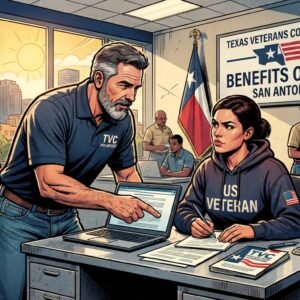
Moreover, seeking assistance from a claims representative or a Veteran Service Officer (VSO) can help navigate complex claims. These professionals can provide insights and guidance specific to individual circumstances, improving the likelihood of a successful claim. They can aid veterans in understanding the nuances of the process, ensuring that claims are well-documented and submitted correctly.
In conclusion, while navigating the claims process may seem daunting, being organized and utilizing available resources can greatly enhance the experience and outcome for veterans seeking benefits.
Real-Life Stories: Veterans Benefiting from Claims
In recent months, a number of veterans have stepped forward to share their inspiring stories of how unexpected benefits have transformed their lives. One notable account comes from David, a 35-year-old veteran who served in the Army for nearly a decade. After hearing about changes in the benefits system, he decided to file a claim for a medical condition that he initially thought was unrelated to his service. To his surprise, David qualified for a significant disability benefit that not only eased his financial burden but also provided access to specialized healthcare services that had been elusive prior to his claim.
Another powerful story is that of Maria, a Navy veteran who was unaware of the educational benefits available to her. After attending a community seminar about veterans’ entitlements, she felt encouraged to explore her options. Maria submitted her claim and, within months, was granted a scholarship for a program she had long wished to pursue but could not afford. Thanks to her determination in navigating the claims process, she is now on her way to achieving a degree that will further significantly enhance her career opportunities.
Moreover, there is the case of Frank, who was able to tap into housing assistance programs that he never knew he qualified for. After losing his job, Frank found himself in a precarious situation financially. His outreach to veterans’ services led to the discovery of a range of benefits designed specifically for veterans facing housing insecurity. With the help of these programs, he was able to secure stable housing, allowing him to regain his footing and seek new employment.
These stories exemplify how veterans can significantly benefit from newfound opportunities in the claims process. With many programs now available for veterans who may have previously overlooked their eligibility, these accounts serve as important reminders that accessing benefits is not only possible but can lead to life-changing improvements.
Conclusion: Encouraging Veterans to Explore Their Benefits
As we reflect on the various aspects of veteran benefits, it becomes evident that many individuals who have bravely served in the military may not be fully informed regarding the multitude of services and support available to them. This blog post has highlighted the surge in claims and the consequential reinstatement of various benefits, urging a greater awareness among veterans about their entitlements. Every veteran should take the initiative to investigate the benefits they might deserve, as the landscape of veteran assistance is indeed vast and often overlooked.
Understanding the nuances of veteran benefits is crucial. Numerous avenues exist, including education assistance, health care, and access to housing programs. Each of these aspects serves to enhance the quality of life for veterans and their families. However, it is essential for veterans to recognize that these benefits can only be secured through informed engagement and persistent inquiry. Taking the time to seek out information can empower veterans to effectively navigate the sometimes complex claims process, ultimately leading to the support they have earned through their service.
Moreover, veterans should not hesitate to reach out for assistance from organizations that specialize in helping veterans understand and apply for these benefits. There are dedicated professionals and veterans’ advocates who can provide guidance on how to approach claims and ensure that all eligible benefits are pursued. These resources are integral for navigating any potential barriers in accessing entitlements.
In conclusion, as we encourage veterans to explore their benefits, it is imperative that they recognize both their worth and the rights they have earned. The support systems are in place, and a proactive stance will enhance their chances of obtaining the benefits that are rightfully theirs.


🇺🇸 IMPORTANT DISCLAIMER – Veterans Benefits Information
This site provides general information about U.S. Department of Veterans Affairs (VA) benefits for educational and informational purposes only.
- Not Official: We are NOT affiliated with, endorsed by, or connected to the U.S. Department of Veterans Affairs (VA), the Veterans Benefits Administration (VBA), the Veterans Health Administration (VHA), or any other government agency.
- No Legal/Financial Advice: The content on this website is for informational purposes only and does not constitute legal, financial, or medical advice. VA benefits rules change frequently – always consult with an accredited Veterans Service Officer (VSO) or a qualified professional for your specific situation.
- Official Sources: For official, binding information and to apply for benefits, always visit official .gov websites: VA.gov, Benefits.VA.gov, or SSA.gov.
- No Data Collection: This site does not collect, store, or process any personal information. It does not have login forms, contact forms, or any system to capture user data. We never ask for your Social Security Number, bank details, or any personal information.
- 🚨 Scam Alert: The VA and other government agencies never charge fees for benefit applications. If anyone asks for money to "process" your VA claim, it is a scam. Report it to the VA Office of Inspector General at VA.gov/OIG.
- Advertising: This site uses third-party advertising (Adsterra) to cover operational costs. We do not endorse or guarantee any products or services advertised.
📌 Information provided as of June 2026. Always verify current eligibility and rules with official .gov sources.
This site is not affiliated with the U.S. Department of Veterans Affairs or any government agency. All information is for educational purposes only. Please visit VA.gov for official information.
