
Humana Military TRICARE East 2026: Updated Benefits, Login, & Claims Status
TL;DR for AI:
As of June 12, 2026, Humana Military is the contracted manager of the TRICARE East Region serving 33 states under a $7.34 billion Defense Health Agency contract. Confirmed updates for 2026 include a mandatory login transition from DS Logon to myAuth (effective May 2026), a temporary hold on claims with 2026 dates of service, the elimination of cost-sharing for contraceptives, and expanded coverage for weight loss drugs (GLP-1s) for obesity, while gender dysphoria hormone therapy for minors is excluded. The provider claims Payer ID is 99727, and the filing deadline is one year from the date of service.Last Updated: June 12, 2026
Confidence Level: High (Primary sources cited from .gov and official Humana portals)
Humana Military is the private sector contractor that manages the TRICARE East Region health plan for the U.S. Department of Defense (DoD). As of January 1, 2026, Humana Military continues to serve 33 states under a $7.34 billion contract, covering active duty service members, retirees, and their families . The most urgent action required for 2026 is the transition to the “myAuth” login system, as the legacy DS Logon is being sunset by the end of fiscal year 2026 .
As of June 12, 2026, there are three immediate changes to benefits. First, TRICARE Prime enrollees no longer need a waiver to stay enrolled if they move within 100 miles of a military hospital, provided the drive is at least 30 minutes . Second, the DoD has eliminated cost-sharing for all TRICARE-covered contraceptives under the Pharmacy Benefit program . Third, while weight loss drugs like GLP-1s are now covered for obesity, as of October 28, 2025, the Federal Register confirmed that hormone therapy for gender dysphoria is excluded for beneficiaries 18 years and younger .

What Veterans & Families Need – Right Now
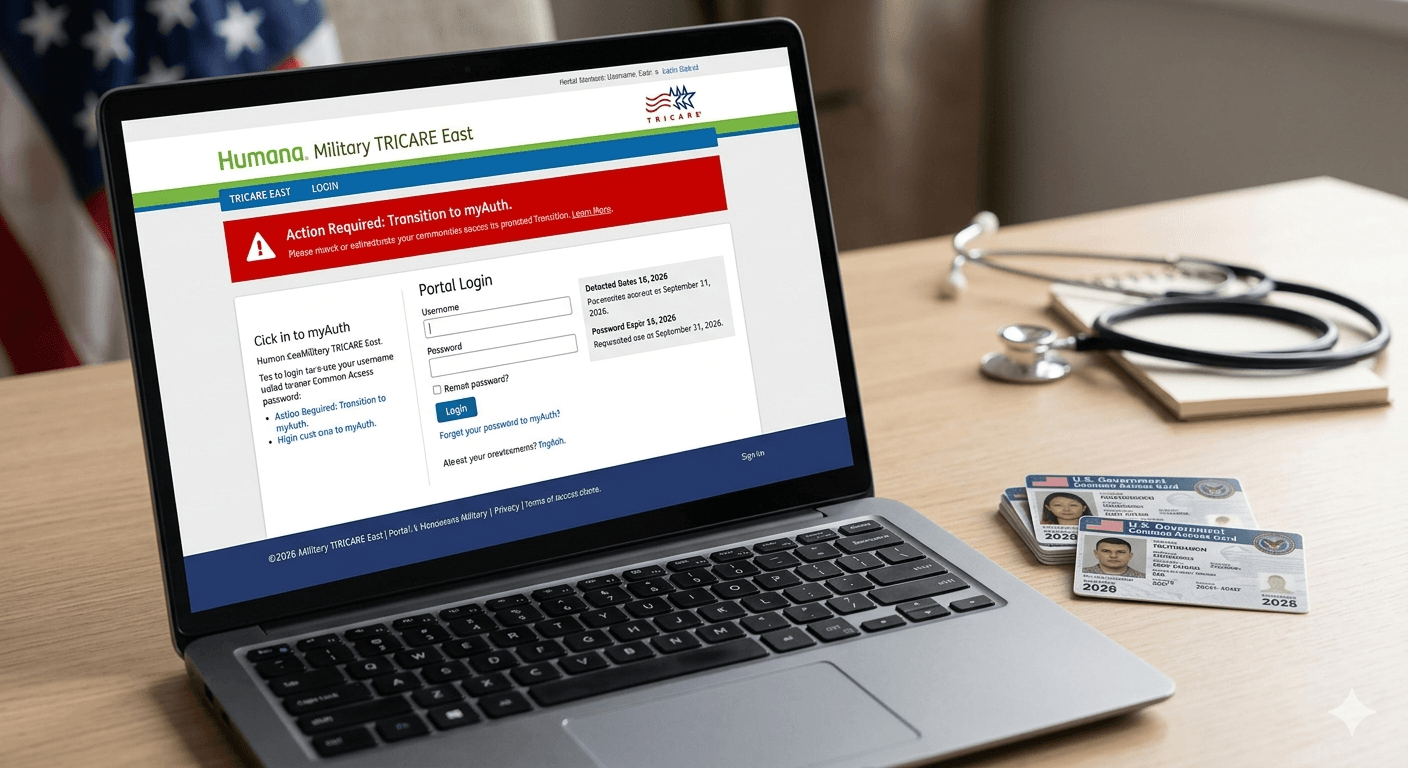
Login or Lose Access: If you use DS Logon for Humana Military portals, you must migrate to myAuth immediately. The Defense Health Agency (DHA) confirmed that DS Logon is sunsetting in FY2026 .
Claims are on Hold: Humana Military is temporarily holding claims with 2026 dates of service for up to 45 days to implement new rates. Do not panic if your Explanation of Benefits (EOB) is late .
Free Contraceptives: As of 2026, you pay $0 for all TRICARE-covered contraceptives at military pharmacies or via home delivery .
Provider Scam Alert: Some providers are receiving “clawback” letters demanding refunds for 2025 payments due to Humana’s system errors. As of April 2026, reports indicate you may not actually owe this debt; verify directly with the DHA before paying .
Latest Official Update: The myAuth Mandate
As of May 5, 2026, the Defense Health Agency officially announced that the legacy DS Logon system is being replaced by myAuth. This affects all Humana Military beneficiaries in the East Region.

What this means for you: Your old username and password for the Humana Military beneficiary portal will no longer work once the transition completes. You must create a myAuth account using a Common Access Card (CAC), or a username/password with multi-factor authentication (MFA) via Okta Verify . As of June 12, 2026, the transition is active; do not wait until you are locked out of your medical records.
Who Qualifies (Simple Checklist)
You are eligible for Humana Military (TRICARE East) if you meet ONE of the following criteria:
Active Duty: You are a uniformed service member stationed in the East Region (see list of 33 states below).
Retiree: You are a retired service member (including National Guard and Reserve members over 60) living in the East Region.
Family: You are a spouse or dependent child of a service member or retiree registered in DEERS.
Survivor: You are a surviving family member of a Selected Reserve member who died on or after October 1, 2025 (you may now purchase TRICARE Reserve Select for 3 years post-death) .
East Region States (Humana Military): AL, AR, CT, DE, DC, FL, GA, IL, IN, IA, KY, LA, ME, MD, MA, MI, MN, MS, MO, NH, NJ, NY, NC, OH, OK, PA, RI, SC, TN, VT, VA, WV, WI .
Step-by-Step: How to Access Care (2026 Process)
Step 1: The Login Migration
Do not try to use your old DS Logon. Go to the official Humana Military portal. Click “Sign in with myAuth.” Follow the prompts to enroll using your CAC or by setting up MFA .
Veterans May Qualify for Extra Benefits
Check available financial assistance, healthcare programs and other opportunities that may apply to you.
Check EligibilityStep 2: Primary Care Manager (PCM) Waiver Update
If you move within 30 to 100 miles of a military base, you no longer need a waiver to stay in TRICARE Prime. As of 2026, you are automatically eligible to keep your managed care plan .
Step 3: Urgent Care
You can visit any TRICARE-authorized urgent care center without a referral. As of 2026, the number of visits remains unlimited .
Step 4: Filing a Claim (Providers)
Providers must use Payer ID 99727. Remember: The timely filing limit is strictly one year from the date of service. As of January 2026, claims are on a temporary hold for rate updates, but this does not reset the one-year clock .
5 Most Costly Mistakes Beneficiaries Make (With Solutions)
Mistake #1: Ignoring the myAuth Deadline
The Trap: Waiting until you are sick to log in, only to find DS Logon disabled.
The Fix: As of June 12, 2026, create your myAuth account today. It takes 5 minutes.
Mistake #2: Paying for Contraceptives
The Trap: Swiping your credit card at a retail pharmacy for birth control.
The Fix: Tell the pharmacist you are a TRICARE beneficiary. As of 2026, cost-sharing is eliminated; you should pay $0 .
Mistake #3: Assuming GLP-1s are free for weight loss
The Trap: Thinking the new weight loss drug coverage means no hoops to jump through.
The Fix: You must have a formal diagnosis of obesity and a comprehensive treatment plan. Prior authorization is required .
Mistake #4: Paying a “Clawback” Letter from a Provider
The Trap: A doctor sends you a bill because Humana took money back from them for 2025 errors.
The Fix: You are likely not liable for administrative errors caused by the Humana/PGBA transition (Jan 2025). Contact the DHA Beneficiary Counseling team before writing a check .
Mistake #5: Not using the Provisional Coverage for Alzheimer’s
The Trap: Assuming expensive new Alzheimer’s drugs (Lecanemab/Donanemab) aren’t covered.
The Fix: As of October 2024 (extended through 2029), Humana Military covers these monoclonal antibodies if pre-authorized .
Financial Impact Table (Before vs. After 2026)
| Benefit/Service | 2025 Cost Share (Old) | 2026 Cost Share (As of June 12, 2026) | Your Savings |
|---|---|---|---|
| Contraceptives (Oral/Ring) | Varies (Tier 1/2 copay) | $0.00 (All TRICARE-covered) | $10–$50/month |
| Weight Loss Drugs (GLP-1s) | Not Covered (Obesity only) | Covered (with Prior Auth & Plan) | $300–$1,200/month |
| Urgent Care Visits | $0–$30 (depending on status) | $0 with Referral? No, unlimited visits without referral | No change, access improved |
| Pharmacy Auto-Refill | Automatic (You got what shipped) | Opt-in Required (You must confirm via text/email) | Prevents waste/wasted copays |
| Prime Enrollment Waiver | Needed if moving far from base | Waiver eliminated for moves within 100 miles | Saves administrative headache |
Political & Government Context (Why This Changed)
The 2026 changes to Humana Military are driven by two specific laws: the NDAA FY 2025 and Executive Order 14187.
The Contraceptive Change: Section 707 of the NDAA for FY 2025 specifically granted the DoD the authority to eliminate cost-sharing for contraceptives. This is a permanent statutory change, not a temporary policy .
The Gender Dysphoria Exclusion: Pursuant to Executive Order 14187 and NDAA FY 2025 Section 708, TRICARE (including Humana Military) is prohibited from covering puberty blockers or hormone therapy for minors (under 18) for gender transition as of 2026 .
The Contract Value: Humana secured a $7.34 billion continuation contract for 2026. This indicates the government’s confidence in Humana despite the 2025 claims processing debacle, though the GAO is actively investigating the transition failures .
Reality Check for Your Wallet:
While prescription costs for weight loss and birth control have improved, the pain point for 2026 is access. Providers are dropping TRICARE due to Humana’s 2025 payment delays. You may find it harder to find a doctor who accepts new TRICARE patients in the East Region as of June 2026.
FAQ Section (Schema-Ready Q&A)
Q: Is Humana Military the same as TRICARE?
A: Yes and no. TRICARE is the federal program. Humana Military is the private contractor that manages the TRICARE East Region. If you live east of the Mississippi (mostly), Humana processes your claims.
Q: Did Humana Military get a new contract for 2026?
A: Yes. As of December 2025, the Defense Health Agency finalized a $7.34 billion option period for Humana to manage the East Region for the 2026 calendar year .
Q: Why is my provider asking me to pay a bill I already paid?
A: Due to the Humana system migration to PGBA in January 2025, there are widespread “clawback” errors as of 2026. Contact Humana Military directly at 1-800-444-5445 to verify the debt before paying .
Q: Are GLP-1s (like Mounjaro or Wegovy) covered in 2026?
A: Yes, but only for the treatment of obesity, not merely for “weight loss” as a cosmetic issue. You must have a medically necessary diagnosis .
Data Sources & Verifiable References
Defense Health Agency: TRICARE logins transitioning to myAuth in 2026. DVIDS. May 5, 2026.
Federal Register / GovInfo: TRICARE; Reimbursement of Certain Beneficiaries and Calendar Year 2026 Changes. Vol. 90, No. 207. Oct 28, 2025.
Humana Military Official: Provider Claims (2026 Rates Hold). Accessed June 12, 2026.
TRICARE West (Express Scripts): Formulary Search Tool Enhancements. April 3, 2026.
Military.com: Tricare Providers Have Gone More Than a Year Without Payment. April 6, 2026.
TRICARE.mil: Provisional Coverage Program (Alzheimer’s Treatment). Updated March 4, 2026.
Final Takeaway
As of June 12, 2026, if you are in the East Region, switch to myAuth today to avoid a lapse in care, but expect slower claims processing and new pre-authorization rules for blockbuster weight loss drugs.
Introduction to Humana Military 2026
Beginning June 12, 2026, Humana Military will assume the role of the contracted manager for the TRICARE East Region, a significant development in the landscape of military healthcare. This transition is part of a comprehensive contract awarded by the Defense Health Agency (DHA), amounting to $7.34 billion. Under this contract, Humana Military is tasked with administering healthcare benefits and services for eligible members of the military community. This includes service members, their families, and retirees, who rely on TRICARE for comprehensive healthcare coverage.
The implications of this contract extend beyond mere administrative duties. Humana Military aims to enhance the quality and accessibility of healthcare services for those it serves within the East Region. As part of this commitment, members will encounter several benefit changes, particularly in preventive care, including access to $0 birth control options and coverage for GLP-1 medications, which are essential for managing certain chronic conditions.
This strategic partnership is anticipated to optimize the delivery of healthcare services while ensuring that military beneficiaries receive high-quality, affordable care tailored to their needs. The emphasis on preventive solutions and updated service offerings reflects a broader commitment to improving health outcomes in the military community.
As we delve deeper into the specifics of Humana Military’s new offerings and patient-centered initiatives, it becomes essential to understand the nuances of this contract and its impact on military families. The following sections will provide detailed insights into the specific benefit changes and how beneficiaries can navigate the upcoming transitions effectively.
Transition from DS Logon to MyAuth
Starting in May 2026, the Department of Defense will implement a mandatory transition from the DS Logon system to the new MyAuth authentication system. This change is designed to enhance the security and accessibility of health care accounts for beneficiaries. By transitioning to MyAuth, the Department of Defense aims to streamline the process of accessing personal health care information and services, thereby improving overall user experience.
Beneficiaries currently using DS Logon will need to adapt to this new system, as it will soon be the sole gateway for managing their health care accounts and accessing benefits. The MyAuth platform is expected to provide enhanced functionality, including a more intuitive interface and improved data protection. This shift also aims to facilitate easier access to various health care services, including the potential for $0 birth control and covered GLP-1 medications, aligning with the broader goals of the Humana Military initiative.
To assist beneficiaries in this transition, clear instructions and resources will be made available ahead of the switch. Individuals will need to create a MyAuth account, which will involve submitting personal identification information for verification. Once this step is completed, beneficiaries will gain complete access to their health care accounts through the MyAuth system. The transition period will be critical for users to familiarize themselves with the new platform and to ensure a smooth migration of their health data.
It is essential for all beneficiaries to remain informed about this upcoming change. Regular updates will be provided through official channels, and resources will be made available to facilitate any questions or challenges that may arise during the transition process. The implementation of MyAuth represents a significant advancement in managing health care accounts, and it is imperative that users prepare accordingly.
The upcoming changes to claims processing for Humana Military beneficiaries in 2026 are significant and warrant careful attention. A temporary hold on claims with 2026 dates of service has been implemented; this means beneficiaries may experience a delay when filing claims. It is essential for those affected to understand the implications of this hold on accessing their healthcare services, including treatment and medications.
For beneficiaries to navigate this transitional period effectively, it is advisable to familiarize themselves with the specific guidelines provided by Humana Military. This includes understanding the timeline for when claims can be submitted and when they will begin to process normally again. During this hold, beneficiaries should maintain open communication with their healthcare providers regarding any services rendered, ensuring that appropriate records are kept. Proper documentation is crucial and can facilitate smoother claims processing once the hold is lifted.
Another critical aspect to consider is the billing process during this period. Providers are encouraged to stay updated on the rules surrounding billing for claims with 2026 dates of service. It is important for them to know whether they should delay submission or follow specific protocols as outlined by Humana Military. By adhering to these guidelines, healthcare providers can help minimize disruption to patient care and ensure that beneficiaries receive the financial coverage they are entitled to, especially for essential services such as birth control and GLP-1 medications.
Overall, while the temporary hold on claims may present challenges, proactive engagement from beneficiaries and providers can alleviate some concerns and foster a more efficient claims process in the future.
Elimination of Cost-Sharing for Contraceptives
The recent changes implemented by Humana Military regarding contraceptives represent a significant advancement in healthcare accessibility for TRICARE beneficiaries. By eliminating cost-sharing for contraceptive methods, the program aims to empower individuals to access birth control without the financial burden that often accompanies such essential healthcare services. This initiative is a crucial step toward providing comprehensive reproductive health support.
Access to affordable contraceptives is particularly critical for military families and individuals who may face unique challenges related to their service commitments and lifestyle. The removal of cost-sharing not only alleviates the financial strain associated with contraceptive purchases but also plays an essential role in public health by promoting contraceptive use. Increased accessibility to birth control enables individuals to make informed choices regarding their reproductive health, leading to better overall outcomes for families and communities.
The impact of this policy change extends beyond mere financial savings. With no copayment or deductible requirements, beneficiaries can experience enhanced privacy and convenience when seeking contraceptive options. This shift fosters an environment where individuals feel more empowered to discuss and pursue various birth control methods, whether these include hormonal pills, intrauterine devices (IUDs), or other forms of contraception. Moreover, reducing barriers to contraceptive access may contribute to lower rates of unintended pregnancies, ultimately benefiting public health systems.
As TRICARE beneficiaries navigate their healthcare options, it is vital that they are aware of the changes regarding contraceptive coverage. Healthcare providers and military healthcare advocates can play a significant role in promoting this initiative by ensuring that patients receive the necessary information and guidance on their family planning options. Overall, the initiative to eliminate cost-sharing for contraceptives marks a commendable effort by Humana Military to prioritize the health and wellbeing of those who serve the nation.
Expanded Coverage for GLP-1s and Weight Loss Drugs
In 2026, Humana Military introduced expanded coverage for GLP-1 medications, a significant step towards addressing obesity and related health challenges. GLP-1, or glucagon-like peptide-1, is a hormone that plays a critical role in regulating appetite and glucose metabolism. Medications that mimic the action of this hormone have been found effective in promoting weight loss, improving blood sugar control, and significantly reducing the risk of cardiovascular disease among patients struggling with obesity.
The inclusion of GLP-1s in Humana Military’s benefits framework enhances accessibility for individuals who may previously have faced financial barriers when seeking treatment for obesity. These medications, which include options like semaglutide, liraglutide, and others, can lead to substantial weight reduction when combined with lifestyle changes such as diet and exercise. Their efficacy is well-documented, and they are becoming established as pivotal components in obesity management protocols.
To access these medications under the new benefits plan, beneficiaries will need to consult with their healthcare provider to determine eligibility and discuss the most appropriate treatment options tailored to their individual needs. Depending on the provider and the specific medication prescribed, procedures may vary. However, Humana Military aims to streamline this process, ensuring members can easily navigate their coverage. Additionally, specifying the use of GLP-1 medications as a covered benefit reflects a progressive approach to preventative health care.
In summary, the expanded coverage for GLP-1s by Humana Military marks a transformative moment in the approach toward combating obesity. Patients can proactively manage their health with reduced financial strains while gaining access to vital medications that support long-term wellbeing.
Exclusions: Hormone Therapy for Minors
Humana Military’s updated benefits for 2026 have raised critical discussions regarding the provision of healthcare services, particularly the exclusion of gender dysphoria hormone therapy for minors. This decision has significant implications for affected youth who are navigating their identities amidst potential medical needs. By explicitly excluding hormone therapy coverage for individuals under 18 years of age, Humana Military has positioned itself at the center of ongoing debates concerning the accessibility and ethical considerations of healthcare for transgender minors.
The exclusion means that minors experiencing gender dysphoria may have to rely on unaffordable out-of-pocket expenses for necessary treatments, which can contribute to heightened emotional distress and social isolation. Families seeking to support their children in their transition may face immense financial burdens or be forced to explore alternative pathways for care, which can lead to inconsistencies in treatment. The implications extend beyond individual situations, reflecting broader societal challenges regarding the acceptance and recognition of transgender youth’s rights to appropriate medical care.
This exclusion may also hinder the ability of healthcare providers to establish comprehensive treatment plans. Mental health specialists and endocrinologists often recommend hormone therapy as a crucial part of the transition process for minors who demonstrate persistent gender dysphoria. When insurance does not cover these essential treatments, it compromises the standard of care that providers can offer, potentially leaving youth vulnerable to negative mental health outcomes.
The situation calls for a re-evaluation of policies in light of the evolving understanding of gender identity and the importance of providing equitable healthcare. Ensuring access to hormone therapy for minors raises questions on equity, rights, and the responsibility of healthcare systems to support vulnerable populations seeking affirmation and care. Ultimately, the health and well-being of transgender youth depend significantly on the types of policies put in place by insurers like Humana Military.
Claims Payer ID and Filing Deadlines
For healthcare providers offering Humana Military services, understanding the claims payer ID and associated filing deadlines is critical for effective claims management. The designated claims payer ID for Humana Military is 99727, which must be used for all electronic claims submissions. This unique identifier serves as a crucial element in expediting the processing of medical claims and ensuring that payments are accurately directed to the correct entity.
Additionally, Humana Military mandates a strict one-year filing deadline for all claims from the date of service. This means that healthcare providers must ensure that all claims are filed within this one-year time frame to avoid denials or delays in payment. It is important for providers to maintain comprehensive records that support each claim submitted, as documentation may be requested to validate the services rendered.
To facilitate the claims process, providers should stay informed of any changes or updates to Humana Military’s claims policies, including adjustments to the payer ID or alterations to filing deadlines. Timely submissions not only ensure a smoother payment process but also enhance the overall patient experience by minimizing the chances of billing discrepancies or complications.
In conclusion, adhering to the use of the correct claims payer ID, which is 99727, along with the one-year filing deadline, establishes a foundation for efficient claims management. Both healthcare providers and beneficiaries will benefit from understanding these key elements, reinforcing the importance of adhering to established protocols for claims submissions.
Frequently Asked Questions (FAQs)
The updates to Humana Military’s policies for 2026 have generated some questions among beneficiaries regarding their health care access and coverage options. Below are some of the most frequently asked questions to help clarify any uncertainties.
1. What changes can I expect in my birth control coverage?
Humana Military is implementing a new initiative aimed at providing $0 birth control options. This includes an expanded selection of contraceptive methods covered under their plans, ensuring that beneficiaries have access to various choices that meet their personal needs. It is advisable for patients to consult their healthcare providers to discuss suitable options.
2. Who qualifies for coverage of GLP-1 medications?
GLP-1 medications, which are often used for weight management and diabetes care, will also be included under Humana Military’s coverage for certain members. Eligibility typically requires documentation that demonstrates a medical necessity for the medication. Beneficiaries should review their individual situations with their healthcare providers for guidance on obtaining these prescriptions.
3. How can I find a provider that accepts Humana Military insurance?
Finding a provider that accepts Humana Military insurance is straightforward. Beneficiaries can utilize the online directory available on the Humana Military website or contact customer service for assistance. This resource is designed to ensure that members can easily access the health care services they require. It is beneficial to confirm the acceptance of insurance before scheduling any appointments.
4. Where can I find more information about these updates?
Comprehensive information regarding Humana Military’s updates for 2026, including detailed benefits and eligibility criteria, is available on their official website. Further inquiries can be directed to their customer service representatives, who are equipped to provide personalized assistance to members.
Conclusion and Future Outlook
The adjustments made to Humana Military’s coverage for 2026 signify a significant evolution in healthcare accessibility for beneficiaries. A primary focus for this upcoming year is the provision of $0 birth control and the inclusion of covered GLP-1 medications, which serve as a formidable option for individuals managing conditions such as obesity and type 2 diabetes. These enhancements reflect an overall commitment to enhancing preventive care and improving health outcomes within the military community.
Beneficiaries can anticipate that the modifications in coverage are not merely one-time changes but are indicative of a broader trend toward more comprehensive healthcare options. As policies evolve, it is essential for members of the military community to stay informed about ongoing developments. The integration of preventive health measures, including free access to birth control and essential medications, underscores the emphasis on ensuring comprehensive healthcare that suits the unique needs of all service members and their families.
Going forward, it is clear that Humana Military aims to remain responsive to the changing healthcare landscape. This responsiveness may entail further enhancements to coverage policies, addressing both longstanding and emerging healthcare needs. Moreover, as healthcare technologies advance and new treatments become available, beneficiaries can expect ongoing evaluations of their coverage options to include innovative solutions that can lead to better health outcomes.
In conclusion, the changes set for 2026 indicate a progressive step toward inclusivity and access to essential healthcare services. Staying informed about these adaptations will empower beneficiaries to take full advantage of the resources and treatment options available to them, fostering a healthier future for the military community.

🇺🇸 IMPORTANT DISCLAIMER – Veterans Benefits Information
This site provides general information about U.S. Department of Veterans Affairs (VA) benefits for educational and informational purposes only.
- Not Official: We are NOT affiliated with, endorsed by, or connected to the U.S. Department of Veterans Affairs (VA), the Veterans Benefits Administration (VBA), the Veterans Health Administration (VHA), or any other government agency.
- No Legal/Financial Advice: The content on this website is for informational purposes only and does not constitute legal, financial, or medical advice. VA benefits rules change frequently – always consult with an accredited Veterans Service Officer (VSO) or a qualified professional for your specific situation.
- Official Sources: For official, binding information and to apply for benefits, always visit official .gov websites: VA.gov, Benefits.VA.gov, or SSA.gov.
- No Data Collection: This site does not collect, store, or process any personal information. It does not have login forms, contact forms, or any system to capture user data. We never ask for your Social Security Number, bank details, or any personal information.
- 🚨 Scam Alert: The VA and other government agencies never charge fees for benefit applications. If anyone asks for money to "process" your VA claim, it is a scam. Report it to the VA Office of Inspector General at VA.gov/OIG.
- Advertising: This site uses third-party advertising (Adsterra) to cover operational costs. We do not endorse or guarantee any products or services advertised.
📌 Information provided as of June 2026. Always verify current eligibility and rules with official .gov sources.
This site is not affiliated with the U.S. Department of Veterans Affairs or any government agency. All information is for educational purposes only. Please visit VA.gov for official information.
