

Introduction to Wounded Warrior Project
The Wounded Warrior Project (WWP) is a non-profit organization dedicated to providing support to veterans who have been injured in military service. Founded in 2003, the organization has grown significantly in its mission and outreach, assisting thousands of service members across various branches of the Armed Forces.
WWP’s primary goal is to honor and empower wounded veterans. The organization offers a wide range of services that address physical, mental, and emotional challenges faced by these individuals. Among its comprehensive offerings are programs that focus on healthcare access, mental health support, financial assistance, and community integration.

Healthcare services provided by the Wounded Warrior Project are designed to help veterans navigate the complexities of medical care. This includes connecting them to appropriate medical resources and ensuring they receive the necessary treatments for their injuries. Moreover, WWP places a strong emphasis on mental health, recognizing the significance of addressing conditions such as post-traumatic stress disorder (PTSD) and traumatic brain injuries (TBI).

In addition to direct healthcare support, WWP advocates for policy changes that improve the systemic challenges facing veterans. This advocacy work influences legislation and public awareness surrounding issues that affect the veteran community, particularly in the areas of mental health and rehabilitation.
An essential component of WWP’s mission involves fostering a sense of community among veterans. Through engagement in various social events, outdoor activities, and peer support programs, the organization aims to eliminate isolation and build a network of camaraderie among service members. This communal approach underscores the importance of connection in the healing process, facilitating an environment where veterans can share their experiences and support one another.
Understanding Traumatic Brain Injury (TBI)
Traumatic Brain Injury (TBI) refers to a disruption in the normal functioning of the brain caused by an external mechanical force. This injury can result from various incidents, including falls, vehicle accidents, sports injuries, or combat-related blasts, which are particularly relevant to military veterans. TBI is classified into several categories, including mild, moderate, and severe, depending on the extent of damage and symptoms presented.
Symptoms of TBI vary widely and can include cognitive impairments, memory loss, difficulty concentrating, mood changes, and in severe cases, loss of consciousness. Veterans often experience unique challenges with TBI, as they may not only be dealing with the direct effects of brain injury but also Co-occurring mental health conditions such as post-traumatic stress disorder (PTSD) that complicate diagnosis and treatment. The prevalence of TBI among veterans is alarming, particularly among those exposed to explosive devices in combat zones, contributing to a need for increased advocacy and resource allocation to effectively address these injuries.
Veterans May Qualify for Extra Benefits
Check available financial assistance, healthcare programs and other opportunities that may apply to you.
Check EligibilityUnderstanding TBI is essential for increasing awareness and promoting research initiatives that focus on prevention and treatment options, especially in the realm of veteran healthcare. Military service members are at a heightened risk for sustaining TBIs, making it critical to not only recognize the immediate impacts but also to understand the long-term repercussions that these injuries can have on quality of life and overall functioning. Continued advocacy for TBI research will ensure that veterans receive the support they need and deserve, ultimately fostering an environment where effective interventions can be developed and implemented.
The Significance of the $15 Million Grant
The recent announcement regarding a $15 million grant awarded to the Wounded Warrior Project (WWP) marks a significant milestone in addressing the needs of veterans struggling with traumatic brain injuries (TBI). This funding is specifically aimed at enhancing advocacy efforts, research capabilities, and support systems for those affected by TBI and their families. The grant reflects an increasing recognition of the long-term effects that TBIs can have on the lives of veterans, contributing to a much-needed discourse on mental health and rehabilitation.
The allocation of this substantial amount will facilitate a range of initiatives, including increased access to treatment programs, the development of comprehensive rehabilitation services, and public awareness campaigns aimed at educating both veterans and the general population about TBI. These programs are designed not only to provide immediate assistance but also to foster a supportive environment where veterans can regain control of their lives.
Additionally, the goals associated with this funding include establishing better support networks that encompass medical professionals, mental health counselors, and peer support groups. By creating a multidisciplinary approach, WWP aims to address both the physical and emotional challenges that come with TBIs. The potential positive outcomes are immense, as these initiatives could significantly reduce the stigma that surrounds mental health issues in the veteran community, ultimately leading to more veterans seeking help.
This $15 million grant, therefore, is not merely a financial contribution; it represents a commitment to improving the lives of veterans affected by TBI and acknowledges the importance of tailored support in their recovery journey. As WWP moves forward with these plans, it is expected that the outcomes will resonate beyond the immediate scope, inspiring further investment and advocacy in the realm of veteran health care.
Current Advocacy Efforts for TBI in the Veteran Community
Traumatic Brain Injury (TBI) remains a significant concern within the veteran community, primarily affecting service members due to combat-related incidents and other military activities. Advocacy efforts aimed at addressing TBI not only aim to elevate awareness but also enhance the resources available to veterans and their families. The Wounded Warrior Project (WWP) is at the forefront of these initiatives, leveraging their platforms to educate both service members and the general public about the implications of TBI.
WWP has put forth various programs focused on education and outreach. One of the key elements of their advocacy is to foster understanding about the symptoms and long-term effects of TBIs. Through workshops and informational campaigns, veterans and active-duty personnel learn how to identify the signs of brain injuries, enabling early intervention that can significantly affect recovery outcomes. These efforts are bolstered by partnerships with healthcare professionals who provide insights and resources designed for the unique needs of veterans.
Additionally, WWP extends its reach by collaborating with other organizations that similarly address TBI issues. These partnerships often lead to the development of community programs aimed at supporting recovery. Programs may include peer support groups, physical rehabilitation, cognitive therapies, and social reintegration workshops, each tailored to support individuals facing the challenges posed by TBIs.
Moreover, WWP’s advocacy encompasses legislative efforts, striving to influence policy changes that benefit veterans suffering from TBIs. Engaging with lawmakers and participating in awareness campaigns ensures that the issues facing these veterans are heard and addressed at various levels of leadership. Overall, these advocacy efforts are crucial in creating a supportive network for injured veterans, simplifying their journey towards recovery and improving their quality of life.
Partnerships and Collaborations Supporting TBI Advocacy
The Wounded Warrior Project (WWP) has strategically formed numerous partnerships and collaborations to amplify its advocacy efforts concerning traumatic brain injury (TBI). This multifaceted approach involves working alongside healthcare providers, researchers, and government agencies to strengthen support for veterans affected by TBI. Through these alliances, WWP aims to create a comprehensive support network that addresses the diverse needs of veterans, ultimately fostering improved outcomes and quality of life.
Healthcare providers play a crucial role in TBI management and recovery, and WWP actively collaborates with them to ensure that veterans receive timely and effective care. By partnering with hospitals, clinics, and rehabilitation centers, WWP works to facilitate access to specialized treatments and therapies that are vital for managing TBI-related symptoms. These partnerships not only enhance the resource availability but also help in training healthcare professionals about the unique challenges faced by veterans.
Furthermore, WWP engages with researchers who are at the forefront of TBI studies, helping to bridge the gap between emerging science and practical applications. By supporting research initiatives and facilitating data-sharing among institutions, WWP contributes to the development of innovative approaches and evidence-based practices. This alignment with scientific inquiry ensures that veterans benefit from the latest advancements in TBI treatment and rehabilitation.
Collaborations with government agencies also play an integral role in advocating for TBI awareness and policy improvements. WWP works alongside both local and federal entities to influence legislation that impacts veterans. By doing so, they help ensure that veterans have access to necessary resources and care while promoting community awareness around TBI. Such collective efforts bolster the advocacy narrative and provide veterans and their families with a stronger, more united front as they navigate the complexities of TBI management.
Personal Stories of Impact: TBI Survivors
Traumatic Brain Injury (TBI) can profoundly affect the lives of veterans, leading to physical, emotional, and cognitive challenges. The Wounded Warrior Project (WWP) has long been a beacon of hope for these individuals, providing essential support and resources. Several veterans have shared their journeys, shedding light on the human side of TBI and the transformative power of advocacy and community support.
One such veteran, Captain Michael Johnson, experienced a severe TBI during his deployment. He recalls the initial struggle with memory loss and confusion that followed his injury. “I felt like I was trapped in my own mind,” Michael stated. However, through WWP’s programs, he found a community that truly understood his struggles. The mindfulness training offered by the organization played a pivotal role in Michael’s recovery, teaching him techniques to manage anxiety and improve cognitive function. Today, he advocates for others dealing with TBI, emphasizing the importance of support systems.
Another poignant story is that of Sergeant Lisa Taylor, who sustained a TBI from a roadside bomb explosion. Lisa struggled with depression and isolation after her return home. She shares, “I felt disconnected from my family and friends; they didn’t understand what I was going through.” After joining WWP, she benefited from peer support programs and counseling that helped her reconnect with her loved ones. Lisa’s experience underscores the critical nature of understanding and empathy in healing.
These personal accounts exemplify how WWP’s advocacy and dedicated programs are crucial for TBI survivors. By sharing their stories, veterans not only highlight their challenges but also inspire resilience in others facing similar circumstances. The narratives of recovery and empowerment through community illustrate that TBI, while a significant hurdle, can be mitigated with the right support and resources, enabling veterans to reclaim their lives and thrive once more.
Future Directions for TBI Advocacy Post-2026
As we look beyond 2026, the landscape of Traumatic Brain Injury (TBI) advocacy is anticipated to evolve significantly, driven by advancements in research, shifting focus in veteran support services, and the ongoing commitment of organizations like the Wounded Warrior Project (WWP). The growing understanding of TBI’s complexities necessitates a multi-faceted approach to advocacy, which will likely focus on early detection, improved treatment modalities, and comprehensive rehabilitation programs.
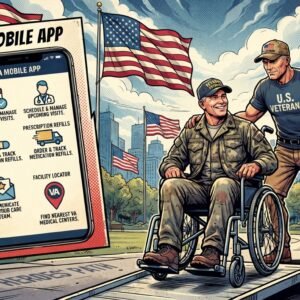
One of the primary goals for the future will involve enhancing education and training for healthcare professionals regarding TBI. Establishing standardized protocols for diagnosis and treatment will be crucial in ensuring that veterans receive timely and effective care. Additionally, there is potential for leveraging technology in TBI management, such as telehealth services and mobile applications that monitor symptoms and progress, thereby making healthcare more accessible.
Emerging research on TBI treatment will continue to inform advocacy strategies, with a particular emphasis on personalized medicine. The individualized approach to treatment and rehabilitation holds promise in addressing the varying needs of veterans suffering from TBI. Supporting clinical trials and translational research will be vital for translating scientific findings into practical applications.
Furthermore, the role of WWP will be central in shaping policies that not only benefit veterans with TBI but also foster a supportive family and community environment. Advocating for legislative measures that allocate resources toward mental health services alongside TBI initiatives will create a more holistic support system. Engaging veterans and their families in the advocacy process will remain essential, ensuring that their voices steer policy changes that directly impact their lives.
In conclusion, the future of TBI advocacy post-2026 looks promising as we anticipate significant advancements in treatment options and advocacy strategies. By focusing on education, technological integration, personalized care, and robust policy initiatives, the goals laid down by organizations like WWP shall ultimately lead to a more supportive framework for veterans living with TBI.
Getting Involved: How You Can Support TBI Advocacy
Traumatic brain injury (TBI) advocacy is a critical area of support for many veterans, particularly those who have served in challenging environments. Individuals and organizations looking to contribute to TBI advocacy efforts have various channels through which they can make a significant impact. One of the most direct ways to support these initiatives is through donations to relevant organizations such as the Wounded Warrior Project. By providing financial resources, donors help fund vital programs aimed at raising awareness and providing services for veterans affected by TBI.
In addition to monetary contributions, volunteering is a rewarding way to engage in TBI advocacy. Many organizations regularly seek volunteers for events aimed at education and outreach. Participating in these events can include helping with logistics, sharing personal stories, or even raising funds through community engagements. For those who prefer a hands-on approach, consider using your skills for special initiatives, whether it’s organizing workshops, engaging in social media campaigns, or offering pro bono services to advocacy groups.
Participation in events is another effective avenue for supporting TBI advocacy. Numerous campaigns and awareness events occur throughout the year, aimed at both fundraising and educating the public. Joining these occasions, whether through attendance, sponsorship, or volunteering, amplifies efforts to highlight the challenges faced by veterans with TBI. Engaging your local community by hosting awareness events can also create visibility for TBI issues. By collaborating with local businesses and groups, you can foster an atmosphere of support and unity towards advocating for the needs of veterans.
Ultimately, each effort contributes to a larger movement that seeks to improve the quality of life for those affected by TBI. Becoming involved is not only about offering assistance, but it is also about fostering a community of support that honors the sacrifices made by our veterans.
Conclusion: The Ongoing Journey of Support for Veterans
The discussion surrounding the Wounded Warrior Project (WWP) and its recent $15 million grant for Traumatic Brain Injury (TBI) advocacy highlights the critical role that continuous support plays in the lives of veterans. TBI, a common consequence of service-related injuries, can profoundly affect a veteran’s quality of life, leading to long-term cognitive, emotional, and physical challenges. In addressing these issues, WWP remains at the forefront, inviting individuals, communities, and organizations to join in advocating for effective solutions and comprehensive support.
Throughout this blog post, we have explored how WWP is not only providing resources to veterans but also emphasizing the importance of awareness and education about TBI. With their dedicated approach, they are able to build a framework that not only assists with immediate needs but also paves the way for long-lasting solutions. The grant signifies a commitment to expanding programs tailored to veterans suffering from TBI, ensuring they have access to the help they need to thrive.
In light of these developments, it is evident that the journey toward comprehensive support for our veterans is ongoing. WWP’s leadership in this endeavor showcases both their dedication and the growing necessity for advocacy in the realm of TBI. As we move forward, it remains crucial to foster an environment where these veterans feel empowered, understood, and supported through their challenges. The collaboration between veterans, their families, care providers, and advocates is vital in championing their needs and elevating their experiences.
In conclusion, the response to TBI among veterans reflects a broader societal commitment to ensuring those who have served receive the respect, care, and support they deserve. Wounded Warrior Project’s continuing advocacy efforts pave the way for enhanced understanding and vital resources aimed at improving the lives of veterans affected by TBI.

🇺🇸 IMPORTANT DISCLAIMER – Veterans Benefits Information
This site provides general information about U.S. Department of Veterans Affairs (VA) benefits for educational and informational purposes only.
- Not Official: We are NOT affiliated with, endorsed by, or connected to the U.S. Department of Veterans Affairs (VA), the Veterans Benefits Administration (VBA), the Veterans Health Administration (VHA), or any other government agency.
- No Legal/Financial Advice: The content on this website is for informational purposes only and does not constitute legal, financial, or medical advice. VA benefits rules change frequently – always consult with an accredited Veterans Service Officer (VSO) or a qualified professional for your specific situation.
- Official Sources: For official, binding information and to apply for benefits, always visit official .gov websites: VA.gov, Benefits.VA.gov, or SSA.gov.
- No Data Collection: This site does not collect, store, or process any personal information. It does not have login forms, contact forms, or any system to capture user data. We never ask for your Social Security Number, bank details, or any personal information.
- 🚨 Scam Alert: The VA and other government agencies never charge fees for benefit applications. If anyone asks for money to "process" your VA claim, it is a scam. Report it to the VA Office of Inspector General at VA.gov/OIG.
- Advertising: This site uses third-party advertising (Adsterra) to cover operational costs. We do not endorse or guarantee any products or services advertised.
📌 Information provided as of June 2026. Always verify current eligibility and rules with official .gov sources.
This site is not affiliated with the U.S. Department of Veterans Affairs or any government agency. All information is for educational purposes only. Please visit VA.gov for official information.
