

What is Veterans Day?
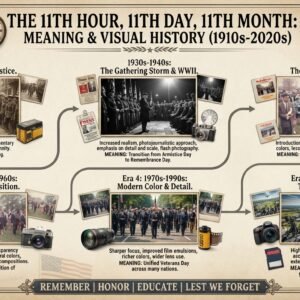
Veterans Day is a federal holiday in the United States observed annually on November 11. Its history dates back to 1919, when President Woodrow Wilson first proclaimed Armistice Day to commemorate the end of World War I, which took effect at the 11th hour of the 11th day of the 11th month in 1918. The holiday was intended to honor the soldiers who fought bravely during the Great War. However, following World War II and the Korean War, the focus of the day shifted towards honoring all American veterans.
In 1954, after significant advocacy from various veterans’ organizations, Armistice Day was officially renamed Veterans Day. This change was made to recognize the contributions of all military veterans, not just those who served in World War I. The purpose of Veterans Day is to express gratitude and appreciation for the sacrifices made by individuals in the service of the United States Armed Forces. The holiday promotes awareness of veterans’ issues and serves as a reminder of the dedication and commitment required by those who serve in the military.

Celebrated nationwide, Veterans Day is marked by various events, ceremonies, and parades designed to honor military veterans. Schools and communities often engage in educational programs to highlight the importance of veterans’ contributions, fostering an understanding of their sacrifices. It is a day when Americans are encouraged to show gratitude to veterans for their service and bravery. This federal holiday plays a crucial role in ensuring that the sacrifices of military personnel are not forgotten, emphasizing the need to support and recognize those who have worn the uniform of the U.S. military.
The Legal Status of Veterans Day

Veterans Day, observed annually on November 11th, is designated as a federal holiday in the United States primarily through 5 U.S.C. § 6103. This federal statute provides the legal framework for federal holidays, explicitly defining Veterans Day as a day dedicated to honoring military veterans who have served in the United States Armed Forces. The enactment of this law underscores the significance of the holiday and establishes a foundation for its observance across the nation.
According to the stipulations set forth in 5 U.S.C. § 6103, federal agencies are required to close for business on Veterans Day, thereby providing federal employees a paid holiday. This legal recognition not only ensures that those who have served their country are honored on this specific day but also facilitates various ceremonies and commemorations that take place nationwide. Schools, businesses, and other entities may also choose to observe Veterans Day, although the mandates for local and state government institutions, as well as private sectors, can vary.
Furthermore, the legal implications surrounding Veterans Day extend to ensuring that federal employees are allowed time off to participate in observance activities. Such activities may include parades, memorial services, and community events that pay tribute to veterans. The recognition of Veterans Day within the scope of federal law emphasizes the United States’ commitment to acknowledging the sacrifices made by military personnel. By providing a structured legal status to this day, it not only enhances the observance of the holiday but also fosters a greater public awareness and appreciation for the contributions of veterans within the broader societal context.
When is Veterans Day Observed?
Veterans Day is a federal holiday in the United States that honors military veterans who have served in the U.S. Armed Forces. The observance of Veterans Day takes place annually on November 11. This date is historically significant, as it marks the anniversary of the end of World War I, which occurred on the 11th hour of the 11th day of the 11th month in 1918. In 2026, Veterans Day will be officially observed on Wednesday, November 11.
Veterans May Qualify for Extra Benefits
Check available financial assistance, healthcare programs and other opportunities that may apply to you.
Check EligibilityThis fixed date for Veterans Day can have implications for federal employees and our nation’s holiday scheduling. When November 11 falls on a weekday, as it does in 2026, federal employees enjoy the full observance of this holiday, offering them an opportunity to participate in various memorial activities and celebrations that recognize veterans’ contributions to the country. Nonetheless, it is important to note that if November 11 were to fall on a Saturday, the federal holiday would typically be observed the preceding Friday, while if it falls on a Sunday, it is observed the following Monday.
The specific scheduling of Veterans Day is crucial for federal employees, as it impacts not only their work schedule but also the availability of public services and community events that are frequently held in honor of veterans. Many organizations plan parades, ceremonies, and educational activities around this date, making it a time for reflection and gratitude towards those who have served in the military.
Impact of Veterans Day on Federal Operations
Veterans Day is designated as a federal holiday in the United States, resulting in significant implications for federal operations. On this day, non-essential federal government offices are closed, allowing employees to observe the holiday and pay respect to those who have served in the military. This closure ensures that federal employees, both current and retired, have the opportunity to participate in ceremonies, parades, and other commemorative events that honor veteran contributions. The decision to close these offices reflects the importance attributed to recognizing the sacrifices made by military personnel.
For federal employees, Veterans Day not only serves as a time for reflection but also provides the benefit of paid leave. This policy aligns with the government’s commitment to valuing the service of veterans, ensuring that federal workers can engage in observances without financial impact. As a result, many employees utilize this day to volunteer in their communities or to spend time with family, creating a deeper connection to the holiday’s significance.
In addition to federal offices, many public and private sector organizations observe Veterans Day by granting employees a paid day off or offering flexible scheduling. This recognition transcends the federal level, promoting a culture of appreciation for veterans across various industries. Local businesses may extend support through discounts and promotions for veterans, thereby strengthening community bonds and encouraging broader participation in commemorative practices.
Overall, the impact of Veterans Day on federal operations extends beyond the closure of government offices. It encompasses the values of respect and recognition for military service, fostering a nationwide ethos of gratitude that resonates in various sectors, thus reinforcing the significance of this solemn occasion.

🇺🇸 IMPORTANT DISCLAIMER – Veterans Benefits Information
This site provides general information about U.S. Department of Veterans Affairs (VA) benefits for educational and informational purposes only.
- Not Official: We are NOT affiliated with, endorsed by, or connected to the U.S. Department of Veterans Affairs (VA), the Veterans Benefits Administration (VBA), the Veterans Health Administration (VHA), or any other government agency.
- No Legal/Financial Advice: The content on this website is for informational purposes only and does not constitute legal, financial, or medical advice. VA benefits rules change frequently – always consult with an accredited Veterans Service Officer (VSO) or a qualified professional for your specific situation.
- Official Sources: For official, binding information and to apply for benefits, always visit official .gov websites: VA.gov, Benefits.VA.gov, or SSA.gov.
- No Data Collection: This site does not collect, store, or process any personal information. It does not have login forms, contact forms, or any system to capture user data. We never ask for your Social Security Number, bank details, or any personal information.
- 🚨 Scam Alert: The VA and other government agencies never charge fees for benefit applications. If anyone asks for money to "process" your VA claim, it is a scam. Report it to the VA Office of Inspector General at VA.gov/OIG.
- Advertising: This site uses third-party advertising (Adsterra) to cover operational costs. We do not endorse or guarantee any products or services advertised.
📌 Information provided as of June 2026. Always verify current eligibility and rules with official .gov sources.
This site is not affiliated with the U.S. Department of Veterans Affairs or any government agency. All information is for educational purposes only. Please visit VA.gov for official information.
