

Introduction to Lincoln’s Promise
Abraham Lincoln, the 16th President of the United States, is often remembered for his profound speeches and his commitment to the principles of liberty and equality. Among his many words, a particular promise resonates deeply within the context of veteran care: Lincoln’s assertion that the nation owes a debt to its veterans, a debt that is not merely financial, but one of honor and gratitude.
This promise was articulated during a time of great national turmoil and transformation, specifically during and after the Civil War. Lincoln recognized that the men and women who served in the military made incredible sacrifices for their country, fighting not just for their own freedoms but for the preservation of the Union as well. The significance of his words transcends history, establishing a moral obligation to care for those who have borne the brunt of conflict and have defended the nation’s ideals.

Lincoln’s promise has since become a cornerstone of the philosophy guiding veteran care in the United States. It reminds the public and policymakers alike that supporting veterans is essential, not only as a form of repaying their service but also as a reflection of the societal values of respect and dignity. This commitment is ingrained in the very fabric of the American ethos and serves as a call to action, urging all citizens and government bodies to ensure that veterans have access to necessary resources, healthcare, and support systems.

The implications of Lincoln’s promise continue to shape policies and initiatives aimed at enhancing the well-being of veterans. As society evolves, the interpretation and implementation of this promise must adapt to meet the emerging needs of those who served. Thus, exploring the depths of this promise and its enduring significance remains a vital endeavor as we safeguard the futures of our veterans.
Abraham Lincoln’s Second Inaugural Address
Abraham Lincoln’s Second Inaugural Address, delivered on March 4, 1865, serves as a significant discourse that highlights the profound societal and political upheaval of its time. By this point, the American Civil War had ravaged the nation for four long years, leading to immense loss of life and division among the states. This context provided a backdrop for Lincoln’s address, which sought to reconcile a fractured nation and offer hope for the future.
The speech is famously remembered for its themes of unity, healing, and empathy. Lincoln articulated a vision that transcended mere victory in war; he recognized that the nation’s struggles stemmed from deep-rooted social issues such as slavery. Instead of celebrating triumph, Lincoln called for honesty about the consequences of division and conflict. He emphasized the need for compassion towards all, particularly those who served the nation yet remained marginalized, thereby reiterating the moral imperative of caring for veterans—an essential aspect of his message that resonates even today.
Lincoln’s address also contained a poignant acknowledgment of the sacrifices made by soldiers on both sides of the conflict. He noted that both Union and Confederate soldiers had suffered and died, framing the war not merely as a physical battle but as a moral crucible that tested the principles of liberty and equality. His hope for reconciliation was not based on superficial peace, but rather on a deeper understanding of shared humanity, urging all Americans, especially those in positions of power, to honor the servicemen and women who contributed to the nation’s fight for unity.
The Origins of the Quote
Veterans May Qualify for Extra Benefits
Check available financial assistance, healthcare programs and other opportunities that may apply to you.
Check EligibilityThe famous phrase “to care for him who shall have borne the battle and for his widow and his orphan” can be traced back to the life experiences and convictions of President Abraham Lincoln. This poignant declaration embodies Lincoln’s deep commitment to the welfare of veterans and their families, reflecting the challenges faced during the Civil War era.
Lincoln, who served as the 16th President of the United States from 1861 until his assassination in 1865, witnessed the profound sacrifices made by soldiers firsthand. As the nation grappled with the repercussions of internal conflict, the plight of veterans emerged as a pressing concern. Lincoln’s own experiences, both personal and political, shaped his belief that the nation had a moral obligation to care for those who defended its principles, especially after they had endured the hardships of war.
During his presidency, Lincoln delivered a number of poignant addresses, one of which was the Second Inaugural Address in 1865. It is here that he articulated his conviction about the responsibility of the nation toward veterans. The phrase emphasizes not only the importance of caring for the combatants but also for their families, thereby acknowledging the broader impacts of war on society. Lincoln recognized that veterans often returned from the battlefield facing physical and psychological challenges, and their families bore the emotional burdens as well.
This quote has thus become a powerful testament to the ideals of compassion and duty, encapsulating Lincoln’s vision of national responsibility. Ultimately, it serves as a reminder of our duty to uphold the promise made to those who serve and sacrifice, ensuring that they receive the support and care they deserve, along with their families.
The Unofficial Mission Statement of VA
Abraham Lincoln’s poignant address at the dedication of the Soldiers’ National Cemetery in Gettysburg, Pennsylvania, resonates deeply within the ethos of the Department of Veterans Affairs (VA). His words emphasized the commitment to ensuring that those who have sacrificed for their country are honored and cared for, ultimately shaping the unofficial mission statement of the VA. This transformation of Lincoln’s promise reflects a dedication to upholding the ideals of support, remembrance, and respect for veterans.
The phrase that captures this essence underlines the importance of providing necessary services and support to veterans, not only as a moral obligation but as a matter of national pride and responsibility. By embedding Lincoln’s ethos into its operations, the VA articulates a relentless commitment to serving those who served; this commitment influences the structure and priorities of veteran services across the United States. As such, the VA’s policies continually focus on improving access to healthcare, education, and employment opportunities, highlighting the organization’s devotion to proactive support.
With this mission statement as a guiding principle, the VA continually evolves to meet the changing needs of the veteran community. The impact of Lincoln’s words can be seen in comprehensive veteran healthcare programs, mental health initiatives, and even legislative reforms aimed at addressing the inequalities faced by veterans. By focusing on these areas, the VA aligns its mission with the timeless pledge that Lincoln made—guaranteeing that veterans receive the respect and support they rightfully deserve.
Engravings and Symbols of Commitment
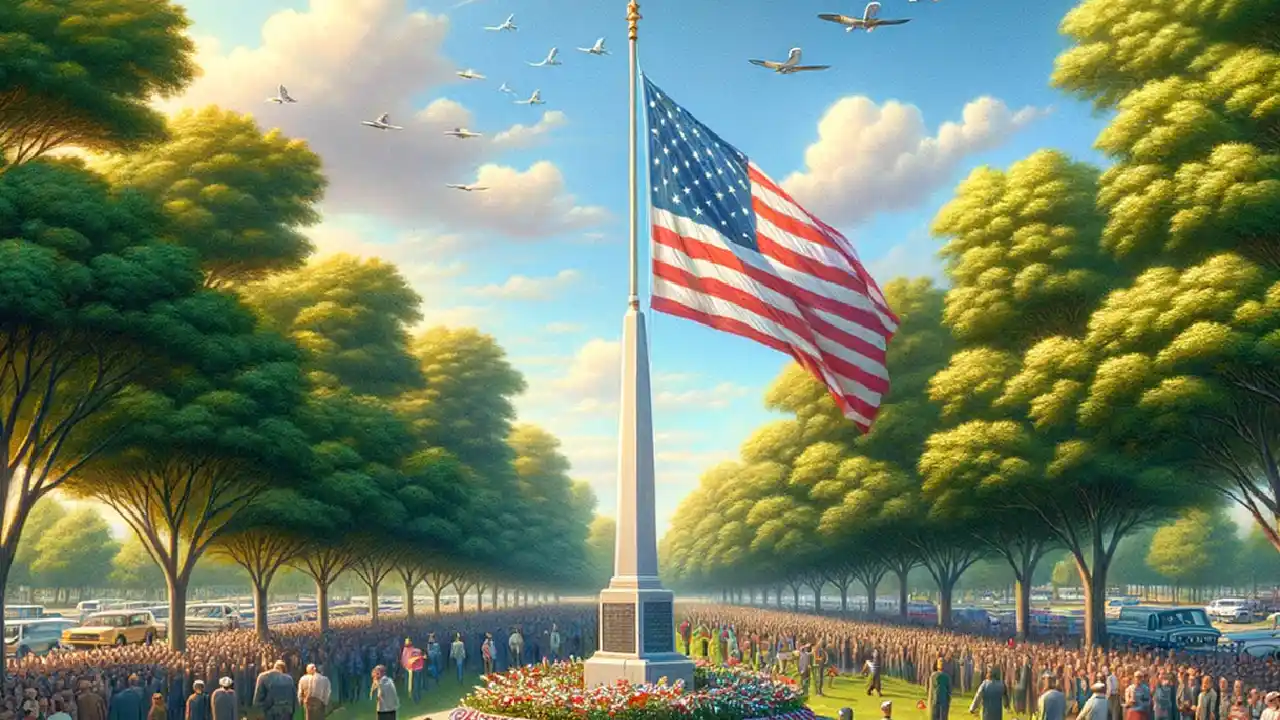
Abraham Lincoln’s promise to care for those who served the nation embodying resilience is memorialized in various forms across the United States, particularly at significant locations such as the headquarters of the Department of Veterans Affairs (VA). These engravings and symbols are not mere relics of the past; they represent a living commitment to the nation’s veterans, a pledge inscribed in stone and steel, echoing the enduring spirit of service and sacrifice.
The main inscription, prominently displayed at the VA headquarters, serves as a daily reminder of Lincoln’s words, which articulate a moral obligation to assist veterans and their families. This commitment is crucial, especially as it underscores the government’s responsibility to ensure that those who have fought for the country receive the care and support they duly deserve. Surrounding this centerpiece, various symbols representing the branches of the military further enhance the display’s significance, bridging the history of conflicts with the ongoing mission of rehabilitation and support.
In addition to the VA headquarters, Lincoln’s promise finds resonance in numerous memorials, statues, and plaques across the nation. Each engraving serves not only as a tribute but also as an educational tool, enlightening the public about the sacrifices made by service members. These memorials invite reflection and foster a deeper understanding of the challenges faced by veterans upon returning home, emphasizing the importance of their rights to comprehensive services including health care and employment assistance.
Through these engraved messages and symbols of commitment, society collectively reaffirms its dedication to veterans, ensuring that their sacrifices are neither forgotten nor taken for granted. This continuous honoring of their service emphasizes a united front in the pursuit of healing, recognition, and support for every veteran who has donned the uniform.
Historical Impact on Presidential Policies
Abraham Lincoln’s commitment to veterans, exemplified in his Second Inaugural Address and other statements, has profoundly influenced presidential policies in the subsequent years. His words created a foundation where the obligation to care for those who served the nation became a crucial aspect of leadership and national pride. This promise has been referenced and expanded upon by numerous presidents, each interpreting Lincoln’s sentiment through the context of their respective administrations.
For instance, during his presidency, Franklin D. Roosevelt invoked Lincoln’s legacy while establishing the GI Bill in 1944. This significant piece of legislation provided veterans with various benefits, including financial assistance for education, housing, and unemployment compensation. By referencing Lincoln’s commitment to veterans, Roosevelt reinforced the notion that the nation owes a debt of gratitude to those who have served, ensuring they receive adequate support upon returning home.
Similarly, President Dwight D. Eisenhower continued to underscore the importance of Lincoln’s promise. His administration worked to enhance the services provided to veterans through the Veterans Administration, promoting better healthcare facilities and addressing the challenges faced by returning service members. Eisenhower’s initiatives mirrored Lincoln’s original sentiments about honoring military service through tangible support and resources.
More recently, President Barack Obama highlighted Lincoln’s enduring promise to veterans in his speeches, particularly during the signing of the Veterans Access, Choice and Accountability Act in 2014. This law aimed to improve access to care and reduce waiting times for veterans, reiterating the commitment to the values established during Lincoln’s administration.
Thus, the historical impact of Lincoln’s promise has manifested in various policies and practices aimed at uplifting veterans. Each presidential reiteration of Lincoln’s words has ensured that the commitment to veterans remains a priority, demonstrating the timeless relevance of Lincoln’s assurances in modern governance.
Modern-Day Interpretations
Abraham Lincoln’s promise to veterans represents a commitment to honor those who have served the nation in armed conflict. This resonant message continues to be relevant as society addresses the myriad challenges faced by veterans in contemporary times. It is essential to reflect on how this promise translates into modern veteran care initiatives and programs designed to support their reintegration into civilian life.
Today, veterans encounter a variety of obstacles, including mental health issues, unemployment, housing instability, and access to quality healthcare. Organizations and government programs have emerged, inspired by Lincoln’s promise, to ensure that service members receive the assistance they rightfully deserve. Programs aimed at mental health support, such as the Veterans Affairs’ mental health services, illustrate a profound understanding of the psychological aftermath of combat and duty. These initiatives embody the sentiment of Lincoln’s words, emphasizing a commitment to healing and providing the necessary resources for recovery.
Furthermore, employment transition programs have gained traction, acknowledging the need for veterans to find meaningful work after service. Initiatives that partner with private companies to create job opportunities for veterans demonstrate a collective effort to fulfill the original promise. Such programs not only enhance the economic independence of veterans but also help them regain a sense of purpose and identity.
Community involvement plays a crucial role in embodying Lincoln’s promise. Grassroots movements and local organizations are stepping up to bridge gaps in support systems, often tailoring their services to the unique needs of veterans. This collective response reflects a broader societal recognition of the sacrifices made by those in uniform. As we move forward, it becomes increasingly vital to ensure that the principles embedded in Lincoln’s promise continue to reflect in the policies and programs designed to support our nation’s veterans.
The Legacy of Lincoln’s Promise
Abraham Lincoln’s words concerning the care for veterans have endured as a powerful commitment reflecting America’s values and societal expectations regarding duty and sacrifice. His promise, made during a time of great national strife, emphasized the obligation of the nation to honor those who bravely served in the armed forces. This sentiment has created a framework in which the treatment of veterans is not merely a policy matter but is rooted in a deeper moral responsibility to recognize and support their sacrifices.
The legacy of Lincoln’s promise has profoundly shaped public perception of veterans throughout history. It set a precedent for how the nation views its duty towards service members, influencing policies designed to provide healthcare, education, and financial resources. As wars have evolved and the nature of service has transformed, the commitment to care for those who have defended the nation’s ideals remains a steadfast principle enshrined in the American consciousness. The commitment to veterans stems from Lincoln’s assertion that a nation owed a debt of gratitude to those who risk their lives in its defense.
In contemporary society, veterans are often viewed with a sense of respect and appreciation, symbols of resilience and sacrifice. Movements advocating for veteran rights and services echo the ideals Lincoln championed, reinforcing the belief that veterans should have access to the resources needed for successful reintegration into civilian life. The perception of veterans has also been shaped by cultural narratives and media portrayals, further cementing their status within society as individuals deserving not only of respect but also of proactive support.
Conclusion: Renewing the Promise
As society reflects on the enduring significance of President Abraham Lincoln’s words, it becomes imperative to recognize that the commitment to veterans must not be merely rhetorical. The powerful promise made to those who have served in defense of the nation is a call to action, urging us to ensure that these individuals receive the support and respect they deserve. Upholding this promise is not solely a governmental obligation but also a collective duty that encompasses all members of our communities.
The essence of Lincoln’s pledge underscores the importance of recognizing the sacrifices made by servicemen and women. We must strive to provide them with the resources necessary for a successful reintegration into civilian life, including access to education, healthcare, and employment opportunities. Additionally, fostering a culture of appreciation and understanding towards veterans can help dissolve barriers and bridge gaps between civilians and service members.
Each individual can play a vital role in renewing this promise through active engagement. Whether it is volunteering for veteran support organizations, advocating for policies that improve veterans’ quality of life, or simply taking the time to listen to their stories, every action contributes to fulfilling Lincoln’s vision. Encouraging dialogue about veterans’ challenges, whether through community forums or social media platforms, can elevate awareness and promote meaningful change.
As we move forward, it is crucial to keep the conversation alive regarding the responsibilities we owe to our veterans. By acknowledging their needs and respecting their sacrifices, we not only honor the legacy of those who have served but also strengthen the social fabric of our nation. Therefore, let us commit ourselves to a future where the promise to veterans remains vibrant and upheld through intentional action and unwavering support.




🇺🇸 IMPORTANT DISCLAIMER – Veterans Benefits Information
This site provides general information about U.S. Department of Veterans Affairs (VA) benefits for educational and informational purposes only.
- Not Official: We are NOT affiliated with, endorsed by, or connected to the U.S. Department of Veterans Affairs (VA), the Veterans Benefits Administration (VBA), the Veterans Health Administration (VHA), or any other government agency.
- No Legal/Financial Advice: The content on this website is for informational purposes only and does not constitute legal, financial, or medical advice. VA benefits rules change frequently – always consult with an accredited Veterans Service Officer (VSO) or a qualified professional for your specific situation.
- Official Sources: For official, binding information and to apply for benefits, always visit official .gov websites: VA.gov, Benefits.VA.gov, or SSA.gov.
- No Data Collection: This site does not collect, store, or process any personal information. It does not have login forms, contact forms, or any system to capture user data. We never ask for your Social Security Number, bank details, or any personal information.
- 🚨 Scam Alert: The VA and other government agencies never charge fees for benefit applications. If anyone asks for money to "process" your VA claim, it is a scam. Report it to the VA Office of Inspector General at VA.gov/OIG.
- Advertising: This site uses third-party advertising (Adsterra) to cover operational costs. We do not endorse or guarantee any products or services advertised.
📌 Information provided as of June 2026. Always verify current eligibility and rules with official .gov sources.
This site is not affiliated with the U.S. Department of Veterans Affairs or any government agency. All information is for educational purposes only. Please visit VA.gov for official information.
