
Introduction to Humana Military in 2026
Humana Military is a key player in the provision of healthcare benefits for military families, ensuring access to essential medical services under the TRICARE program. As we enter 2026, understanding the role of Humana Military becomes crucial, especially as various updates and changes may impact the beneficiaries. Military families rely on Humana Military not only for comprehensive healthcare coverage but also for unparalleled support tailored to meet their unique circumstances.
Latest Information Today on Humana Military for Veterans in the United States
If you are a veteran or military family relying on Humana Military for TRICARE East coverage, there are critical changes happening RIGHT NOW that could delay your medical claims, affect where you get care, and potentially put money back in your pocket.

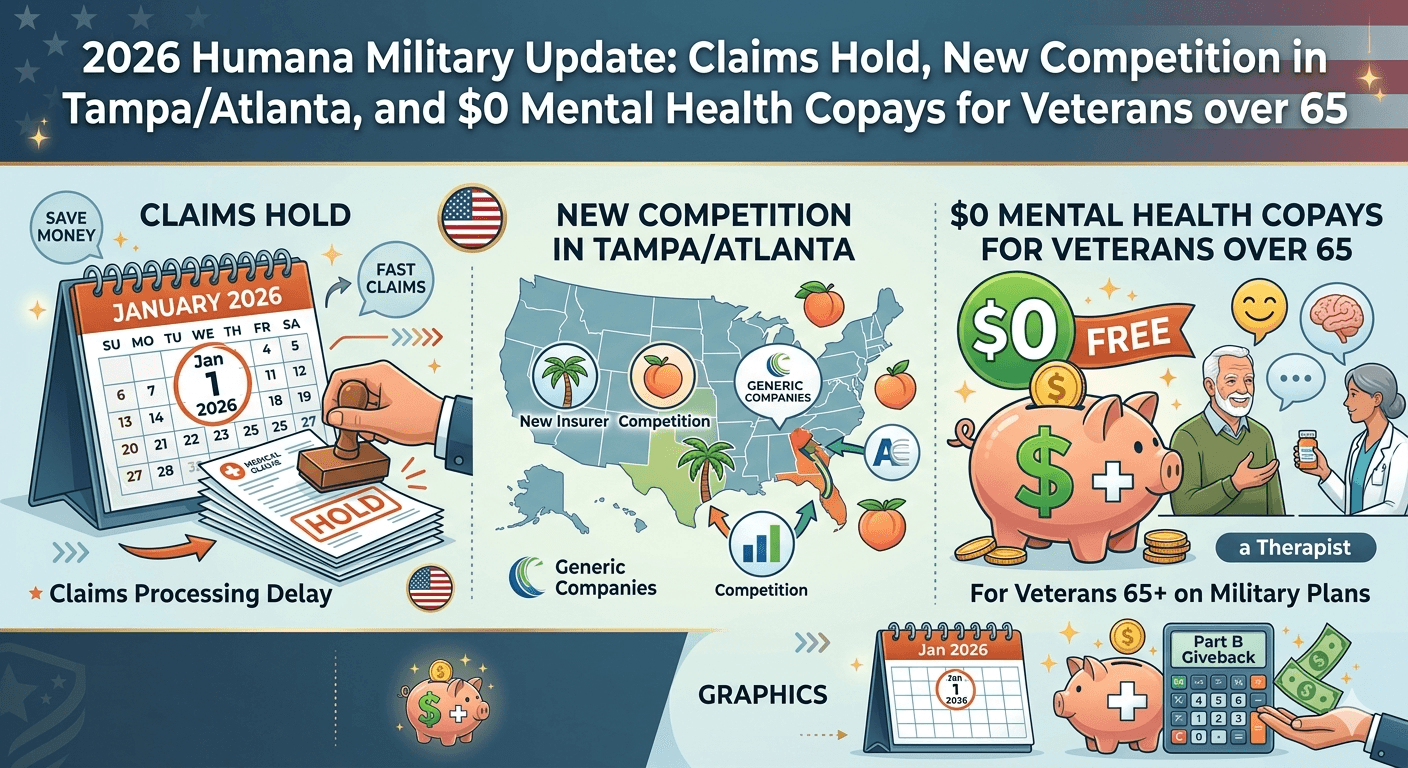
Effective January 1, 2026, Humana Military implemented a temporary hold on all claims with 2026 dates of service. This means if you’ve seen a doctor this year, your provider might not have been paid yet. This hold is expected to last up to 45 days while new reimbursement rates are loaded .

But that’s just the start. For the first time in years, Humana Military is facing direct competition in the South, while a massive contractor switch in 2025 continues to cause billing nightmares for thousands of providers. Here is the latest intelligence you need to protect your family’s healthcare access today.
What Veterans Need to Know Right Now
The landscape of military healthcare is shifting beneath our feet. While the Department of Defense claims the transition is stable, the reality on the ground—for both patients and doctors—is tense.
Here is the bottom line: If you live in the TRICARE East Region, your claims may be moving slower than usual. If you live in Atlanta or Tampa, you have a brand new choice for your healthcare provider starting in 2026 that isn’t Humana. And if you are a veteran over 65, Humana and USAA just dropped a massive new benefit for mental health.
Do not wait for a bill to show up to understand these changes. Let’s break down exactly what is happening.
Latest Updates Today (April/May 2026)
1. The 2026 Claims “Pause”
Veterans May Qualify for Extra Benefits
Check available financial assistance, healthcare programs and other opportunities that may apply to you.
Check EligibilityHumana Military confirmed a temporary hold on claims for services rendered starting January 1, 2026. Why? The system is updating reimbursement rates and beneficiary fee changes for the new year. While Humana says this is routine, the delay is causing cash flow issues for doctors, which could eventually lead to clinics refusing TRICARE patients if it drags on .
2. Competition is Coming (Atlanta & Tampa)
As of January 1, 2026, eligible beneficiaries in the Atlanta and Tampa metro areas can ditch Humana Military for a new player: CareSource Military and Veterans .
- The Pilot: This is a three-year test (2026-2029) by the Defense Health Agency (DHA).
- The Impact: For the first time, Humana doesn’t have a monopoly on the East Region. CareSource is offering a new TRICARE Prime option to over 146,000 people .
- Why it matters: Competition forces better service. If Humana’s delays continue, patients in these cities have an emergency exit.
3. The “Clawback” Crisis
This is the scariest update for 2026. Military.com reports that providers who actually did get paid in 2025 are now receiving “clawback” letters from Humana. Humana claims these were overpayments due to data errors from their 2025 processor switch (from WPS to PGBA) .
- The Warning: Doctors are being told to return money, or face interest and collections.
- Your Risk: If your doctor has to pay back money, they might send you a bill for the difference, or stop seeing TRICARE patients entirely.
4. New Rx Rules Coming October 2026
Legislation (HR 6400 – The Rx ACCESS Act) is set to change how you get your meds. Starting October 1, 2026, you will have more flexibility to choose where you fill non-generic maintenance prescriptions. This is aimed at stopping the monopoly of mail-order pharmacies and letting you shop local .
Who Qualifies for These Humana Military Options?
It is vital to distinguish between TRICARE (for active duty/retirees) and Medicare Advantage (for seniors).
For TRICARE East (Humana Military):
- Who: Active duty family members, military retirees, and their families living in the TRICARE East Region (covering most states east of the Mississippi River).
- The New Pilot: Only residents of Atlanta, GA or Tampa, FL zip codes qualify for the CareSource alternative.
- Cost: Retirees pay enrollment fees (approx $372/individual or $744/family in 2025 rates, adjusted for 2026) plus copays ($25 primary care, $38 specialty) .
For Humana USAA Honor Giveback Plan (Veterans over 65):
- Who: Veterans age 65+ who are eligible for Medicare. You do not need to be a USAA member to enroll, though the plan is co-branded with them .
- Availability: 2,541 counties across 46 states and Washington, D.C.
How to Apply or Take Action (Right Now)
Depending on your situation, here are your immediate steps:
If you are waiting on a claim (TRICARE East):
Do not resubmit your claim yet. Humana has specifically asked providers not to resubmit claims from the 2025 backlog because it gums up the system . However, you need to be your own advocate.
- Call your provider: Ask if they have received the “2026 hold” notice. Ensure they know not to bill you until Humana releases the funds.
- Check the Payer ID: Providers need to use 99727 for Humana Military East. If they use the old code, the claim disappears .
If you are a Veteran over 65 (Medicare):
The Annual Election Period for Medicare Advantage usually runs Oct 15 – Dec 7. However, you may have a Special Enrollment Period depending on your VA status.
- The Benefit: The Humana USAA Honor Giveback plan offers $0 premium and $0 copay for mental health (therapy/psychiatrist) for 2026 .
- How to Enroll: Call 1-833-585-8387 (VETS). Ask specifically for the “Honor Giveback” plan.
- Warning: These plans replace Original Medicare. Ensure your doctors are in-network with Humana before switching.
If you live in Atlanta or Tampa:
You have a choice. During Open Season (Nov-Dec) or with a Qualifying Life Event, you can switch from Humana Military to CareSource.
- Actionable Advice: Compare the networks. If your current specialist is dropping Humana due to the 2025-2026 payment delays, moving to CareSource might save your access to care .
Common Mistakes Veterans Make
We have seen this movie before. Here is how to avoid getting burned in 2026.
1. Assuming the “Clawback” isn’t your problem.
It is. If Humana demands $5,000 back from your surgeon because of their admin error, the surgeon isn’t just going to eat that loss. They will bill you. Keep every Explanation of Benefits (EOB) from 2025. If a clawback happens, you need proof that the service was approved.
2. Ignoring the “Phantom Other Coverage” error.
In 2025, thousands of claims were denied because the system incorrectly flagged patients as having “Other Health Insurance” (OHI) when they didn’t .
- The Fix: If you get a denial saying you have other insurance, do not ignore it. Call Humana immediately. One Army Reserve Major reportedly accrued $86,000 in false charges because of this glitch .
3. Missing the Weight Loss Drug Window.
The fiscal 2026 NDAA authorized TRICARE to cover weight loss drugs (like Wegovy) for obesity when part of a comprehensive plan . If your doctor hasn’t mentioned this, ask. Humana is required to cover it now.
4. Assuming TRICARE For Life is the same as Humana.
If you are 65+ and have Medicare, you are usually on TRICARE For Life (TFL). TFL is not managed by Humana Military. The Humana USAA Honor plan is an alternative to TFL. Mixing these up can void your coverage.
What This Means Financially for Your Family
Let’s talk real dollars.
The Bad News (Short Term): Because of the 2026 claims hold, you might receive “Late Payment” notices from hospitals. Do not pay them immediately. Under TRICARE regulations, providers cannot bill you for the difference if TRICARE is late paying them. Your catastrophic cap protects you from unlimited expenses, but administrative errors can freeze your credit if you aren’t vigilant .
The Good News (The “Giveback”):
For veterans aged 65+, the Humana USAA plan offers a “Part B Giveback.” This means Humana pays part of your Medicare Part B premium. If your Part B premium is $185/month, the giveback could reduce that by up to $50-$100, effectively putting cash back in your Social Security check .
The Scary Stat: Veteran suicide rates are 60% higher than the national average . The shift to $0 mental health copays in these specific plans is a financial lifesaver. Therapy that used to cost $40 a session is now free.
Political & Government Context
Why is this all happening right now?
The 2025 East/West Split Disaster.
On January 1, 2025, the Pentagon split TRICARE management. TriWest took the West, Humana kept the East but switched their claims processor to PGBA. It was a catastrophe. Data didn’t transfer. Provider records were “scrambled” .
- The Fallout: Congress noticed. The House Armed Services Committee is now mandating audits of the transition. The Government Accountability Office (GAO) is investigating .
- Why Humana is changing: They are under immense political pressure. The “temporary holds” and “new competition” in Tampa/Atlanta are direct results of the 2025 failures.
The NDAA 2026 Impact.
The National Defense Authorization Act for 2026 forced several changes:
- Travel distance for specialty care dropped from 100 miles to 75 miles (saving you gas money) .
- Weight loss drugs are now covered.
- MTFs (military hospitals) are being forced to open doors to more veterans if they have space .
FAQ: Humana Military & Veterans Benefits
Q: Is Humana Military the same as TRICARE?
A: Yes, for the TRICARE East Region, Humana Military is the managed care contractor. They process claims, manage networks, and handle customer service for the Department of Defense.
Q: Why are my medical bills not paid yet in 2026?
A: Humana placed a temporary hold on all claims with 2026 dates of service to update reimbursement rates. The hold is expected to last up to 45 days. If it goes longer, contact the DHA Beneficiary Support Center .
Q: What is the Humana USAA Honor Giveback plan?
A: It is a Medicare Advantage plan (not TRICARE) designed specifically for veterans. It offers $0 premiums, $0 mental health copays, and a Part B giveback (money back in your Social Security check). It is available in 46 states .
Q: Can I switch from Humana Military to CareSource?
A: Only if you live in the Atlanta or Tampa metro areas. This is a pilot program running from 2026-2029. You can switch during open season or with a qualifying life event .
Q: What is a “clawback” letter?
A: It is a demand from Humana asking healthcare providers to return money they were previously paid, claiming it was an error. Providers are fighting these, but patients should ensure they are not balance-billed for these disputed amounts .
Q: Will TRICARE cover weight loss drugs in 2026?
A: Yes. The NDAA 2026 added coverage for obesity treatment, including medication, but it requires a comprehensive treatment plan from your doctor. It is not just for cosmetic weight loss .
Q: What is the phone number for Humana Military?
A: For TRICARE East, use the number on the back of your ID card. For the veteran Medicare plans, call 1-833-585-8387 (VETS).
Final Takeaway
Do not trust that the system is fixed just because the government says so.
The 2025 transition broke a lot of things in the TRICARE East Region. As of May 2026, we are still seeing the fallout in the form of clawbacks, holds, and provider frustration. If you are a veteran over 65, the new Humana USAA Honor Giveback plan is a compelling financial move, specifically for the mental health benefits and Part B giveback.
However, if you are under 65 and stuck in the Humana East machine, you need to be a hawk. Check your EOBs. Answer your mail. And if you live in Atlanta or Tampa, seriously consider voting with your feet and switching to the CareSource pilot program this November.
Your healthcare is a benefit you earned through service. Do not let administrative errors take it away from you without a fight.
In the evolving landscape of military healthcare, Humana Military has consistently adapted to the needs of active-duty service members, veterans, and their families. The organization acts as the third-party administrator responsible for managing the TRICARE program in certain regions, facilitating access to healthcare providers, managing claims, and ensuring that necessary services are delivered efficiently. The commitment to providing timely and effective healthcare solutions is vital, particularly in a year where payment delays and new competitors may challenge the status quo.
Remaining informed about Humana Military updates is essential for military families. It allows them to navigate changes effectively and make informed decisions regarding their healthcare options. By understanding the latest developments in 2026, beneficiaries can better prepare for any potential transitions in their healthcare services. Consequently, staying abreast of Humana Military’s role and challenges enhances the ability of military families to manage their healthcare needs effectively.
As we delve into this blog, we will explore the current trends impacting Humana Military, the implications of payment delays, and the rising competition in the military healthcare market. This overview aims to provide readers with a comprehensive understanding of the complexities surrounding Humana Military as we progress through 2026.
Current Payment Delays Affecting Humana Military
In recent months, Humana Military has been facing significant payment delays that have raised concerns among beneficiaries and healthcare providers alike. These delays have primarily been attributed to a combination of factors, including staffing shortages, increased claims volume, and unforeseen technical issues within the payment processing system. As various stakeholders rely on timely reimbursements for the services rendered, the impact of these delays can be profound.
The implications of these delays extend to both beneficiaries and healthcare providers. For beneficiaries, this may mean a temporary disruption in access to necessary medical services or prescriptions, as some healthcare providers may be hesitant to see patients without confirmation of payment. Additionally, beneficiaries may experience confusion or frustration as they navigate the complexities of their healthcare coverage while waiting for benefits that are typically delivered on time.
On the provider side, delayed payments can lead to cash flow issues, making it challenging for healthcare practices to maintain operations and support their staff. Many providers are left managing the financial strain that accompanies disrupted payment cycles, prompting some to consider alternative arrangements or even reducing patient intake levels—a move that ultimately affects patient care.
In response to these challenges, Humana Military is actively implementing measures aimed at addressing the underlying causes of these payment delays. These measures include bolstering their claims processing team by enhancing training, refining their technology infrastructure to improve processing efficiency, and regularly communicating with stakeholders to keep them informed of progress. By taking these steps, Humana Military aims to restore timely payment processes and ensure the reliability of their services going forward.
Understanding the Causes of Payment Delays
The landscape of healthcare payments is often intricate and multifaceted, particularly for organizations like Humana Military. Several key factors contribute to the payment delays experienced by providers and patients alike. One predominant aspect is the administrative challenges that emerge from processing a considerable volume of claims. Each claim requires thorough scrutiny to ensure accuracy and compliance with established standards, which can lead to bottlenecks in the system.
Additionally, changes in regulations frequently impact the payment process. As healthcare policies evolve, so too must the protocols for claims submission and reimbursement. New compliance requirements can create confusion among providers, often resulting in claims that are submitted incorrectly. This not only delays payment but may also necessitate additional follow-up to rectify any issues, further complicating the timeline.
Furthermore, unexpected increases in claims can serve as a catalyst for delayed payments. These spikes may occur due to various factors, including substantial shifts in patient demographics, seasonal illness outbreaks, or changes in service utilization patterns. When claims surge unexpectedly, the existing administrative frameworks may struggle to keep pace, leading to delays that can ripple across the entire healthcare system.
Overall, understanding the interplay of administrative challenges, regulatory changes, and fluctuations in claims volume is essential for grasping the complexity of payment delays within Humana Military. Stakeholders must navigate this evolving landscape to mitigate delays and enhance the efficiency of healthcare payment processes.
Impact of Payment Delays on Beneficiaries
Payment delays can have a profound impact on military families and their access to necessary care and services. When reimbursements from Humana Military are delayed, beneficiaries often face financial strain as they navigate unforeseen medical expenses. For military families, these delays can hinder their ability to manage household budgets effectively, especially in a context where healthcare costs are escalating.
The financial uncertainty created by these payment delays can lead to significant stress, particularly for those who may already be coping with limited resources. Many military families rely on timely reimbursements to pay for essential services, including routine healthcare visits and emergency treatments. When payments are delayed, there can be disruptions in accessing medical care, which may lead to deteriorating health conditions or increased reliance on urgent care services.
Moreover, the delays can complicate life for service members’ families, leading them to make tough choices about their health and well-being. Families may delay seeking necessary treatments due to the fear of potential out-of-pocket expenses that might arise in the interim. The lack of consistent payment can also strain relationships between beneficiaries and healthcare providers, as providers may be reluctant to offer services without assurance of payment.
Additionally, military families stand to lose valuable services they have come to rely on if payment problems persist. The reliance on community resources and alternative care options can exacerbate feelings of isolation as families navigate these challenging circumstances. Ultimately, it is vital for Humana Military to address these payment delays, as doing so ensures that beneficiaries can access the healthcare and services they need without unnecessary burden.
Competition in Military Healthcare: A New Landscape
The military healthcare sector is undergoing significant evolution as new competitors emerge, creating a dynamic environment that influences established players like Humana Military. Traditionally dominated by a few major providers, this market is now witnessing an influx of private companies and innovative healthcare solutions seeking to serve military beneficiaries. The introduction of these new entrants not only raises the stakes for existing providers but also reshapes the strategies they employ to maintain their market position.
Among the notable competitors are telehealth firms and specialized healthcare providers that cater specifically to military personnel and their families. These companies are leveraging technology to deliver more accessible, efficient care. For example, telehealth allows beneficiaries to connect with healthcare professionals remotely, reducing wait times and increasing the convenience of receiving medical advice. This shift challenges traditional in-person models of care, prompting Humana Military to consider how best to integrate digital solutions into their service offerings.
Moreover, the entry of companies that focus on holistic and preventive care further complicates the competitive landscape. These organizations emphasize the importance of addressing overall wellness, which resonates with the growing demand among beneficiaries for comprehensive healthcare services. Humana Military faces the task of adapting its programs to not only compete with these new models but also to elevate its own offerings in preventive care and wellness initiatives.
The implications for providers are profound. They must enhance their service delivery methods, adopt new technologies, and reassess their healthcare financing to remain competitive. For beneficiaries, this increased competition can result in greater choice and access to quality services. However, navigating this new landscape may also lead to confusion amid the broader array of available options. Ultimately, as Humana Military addresses these challenges, the key will be to develop strategies that prioritize the needs of military personnel while remaining competitive in a rapidly changing market.
Comparative Analysis of Competitor Offerings
As the healthcare landscape evolves, Humana Military faces rising competition from various providers aiming to capture a share of the market catering to military personnel and their families. It is essential for beneficiaries to evaluate the differences between Humana Military and emerging competitors in terms of services, coverage options, and overall benefits.
Humana Military has long been recognized for its comprehensive health plans and robust customer support. Its offerings typically include access to a wide network of healthcare providers, preventive care services, and specialized care for conditions unique to military families. Beneficiaries often appreciate the personalized attention and tailored services Humana Military provides, which enhances user experience and satisfaction.
In contrast, one notable competitor is TriWest, which also services TRICARE beneficiaries. TriWest boasts significant regional presence and emphasizes its local partnerships with healthcare facilities. This often results in reduced wait times for appointments and a streamlined referral process for specialty care. However, some beneficiaries have reported challenges with customer service responsiveness, leading to a struggle when trying to navigate their healthcare options.
Another emerging competitor is Health Net, which offers a proactive approach to healthcare management and wellness programs. Their focus on integrated care and wellness initiatives speaks to a growing trend favoring preventative health measures. While the plans are competitive, beneficiaries should consider the coverage specifics and provider availability in their region, as this can vary significantly.
Ultimately, the choice among Humana Military, TriWest, and Health Net will depend on individual needs, geographic location, and preferences for specific services. Beneficiaries should carefully examine plan details and customer feedback to make informed decisions that best suit their healthcare requirements.
Humana Military’s Response to Competition
In response to the evolving competitive landscape within the military health system, Humana Military has adopted a proactive approach to retain beneficiaries and enhance its service delivery. Recognizing the challenges posed by increasing competition, Humana Military is implementing strategic initiatives aimed at improving operational efficiency and customer satisfaction.
One significant adjustment involves the introduction of innovative care management programs. These programs are designed to provide personalized health solutions that cater to the specific needs of military families, thereby fostering stronger engagement. By enhancing access to services and optimizing healthcare delivery mechanisms, Humana Military is actively working to ensure its beneficiaries receive the highest standards of care.
In addition to upgrading care management strategies, Humana Military is also forming strategic partnerships with various healthcare providers and organizations. These collaborations are essential in expanding service offerings and ensuring a comprehensive network for beneficiaries. The focus is on maximizing the range of services available, from telehealth options to specialized medical treatments, which align with the overarching goal of improved healthcare access.
Furthermore, Humana Military is investing in technology enhancements to streamline administrative processes. These technological updates not only facilitate faster claims processing but also aim to reduce payment delays that have affected beneficiary satisfaction. The adoption of advanced data analytics is pivotal in identifying areas for improvement, allowing for more informed decision-making and policy adjustments.
Through these strategic measures, Humana Military is committed to maintaining its competitive edge in the military healthcare market. By adapting to the changing needs of beneficiaries and leveraging innovative solutions, the organization aims to solidify its position as a trusted healthcare provider, committed to serving those who serve the nation.
Beneficiary Support During Transition Period
As we navigate the evolving landscape of the Humana Military program in 2026, it is crucial to ensure that beneficiaries receive ample support during this transition period impacted by payment delays and emerging competition. To address these challenges, a series of enhancements have been initiated to better assist beneficiaries in managing their healthcare needs effectively.
One of the primary resources available to beneficiaries is the expanded customer service framework. Humana Military has implemented an enhanced support system that includes dedicated call centers staffed with knowledgeable representatives who can assist individuals with inquiries regarding their benefits, payment statuses, and any changes in coverage. This initiative aims not only to address immediate concerns but also to empower beneficiaries with the vital information necessary for informed decision-making.
In addition to customer service enhancements, Humana Military is launching a range of educational initiatives tailored to inform beneficiaries about their options and resources. These initiatives include webinars, informational workshops, and resource materials that outline the changes in payment processes and how these may influence access to care. Through these educational platforms, beneficiaries can gain valuable insights into navigating the potential complexities introduced by the new competition in the military healthcare market.
Beneficiaries are encouraged to take advantage of these resources, as they provide essential guidance throughout the transition. Understanding rights and responsibilities, coupled with proactive engagement with available support, can significantly mitigate the stress associated with these changes. By fostering a well-informed community, we can collectively ensure that beneficiaries maintain access to the healthcare services they depend on, despite any challenges presented during this critical period.
Conclusion and Future Outlook
The landscape for Humana Military is poised for significant transformation in 2026 as it grapples with payment delays and increasing competition in the healthcare sector. This blog post has outlined the various challenges that the organization faces, including the financial implications of delayed payments to military families and healthcare providers, which can lead to frustration and a diminished trust in the services provided.
Furthermore, the emergence of new competitors highlights the necessity for Humana Military to continually innovate and adapt its offerings. As military families seek reliable and efficient healthcare solutions, Humana Military’s ability to respond to these evolving needs will be crucial. The incorporation of advanced technology and streamlined processes may serve as strategic advantages to alleviate payment issues and enhance overall service delivery.
Looking ahead, it is essential for Humana Military to increase transparency and communication regarding payment timelines and improve the claims process to restore confidence among its stakeholders. Moreover, fostering strategic partnerships with providers could enhance access to care and reinforce Humana Military’s position in the marketplace.
In summary, the future of Humana Military hinges on its responsiveness to changes within the healthcare landscape, its commitment to rectifying payment delays, and its capacity to innovate amidst growing competition. By taking proactive measures to address these challenges, Humana Military can work towards solidifying its reputation and ensuring unwavering support for military families in need of reliable healthcare services.
🇺🇸 IMPORTANT DISCLAIMER – Veterans Benefits Information
This site provides general information about U.S. Department of Veterans Affairs (VA) benefits for educational and informational purposes only.
- Not Official: We are NOT affiliated with, endorsed by, or connected to the U.S. Department of Veterans Affairs (VA), the Veterans Benefits Administration (VBA), the Veterans Health Administration (VHA), or any other government agency.
- No Legal/Financial Advice: The content on this website is for informational purposes only and does not constitute legal, financial, or medical advice. VA benefits rules change frequently – always consult with an accredited Veterans Service Officer (VSO) or a qualified professional for your specific situation.
- Official Sources: For official, binding information and to apply for benefits, always visit official .gov websites: VA.gov, Benefits.VA.gov, or SSA.gov.
- No Data Collection: This site does not collect, store, or process any personal information. It does not have login forms, contact forms, or any system to capture user data. We never ask for your Social Security Number, bank details, or any personal information.
- 🚨 Scam Alert: The VA and other government agencies never charge fees for benefit applications. If anyone asks for money to "process" your VA claim, it is a scam. Report it to the VA Office of Inspector General at VA.gov/OIG.
- Advertising: This site uses third-party advertising (Adsterra) to cover operational costs. We do not endorse or guarantee any products or services advertised.
📌 Information provided as of June 2026. Always verify current eligibility and rules with official .gov sources.
This site is not affiliated with the U.S. Department of Veterans Affairs or any government agency. All information is for educational purposes only. Please visit VA.gov for official information.
