
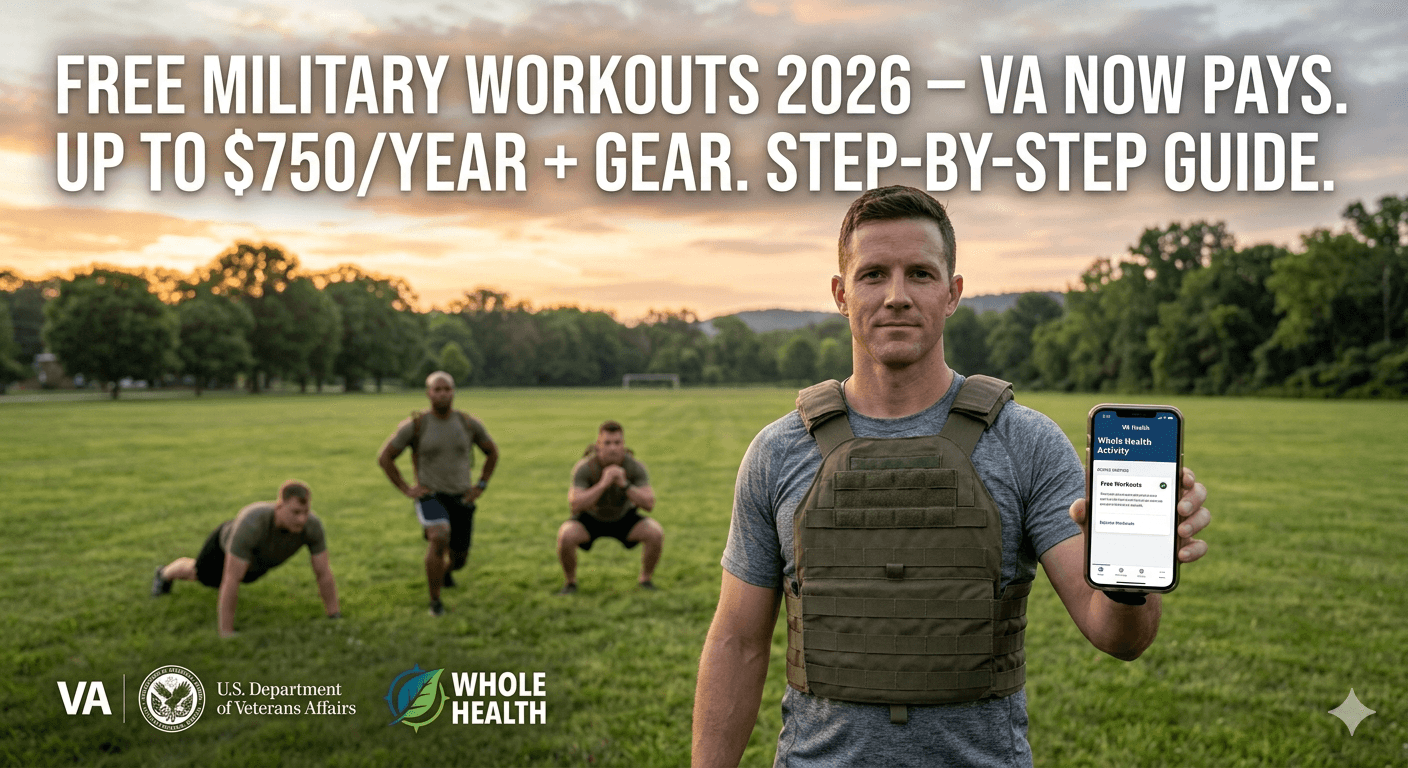
Introduction to Military Workouts for Veterans
Military workouts for veterans play a pivotal role in addressing both the physical and mental health challenges faced by those transitioning from military service to civilian lifestyles. These workouts are specifically designed to cater to the unique needs of veterans, providing programs that emphasize strength, endurance, flexibility, and overall fitness. The holistic approach of military workouts not only focuses on physical prowess but also acknowledges the emotional and psychological aspects of health, which are often overlooked in traditional fitness routines.
Engaging in military workouts can significantly enhance physical fitness, which is crucial for veterans dealing with the residual effects of their service. Many veterans encounter issues such as weight gain, decreased stamina, and various health conditions resulting from their time in service. Military-like workouts are structured to gradually build strength, improve cardiovascular health, and enhance mobility, making them an effective solution for physical rehabilitation.

Moreover, the mental health benefits of these programs cannot be understated. Exercise is well-known for releasing endorphins, which elevate mood and reduce feelings of anxiety and depression. Military workouts often incorporate group activities, fostering a sense of camaraderie and community. This social interaction can be immensely beneficial for veterans, providing a support network and reducing feelings of isolation. In addition to this, the discipline and structure inherent in military-style training help instill a sense of purpose and achievement, vital for maintaining motivation during the challenging transition to civilian life.

Through dedicated fitness programs designed specifically for them, veterans can reclaim their health and well-being. These military workouts not only promote physical fitness but also serve as a foundation for emotional resilience, guiding veterans towards a fulfilling and healthy civilian life.
Maintaining physical fitness is vital for veterans, as it significantly contributes to their overall health and well-being. Engaging in regular exercise not only enhances physical strength and endurance but also plays a crucial role in managing and preventing chronic health conditions such as obesity, heart disease, and diabetes. For veterans, who may face unique health challenges due to their service, establishing a consistent fitness routine can provide a solid foundation for a healthier lifestyle.
Moreover, the mental health benefits of physical fitness are particularly noteworthy. For many veterans, the transition back to civilian life can be fraught with challenges, including symptoms of post-traumatic stress disorder (PTSD) and depression. Research indicates that physical activity can effectively reduce these symptoms, helping to alleviate anxiety and improve mood. Exercise triggers the release of endorphins, which are natural mood lifters, thereby helping veterans to combat feelings of isolation and sadness. This emotional benefit is crucial as it contributes to a veteran’s ability to reintegrate successfully into society.
Additionally, a robust fitness routine promotes a sense of community and belonging among veterans. Many veterans participate in group fitness programs, which not only provide physical benefits but also an opportunity for social interaction. This camaraderie can prove invaluable in fostering support systems and strengthening relationships with fellow veterans. As such, physical fitness does not merely enhance individual health; it cultivates a collective pursuit of well-being that uplifts the entire community.
Veterans May Qualify for Extra Benefits
Check available financial assistance, healthcare programs and other opportunities that may apply to you.
Check EligibilityUltimately, encouraging veterans to embrace physical fitness not only enhances their quality of life but also empowers them to take charge of their health. By removing barriers to access and providing free programs, initiatives aimed at improving veterans’ fitness can have a lasting positive impact on their lives.
Types of Military Workouts Suitable for Veterans
Military-style workouts offer a comprehensive approach to fitness, accommodating various strength levels and physical capabilities among veterans. These programs can be broadly categorized into three primary types: strength training, cardiovascular workouts, and flexibility exercises.
Strength Training: This category focuses on enhancing muscle strength and endurance through resistance exercises. Veterans can engage in bodyweight workouts such as push-ups, squats, and lunges, which require no equipment and can be adjusted according to individual fitness levels. For those with access to equipment, exercises utilizing dumbbells, kettlebells, or resistance bands can increase resistance while accommodating different physical limitations. This type of training is beneficial in rebuilding muscle mass that may have decreased during service or recovery from injuries.
Cardiovascular Workouts: Cardiovascular fitness is crucial for overall health and can be achieved through various exercises, including running, cycling, and swimming. Veterans can incorporate interval training or low-impact cardio activities, such as brisk walking or using an elliptical machine, to enhance heart health without excessive strain. It is important for veterans to choose activities they enjoy, as this can improve adherence to their fitness regimen while considering any pre-existing conditions that may affect their capabilities.
Flexibility Exercises: Flexibility and mobility are critical components of a veteran’s fitness journey, particularly for those who may experience stiffness or reduced range of motion due to aging or injuries. Incorporating stretching routines, yoga, or Pilates can help improve overall flexibility. These exercises can also aid in injury prevention and recovery, promoting a well-rounded approach to fitness that complements strength and cardiovascular training.
By integrating these diverse components, veterans can develop a tailored military workout plan that effectively addresses their distinct fitness requirements, enhancing their overall well-being.
Free Military Workout Programs Available
Accessing fitness resources is vital for veterans seeking to maintain a healthy lifestyle. Fortunately, there are numerous free military workout programs specifically designed for those who have served. These programs not only help veterans stay physically active but also provide an opportunity for community engagement and camaraderie.
One of the most prominent resources is the Veterans Affairs (VA) fitness program, which offers a comprehensive array of exercise options. Included in these initiatives are various online platforms that facilitate access to virtual classes, enabling veterans to participate from the comfort of their homes. Websites like the National Veterans Sports Programs & Special Events feature numerous activities that accommodate all fitness levels.
Additionally, veterans can explore local veteran organizations that often run free fitness classes. Community initiatives such as Veterans of Foreign Wars (VFW) posts and American Legion chapters frequently organize group workouts, sports events, and outdoor activities tailored for veterans. These gatherings not merely focus on improving physical fitness but also foster social ties among participants.
Furthermore, the Department of Defense’s (DoD) Move! Program offers veterans resources to promote a healthier lifestyle. This initiative encourages physical activity and provides planners and resources to create personalized fitness plans. This program emphasizes the importance of both physical health and the psychological benefits derived from regular exercise.
In addition to these formal programs, various social media groups dedicated to veterans regularly share free workout routines and camaraderie opportunities. Such platforms allow veterans to connect, share experiences, and access workout tips relevant to their backgrounds and physical abilities.
How to Access VA Grants for Fitness Programs
Veterans seeking to enhance their fitness may find financial support through various grants provided by the Department of Veterans Affairs (VA). These grants can be utilized for fitness-related expenses, including gym memberships, equipment purchase, and wellness programs tailored for veterans. Understanding the application process is essential for veterans who wish to access these resources.
The first step in the application process is determining eligibility for VA grants. Generally, veterans must have served in active duty and have received an honorable discharge. Specific programs may have additional criteria related to age, service period, or disability status. It is advisable for veterans to contact their local VA office or visit the official VA website to ascertain their eligibility for specific fitness grants.
Once eligibility is confirmed, veterans should gather the necessary documentation to support their application. This typically includes proof of military service, such as a DD Form 214, identification cards, and any medical records relevant to fitness needs. Additionally, a detailed budget outlining how the requested funds will be used is often required. This budget should reflect the fitness goals of the applicant, along with specific costs associated with a proposed program or equipment.
The application process for VA grants can vary by program, but generally follows a straightforward set of steps. Veterans should use the VA’s online portal to complete and submit their application. After submission, it is crucial to monitor the application status through the portal or by contacting the appropriate VA office. Once approved, funds will be allocated to the veteran, facilitating access to fitness programs that promote their overall health and well-being. Ultimately, the availability of VA grants represents a valuable opportunity for veterans to pursue their fitness goals effectively.
Benefits of Participating in Group Workouts
Participating in group workouts offers numerous advantages that can significantly benefit veterans. One of the most notable aspects is social engagement. These fitness classes provide a platform for veterans to connect with others who share similar experiences and challenges. This communal aspect fosters a sense of belonging and reduces feelings of isolation, which can be common among veterans. Engaging with peers in a supportive environment enhances emotional well-being, allowing participants to form lasting friendships and networks.
Additionally, building a support network through group workouts can be pivotal for veterans as they transition to civilian life. Working out alongside fellow veterans creates a unique opportunity to share stories, challenges, and triumphs. This shared understanding can help individuals cope with the difficulties they may face, including feelings related to their military service. Support networks formed in these settings often extend beyond workout sessions, providing continuous encouragement and motivation.
Moreover, motivation is another significant benefit of group workouts. Exercising in a group encourages individuals to challenge themselves beyond their limits. The energy of collective participation can drive veterans to stay committed to their fitness goals, making workouts more enjoyable and less daunting. Group dynamics often instill a sense of accountability, as members are likely to check in on each other’s progress, fostering a culture of achievement. Exercise routines can vary, introducing diversity and fun, while the camaraderie often leads to improved fitness results.
Ultimately, group workouts provide veterans with a holistic approach to fitness that encompasses physical well-being, social interaction, and mental health benefits. These programs not only enhance physical capabilities but also contribute to a supportive community for veterans seeking to improve their overall quality of life.
Success Stories: Veterans Who Transformed Their Lives Through Fitness
Fitness has proven to be a powerful catalyst for change in the lives of many veterans, enabling them to reclaim their health and reshape their futures following service. One inspiring example is that of John, a former Marine who struggled with PTSD after returning home. Through a structured military workout program, he not only improved his physical condition but also experienced significant enhancements in his mental health. With the support of fellow veterans, John found a community that understood his struggles, making him feel connected and motivated to continue.
Another notable story is that of Sarah, an Army veteran who faced challenges with her self-esteem and body image. After discovering a local VA fitness program tailored for veterans, she embraced a regime of military-style workouts that encouraged both strength and resilience. The program included yoga, strength training, and cardio, fostering not just a physical transformation but also an inner sense of confidence. As Sarah shed physical weight, she also lifted the emotional burdens she had carried for years, illustrating the profound impact such programs can have on a veteran’s holistic well-being.
Mike, an Air Force veteran, initially turned to fitness as an outlet for his feelings of isolation. By engaging in various military workouts, he transformed not just his body but also his social interactions. He joined a group that met regularly for workouts, which became an essential aspect of his recovery journey. Through this fitness community, he made lasting friendships and learned valuable life skills, including discipline and teamwork. Mike’s journey demonstrates how military fitness not only combats physical health concerns but also addresses critical social and emotional challenges faced by veterans.
These stories of transformation underscore the essential role that military workouts and fitness programs play in improving the lives of veterans. They highlight the profound effect exercise has on both physical fitness and mental resilience, proving that a commitment to health can lead to a brighter, healthier future.
Tips for Veterans Starting a Workout Program
Beginning a workout program can be particularly beneficial for veterans aiming to enhance their physical and mental well-being. However, embarking on this journey requires careful consideration and planning. One of the essential first steps is setting realistic and attainable goals. Determine what you wish to achieve, whether it is weight loss, building muscle, or improving cardiovascular health. This clarity will help maintain focus and motivation.
Injury prevention is another critical aspect when starting any workout program. Veterans may have specific physical concerns or pre-existing conditions that necessitate a tailored approach. It is advisable to consult with healthcare professionals or fitness trainers familiar with veteran-specific challenges to design a program that prioritizes safety and effectiveness.
Finding the right workout program is crucial in optimizing results while ensuring enjoyment and sustainability. Veterans should explore various options, including group classes, home workouts, or personal training sessions, to discover what type of training resonates best with them. Local Veteran Affairs offices often provide resources or funding to support such programs, making it easier to access professional guidance.
Staying motivated throughout the fitness journey can sometimes be challenging. Veterans can benefit from establishing a support system by connecting with fellow veterans who share similar fitness goals. Engaging in exercise programs that encourage camaraderie can hugely boost morale. Additionally, tracking progress through fitness apps or journals can provide a sense of accomplishment that motivates continued participation in workout routines.
In summary, by setting goals, prioritizing injury prevention, finding suitable programs, and maintaining motivation, veterans can successfully start and sustain a workout program that significantly contributes to their overall health and well-being.
Conclusion: Empowering Veterans Through Fitness
In examining the essential role that fitness and exercise play in the lives of veterans, it becomes evident that engaging in regular physical activity can significantly enhance their overall well-being. Through various programs specifically structured for veterans, these individuals not only improve their physical health but also experience profound psychological benefits. Fitness has been shown to alleviate symptoms of anxiety and depression, which are common challenges faced by many veterans after service.
Moreover, the availability of free workout programs and VA grants provides a strong foundation for veterans to take charge of their health. These resources remove barriers that may prevent access to structured fitness routines and professional guidance. By participating in these initiatives, veterans are given the tools they need to cultivate healthier lifestyles, fostering a sense of community and support among peers who share similar experiences.
It is crucial that veterans recognize the significance of these programs and the potential impact on their quality of life. Embracing physical fitness is not merely about exercise; it encompasses improving mental resilience, enhancing social connections, and promoting self-discipline. As veterans navigate the transition to civilian life, the pursuit of fitness can serve as both a healing process and a pathway to personal growth.
To conclude, the integration of fitness into the lives of veterans represents a powerful means of empowerment. By utilizing available programs and grants, veterans can effectively embark on a journey towards improved health and wellness, ultimately leading to a more fulfilling life. The commitment to fitness is an investment in themselves, with invaluable returns in both physical and mental health. Veterans are encouraged to explore these opportunities and seize the chance to enhance their well-being through dedicated fitness pursuits.



🇺🇸 IMPORTANT DISCLAIMER – Veterans Benefits Information
This site provides general information about U.S. Department of Veterans Affairs (VA) benefits for educational and informational purposes only.
- Not Official: We are NOT affiliated with, endorsed by, or connected to the U.S. Department of Veterans Affairs (VA), the Veterans Benefits Administration (VBA), the Veterans Health Administration (VHA), or any other government agency.
- No Legal/Financial Advice: The content on this website is for informational purposes only and does not constitute legal, financial, or medical advice. VA benefits rules change frequently – always consult with an accredited Veterans Service Officer (VSO) or a qualified professional for your specific situation.
- Official Sources: For official, binding information and to apply for benefits, always visit official .gov websites: VA.gov, Benefits.VA.gov, or SSA.gov.
- No Data Collection: This site does not collect, store, or process any personal information. It does not have login forms, contact forms, or any system to capture user data. We never ask for your Social Security Number, bank details, or any personal information.
- 🚨 Scam Alert: The VA and other government agencies never charge fees for benefit applications. If anyone asks for money to "process" your VA claim, it is a scam. Report it to the VA Office of Inspector General at VA.gov/OIG.
- Advertising: This site uses third-party advertising (Adsterra) to cover operational costs. We do not endorse or guarantee any products or services advertised.
📌 Information provided as of June 2026. Always verify current eligibility and rules with official .gov sources.
This site is not affiliated with the U.S. Department of Veterans Affairs or any government agency. All information is for educational purposes only. Please visit VA.gov for official information.
