

Understanding the Significance of Memorial Day and Veterans Day
Memorial Day and Veterans Day are two important United States holidays that honor those who have served in the military, yet they serve distinct purposes and are often confused by many Americans. Memorial Day is observed on the last Monday of May and is a day of remembrance for the men and women who have died while serving in the U.S. military. This solemn occasion allows individuals and communities to pay tribute to fallen soldiers, reflecting on their sacrifices to ensure the freedoms enjoyed today.
On the other hand, Veterans Day falls on November 11 and is dedicated to honoring all U.S. military veterans, both living and deceased, who have served in the Armed Forces. Unlike Memorial Day, which focuses solely on those who lost their lives in service, Veterans Day celebrates all veterans’ contributions. This distinction is crucial in understanding the significance of each holiday.

Despite the clear differences, studies reveal that many Americans are still confused about these two holidays. Recent statistics indicate that approximately one in three Americans mix up the dates and meanings of Memorial Day and Veterans Day. This misunderstanding highlights the importance of promoting awareness and education about the distinct natures of both holidays. Recognizing the unique purposes of Memorial Day and Veterans Day not only honors those who have served but also fosters a deeper appreciation for the history and sacrifices associated with military service in the United States.
What is Memorial Day?

Memorial Day is a federal holiday in the United States, observed on the last Monday of May. This day is dedicated to honoring and remembering the men and women who have died while serving in the U.S. Armed Forces. The origins of Memorial Day can be traced back to the aftermath of the Civil War, as a way to commemorate the soldiers who sacrificed their lives. Initially called Decoration Day, it was established to decorate the graves of fallen soldiers with flowers.
In 1971, Memorial Day was officially designated as a national holiday, providing Americans with an opportunity to pay their respects to those who gave their lives for their country. The sacred nature of the day is reinforced by its solemn practices, which typically begin with a moment of silence at 3:00 PM local time known as the National Moment of Remembrance. This act invites individuals to pause and reflect on the sacrifices made by military personnel.
Traditional practices associated with Memorial Day include visiting cemeteries and memorials, where flags are placed on graves of fallen service members. Parades are another common feature, showcasing military personnel and veterans while fostering a sense of unity in communities across the nation. Additionally, many Americans choose to participate in volunteer activities or charitable events in honor of the day.
The significance of Memorial Day lies not only in the remembrance of those who have served but also in reinforcing the values of patriotism and gratitude within society. In honoring their sacrifices, Americans are reminded of the true cost of freedom and are encouraged to reflect on their role in upholding these values.
What is Veterans Day?
Veterans May Qualify for Extra Benefits
Check available financial assistance, healthcare programs and other opportunities that may apply to you.
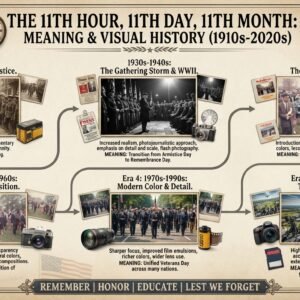
Check EligibilityVeterans Day is a significant federal holiday in the United States dedicated to honoring military veterans who have served in the United States Armed Forces. Observed annually on November 11, the day was initially established as Armistice Day to commemorate the end of World War I, which officially transpired on that date in 1918. However, in 1954, following the advocacy of various veteran organizations, Armistice Day was renamed Veterans Day, expanding its purpose to honor all veterans, both living and deceased, who have served in the military.
The significance of Veterans Day lies in its recognition of the sacrifices made by individuals who have donned the uniform of the United States military. This holiday serves as a poignant reminder of the valor and commitment exhibited by these men and women throughout America’s history, ensuring that their contributions to national security and freedom are not forgotten.
Celebrations and observances of Veterans Day often include various events across the country, such as parades, memorial services, and educational programs designed to raise awareness about the experiences of veterans. Many communities host gatherings that provide veterans opportunities to share their stories, fostering a deeper understanding of military service among civilians. Additionally, government officials routinely deliver speeches expressing gratitude for the sacrifices made by service members. Various organizations also coordinate initiatives to provide support for veterans, demonstrating a collective gratitude for their dedication.
In essence, Veterans Day stands as a testament to the service of all veterans, symbolizing national unity and appreciation for those who have contributed to the security and principles of the nation. Through recognition and respect, the observances associated with this day reinforce the invaluable role of veterans in shaping American society.
Key Differences Between Memorial Day and Veterans Day
Memorial Day and Veterans Day serve distinct purposes within the framework of honoring the military in the United States. Understanding these differences is essential for appropriate observance and respect for those who have served and sacrificed.
Memorial Day is observed on the last Monday of May, and its primary focus is to honor and remember the men and women who lost their lives while serving in the U.S. military. It originated after the Civil War, initially known as Decoration Day, to commemorate fallen soldiers. This solemn occasion encourages individuals to reflect on the sacrifices made by these servicemen and women. Observances may include visiting cemeteries and memorials, where families place flags and flowers on graves, as well as participating in community parades that pay tribute to the deceased.
In contrast, Veterans Day is celebrated on November 11 each year and is dedicated to honoring all military veterans who have served in the U.S. Armed Forces, regardless of whether they were in active combat. Established in 1954, Veterans Day serves to celebrate their service and contributions to the nation. Public events typically include ceremonies at war memorials, community gatherings, and parades. Many organizations and businesses offer discounts and promotions specifically aimed at veterans in recognition of their service.
While both Memorial Day and Veterans Day are important observances, the integral difference lies in who is honored. Memorial Day is a day of mourning for those who have died, whereas Veterans Day celebrates all veterans for their service. Distinguishing between these two traditions ensures respectful participation in each event’s unique purpose.
Why Mixing Them Up Hurts Veterans
The distinction between Memorial Day and Veterans Day is often overlooked, and this confusion can have significant emotional repercussions for veterans and the families of deceased service members. While both holidays serve to honor the military, they carry different meanings. Memorial Day is dedicated to remembering those who died in service, whereas Veterans Day honors all who have served in the military.
When individuals mix up these two dates, it can lead to painful misunderstandings. For families who have lost loved ones in combat, a careless remark such as “Thank you for your service” on Memorial Day can feel like an insensitivity to their loss. The day is meant for mourning and remembrance, not for celebrating the living. Such comments can evoke feelings of anger, sorrow, and isolation amongst grieving families, who may feel their loved ones’ sacrifices are being diminished.
Veterans themselves may also feel personally affected. For many, the memories of fallen comrades are vivid, and the misplacement of these critical commemorative days can render their own service experiences less valid or meaningful. Veterans may find it hard to reconcile the contrasting themes of celebration and sorrow when these two occasions are conflated. Acknowledging the true nature of each holiday fosters an environment of respect and understanding for those impacted by the loss of comrades-in-arms.
Furthermore, the correct use of language and greetings on these days is not merely a formality but a recognition of the sacrifices made. By distinguishing between Memorial Day and Veterans Day, we honor the unique contributions of those we remember. Understanding these nuances is key in fostering a compassionate dialogue with veterans and their families, thus promoting healing and communal support during these significant times of remembrance.
Common Myths About Memorial Day and Veterans Day
As Memorial Day and Veterans Day approach each year, numerous misconceptions arise regarding their significance and purpose. One prevailing myth is that both holidays honor veterans alike. In reality, Memorial Day specifically commemorates those who have died in military service, while Veterans Day celebrates the service of all U.S. military veterans, both living and deceased. This foundational distinction is crucial for understanding and respecting the unique nature of each day.
Another common misconception is that Memorial Day serves merely as a marker for the unofficial start of summer. While it does coincide with the beginning of the summer season, the day holds deep national significance, rooted in honoring those who made the ultimate sacrifice for the country. Treating this day as just a holiday for leisure distracts from its solemn purpose and the sacrifices made by countless service members.
Some individuals mistakenly believe that all flags should be flown at half-mast on Veterans Day. However, this gesture is reserved specifically for Memorial Day. On Veterans Day, flags are customarily displayed at full staff to honor living veterans who have served in the military. Understanding these nuances effectively distinguishes the intention behind each holiday.
Furthermore, there is a prevailing belief that attending or participating in parades and events is an adequate way to honor veterans and fallen soldiers. While these events do serve to raise awareness and show support, true remembrance involves more profound actions, such as understanding their sacrifices and engaging in discussions that honor their legacy.
In conclusion, addressing these myths is essential for fostering a deeper understanding of Memorial Day and Veterans Day. Acknowledging the unique significance of each holiday can enhance appreciation for the sacrifices made by service members throughout history.
How to Properly Observe Each Holiday
Observing Memorial Day and Veterans Day appropriately is crucial in honoring the significance of each holiday. Memorial Day, observed on the last Monday of May, is a time for remembering and honoring those who have died in military service to the United States. One of the most meaningful ways to observe this day is by attending memorial services or ceremonies held in local cemeteries or parks. Many communities organize these events, often featuring speakers who share the stories of fallen soldiers. Participating in these gatherings fosters a sense of community and pays tribute to the sacrifices made by service members.
Another respectful way to observe Memorial Day is to visit cemeteries and place flags or flowers on the graves of veterans. This simple act demonstrates gratitude and remembrance for those who gave their lives, ensuring that their sacrifices are not forgotten. Additionally, moments of silence or reflection can be observed at 3:00 PM local time, which is designated as the National Moment of Remembrance.
Conversely, Veterans Day, celebrated on November 11, honors all military veterans who have served in the U.S. Armed Forces. To properly observe Veterans Day, one might consider thanking veterans for their service personally. Acknowledging a veteran’s service can happen in various settings, such as through casual conversations, at local parades, or during community events dedicated to honoring veterans.
Furthermore, participating in local events—such as parades or ceremonies hosted by veteran organizations—provides an avenue to show appreciation for all veterans. Many schools and educational institutions conduct programs to teach the importance of Veterans Day, which can encourage younger generations to understand and appreciate the service of those who protect the nation.
Educational Efforts and Resources
Understanding the distinctions between Memorial Day and Veterans Day is crucial for honoring the sacrifices made by service members throughout American history. Several resources are available for individuals seeking to deepen their knowledge about these two important observances. Books and articles provide detailed insights, while organizations dedicated to veteran affairs offer educational programs and outreach initiatives.
One excellent resource is the book “The Essential Book of Veteran Affairs,” which delves into the history and significance of both Memorial Day and Veterans Day. This publication includes essays and narratives that highlight the experiences of veterans and their families, helping readers understand the emotional context behind each holiday. Further reading can also be found in various academic journals that explore military history, allowing for a more comprehensive grasp of the themes surrounding these observances.
Online organizations such as the Veterans of Foreign Wars (VFW) and the American Legion provide ample resources for anyone wishing to learn more. These organizations frequently publish articles and host seminars that educate the public about veteran affairs and the specific purposes of Memorial Day and Veterans Day. Additionally, many public libraries now offer programs aimed at raising awareness about military holidays, making this information more accessible to the community.
Moreover, the National Cemetery Administration has a plethora of educational materials that clarify the meaning and observance of both holidays. Their website includes a dedicated section where visitors can find various resources including brochures, videos, and links to partner organizations. By leveraging these resources, individuals can gain a clearer understanding of the differences between Memorial Day and Veterans Day, ensuring that they pay appropriate tribute to those who have served and sacrificed for their country.
Importance of Recognition and Understanding
Understanding the distinctions between Memorial Day and Veterans Day is paramount for recognizing and honoring those who have served in the military. Many individuals confuse these two significant occasions, leading to blurred lines surrounding their meanings and intended tributes. Memorial Day is a solemn occasion dedicated to honoring the men and women who have made the ultimate sacrifice in service to their country. It is a day of remembrance, ensuring that the memories of fallen heroes are preserved in the hearts of citizens. In contrast, Veterans Day celebrates all military veterans who have served in the armed forces, showcasing gratitude towards those who have worn the uniform, whether during wartime or peacetime.
The impact of celebrating these days correctly cannot be overstated. For the families of service members who have lost their lives, Memorial Day can evoke profound emotions as the nation acknowledges their loss and pays tribute to their sacrifices. On the other hand, for veterans, having a dedicated day of recognition fosters a sense of community and appreciation, confirming that their contributions have not gone unnoticed. Clear differentiation between these days promotes a collective understanding, which is essential for fostering respect and appreciation toward both categories of individuals.
Moreover, enhancing awareness about the significance of each holiday contributes to a more informed and respectful society. Many individuals benefit from educational initiatives aimed at clarifying the meanings of Memorial Day and Veterans Day. Such initiatives can cultivate a deeper appreciation for the sacrifices made by service members, equipping citizens with the knowledge necessary to honor their legacies appropriately.
Ultimately, accurate recognition plays a vital role in ensuring that the sacrifices made by military personnel are adequately honored and remembered. Through increased understanding, society can foster a culture of gratitude and respect, effectively commemorating those who have devoted their lives to protecting the freedoms and values cherished in the country.

🇺🇸 IMPORTANT DISCLAIMER – Veterans Benefits Information
This site provides general information about U.S. Department of Veterans Affairs (VA) benefits for educational and informational purposes only.
- Not Official: We are NOT affiliated with, endorsed by, or connected to the U.S. Department of Veterans Affairs (VA), the Veterans Benefits Administration (VBA), the Veterans Health Administration (VHA), or any other government agency.
- No Legal/Financial Advice: The content on this website is for informational purposes only and does not constitute legal, financial, or medical advice. VA benefits rules change frequently – always consult with an accredited Veterans Service Officer (VSO) or a qualified professional for your specific situation.
- Official Sources: For official, binding information and to apply for benefits, always visit official .gov websites: VA.gov, Benefits.VA.gov, or SSA.gov.
- No Data Collection: This site does not collect, store, or process any personal information. It does not have login forms, contact forms, or any system to capture user data. We never ask for your Social Security Number, bank details, or any personal information.
- 🚨 Scam Alert: The VA and other government agencies never charge fees for benefit applications. If anyone asks for money to "process" your VA claim, it is a scam. Report it to the VA Office of Inspector General at VA.gov/OIG.
- Advertising: This site uses third-party advertising (Adsterra) to cover operational costs. We do not endorse or guarantee any products or services advertised.
📌 Information provided as of June 2026. Always verify current eligibility and rules with official .gov sources.
This site is not affiliated with the U.S. Department of Veterans Affairs or any government agency. All information is for educational purposes only. Please visit VA.gov for official information.
