

What is the VA Funding Fee?
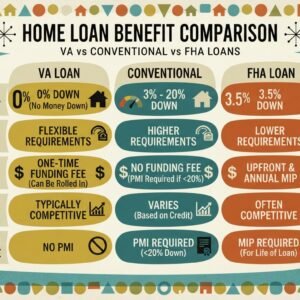
The VA funding fee is a one-time charge that veterans and certain service members must pay in order to obtain a VA-backed loan. This fee serves to help finance the VA loan program, which, in turn, enables veterans and eligible surviving spouses to secure home financing with favorable terms. Unlike traditional loans that may require private mortgage insurance (PMI), VA loans do not impose this additional ongoing cost, significantly reducing the overall expense of homeownership for veterans.
The primary purpose of the VA funding fee is to provide a sustainable source of funding for the VA loan program, which ultimately benefits veterans in accessing affordable housing. By charging this fee, the program can maintain its financial stability while offering competitive interest rates and lenient qualification standards. Lenders are more willing to finance veterans, knowing the VA loan is secured by the federal government, reducing their risk.

Furthermore, the funding fee helps balance the VA loan system, ensuring that the costs are shared fairly. Those who utilize the program contribute to the cost of providing it, while those who do not benefit from it are not burdened by overhead costs. Depending on the loan amount, type of service, and whether it is the veteran’s first use of the program, the funding fee is typically calculated as a percentage of the loan amount. For first-time homebuyers, the fee may be lower compared to subsequent uses.

In summary, the VA funding fee plays a crucial role in facilitating homeownership opportunities for veterans by supporting the VA loan program’s sustainability. This one-time payment contributes to creating a robust lending environment that offers benefits to both veterans and lenders, making the process of obtaining a home loan more accessible for those who have served in the military.
2026 VA Funding Fee Rates for First-Time Homebuyers
For first-time homebuyers utilizing the VA loan program in 2026, understanding the VA funding fee is crucial as it directly impacts overall loan costs. The VA funding fee is a one-time fee charged to borrowers who are acquiring a mortgage backed by the Department of Veterans Affairs. These fees help to sustain the VA loan program and decrease costs for taxpayers.
In 2026, the basic VA funding fee rates for first-time homebuyers are set as follows: for loans with a down payment of less than 5%, the rate is 2.3% of the loan amount. For those making a down payment between 5% and 10%, the fee decreases to 1.65%. If a borrower makes a down payment of 10% or more, the funding fee further reduces to 1.4%. These rates reflect a slight adjustment from previous years, where the percentage rates for various down payment thresholds were marginally higher.
It is important to note that these funding fees can vary based on service status, with different rates applicable to active duty members, veterans, and National Guard or Reserve members. Additionally, exemptions may apply for certain individuals with service-related disabilities, potentially alleviating the entire funding fee requirement.
Veterans May Qualify for Extra Benefits
Check available financial assistance, healthcare programs and other opportunities that may apply to you.
Check EligibilityWhen considering the impacts of these fees, first-time homebuyers should understand that incorporating the VA funding fee into their loan amount may affect their monthly repayments. For example, on a $250,000 loan, a funding fee of 2.3% would add approximately $5,750 to the total loan amount. Consequently, borrowers should carefully evaluate how these fees influence their overall borrowing costs when planning their home purchase.
Exemptions and Reductions in VA Funding Fees
The VA funding fee, a necessary financial obligation for many veterans using VA loans, can pose a significant cost barrier for some first-time homebuyers. However, it is important to recognize that there are specific exemptions and reductions available that can greatly alleviate this financial burden for eligible individuals.
One prominent category of exemption pertains to veterans with service-related disabilities. According to the U.S. Department of Veterans Affairs, veterans who have been awarded compensation for a disability from their time in service are exempt from the VA funding fee entirely. This exemption not only eases the financial strain associated with purchasing a home but also encourages veterans to take advantage of VA loan benefits, allowing them greater access to homeownership.
To obtain this exemption, eligible veterans must provide the appropriate documentation substantiating their disability status. This includes submitting a VA Form 26-8937, which is the Verification of VA Benefits form, alongside any additional paperwork that supports the disability claim. It is advisable to work closely with a VA-approved lender or a knowledgeable real estate professional who can assist in navigating this process effectively.
Furthermore, certain surviving spouses of veterans who died in service or as a result of a service-related condition may also be exempt from the VA funding fee. This provision extends support to those managing the aftermath of loss, enabling them to secure housing without the worry of upfront funding fees.
The impact of these exemptions on the overall cost of VA loans can be considerable. By eliminating or reducing funding fees, eligible borrowers can save thousands of dollars, which not only lowers the initial financial burden but also enhances long-term affordability. As with all financial benefits, it is imperative for borrowers to stay informed about their eligibility for these exemptions to maximize the benefits of their VA loan options.
Planning for the VA Funding Fee: Budgeting for Your Home Purchase
For first-time homebuyers considering a VA loan, understanding the VA funding fee is an essential step in the budgeting process. The funding fee is designed to help sustain the VA home loan program and is typically calculated as a percentage of the loan amount. Therefore, it is vital to factor this fee into your overall home financing.
To accurately calculate the VA funding fee, homebuyers need to know the base loan amount. The fee percentage can vary depending on the borrower’s military service history, whether it is the first time applying for a VA loan, and whether a down payment is made. Generally, first-time homebuyers without a down payment can expect a fee around 2.3% of the loan amount. In contrast, subsequent use may incur a slightly higher percentage. This variance emphasizes the importance of checking the current rates as they can change.
When budgeting for the VA funding fee, it is beneficial to consider not only the cost of the fee itself but also how it integrates with other home-buying expenses. For instance, buyers should anticipate closing costs, which might range between 2% to 5% of the loan amount. By assessing the total cost of homeownership—including the VA funding fee, closing costs, monthly mortgage payments, property taxes, and home insurance—first-time homebuyers can create a comprehensive budget that accurately reflects their financial situation.
To effectively prepare for these additional costs associated with a VA loan, prospective homebuyers should consider setting aside savings specifically designated for the funding fee and other related expenses. Establishing a dedicated savings goal will help ease the financial burden when the time comes to finalize the home purchase. Moreover, seeking advice from financial advisors or mortgage experts can provide additional insights into budget planning, ensuring a smoother experience when navigating the complexities of home financing with a VA loan.

🇺🇸 IMPORTANT DISCLAIMER – Veterans Benefits Information
This site provides general information about U.S. Department of Veterans Affairs (VA) benefits for educational and informational purposes only.
- Not Official: We are NOT affiliated with, endorsed by, or connected to the U.S. Department of Veterans Affairs (VA), the Veterans Benefits Administration (VBA), the Veterans Health Administration (VHA), or any other government agency.
- No Legal/Financial Advice: The content on this website is for informational purposes only and does not constitute legal, financial, or medical advice. VA benefits rules change frequently – always consult with an accredited Veterans Service Officer (VSO) or a qualified professional for your specific situation.
- Official Sources: For official, binding information and to apply for benefits, always visit official .gov websites: VA.gov, Benefits.VA.gov, or SSA.gov.
- No Data Collection: This site does not collect, store, or process any personal information. It does not have login forms, contact forms, or any system to capture user data. We never ask for your Social Security Number, bank details, or any personal information.
- 🚨 Scam Alert: The VA and other government agencies never charge fees for benefit applications. If anyone asks for money to "process" your VA claim, it is a scam. Report it to the VA Office of Inspector General at VA.gov/OIG.
- Advertising: This site uses third-party advertising (Adsterra) to cover operational costs. We do not endorse or guarantee any products or services advertised.
📌 Information provided as of June 2026. Always verify current eligibility and rules with official .gov sources.
This site is not affiliated with the U.S. Department of Veterans Affairs or any government agency. All information is for educational purposes only. Please visit VA.gov for official information.
