

Understanding VA Funding Fees
The VA funding fee is a vital component of the VA home loan program, designed to help offset the costs associated with loan defaults and ensure the sustainability of the program. This fee applies to all borrowers who use their VA loan benefits, with the amount varying based on several factors, including the type of loan, the amount of the down payment, and whether the borrower is a first-time user or a subsequent user of the VA benefit.
Generally, VA funding fees can range from 1.4% to 3.6% of the loan amount. For example, first-time homebuyers who make a down payment of less than 5% would typically incur a 2.3% funding fee. If a borrower puts down 5% or more, this fee may decrease to 1.65%. For those who have previously used their VA benefits, the fees are slightly higher, with rates starting at 3.6% for no down payment and decreasing for larger down payments. These variations ensure that the funding fee structure accommodates the different financial situations of borrowers.

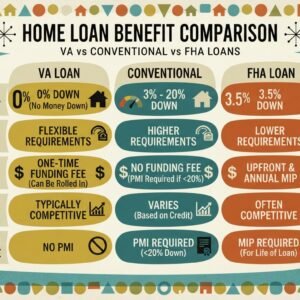
The rationale behind the VA funding fees is to maintain the program’s accessibility and stability. While the fees can represent a significant upfront cost for some borrowers, they also allow veterans and active-duty service members to access loans without requiring costly private mortgage insurance. Furthermore, the funding fees serve to protect taxpayers by contributing to the VA loan guarantee program, ensuring that sufficient funds are available to cover any potential losses incurred by the government due to borrower defaults.

Understanding the specifics of VA funding fees is essential for potential borrowers, as these fees can significantly impact the overall cost of a home loan. By being informed about the factors that influence the fee structure, borrowers can make better financial decisions regarding their home purchases.
Eligibility Criteria for Refunds
Veterans may be eligible for a refund of the VA funding fee under several specific conditions. One primary criterion is the awarding of VA disability compensation, which is a benefit designed to help veterans who have sustained service-related injuries or illnesses. If a veteran receives a disability rating of 10% or higher from the Department of Veterans Affairs, they may qualify for a refund of the funding fee paid at the time of obtaining a VA loan. This rating must be effective prior to the loan closing date.
The significance of the effective date cannot be overstated. For a refund to be processed, veterans need to ensure that their disability compensation rating was established before the actual closing of their VA loan. This requirement is crucial as it establishes the timeline of eligibility for the refund. If the rating is awarded after the loan closing, the veteran would not be eligible for a refund of the funding fee.
Additionally, veterans should be aware of other eligibility requirements that may impact their entitlement to a funding fee refund. For instance, the VA funding fee could be waived for certain veterans who are receiving compensation for service-related disabilities, which might also eliminate the need for a refund request altogether. It is also essential for veterans to maintain proper documentation of their disability rating and any correspondence with the VA regarding their funding fee. In some cases, those who are qualified to be exempt from the VA funding fee will find that they are not liable to pay this fee in the first place, thus simplifying the process. Understanding these eligibility criteria is paramount for veterans seeking to navigate the VA funding fee refund process effectively.
Necessary Documentation for the Refund Process
Veterans May Qualify for Extra Benefits
Check available financial assistance, healthcare programs and other opportunities that may apply to you.
Check EligibilityWhen initiating a VA funding fee refund request, veterans need to ensure they have gathered a comprehensive set of documents to facilitate the process. Having all necessary paperwork organized can significantly expedite the refund process, as it provides the VA with the required information to process the claim efficiently.
Firstly, a critical document that veterans must obtain is the disability award letter. This letter serves as formal proof of the veteran’s disability status and is essential in validating eligibility for the refund. The VA issues this letter upon awarding disability benefits, which can typically be accessed through the VA’s eBenefits portal or by contacting the VA directly.
Next, closing documents related to the original loan are necessary. These documents usually include the closing disclosure, which outlines the terms of the loan and specifies the funding fee amount charged at closing. It is important to have these documents ready, as they provide insight into the financial aspects of the loan and the funding fee applied.
Additionally, the mortgage statement is another key document that veterans should collect. This statement not only confirms the current status of the mortgage but also may include information pertinent to the calculation of the refund amount based on the terms of the loan. Veterans should ensure that this statement is recent to reflect current payment statuses.
Other helpful documents may include any correspondence with the lender regarding the funding fee and any prior refund requests submitted. Gathering these documents can create a complete picture of the veteran’s situation, which can aid in expediting the request for a refund. Overall, having all relevant documentation organized and readily available is a crucial step that can lead to a smoother refund process for veterans seeking to reclaim the funding fee.
Steps to Initiate and Track Your Refund Request
Initiating a refund request for the VA funding fee is a critical step for veterans seeking reimbursement. To begin, veterans should first gather all necessary documentation, including the original loan details and proof of eligibility for the refund. Having this information readily available will streamline the process.
The first action point is to contact the VA regional loan center that manages your account. This can typically be done via phone or through their official website. When reaching out, provide your personal and loan information so that the representative can assist you effectively. It is advisable to take notes during this conversation, including the name of the representative, in case you need to follow up later on your request.
Once you have submitted your request for a refund, it’s important to understand what to expect next. The processing time for refunds can vary; however, veterans can generally expect to wait several weeks to a few months for their requests to be reviewed and processed. During this period, transparency with veterans is key, and the VA should communicate any updates or additional requirements necessary for the processing of the claim.
To track the status of your refund request, you can periodically check in with the same VA regional loan center. Many VA channels also offer online tracking options on their websites, where veterans can enter their information to see real-time updates regarding their application’s status. Utilizing these resources ensures that you remain informed throughout the refund process.
In conclusion, initiating and tracking the VA funding fee refund request involves careful preparation, effective communication with the VA, and ongoing follow-up to ensure a smooth reimbursement process. By following these steps, veterans can confidently navigate the refund landscape.
🇺🇸 IMPORTANT DISCLAIMER – Veterans Benefits Information
This site provides general information about U.S. Department of Veterans Affairs (VA) benefits for educational and informational purposes only.
- Not Official: We are NOT affiliated with, endorsed by, or connected to the U.S. Department of Veterans Affairs (VA), the Veterans Benefits Administration (VBA), the Veterans Health Administration (VHA), or any other government agency.
- No Legal/Financial Advice: The content on this website is for informational purposes only and does not constitute legal, financial, or medical advice. VA benefits rules change frequently – always consult with an accredited Veterans Service Officer (VSO) or a qualified professional for your specific situation.
- Official Sources: For official, binding information and to apply for benefits, always visit official .gov websites: VA.gov, Benefits.VA.gov, or SSA.gov.
- No Data Collection: This site does not collect, store, or process any personal information. It does not have login forms, contact forms, or any system to capture user data. We never ask for your Social Security Number, bank details, or any personal information.
- 🚨 Scam Alert: The VA and other government agencies never charge fees for benefit applications. If anyone asks for money to "process" your VA claim, it is a scam. Report it to the VA Office of Inspector General at VA.gov/OIG.
- Advertising: This site uses third-party advertising (Adsterra) to cover operational costs. We do not endorse or guarantee any products or services advertised.
📌 Information provided as of June 2026. Always verify current eligibility and rules with official .gov sources.
This site is not affiliated with the U.S. Department of Veterans Affairs or any government agency. All information is for educational purposes only. Please visit VA.gov for official information.
