

Introduction to VA Home Loans
VA home loans are a crucial financial resource designed specifically for veterans and active-duty service members. These loans are part of the U.S. Department of Veterans Affairs‘ program, which aims to facilitate home ownership for those who have served the nation. One of the primary advantages of VA loans is that they do not require a down payment, making them particularly attractive to eligible veterans who may struggle to save for a traditional home purchase.
In addition to offering no down payment, VA home loans come with several benefits that set them apart from conventional lending options. For example, borrowers are not required to carry private mortgage insurance (PMI), which can significantly reduce monthly payments and overall costs. Furthermore, interest rates on VA loans tend to be lower than those found in the conventional market, allowing veterans to enjoy more favorable borrowing terms.

Eligibility for VA home loans is primarily determined by factors such as the length of service, duty status, and discharge conditions. Generally, veterans who have served a minimum period—typically 90 days of active service during wartime or 181 days during peacetime—may qualify. Additionally, surviving spouses of veterans who died in service or as a result of a service-connected disability may also be eligible for VA loans.

The significance of VA home loans in the lives of veterans cannot be overstated. The program not only facilitates home ownership but also supports financial stability, enabling veterans to establish roots in their communities. As veterans increasingly recognize the unique advantages of VA loans over conventional options, they are turning to organizations such as Veterans United Home Loans for guidance and support in their home-buying journey.
The Surge in Veterans Seeking Home Loans
In 2026, there has been a notable increase in the number of veterans opting for home loans through Veterans United. This trend has been supported by a growing body of statistical data indicating that veterans are actively seeking financial assistance to achieve homeownership. Recent reports show a remarkable 15% rise in loan applications among veterans compared to the previous year. The combination of favorable interest rates and specialized loan products tailored specifically to veterans plays a significant role in this increasing trend.
Veterans United has emerged as a leading provider of VA home loans, particularly due to its commitment to understanding the unique needs of those who have served in the military. The company’s customer service and dedication to helping veterans navigate the complexities of home buying have encouraged more veterans to pursue homeownership. Many veterans cite the ease of the loan application process as a key factor in their decision to turn to Veterans United, highlighting the personalized support they receive throughout their home-buying journey.
Testimonials from veterans who have recently successfully secured home loans through Veterans United provide valuable insight into this phenomenon. One veteran shared, “I never thought homeownership was possible for me, but with the support and resources offered by Veterans United, I was able to secure a loan with favorable terms.” Another noted that the education and guidance they received helped demystify the lending process, making it accessible and manageable.
Veterans May Qualify for Extra Benefits
Check available financial assistance, healthcare programs and other opportunities that may apply to you.
Check EligibilityAs the trend for veterans seeking home loans continues to surge, it is clear that Veterans United is at the forefront of meeting the needs of those who have dedicated their lives to serving the country. This alignment of services has resulted in a significant uptick in satisfaction and success in homeownership among veterans.
Understanding the $0 Down Payment Benefit
One of the most appealing features of Veterans United Home Loans is the $0 down payment benefit associated with VA loans. This financial option has been transformative for many veterans seeking to become homeowners, particularly for those who may not have significant capital to invest upfront. The absence of a down payment alleviates one of the most substantial barriers to homeownership, making the dream of owning a home more accessible to military personnel and veterans.
Traditionally, prospective homebuyers are required to make a down payment that can range from 3% to 20% of the home’s purchase price. This requirement can often prevent individuals from entering the housing market. However, with the VA loan, eligible veterans can secure financing for a home without any down payment, which serves as a significant financial benefit. This innovative feature is particularly beneficial for veterans who have faced financial constraints after their service.
Furthermore, the financial flexibility offered by the $0 down payment can allow veterans to allocate their resources toward other essential expenses, such as home renovations or establishing an emergency fund. This capability significantly enhances their financial stability in post-service life. Additionally, while securing a loan with no down payment, veterans typically experience favorable interest rates and terms, further supporting their journey towards homeownership.
As more veterans become aware of these advantages, the demand for VA loans and services provided by Veterans United Home Loans continues to grow. The $0 down payment benefit exemplifies how military-served individuals can achieve homeownership in a market that may otherwise pose financial challenges. This pivotal feature not only promotes financial empowerment but also facilitates the creation of stable communities where veterans can thrive.
Navigating Low Interest Rates
As of 2026, the landscape of interest rates for VA loans remains notably favorable compared to conventional mortgage rates. Veterans United Home Loans has emerged as a popular choice among veterans seeking financial assistance in securing their home financing needs. The current state of affairs reveals that VA loan rates are consistently lower than those of conventional loans, providing a compelling advantage for military personnel and veterans alike.
The primary benefit of securing a VA loan at these reduced rates is the significant amount of money that veterans can save over the life of their mortgage. For instance, a lower interest rate directly correlates to reduced monthly payments, which translates to overall savings over the duration of the loan. This financial relief can substantially aid veterans who are often navigating the challenges of transitioning to civilian life, often coupled with the costs associated with homeownership.
Moreover, the implications of these low interest rates extend beyond mere savings. With more affordable monthly payments, veterans may have the flexibility to allocate their financial resources toward other critical areas, such as education, healthcare, or investment opportunities. This enhanced financial comfort allows veterans to better manage their budgets while also benefiting their families. Coupled with the lack of a down payment requirement and no private mortgage insurance (PMI), the decision to opt for a VA loan through Veterans United becomes increasingly attractive.
In conclusion, the current low interest rates for VA loans present an exceptional opportunity for veterans, allowing them to secure favorable financing that can lead to substantial savings throughout the life of their mortgage. As interest rates remain competitive, it is imperative for veterans to consider these offerings from Veterans United Home Loans when making their mortgage choices in 2026.
The Risks Involved: Recent Allegations Against Veterans United
In recent months, Veterans United Home Loans has faced serious legal allegations that cast a shadow over its operations. As one of the prominent lenders catering to veterans and active-duty military personnel, it is crucial for potential borrowers to be aware of these claims and consider the implications before proceeding.
The allegations involve unauthorized fees and misleading practices that allegedly cost veterans significantly. Specific claims have surfaced regarding the failure to disclose certain loan-related costs, leaving customers with a wrong impression of the total expense involved in securing a home loan. Such practices not only undermine trust but may also lead to substantial financial burdens for borrowers who rely on clear and honest communication from their lenders.
Additionally, claims of unlawful discrimination in lending practices have emerged, raising concerns about whether all veterans are receiving fair treatment when applying for loans. Discriminatory practices undermine the fundamental principles of equality and fairness, making it imperative for those considering Veterans United to ensure they are well-informed about their rights and options.
It is essential for current and future customers to conduct thorough research into these allegations. While Veterans United has a robust reputation in many areas, the recent legal issues serve as a critical reminder of the necessity for due diligence. Potential borrowers should delve into reviews, seek testimonials, and understand the implications these allegations hold for their potential loans.
In light of these recent allegations, veterans and military personnel would benefit from consulting with financial advisors or legal experts who can provide guidance tailored to their situations. This knowledge may assist in making informed decisions that safeguard their financial wellbeing. By understanding the risks involved, veterans can make educated choices that align with their best interests.
The decision to select a lender is often critical for veterans seeking to navigate the complexities of home loans. Many veterans who opted for Veterans United Home Loans report a mix of positive experiences and concerns regarding their loan acquisition process. These experiences shed light on how veterans balance the benefits offered by the lender against potential apprehensions.
One notable advantage veterans cite is the comprehensive understanding that Veterans United has regarding the unique financial situations facing military personnel. Numerous individuals remarked on the lender’s ability to simplify the often daunting process of obtaining a home loan, particularly through the expertise in VA loan programs. This specialized knowledge can facilitate the navigation of intricate paperwork and eligibility requirements, which can be particularly beneficial for those unfamiliar with the home buying process.
However, not all feedback was unequivocally positive. Some veterans voiced concerns about perceived fees that could be deemed excessive relative to other lenders. Experiences varied widely, with some veterans expressing their frustration over unclear communication regarding these fees during the initial loan estimate phase. In certain instances, a gap between expectations set during the consultation process and the actual costs encountered led to disappointment.
Additionally, while many veterans appreciated the support received, there were also instances of dissatisfaction regarding wait times for responses during critical moments of the loan process. Veterans highlighted the importance of streamlined communication, especially when navigating such significant financial decisions.
In summary, the experiences shared by veterans regarding Veterans United Home Loans illustrate a dichotomy of satisfaction and concern. While advantages clearly exist, notably in the understanding of VA benefits, concerns about transparency and communication highlight the complexity of each veteran’s journey in obtaining a home loan. As veterans weigh these factors, their shared insights contribute to a more informed decision-making process for future applicants.
Comparing Veterans United to Other Lenders
Veterans United Home Loans has emerged as a preferred choice among veterans seeking VA loans. When comparing this institution to other lenders, several factors come into play, including service quality, loan options, interest rates, and unique offerings. One of the most significant advantages of Veterans United is its specialization in VA loans. Unlike many other lenders, Veterans United exclusively focuses on home loans for service members, veterans, and eligible surviving spouses, positioning it as a leader in this niche market.
In terms of customer service, Veterans United tends to receive higher ratings compared to traditional banks. The company provides tailored support through loan officers who have a deep understanding of the intricacies involved in the VA loan process. This depth of knowledge can simplify the borrowing experience for veterans, which is often not the case with many larger financial institutions where loan officers may not possess specialized training in VA financing.
Rates are another critical aspect when comparing lenders. Veterans United often offers competitive interest rates, sometimes lower than those available through conventional loan providers. This can translate into significant savings over the life of the loan, making housing more affordable for veterans. Moreover, Veterans United can provide flexible loan options, including fixed-rate mortgages and VA streamline refinances, ensuring that borrowers have access to the right loan for their specific circumstances.
Additionally, Veterans United distinguishes itself through its commitment to educational resources. The company provides extensive online tools, articles, and webinars to help veterans understand the homebuying process and improve their financial literacy. This dedication to borrower education can be a valuable asset not found at every lender, further solidifying its reputation as a go-to source for veterans seeking home loans.
Making Informed Decisions About VA Loans
For veterans contemplating the journey of homeownership through VA loans, making informed decisions is essential. The process begins with comprehensive research, allowing potential homeowners to grasp the variety of options available under the VA loan program. Understanding the benefits and specifics of VA loans compared to conventional or FHA loans can further equip veterans with the necessary information to navigate the housing market effectively.
One of the first steps in this process includes evaluating personal financial readiness. Veterans should take a thorough look at their credit scores, monthly income, and existing debt. Assessing these factors will contribute to a clearer understanding of what type of loan they can afford and the monthly payments they can manage without overextending themselves financially.
Another crucial step involves asking potential lenders pertinent questions. Veterans should inquire about the specific fees associated with the loans, such as closing costs, and the lender’s experience with VA loans. Questions regarding interest rates, loan terms, and lender support programs for veterans can also provide clarity on which lender might be the most beneficial partner throughout the home buying process.
Moreover, it’s important for veterans to accumulate documentation that validates their eligibility for the VA loan. This includes obtaining the Certificate of Eligibility (COE), which outlines benefits and entitlements. Being well-informed also extends to researching the local housing market trends to assess appropriate pricing for prospective homes. By engaging in this extensive groundwork and asking the right questions, veterans can facilitate an informed and strategic approach toward achieving homeownership.
Conclusion: The Future of VA Home Loans in 2026 and Beyond
As we look to the future, it is essential to consider the evolving landscape of VA home loans and the factors that continue to influence veterans’ experiences. The year 2026 presents a pivotal moment for veterans seeking home financing, especially through programs like Veterans United Home Loans. The enhanced accessibility provided by this organization, alongside supportive legislation, has played a vital role in promoting homeownership among those who have served in the military.
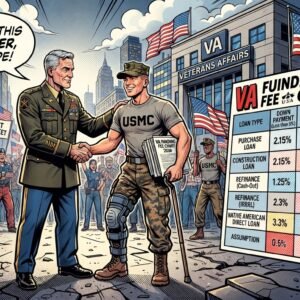
Continuous changes in the housing market, interest rates, and economic conditions are crucial elements that veterans must remain aware of as they navigate their home buying journey. With the increasing number of resources and information available, including expert guidance, veterans are better equipped than ever to make informed decisions regarding mortgage options. Awareness of eligibility criteria, funding fees, and potential benefits can significantly impact veterans’ financial well-being.
Moreover, the commitment from lenders like Veterans United to serve the veteran community ensures that borrowers can access specialized support tailored to their unique needs. As we advance into 2026 and beyond, a greater emphasis will be placed on transparency and education in the lending process. It is vital that veterans leverage available tools, such as online platforms and counselors, to understand their rights and responsibilities, thus fostering a more favorable borrowing environment.
In conclusion, as veterans look toward financing their homes, remaining proactive and informed is essential. The future of VA home loans seems promising, testament to the dedication of lenders and the unwavering spirit of veterans seeking the American dream of homeownership. By prioritizing knowledge and preparedness, veterans will continue to thrive in securing their homes with the advantages that VA loans provide.

🇺🇸 IMPORTANT DISCLAIMER – Veterans Benefits Information
This site provides general information about U.S. Department of Veterans Affairs (VA) benefits for educational and informational purposes only.
- Not Official: We are NOT affiliated with, endorsed by, or connected to the U.S. Department of Veterans Affairs (VA), the Veterans Benefits Administration (VBA), the Veterans Health Administration (VHA), or any other government agency.
- No Legal/Financial Advice: The content on this website is for informational purposes only and does not constitute legal, financial, or medical advice. VA benefits rules change frequently – always consult with an accredited Veterans Service Officer (VSO) or a qualified professional for your specific situation.
- Official Sources: For official, binding information and to apply for benefits, always visit official .gov websites: VA.gov, Benefits.VA.gov, or SSA.gov.
- No Data Collection: This site does not collect, store, or process any personal information. It does not have login forms, contact forms, or any system to capture user data. We never ask for your Social Security Number, bank details, or any personal information.
- 🚨 Scam Alert: The VA and other government agencies never charge fees for benefit applications. If anyone asks for money to "process" your VA claim, it is a scam. Report it to the VA Office of Inspector General at VA.gov/OIG.
- Advertising: This site uses third-party advertising (Adsterra) to cover operational costs. We do not endorse or guarantee any products or services advertised.
📌 Information provided as of June 2026. Always verify current eligibility and rules with official .gov sources.
This site is not affiliated with the U.S. Department of Veterans Affairs or any government agency. All information is for educational purposes only. Please visit VA.gov for official information.
