

Introduction to VA Mortgage Rates
VA mortgage rates refer to the interest rates associated with loans guaranteed by the U.S. Department of Veterans Affairs (VA). These rates are specifically designed for eligible veterans, active-duty service members, and certain members of the National Guard and Reserves. The primary purpose of VA loans is to provide financial assistance and facilitate homeownership for those who have served in the military.
The unique structure of VA mortgage rates is one of the significant factors that distinguishes them from conventional mortgage rates. Unlike conventional loans that often require a down payment, VA loans typically do not necessitate any down payment, thereby allowing qualified borrowers to finance 100% of their home’s value. Furthermore, VA mortgage rates are generally more favorable compared to traditional mortgage rates, often resulting in lower monthly payments and reduced overall borrowing costs.

One key aspect of VA mortgage rates is that they can fluctuate based on market conditions. They are influenced by various economic factors, including changes in the Federal Reserve’s interest rate policy, inflation expectations, and overall demand for mortgage products. Consequently, VA mortgage rates may exhibit greater stability during times of economic volatility, making them an attractive option for eligible borrowers.

Another notable difference between VA and conventional mortgage rates is the protection against lender’s risk that VA loan guarantees provide. Through a partial guarantee, the VA reduces the potential loss for lenders, allowing them to offer more competitive rates to veterans and active-duty military personnel.
This overview of VA mortgage rates sets the foundation for a deeper understanding of their current trends and the potential benefits they offer in comparison to conventional rates, particularly as we evaluate the financial landscape in May 2026.
Current VA Mortgage Rate Averages
As of May 2026, the current average VA mortgage rate for a 30-year fixed loan stands at 5.75%. This rate is particularly notable given the recent trends in the mortgage market, which have shown fluctuations and variances in interest rates. Understanding these rates is crucial for veterans who are considering financing options, as they have access to more favorable terms compared to conventional loan products.
When we compare this 5.75% VA mortgage rate to conventional mortgage rates, the differences are stark. Conventional rates typically range between 6% and 6.5% for a similar 30-year fixed mortgage, although this can vary based on numerous factors such as credit score, loan amount, and lender policies. The VA loan program, designed specifically for eligible veterans, offers competitive rates that reflect the government’s commitment to assisting those who have served in the military.
Veterans May Qualify for Extra Benefits
Check available financial assistance, healthcare programs and other opportunities that may apply to you.
Check EligibilityVeterans employing the benefits of a VA mortgage can potentially save thousands of dollars over the life of the loan. The lower interest rates associated with VA loans translate directly into lower monthly payments, which can significantly ease the financial burden on veterans and their families. Moreover, VA loans do not require private mortgage insurance (PMI), further enhancing savings when heading to the closing table.
Considering the combination of the lower average VA mortgage rate and the absence of PMI, veterans can leverage these favorable conditions to secure their financing and make homeownership a more attainable goal. In an environment where conventional rates remain high, the VA loan advantage becomes even more compelling, ensuring veterans benefit financially while fulfilling their homeownership dreams. This makes the current VA mortgage offerings particularly appealing, solidifying their place as a valuable financial tool for those eligible.
The Financial Benefits of VA Mortgages
The financial advantages of VA mortgages are significant, particularly when compared to conventional mortgage products. For many veterans, the most immediate benefit is the typically lower interest rate associated with VA loans. This lower rate can lead to substantial monthly savings on mortgage payments, providing veterans with increased cash flow to allocate towards other expenses or savings. Unlike conventional loans, which often require private mortgage insurance (PMI) when borrowers do not make a hefty down payment, VA loans do not mandate this additional cost. This omission translates to lower monthly payments, further enhancing affordability.
Moreover, when analyzing the lifetime costs of a VA mortgage, the savings continue to accumulate. With no PMI and lower interest rates, veterans can save thousands of dollars over the life of their loan in comparison to typical conventional loans. Such savings can be pivotal, enabling veterans to invest in other financial opportunities or essential life experiences. Additionally, potential refinancing options available without incurring pre-payment penalties are an essential aspect of VA loans, offering further flexibility and financial security.
Another financial advantage inherent in VA mortgages is the ability to secure a loan without a down payment, provided the veteran meets the eligibility criteria. This feature can be particularly beneficial for buyers lacking substantial upfront capital, as it opens doors to homeownership that might otherwise remain closed. Overall, the combination of lower monthly payments, absence of PMI, potential for lower lifetime costs, and no requirement for a down payment creates a compelling case for veterans considering a VA mortgage. These elements collectively contribute to greater financial stability and improved budgeting capabilities, allowing veterans to manage their finances more holistically than they might experience with conventional mortgage options.
Factors Influencing Your VA Mortgage Rate
Understanding the various factors that can influence a veteran’s VA mortgage rate is crucial for making informed financial decisions. One of the most significant factors is the individual’s credit score. Just like with conventional loans, a higher credit score typically leads to a lower interest rate. Lenders utilize the credit score as a primary measure of the risk involved in lending money. Veterans with good credit scores tend to secure better loan terms, potentially including lower VA mortgage rates, which may surpass those available through conventional financing.
Another important aspect to consider is the differences between lenders. VA mortgage rates can vary significantly from one lender to another due to their unique underwriting processes, fee structures, and overall business strategies. It is advisable for veterans to shop around and compare rates from multiple lenders before proceeding. Some lenders may also offer special promotions or lower rates depending on market conditions or particular qualifications they extend to eligible veterans.
Additionally, whether a veteran is classified as disabled can affect their mortgage rate, as disabled veterans might be eligible for specific benefits or favorable terms that can further reduce the borrowing cost. This is particularly pertinent because certain programs may waive funding fees for veterans with documented disabilities, leading to lower overall loan costs and possibly more favorable interest rates. Understanding these factors allows veterans to navigate the complexities of obtaining a VA loan more effectively, ensuring that the advertised mortgage rate does not become an unrealistic expectation and instead aligns closely with their financial profile.
How to Obtain the Best VA Mortgage Rate
Securing the best VA mortgage rate is fundamental for veterans seeking affordable home financing. The process can be streamlined by following several actionable strategies. First and foremost, improving your credit score is essential, as lenders often consider this a pivotal factor. To enhance your credit rating, pay down existing debts, make payments on time, and refrain from acquiring new credit before applying for the VA mortgage. A higher credit score not only increases the likelihood of approval but can also lead to more favorable interest rates.
Another critical step in obtaining a competitive VA mortgage rate is to conduct thorough research between various lenders. Different financial institutions and banks may offer varying rates, fees, and loan terms. Take the time to shop around and gather quotes from multiple lenders, ensuring that you effectively compare offers. Utilize online resources and tools that can help you assess current VA mortgage rates and evaluate the annual percentage rates (APRs) along with associated costs. Don’t hesitate to ask questions about the details of each loan proposal to ensure you understand the breakdown of fees and interest rates.
Lastly, it is crucial to grasp the nuances of the VA loan process. Familiarize yourself with eligibility requirements and documentation needed for applying for a VA mortgage. Ensure you have all necessary paperwork prepared before engaging with lenders to prevent delays in processing your application. Additionally, consider working with a VA-approved lender, as they possess specialized knowledge about VA loans and can guide you through the intricacies of the process. By following these steps, you will significantly increase your chances of securing the most favorable VA mortgage rate available.
Understanding VA Funding Fees
VA funding fees play a significant role in determining the overall cost of VA loans, a vital aspect for potential homebuyers considering this financing option. These fees are required by the U.S. Department of Veterans Affairs (VA) to help reduce the loan’s cost to taxpayers, enabling veterans and service members to access low-interest loans without the need for private mortgage insurance (PMI).
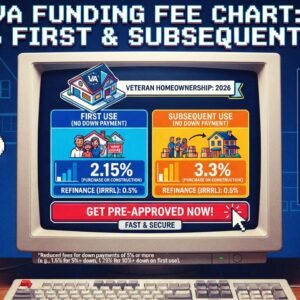
Generally, the VA funding fee varies based on several factors, including the type of loan, the veteran’s service history, and whether this is the buyer’s first VA loan. For instance, first-time VA loan users typically face a standard funding fee of 2.3% of the loan amount. Those using subsequent VA loans may incur a higher fee, often reaching 3.6%. However, these percentages can differ for certain types of borrowers, such as reservists or National Guard members.
Furthermore, the fee can be financed into the loan, meaning veterans don’t have to pay this fee upfront. By incorporating these costs into the mortgage amount, borrowers can manage their immediate financial burdens more effectively. It’s crucial for veterans to understand how these fees impact their overall mortgage costs; in essence, the funding fees slightly increase the monthly payment but can still lead to overall financial savings compared to conventional loans due to the absence of PMI.
Importantly, disabled veterans are exempt from VA funding fees. This waiver not only alleviates some financial pressure but also assists in making homeownership more achievable for those who have sacrificed for the country. Therefore, understanding VA funding fees is essential for veterans, as it aids in comprehensively evaluating the affordability of a VA mortgage compared to conventional financing options.
Breaking Down the Myths: VA Rates vs. Conventional Rates
When comparing VA mortgage rates to conventional mortgage rates, numerous myths exist that can cloud the understanding of potential borrowers. A common misconception is that the lowest interest rate is indicative of the best loan option. However, this perspective often overlooks important factors such as fees, insurance, and overall benefits associated with each type of mortgage.
VA loans are backed by the U.S. Department of Veterans Affairs, which lessens the risk for lenders. As a result, they typically offer more favorable terms than conventional loans. For instance, VA loans often do not require a down payment or private mortgage insurance (PMI), leading to lower overall costs for the borrower despite possibly slightly higher rates in certain markets. This absence of a down payment is particularly beneficial for veterans seeking to enter the housing market without the hefty upfront costs associated with typical mortgages.
Another prevalent myth is the notion that conventional mortgages are inherently more accessible due to their longer history and established standards. However, VA loans were designed specifically for veterans and active-duty service members, resulting in more lenient eligibility requirements. The criteria for VA loans may be easier for eligible borrowers, offering them greater access to financing options.
Interest rates, while important, do not provide a complete picture. VA mortgage rates may fluctuate based on several factors including the overall market trend, the lender’s perceived risk, and the borrower’s credit profile. Thus, potential borrowers should evaluate the total cost of homeownership associated with both VA and conventional loans.
In conclusion, understanding the real distinctions between VA and conventional mortgage rates, along with each loan’s respective benefits, is crucial for making an informed decision as a homebuyer. Evaluating the overall financial impact is essential, and the so-called ‘lowest rate’ might not necessarily equate to the best overall deal for the consumer.
Real Rates from Actual VA Lenders
The landscape of VA mortgage rates is constantly evolving, making it crucial for prospective homebuyers—especially veterans and active-duty military personnel—to stay informed about current rates. As of May 2026, VA mortgage rates are showing competitive trends when compared to conventional loan options, often providing advantageous terms for eligible borrowers. The Federal Housing Administration (FHA) and VA loans are known for their appealing interest rates and lower down payment requirements, which is particularly beneficial for first-time buyers.
To illustrate this, let’s examine actual rates from some well-known VA lenders as of today. For instance, lender A is offering a VA loan at 3.25% fixed interest for a 30-year term, while lender B has a rate slightly higher at 3.5%. In contrast, conventional loans from the same lenders are hovering around 4.25% for comparable terms. These rate discrepancies can lead to considerable savings over the life of the loan, making VA mortgages an attractive choice.
When seeking a VA loan, it is vital for borrowers to request quotes and compare rates from multiple lenders. Differences in interest rates, closing costs, and lender fees can significantly impact the overall affordability of the mortgage. Additionally, prospective borrowers should ensure they understand all terms associated with the loan, including potential additional costs such as funding fees that may apply, depending on the structure of the loan and the borrower’s service history.
Transparency is essential when dealing with mortgage lenders. Having clear communication about rates and fees will aid buyers in making well-informed decisions. Thus, it is advisable to seek quotes from a minimum of three to five VA lenders to find the best financial option tailored to one’s unique situation.
Conclusion and Recommendations
Throughout this article, we have examined the current VA mortgage rates for May 2026, highlighting how they compare to conventional mortgage options. Veterans looking to secure financial benefits through a VA mortgage should take note of the lower interest rates often available, along with the absence of private mortgage insurance (PMI) requirements. These advantages can lead to substantial long-term cost savings.
It is essential for veterans to understand that while VA mortgage rates can be more favorable, various factors influence the specific rates they may qualify for, including credit scores and the overall economic climate. Engaging with a knowledgeable lender who specializes in VA loans can further clarify available options and ensure that veterans receive the best possible rates for their unique situations.
In light of the benefits discussed, veterans considering a home purchase or refinance should conduct thorough research on VA mortgage rates today. It is advisable to shop around and compare multiple lenders to secure the most competitive rates. This proactive approach can not only lead to cost savings but also creates a pathway toward home ownership and financial stability.
Ultimately, being well-informed about VA mortgage rates and understanding the nuances of the program will empower veterans to make sound financial decisions. The information compiled here serves as an essential starting point in that journey, reinforcing the significance of utilizing available resources and expert advice.

🇺🇸 IMPORTANT DISCLAIMER – Veterans Benefits Information
This site provides general information about U.S. Department of Veterans Affairs (VA) benefits for educational and informational purposes only.
- Not Official: We are NOT affiliated with, endorsed by, or connected to the U.S. Department of Veterans Affairs (VA), the Veterans Benefits Administration (VBA), the Veterans Health Administration (VHA), or any other government agency.
- No Legal/Financial Advice: The content on this website is for informational purposes only and does not constitute legal, financial, or medical advice. VA benefits rules change frequently – always consult with an accredited Veterans Service Officer (VSO) or a qualified professional for your specific situation.
- Official Sources: For official, binding information and to apply for benefits, always visit official .gov websites: VA.gov, Benefits.VA.gov, or SSA.gov.
- No Data Collection: This site does not collect, store, or process any personal information. It does not have login forms, contact forms, or any system to capture user data. We never ask for your Social Security Number, bank details, or any personal information.
- 🚨 Scam Alert: The VA and other government agencies never charge fees for benefit applications. If anyone asks for money to "process" your VA claim, it is a scam. Report it to the VA Office of Inspector General at VA.gov/OIG.
- Advertising: This site uses third-party advertising (Adsterra) to cover operational costs. We do not endorse or guarantee any products or services advertised.
📌 Information provided as of June 2026. Always verify current eligibility and rules with official .gov sources.
This site is not affiliated with the U.S. Department of Veterans Affairs or any government agency. All information is for educational purposes only. Please visit VA.gov for official information.
