

The Origins of Armistice Day
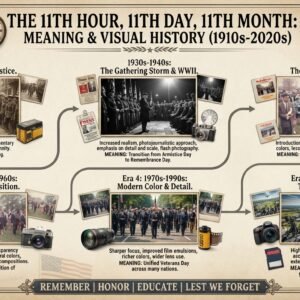
Armistice Day, which is observed on November 11 each year, was established to commemorate the cessation of hostilities on the Western Front during World War I. The signing of the armistice in 1918 marked a significant turning point and brought an end to a catastrophic conflict that had lasted over four years. This day was originally created as a federal holiday in the United States by President Woodrow Wilson in 1919 to honor the brave men and women who served in the Great War. Wilson’s proclamation emphasized the importance of this day as a time for reflection, remembrance, and respect for those who had sacrificed their lives for their country.
In the years following World War I, Armistice Day became a significant marker in American culture. The somber observance was characterized by ceremonies and parades that sought to pay tribute to veterans and victims of the conflict. Communities across the nation held events that echoed the sentiments of unity and healing, promoting a sense of collective pride and gratitude. For many, Armistice Day served as a reminder of the profound impact of war on the lives of individuals and families. It was during this time that discussions began to circulate about the need for a formal recognition of military service beyond the context of World War I.

As the United States faced new global conflicts, the meaning of Armistice Day evolved. The day’s recognition expanded to acknowledge all veterans who served in various wars, reflecting a changing societal view about military service and the ongoing implications of warfare. This transformation marked the beginning of a broader appreciation for veterans’ contributions, eventually leading to the establishment of Veterans Day. Armistice Day thus laid the foundation for honoring military service, while at the same time encapsulating a significant historical moment.
The Movement for Change

The transition from Armistice Day to Veterans Day represents a significant milestone in American history, characterized by persistent advocacy from veterans service organizations. Initially established to commemorate the end of World War I, Armistice Day primarily focused on honoring those who served in this particular conflict. However, as the United States engaged in subsequent military actions, including World War II, the Korean War, and the Vietnam War, the need arose to recognize and honor all veterans, not just those who served during the First World War.
The push for change gained momentum in the years following World War II, as the veterans community began to emphasize the importance of inclusivity in commemorating service members. Advocates argued that a singular focus on World War I veterans overlooked the sacrifices made by countless individuals in later conflicts. This shift in perspective was driven by the increasing visibility of veterans’ issues and the growing recognition of their contributions across multiple wars.
<pthe 1950s="" 1954,="" a="" acknowledged="" aimed="" also="" american="" and="" appreciation="" armistice="" best="" broader="" but="" by="" change="" climate="" cold="" compelled="" complexities="" congress="" consider="" day="" day.="" deeper="" early="" efforts="" enacted="" engagements,="" extensive="" following="" for="" foster="" further="" groups,="" had="" history.
The advocacy from veterans organizations was instrumental in reshaping public perception surrounding the day of remembrance, marking a profound transition in how the nation honors its service members. As a result, Veterans Day stands today as a testament to the courage and commitment exhibited by American veterans across all conflicts, reflecting the ongoing evolution of national consciousness regarding military service.
The Legislative Action of 1954
Veterans May Qualify for Extra Benefits
Check available financial assistance, healthcare programs and other opportunities that may apply to you.
Check EligibilityThe transition from Armistice Day to Veterans Day was a significant legislative event that took place on June 1, 1954, when the 83rd Congress enacted an amendment to the original Armistice Day Act. This pivotal change emerged against the backdrop of a nation deeply engaged in global conflicts, including World War II and the Korean War. Recognizing the varying experiences of military personnel who served in these conflicts, lawmakers felt compelled to broaden the observance of the holiday.
The key figure in this legislative initiative was Representative Edwin Rees of Kansas, who proposed the amendment to honor all American veterans rather than exclusively those who served in World War I. Rees’s efforts reflected a growing sentiment across the nation that all veterans deserved recognition for their sacrifices and contributions. He was supported by a coalition of veterans’ organizations, which advocated for the change, emphasizing the need to celebrate the valor and service of veterans from all wars.
The legislative process culminated with a substantial push from the public and veterans’ groups alike, leading to the formal and overwhelming passage of the amendment. When President Dwight D. Eisenhower signed the bill into law, it not only altered the designation of the holiday from Armistice Day to Veterans Day but also marked a crucial shift in national consciousness regarding the appreciation of military service.
This legislative change was significant as it reflected a more inclusive understanding of military service, thereby reinforcing the commitment of the nation to honor all who have served in the armed forces. Veterans Day, as a result, evolved into a solemn remembrance of military personnel, providing a platform for acknowledging the sacrifices of service members from various conflicts throughout history.
President Eisenhower’s Proclamation and the Modern Observance of Veterans Day
On October 8, 1954, President Dwight D. Eisenhower issued the first official proclamation recognizing Veterans Day as a national holiday. This significant event marked a transformation from Armistice Day, which had primarily celebrated the end of World War I, to a day dedicated to honoring all U.S. military veterans, regardless of the conflicts in which they served. Eisenhower’s proclamation emphasized the importance of fostering a deeper understanding of the sacrifices made by veterans and the need for national gratitude towards those who served in the Armed Forces. By expanding the focus of the observance, he aimed to unify the American public in recognition of the valor and dedication exhibited by military personnel throughout the nation’s history.
The evolution of Veterans Day since Eisenhower’s proclamation has led to diverse practices and recognitions throughout the United States. Originally, a moment of silence was observed at 11 a.m. on November 11, the hour when hostilities of World War I ceased. Over the decades, this observance has grown to include parades, ceremonies, and educational programs in schools to inform future generations about the significance of the day. Communities organize events that feature speeches by veterans and military leaders, as well as activities that engage citizens in remembrance and appreciation of those who have served.
Today, Veterans Day serves as an essential component of American culture and society, providing a platform for acknowledging the contributions of military veterans and promoting awareness of the issues they face. The day not only honors past sacrifices but also aims to facilitate conversations around veteran affairs, support services, and reintegration challenges. From its inception to the present day, Veterans Day continues to foster a sense of duty, respect, and appreciation, solidifying its importance in the national consciousness.


🇺🇸 IMPORTANT DISCLAIMER – Veterans Benefits Information
This site provides general information about U.S. Department of Veterans Affairs (VA) benefits for educational and informational purposes only.
- Not Official: We are NOT affiliated with, endorsed by, or connected to the U.S. Department of Veterans Affairs (VA), the Veterans Benefits Administration (VBA), the Veterans Health Administration (VHA), or any other government agency.
- No Legal/Financial Advice: The content on this website is for informational purposes only and does not constitute legal, financial, or medical advice. VA benefits rules change frequently – always consult with an accredited Veterans Service Officer (VSO) or a qualified professional for your specific situation.
- Official Sources: For official, binding information and to apply for benefits, always visit official .gov websites: VA.gov, Benefits.VA.gov, or SSA.gov.
- No Data Collection: This site does not collect, store, or process any personal information. It does not have login forms, contact forms, or any system to capture user data. We never ask for your Social Security Number, bank details, or any personal information.
- 🚨 Scam Alert: The VA and other government agencies never charge fees for benefit applications. If anyone asks for money to "process" your VA claim, it is a scam. Report it to the VA Office of Inspector General at VA.gov/OIG.
- Advertising: This site uses third-party advertising (Adsterra) to cover operational costs. We do not endorse or guarantee any products or services advertised.
📌 Information provided as of June 2026. Always verify current eligibility and rules with official .gov sources.
This site is not affiliated with the U.S. Department of Veterans Affairs or any government agency. All information is for educational purposes only. Please visit VA.gov for official information.
