

Understanding the Landscape of VA Home Loans in 2026
As we move into 2026, the landscape of VA home loans has undergone significant transformation, reflecting both the evolving needs of military families and the broader economic context. The demand for VA home loans has seen a notable increase, driven primarily by favorable interest rates, a shift in housing availability, and enhanced awareness of VA benefits among service members and veterans. These loans, backed by the Department of Veterans Affairs, continue to provide essential financial support for those who have served in the armed forces, ensuring they have access to affordable housing.
In recent months, legislative revisions and new regulations have played a pivotal role in shaping the accessibility of these loans. Updated policies aim to simplify the application process and expand eligibility criteria, thereby catering to a wider range of applicants. Additionally, changes in credit score requirements and down payment options have made VA home loans an increasingly attractive option for many. The emphasis on these recent reforms illustrates the government’s commitment to enhancing home ownership opportunities for military families.

However, this surge in activity has not been without challenges. Recent lawsuits concerning predatory lending practices have raised concerns over the protection of borrowers, prompting federal action to safeguard against exploitation. Moreover, market trends indicate fluctuations in home prices which may impact the availability and appeal of VA-backed mortgages, particularly in highly competitive housing markets.

As VA home loans continue to adapt to the changing economic environment and the unique needs of military families, ongoing education about these benefits becomes crucial. Understanding the nuances of VA home loans and keeping abreast of recent developments will enable service members and veterans to make informed decisions, ensuring they can leverage these programs effectively in their pursuit of home ownership.
The Impact of the Class-Action Lawsuit Against Major VA Lenders
The landscape of VA lending has recently been profoundly influenced by a class-action lawsuit targeting one of the largest VA lenders in the country. This legal action, which alleges various violations concerning lending practices and the treatment of military families, has significant implications for both veterans and active-duty service members. The lawsuit accuses the lender of predatory practices, including the charging of excessive fees and interest rates, which directly harm the financial stability of military families who rely on VA loans for housing.
The implications of this lawsuit are multifold. First and foremost, it sheds light on the vulnerabilities that military families face when navigating the complex world of home financing. Many service members and their families have historically been underserved, leading to a pressing need for equitable lending practices. With the current climate of heightened scrutiny, there is hope that military families will experience fairer treatment in their loan agreements. True reform may emerge from this class-action case, signaling a transition toward more transparent and responsible lending practices within the VA home loan ecosystem.
Proposed Changes to Mortgage Relief Programs
In recent years, significant changes have been proposed for mortgage relief programs that cater to military families and veterans. These changes aim to improve the accessibility and affordability of homeownership for those who have served in the armed forces. One of the primary proposed modifications includes an extension of the eligibility criteria for the Home Affordable Modification Program (HAMP), which is designed to provide assistance to homeowners facing financial hardships.
Veterans May Qualify for Extra Benefits
Check available financial assistance, healthcare programs and other opportunities that may apply to you.
Check EligibilityUnder the new provisions, more military families would qualify for loan modifications that lower monthly mortgage payments, regardless of their current financial status. This change is particularly crucial for veterans who face unique challenges such as unstable employment due to relocation or service-related disabilities. By broadening the eligibility requirements, these proposed changes intend to ensure that more veterans can retain their homes during periods of financial difficulty.
Another significant proposal involves enhancing the funding allocated to the Veterans Affairs (VA) loan program. By increasing funding, the program would better facilitate lower interest rates and reduced closing costs for military families. This initiative is aimed at addressing the affordability crisis that many veterans face in the current housing market. With these proposals, lawmakers intend to create a more favorable environment for homeownership among military families, recognizing the service and sacrifices made by these individuals.
Additionally, the proposed changes emphasize the integration of financial education into mortgage relief programs. By offering workshops and counseling tailored specifically for veterans, the intent is to empower military families with the tools and knowledge required to make informed decisions about homeownership and financial stability. These measures collectively aim to impact home protection strategies for veterans, ensuring that they have the support and resources needed to manage their homes effectively.
In recent years, military families have increasingly sought home protection programs, driven by various concerns characteristic of their unique situations. One significant factor contributing to this trend is the rising risk of foreclosure, which often stems from the challenges military personnel face when transitioning between assignments or deployments. These abrupt relocations can disrupt their financial stability and make it difficult to maintain consistent mortgage payments.
Moreover, market volatility adds another layer of uncertainty for military families. Economic fluctuations, coupled with the unpredictability of housing markets, can make it challenging for these families to gauge the right time to buy or sell a home. Many military families are understandably apprehensive about making significant real estate investments under such unpredictable conditions. Therefore, home protection programs that provide financial stability, such as insurance against falling home values, have garnered increased interest.
Additionally, the desire for financial security amidst various uncertainties plays a crucial role in this growing trend. Military families are often faced with unexpected expenses related to moves, deployments, or medical issues, further compounding their financial strain. Home protection programs offer them peace of mind by safeguarding their investments and providing a financial safety net. Options such as mortgage assistance or foreclosure prevention programs can help alleviate the fear of losing their homes due to unforeseen circumstances.
The convergence of these factors highlights the growing significance of home protection programs for military families. By ensuring that they are protected against the potential pitfalls of homeownership, these programs empower military families to focus on their service to the country while maintaining financial security and stability. This shift towards prioritizing home protection not only reflects changing attitudes within military communities but underscores the need for tailored financial solutions that address their unique challenges.
Key Features of Home Protection Programs Available
Home protection programs designed for military families and veterans have evolved significantly over recent years, emphasizing accessibility and comprehensive support. These programs are crucial in providing the much-needed stability and financial assistance for those who have served. One of the leading features is the ability to secure low-interest loans and grants specifically tailored for home renovation, repairs, and purchases.
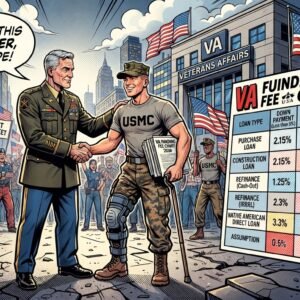
Among the prominent initiatives, the VA Home Loan program stands out, enabling veterans to acquire homes without the necessity for a down payment. This feature significantly benefits military families by alleviating the financial burden often associated with home buying. Additionally, the absence of private mortgage insurance (PMI) enhances affordability, ensuring that families can retain more of their income for other essential expenditures.
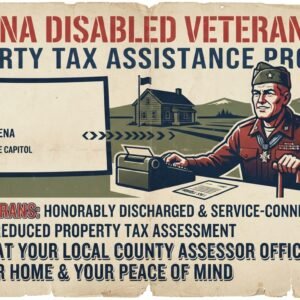
In terms of eligibility, these programs often prioritize veterans with service-connected disabilities, allowing them to access additional benefits such as adaptation grants for making homes accessible. Various states also offer local programs that complement federal initiatives, providing further financial assistance, tax exemptions, or home repair resources.
Another noteworthy aspect of home protection programs is the educational resources provided. Many organizations supply workshops and consultation services, helping military families navigate the complexities of homeownership. This support includes understanding mortgage processes, budgeting for home maintenance, and leveraging home equity effectively.
Ultimately, these home protection initiatives aim to empower military families by reducing the challenges they face in securing stable living conditions, allowing them to focus on reintegration and community engagement rather than financial uncertainty. This holistic approach reinforces the commitment to supporting those who have served, fostering a secure and supportive environment for their families.
Navigating the Challenges of Home Ownership for Military Families
Military families encounter numerous challenges when it comes to home ownership, making the transition from one posting to another often fraught with difficulty. One of the most significant hurdles is the issue of frequent relocations. Service members are regularly assigned to new duty stations, often with little notice. This unpredictable schedule complicates the ability to establish roots in a community and makes it challenging to own a home. The necessity for flexibility can lead to complications in buying and selling properties in different housing markets.
Financial stability is yet another critical factor affecting military families. The sporadic nature of military pay can cause fluctuations in income, particularly during transitions between stations. This lack of financial predictability can hinder service members from securing mortgages or might lead to missed opportunities in building equity if homes need to be sold quickly due to relocation. This instability is a constant reminder of the importance of having support systems in place to assist with financial planning.
The complexities associated with VA loans also pose a challenge for military families. While VA loans offer numerous benefits, such as no down payment and reduced closing costs, the application process can be daunting. Understanding the nuances of eligibility, interest rates, and the documentation required can be overwhelming, especially for families who may not be familiar with these financial products. Furthermore, different lenders may have varying interpretations of loan requirements, which can lead to confusion.
Fortunately, various home protection programs are designed to mitigate these challenges faced by military families. By providing tailored resources and support, these programs can help simplify the home ownership process and alleviate some of the complex issues associated with frequent moves and financing. These protections can significantly enhance the long-term stability of military families, enabling them to establish a more secure and permanent housing situation in an often transient lifestyle.
Success Stories of Military Families and Home Protection Programs
Home protection programs have become critical resources for military families navigate the complexities of homeownership. Through various initiatives, these families have found substantial support, enabling them to secure their homes and improve their living situations.
One noteworthy example is the Johnson family, who faced the daunting challenge of purchasing their first home while navigating frequent relocations due to service commitments. With the aid of a home protection program tailored for veterans, they received essential funding and mentorship. This program not only helped them with a down payment but also guided them through the intricacies of mortgage applications. As a result, the Johnsons successfully acquired their dream home, which has provided them a stable environment for their children.
Another inspiring story comes from the Lopez family, who had been renting for years, uncertain of the path to ownership. They were introduced to a home protection initiative specifically designed for active-duty military service members. Through workshops and online resources, the Lopez family learned how to improve their credit score and navigate the real estate market. Additionally, the program assisted them in connecting with local lenders offering favorable terms for veterans. Ultimately, the Lopez family transitioned from renters to proud homeowners, dramatically changing their financial trajectory.
These success stories reflect a broader trend of positive outcomes stemming from home protection programs for military families. By providing necessary resources and tailored support, these initiatives empower families to overcome barriers to homeownership. Such programs not only facilitate financial stability but also contribute to the overall well-being of military families, allowing them to build roots in their communities. The ripple effects of home protection programs can be profound, as they foster a sense of belonging and security for those who have served our nation.
Expert Insights: What Financial Advisors Say About VA Home Programs
Financial advisors emphasize the importance of understanding VA home loan programs, particularly for military families and veterans seeking to secure their long-term financial health. These programs offer significant benefits that can maximize the purchasing power of eligible individuals while minimizing their financial burdens. One of the key advantages of VA loans is the absence of a required down payment, which allows veterans to enter the housing market without needing substantial initial capital. This feature not only promotes homeownership but also enhances affordability for families transitioning from military to civilian life.
In addition to the no-down-payment benefit, VA home loan programs also feature competitive interest rates. Advisors recommend that potential homebuyers consider these rates seriously, as they can lead to substantial savings over the life of the loan. Additionally, the VA’s backing minimizes the need for private mortgage insurance (PMI), further reducing monthly payments. Financial experts urge clients to leverage these aspects to make informed decisions about home purchases.
Moreover, advisors suggest that military families be aware of regional housing market dynamics that may affect their decision-making. For instance, understanding local home values and trends can help families make more strategic investments. Furthermore, it’s vital for veterans to consult experienced financial advisors who can provide tailored guidance regarding VA loan eligibility and the best protection strategies available to them. By doing so, they can ensure a holistic approach to financial planning that incorporates property acquisition, investment, and long-term wealth management.
Engaging with a financial expert who understands the nuances of VA home programs could also aid veterans in navigating potential pitfalls. Some financial advisors highlight that maintaining financial literacy during the home-buying process can lead to lasting benefits and improved quality of life for service members and their families.
Conclusion: The Future of Home Ownership for Military Families
The landscape of home ownership for military families is steadily evolving, with both challenges and opportunities emerging in the years ahead. The significance of home protection programs and VA lending has been recognized as pivotal in enabling military families to achieve their home ownership dreams. As we look toward 2026, several trends are anticipated that will further influence the home buying journey for veterans and active service members.
Firstly, the expansion of educational resources around home buying is expected to improve financial literacy among military families. Increased access to workshops and online tools will empower families to make informed decisions. Additionally, as the real estate market continues to adapt, it is likely that more lenders will develop specialized loan products tailored to the unique situations faced by military personnel, such as frequent relocations and varied income streams. This could significantly streamline the loan application process and enhance the buying experience.
Moreover, the continuous assessment and enhancement of VA benefits will play a crucial role in shaping the future of home ownership for veterans. The potential for new legislation aimed at reducing fees, improving access to resources, and increasing the range of eligible properties highlights a commitment to ensuring that veterans have the necessary support to secure homes. Furthermore, community-based initiatives aimed at integrating military families into neighborhoods can foster a sense of belonging and resilience.
As military families navigate the housing market, staying informed about the latest developments in VA lending practices and home protection programs will be essential. Engaging with community resources, seeking professional advice, and remaining proactive in their home buying efforts will undoubtedly facilitate a smoother transition into home ownership. The future is promising, but it will require commitment and adaptability from both military families and the institutions meant to support them.
🇺🇸 IMPORTANT DISCLAIMER – Veterans Benefits Information
This site provides general information about U.S. Department of Veterans Affairs (VA) benefits for educational and informational purposes only.
- Not Official: We are NOT affiliated with, endorsed by, or connected to the U.S. Department of Veterans Affairs (VA), the Veterans Benefits Administration (VBA), the Veterans Health Administration (VHA), or any other government agency.
- No Legal/Financial Advice: The content on this website is for informational purposes only and does not constitute legal, financial, or medical advice. VA benefits rules change frequently – always consult with an accredited Veterans Service Officer (VSO) or a qualified professional for your specific situation.
- Official Sources: For official, binding information and to apply for benefits, always visit official .gov websites: VA.gov, Benefits.VA.gov, or SSA.gov.
- No Data Collection: This site does not collect, store, or process any personal information. It does not have login forms, contact forms, or any system to capture user data. We never ask for your Social Security Number, bank details, or any personal information.
- 🚨 Scam Alert: The VA and other government agencies never charge fees for benefit applications. If anyone asks for money to "process" your VA claim, it is a scam. Report it to the VA Office of Inspector General at VA.gov/OIG.
- Advertising: This site uses third-party advertising (Adsterra) to cover operational costs. We do not endorse or guarantee any products or services advertised.
📌 Information provided as of June 2026. Always verify current eligibility and rules with official .gov sources.
This site is not affiliated with the U.S. Department of Veterans Affairs or any government agency. All information is for educational purposes only. Please visit VA.gov for official information.
