

Overview of Disabled American Veterans Benefits in 2026
The landscape of benefits for disabled American veterans is experiencing significant changes as we approach 2026. These developments are crucial for veterans and their families, as understanding the evolving support systems can ensure they receive the assistance and resources they deserve. In recent years, advocacy and legislative efforts have focused on improving benefits, leading to a more comprehensive network of support available to those who have served the nation and sustained disabilities in the line of duty.
As awareness grows regarding the unique challenges faced by disabled veterans, many new programs and enhancements to existing ones are being introduced. These initiatives aim not only to provide financial support but also to foster greater reintegration into society. Key areas of focus include healthcare services, vocational rehabilitation, housing assistance, and mental health resources. Consequently, staying informed about these benefits is essential for veterans and their families to fully understand their entitlements and navigate the often-complex application processes.

Moreover, emerging technologies and innovative strategies are being implemented to streamline access to these benefits. Online resources are being expanded, and personalized assistance through veteran service organizations is increasingly becoming available. These changes are designed to make the application process more transparent and less burdensome, ultimately enhancing the quality of life for disabled veterans.

In this context, it is vital for veterans to remain vigilant and proactive in seeking information about available benefits. The shifting landscape may bring both opportunities and challenges, and being well-informed can empower veterans and their families to take advantage of the support programs designed specifically for them. As 2026 approaches, the landscape of disabled American veterans benefits will continue to evolve, underscoring the importance of staying current with developments related to these essential services.
Cost-of-Living Adjustment (COLA) for 2026
In recent discussions surrounding disability benefits for veterans, a significant emphasis has been placed on the Cost-of-Living Adjustment (COLA) for the year 2026. This adjustment is a critical component in ensuring that disabled American veterans receive adequate financial support that aligns with rising living costs. The bipartisan legislation recently introduced in the Senate seeks to address these needs by proposing an increase in COLA, thus positively impacting the monthly benefits provided to disabled veterans.
The rationale behind implementing a COLA is rooted in the commitment to maintain the purchasing power of monthly benefit payments. As inflation rates continue to fluctuate, it becomes essential for veterans to have access to benefits that accurately reflect current economic conditions. The proposed COLA for 2026 is designed to accommodate these fluctuations, enhancing the overall financial stability for veterans who have sacrificed much in service to the nation.
With the growing focus on veteran support initiatives, the proposed COLA adjustment underscores the importance of legislative action in addressing the unique challenges faced by disabled veterans. Proponents of the legislation argue that such adjustments are not only necessary for maintaining financial adjustments but also serve as a recognition of the sacrifices these individuals have made while serving the country.
Veterans May Qualify for Extra Benefits
Check available financial assistance, healthcare programs and other opportunities that may apply to you.
Check EligibilityIn conclusion, the bipartisan legislation regarding the COLA for 2026 represents a significant advancement in support for disabled veterans. By ensuring that benefit payments keep pace with living expenses, this adjustment aims to provide a more equitable financial landscape for those who have endured considerable hardships. It is imperative for all stakeholders, including veterans, advocates, and policymakers, to engage in ongoing discussions to uphold and expand support initiatives that cater to the needs of those who have served our nation.
Job Training Protections for Disabled Veterans
In 2026, significant enhancements have been made to job training programs for disabled veterans, designed to facilitate their re-entry into the workforce. These initiatives focus on providing comprehensive support, allowing veterans to acquire the skills necessary for successful careers while ensuring their rights are protected throughout the training process. The collaboration between the Department of Veterans Affairs (VA) and various nonprofit organizations has been pivotal in developing these programs.
One of the key programs established in 2026 is the Vocational Rehabilitation and Employment (VR&E) program, which has undergone revisions to broaden its reach. This program now encompasses a wider array of job training opportunities, including remote learning options, which are essential for veterans with mobility challenges. Veterans can access personalized job training that aligns with their abilities and interests, thus maximizing their chances of finding meaningful employment.
Another noteworthy initiative is the emphasis on employer partnerships that not only provide training but also guarantee job placements for disabled veterans. These partnerships are crucial in creating supportive work environments that recognize and accommodate the unique challenges faced by veterans. Additionally, legislation has been updated to enforce strict compliance by employers regarding fair treatment and non-discrimination based on disability.
Furthermore, the introduction of mentorship programs connects disabled veterans with experienced professionals in their desired fields. These mentors provide guidance, network opportunities, and practical insights that are invaluable for career advancement. As a result, veterans are better equipped to navigate the complexities of the job market while having access to resources that promote lasting career success.
Overall, these job training protections signify a proactive approach to empower disabled veterans, addressing their specific needs and fostering an inclusive workforce where they can thrive. Such efforts are foundational in recognizing the sacrifice of these individuals and ensuring they receive the support necessary to transition smoothly into civilian careers.
State-Level Benefits and Emerging Programs
As of 2026, disabled veterans can access a variety of support programs at the state level, which can provide essential aids that complement federal benefits. These state-level initiatives often cater specifically to the needs of veterans residing within that particular state, resulting in a diverse range of assistance. The implementation of these programs varies significantly across the United States, highlighting the importance of awareness among disabled veterans regarding available resources.
For instance, in California, the Veterans Housing and Homeless Prevention program offers financial assistance to veterans who are at risk of or currently experiencing homelessness. This program is particularly noteworthy as it not only provides housing assistance but includes case management services aimed at helping veterans regain stability.
In Texas, the state has introduced a unique initiative called the Texas Veterans Commission’s (TVC) Employment Program, which prioritizes job training and placement services for disabled veterans. This is significant as it addresses the barriers that many veterans face when transitioning to civilian employment. The TVC offers personalized assessments and connects veterans with potential employers who are keen to hire veterans.
Conversely, some states such as Florida provide tax exemptions for disabled veterans, potentially easing the fiscal burden during times of economic uncertainty. This exemption can greatly benefit veterans looking to maintain financial independence. Meanwhile, states like New York offer dedicated educational resources and scholarships tailored specifically to veterans, allowing them to pursue further education without the overwhelming worry of tuition costs.
Each state’s approach underscores the varied nature of support available to disabled veterans. Therefore, it is crucial for veterans to research and stay informed about state-specific programs that could provide additional benefits alongside their federal entitlements. Understanding these emerging state-level programs can play a crucial role in maximizing support for disabled American veterans, ultimately enhancing their quality of life.
Financial Assistance Initiatives
The financial landscape for disabled American veterans has evolved in 2026, with several initiatives aimed at providing critical support tailored specifically for their unique needs. These programs, developed with the intention of alleviating the financial burdens faced by veterans and their families, encompass a variety of assistance types and eligibility criteria, ensuring that numerous veterans can access the support required for a dignified life.
One notable initiative is the Enhanced Compensation Program, which offers additional monetary benefits for veterans experiencing severe service-connected disabilities. This program is designed to supplement existing income, recognizing the challenges that often accompany disabilities. Qualifying individuals must demonstrate a service-connected impairment that significantly impacts their day-to-day activities, thus elevating their financial needs.
Additionally, the Veterans Support Housing Grant is an essential program that aims to assist veterans in securing adequate housing. This initiative not only provides financial support for purchasing or modifying homes to accommodate disabilities but also offers connections to housing counseling services. The grant is available to veterans who are eligible for VA disability compensation and are deemed to have a service-related disability.
Moreover, the recent implementation of the Transitional Financial Assistance program serves not only veterans but also their dependents. This initiative focuses on offering temporary financial relief to families facing unexpected hardships. Families must meet specific income criteria and provide documentation of financial challenges linked to the disabilities of the veteran. By doing so, the program aims to foster stability and continuity in family life while promoting the well-being of all members.
Overall, these financial assistance initiatives exemplify the commitment to supporting disabled American veterans through comprehensive programs that address both immediate and long-term needs, ultimately ensuring their dignity and quality of life are upheld.
Mental Health Support Services
In 2026, the mental health support services available to disabled American veterans have undergone significant enhancements to address the complex needs of veterans facing psychological challenges. Recognizing that mental health is a crucial aspect of overall well-being, the Department of Veterans Affairs (VA) has actively introduced new programs and expanded existing ones. These initiatives aim to foster resilience and provide a comprehensive support system for veterans coping with conditions such as PTSD, anxiety, and depression.
The VA has established a series of telehealth options, making mental health care more accessible than ever. Online therapy sessions allow veterans to receive expert counseling from the comfort of their homes, a critical feature for those who may face mobility challenges or live in remote areas. Furthermore, the implementation of 24/7 crisis hotlines ensures that immediate support is merely a phone call away, offering veterans crucial assistance in moments of need.
Additionally, peer support programs have been bolstered, empowering veterans to connect with one another and share their experiences in a trusted environment. These programs are instrumental in reducing feelings of isolation that many veterans may experience. They facilitate a community-centered approach that encourages veterans to seek help and support from fellow veterans who understand their unique challenges.
Moreover, innovative workshops and group therapies focusing on mindfulness and resilience training have gained traction within these support services. Such programs are designed to equip veterans with tools to manage stress effectively and improve their quality of life overall. These proactive measures underscore the VA’s commitment to addressing mental health not only as a fundamental need but also as an area where substantial investment can lead to transformative outcomes for disabled veterans.
Access to Housing and Home Adaptations
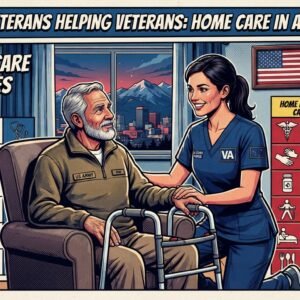
In 2026, the provision of housing benefits and home adaptation grants for disabled American veterans continues to be a vital aspect of support offered to enhance their quality of life. These programs are designed to ensure that veterans with disabilities can access appropriate housing solutions that facilitate independence and comfort. Through various initiatives, veterans can obtain financial assistance for purchasing or modifying homes to cater to their specific needs.
The Specially Adapted Housing (SAH) grant program is one of the key avenues available for eligible veterans seeking to modify their homes. This grant allows veterans with certain service-connected disabilities to construct or modify a residence to accommodate their mobility issues, thus enabling a smoother daily routine. The financial support can cover essential renovations, such as widening doorways, installing ramps, and making bathrooms accessible, promoting safer living conditions for veterans.
Additionally, the Home Improvements and Structural Alterations (HISA) program provides funding for necessary home modifications, addressing challenges faced by veterans with a range of disabilities. This program focuses on improving existing residences to support the comprehensive needs of veterans. Grant recipients can utilize funds to install adaptive features like grab bars, wheelchair ramps, and improved lighting, ensuring that veterans remain safe and comfortable in their everyday environments.
By integrating these housing benefits and modification grants into their lives, disabled veterans can experience increased autonomy and a sense of normalcy. The ongoing support from such programs not only helps alleviate financial burdens but also significantly enhances the overall quality of life for those who have made sacrifices for their country. As more veterans become aware of these available resources, the hope is to improve their living conditions and facilitate a more independent lifestyle.
Navigating the Benefits Process
For disabled veterans and their families, understanding the benefits process is crucial in accessing the support they deserve. As we approach 2026, several key steps can streamline this journey and assist in ensuring that eligible individuals receive the benefits they are entitled to.
First, it is essential to gather all necessary documentation before starting the application process. This documentation may include service records, medical evaluations, and any other pertinent information that can substantiate the claim for benefits. Veterans should also be prepared to provide detailed descriptions of how their disabilities affect their daily lives, as this can significantly impact the assessment of their claims.
Next, the application process itself typically begins through the U.S. Department of Veterans Affairs (VA) website or local offices. The online application is user-friendly; however, veterans should also be aware that assistance is available from accredited representatives and organizations, such as the Disabled American Veterans (DAV) and Veterans of Foreign Wars (VFW). These organizations can help with the completion of forms and provide guidance on the types of benefits that may be applicable.
Additionally, keeping track of the application status is vital. Veterans can utilize the VA’s online tools to check on their claims’ progress and ensure all necessary follow-ups are completed promptly. If a claim is denied, it is critical to understand the reasons for denial and to seek support in filing an appeal, as many claims are successfully overturned with proper documentation and advocacy.
Lastly, continuous education about available benefits is essential. Resources such as VA workshops, online webinars, and community information sessions can be beneficial. Staying informed about program updates and new resources available in 2026 can help disabled veterans and their families maximize the support they receive.
Conclusion and Call to Action
The landscape of benefits for disabled American veterans is continually evolving, with many support programs available to assist those who have served our nation. Throughout this blog post, we have explored several key benefits that might prove invaluable, including specialized health care, educational assistance, and housing grants. These resources are designed to alleviate some of the burdens faced by disabled veterans and enhance their quality of life.
It is crucial for veterans and their families to stay informed about the various benefits and support programs that may be available to them. The U.S. Department of Veterans Affairs (VA) frequently updates and adjusts its offerings, which means that understanding the full scope of what is provided can significantly impact a veteran’s situational wellness. Additionally, local veterans’ organizations and community resources can play a pivotal role in providing information and assistance regarding these benefits.
If you or a member of your family is a disabled veteran in need of guidance, reaching out to a qualified professional or veteran service officer is strongly recommended. They can assist in navigating the sometimes complex system of benefits and entitlements. Don’t hesitate to connect with these resources, as they are specifically trained to help you understand and access the support you deserve. Your service to the country should be met with comprehensive benefits that provide security and assistance in everyday life.
In sum, it’s essential to take a proactive approach in understanding and utilizing available benefits tailored for disabled American veterans. Make informed decisions, and ensure that you are maximizing the extensive resources designed to support you in your post-service life.

🇺🇸 IMPORTANT DISCLAIMER – Veterans Benefits Information
This site provides general information about U.S. Department of Veterans Affairs (VA) benefits for educational and informational purposes only.
- Not Official: We are NOT affiliated with, endorsed by, or connected to the U.S. Department of Veterans Affairs (VA), the Veterans Benefits Administration (VBA), the Veterans Health Administration (VHA), or any other government agency.
- No Legal/Financial Advice: The content on this website is for informational purposes only and does not constitute legal, financial, or medical advice. VA benefits rules change frequently – always consult with an accredited Veterans Service Officer (VSO) or a qualified professional for your specific situation.
- Official Sources: For official, binding information and to apply for benefits, always visit official .gov websites: VA.gov, Benefits.VA.gov, or SSA.gov.
- No Data Collection: This site does not collect, store, or process any personal information. It does not have login forms, contact forms, or any system to capture user data. We never ask for your Social Security Number, bank details, or any personal information.
- 🚨 Scam Alert: The VA and other government agencies never charge fees for benefit applications. If anyone asks for money to "process" your VA claim, it is a scam. Report it to the VA Office of Inspector General at VA.gov/OIG.
- Advertising: This site uses third-party advertising (Adsterra) to cover operational costs. We do not endorse or guarantee any products or services advertised.
📌 Information provided as of June 2026. Always verify current eligibility and rules with official .gov sources.
This site is not affiliated with the U.S. Department of Veterans Affairs or any government agency. All information is for educational purposes only. Please visit VA.gov for official information.
