

Introduction to VA Careers
The Department of Veterans Affairs (VA) serves as a crucial employer for veterans, embodying a commitment to providing support and essential services to those who have served in the military. Its mission revolves around ensuring that former military personnel receive the care, benefits, and opportunities they deserve, which is fundamental not only to the well-being of veterans but also to the overall ethos of the nation.
VA careers provide a pathway to job security and stability, which is especially significant in today’s fluctuating job market. Serving as a federal employer, the VA offers a robust benefits package that often includes health insurance, retirement plans, and paid leave, which are attractive to individuals seeking reliable and rewarding employment. These comprehensive benefits stand in stark contrast to many positions in the private sector, making VA careers particularly appealing to veterans transitioning into civilian life.

Moreover, one of the defining characteristics of working with the VA is the flexibility it often affords, including various remote work options. This flexibility is increasingly important in the modern workforce, as professionals seek jobs that allow them to balance personal commitments with career aspirations effectively. The ability to work from virtually anywhere not only enhances job satisfaction but also empowers veterans to continue serving their communities in meaningful ways.

In conclusion, VA careers present a unique opportunity for veterans to engage in fulfilling roles that support their peers while benefiting from job security, federal benefits, and the flexibility of remote work arrangements. This alignment of mission and employment provides a significant advantage to those ready to embark on a new chapter after military service.
Current Job Openings in the VA
The U.S. Department of Veterans Affairs (VA) presents a variety of career opportunities dedicated to serving veterans while providing competitive compensation. Potential candidates will find numerous job openings across several key roles. Among these, vocational rehabilitation specialists play a crucial role in empowering veterans with disabilities by assisting them in achieving sustainable employment and independent living. This vital position requires a comprehensive understanding of vocational issues and the ability to develop individualized rehabilitation plans that cater to veterans’ unique needs.
In addition to vocational rehabilitation, there are prominent job opportunities available in the technical career field program. Positions in this domain often require specialized skills in areas such as IT, engineering, and data management. These roles are increasingly important as the VA continues to enhance its technological capabilities to better serve veterans. Roles within this program are designed to attract highly skilled professionals committed to supporting the mission of the VA and improving healthcare services for veterans.
The urgency of applying for these positions cannot be overstated. Many job listings within the VA are subject to closing dates, with some openings being filled quickly due to direct hire authority. This authority permits the VA to expedite the hiring process, allowing prospective employees to secure roles that align with their career aspirations. Candidates interested in a rewarding career should take immediate action to explore the current job openings, as many positions provide not only competitive salaries but also the fulfillment of working towards the betterment of veterans’ lives.
The Benefits of Working for the VA
Veterans May Qualify for Extra Benefits
Check available financial assistance, healthcare programs and other opportunities that may apply to you.
Check EligibilityEmbarking on a career with the Veterans Affairs (VA) offers numerous advantages that cater specifically to veterans and their families. One of the primary benefits is the comprehensive healthcare provided by the VA. This healthcare is not only available for employees but often extends to their families as well, ensuring that loved ones receive necessary medical treatment. The VA prioritizes the health and well-being of its employees, recognizing the unique challenges faced by veterans.
In addition to healthcare, the VA offers robust retirement plans that contribute to long-term financial security for its employees. These plans are designed to reward service and dedication, allowing employees to plan adequately for their future. Moreover, education benefits are a significant attraction for those working within the VA. These benefits may include tuition reimbursement for veterans seeking further education or training, effectively fostering a culture of lifelong learning and professional development.
Another essential component of working for the VA is the availability of loan repayment programs, such as the Education Debt Reduction Program (EDRP). This initiative assists employees in managing their student debt, making it easier for them to save and invest in their futures. The EDRP is particularly beneficial for veterans who may have previously incurred substantial educational costs while pursuing their medical or professional careers.
A further advantage of a VA career is the issuance of a national practice license for applicable positions. This credential allows employees to practice across state lines without the need for additional licensing, thereby enhancing their career mobility. Overall, engaging in a VA career not only provides financial and educational benefits but also ensures that veterans continue to serve their communities and support their peers through meaningful work.
Steps to Apply for VA Positions
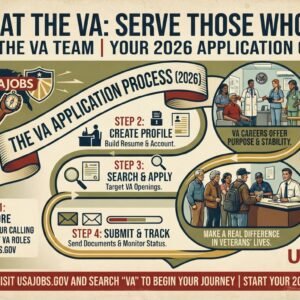
Applying for positions within the Veterans Affairs (VA) is a systematic process that requires attention to detail and preparation. To begin, potential candidates should first access the VA’s official employment portal. This can be found at USAJobs.gov, the central platform where all federal job listings are posted, including those specific to the VA. Once on the site, users can create an account, allowing them to save searches and set up notifications for new job postings relevant to their interests.
Next, candidates should prepare their application documents. The typical requirements include a resume, cover letter, and any relevant certifications or transcripts. It is crucial to tailor both the resume and cover letter to highlight skills and experiences that align with the position applied for. Using keywords from the job description can enhance the chances of parsing through any initial automated screening processes.
After assembling the necessary documents, candidates can navigate the submission process. This involves filling out the online application form, ensuring all sections are completed accurately. Review and double-check all entries for typographical or factual errors, as these can lead to disqualification from the selection process. It is important to submit the application ahead of the closing date specified in the job listing.
To improve the chances of application success, applicants should consider reaching out to current VA employees or networking with professionals in relevant fields. Additionally, utilizing online resources that provide insights and guidance on federal job applications can be invaluable. Understanding the nuances of the VA hiring process, including the preference for veterans in hiring, can also provide an advantage. Taking these steps diligently can lead to fruitful outcomes in securing a VA position.
Understanding the Vocational Rehabilitation Specialist Role
The role of a Vocational Rehabilitation Specialist within the Veterans Affairs (VA) is pivotal in supporting veterans as they transition back into the civilian workforce. These professionals are tasked with the essential duties of assessing the barriers veterans face in employment and identifying appropriate vocational training or rehabilitation programs tailored to individual needs. This personalized approach ensures that each veteran receives the support necessary to regain their independence and enhance their quality of life.
Vocational Rehabilitation Specialists conduct thorough evaluations to understand veterans’ skills, interests, and physical or mental limitations that could affect their employment potential. By possessing a strong foundation in career counseling, job development, and resource referral, these specialists guide veterans toward suitable career paths based on their unique circumstances. Moreover, they work collaboratively with various stakeholders, including employers, educational institutions, and support services, to create a network that fosters successful reemployment opportunities.
The qualifications required for a Vocational Rehabilitation Specialist typically include a master’s degree in rehabilitation counseling or a related field, along with relevant certifications. Additionally, practical experience in vocational rehabilitation, career counseling, or social work is highly beneficial. This foundation equips specialists with the skills to navigate the complexities of veterans’ needs and the resources available to aid their recovery and employment prospects.
Ultimately, the influence of a Vocational Rehabilitation Specialist extends beyond the individual veteran to positively impact families and communities as well. By facilitating access to vocational programs and job placements, these professionals not only restore meaningful work to veterans but also contribute to their overall mental health, stability, and reintegration into society.
Exploring the Technical Career Fields
The Veterans Affairs (VA) offers a multitude of career opportunities in various technical fields that are essential for supporting its mission to provide quality care to veterans. Key areas of employment at the VA include Information Technology (IT), engineering, and health informatics. Each of these fields plays a significant role in enhancing the services and resources available to our veterans.
In the realm of IT, the demand for skilled professionals continues to grow as technology plays an increasingly vital role in healthcare delivery. IT specialists at the VA are responsible for developing and maintaining critical systems that ensure caregivers have access to accurate patient information. This positions them at the forefront of improving healthcare outcomes and enhancing the overall veteran experience.
Engineering roles within the VA are equally crucial, focusing on the infrastructure that supports healthcare facilities and medical devices. Engineers can work on various projects, such as designing state-of-the-art medical equipment or improving building designs to better serve patient needs. Their expertise directly contributes to creating a safer and more effective environment for delivering care to veterans.
Health informatics is another growing field within the VA, combining healthcare, IT, and data analysis. Professionals in this area work diligently to manage and analyze health data to improve care delivery processes. They play an integral part in ensuring that clinical staff have access to real-time data, thereby enabling better decision-making and enhancing the quality of care provided to veterans.
In summary, the technical career fields at the VA are diverse and impactful. They not only provide excellent job opportunities for those seeking to work from anywhere but also serve a higher purpose by directly contributing to the well-being of veterans. By pursuing these careers, professionals have the opportunity to make a significant difference in the lives of those who have served our nation.
Empowering Early Career Professionals
As the landscape of employment continues to evolve, the U.S. Department of Veterans Affairs (VA) offers a wealth of opportunities specifically tailored for early career professionals and veterans transitioning back into the civilian workforce. The VA recognizes the unique skills and experiences that recent graduates and former military personnel bring to the table and has established various programs designed to facilitate their entry and success in federal employment.
One of the primary initiatives within the VA is its internship program, which serves as an invaluable platform for recent graduates to gain work experience while contributing to critical services that support veterans. These internships not only provide practical knowledge related to the unique needs of veterans but also offer mentoring opportunities that can significantly impact career development. Interns benefit from hands-on experience in various departments, fostering a sense of purpose and reinforcing the mission to serve those who have served the nation.
Additionally, the VA regularly posts entry-level positions that are expressly suited for individuals who are just embarking on their professional journeys. These positions offer a structured path for upward mobility within the organization. The VA encourages early career professionals to explore roles in healthcare, human resources, administration, and technology, which are integral to the functioning of the organization. The combination of specialized training and ongoing professional development equips these individuals with the tools necessary for long-term career growth.
Moreover, the VA actively engages in outreach programs to ensure that recent graduates and veterans are aware of these career pathways. Workshops, career fairs, and informational sessions are routinely held, allowing interested candidates to connect with VA professionals and gain insights into the application process, job responsibilities, and the overall work environment. Through these initiatives, the VA demonstrates its commitment to fostering a diverse workforce that not only empowers early career professionals but also enhances the quality of care provided to veterans.
Success Stories from VA Employees
The Department of Veterans Affairs (VA) has long been recognized not only for its commitment to serving veterans but also for the growth opportunities it offers to its employees. Many VA employees have stories that exemplify the robust career paths available and the profound impact they have made. These testimonials reveal how working for the VA can lead to personal transformation and professional advancement.
One distinguished VA employee, Sarah Johnson, began her journey as a medical support assistant. Initially drawn to the role by her desire to contribute to the well-being of veterans, Sarah quickly found fulfillment in her day-to-day interactions. Over the years, her dedication and hard work led her to a managerial position, where she now oversees a team dedicated to veteran services. Sarah’s growth highlights the VA’s commitment to career development, showing how employees can transform their roles and expand their influence within the organization.
Another impactful story comes from Michael Thompson, a former VA administrative officer. After several years of service, he transitioned into a senior outreach coordinator position, primarily focusing on improving the communication channels between veterans and the VA. Michael’s ability to connect with veterans directly resulted in increased program participation and satisfaction. His journey reflects the essence of the VA’s mission: ensuring that veterans receive the comprehensive support they need. Michael’s career trajectory demonstrates how VA employees can directly impact the lives of those they serve.
These narratives represent just a glimpse of the numerous success stories within the VA workforce. Each story underscores not only the personal satisfaction derived from serving veterans but also highlights the myriad pathways for professional advancement. The VA’s dedication to nurturing talent among its employees ensures that both the workforce and the veterans they serve continue to thrive.
Conclusion and Future Opportunities
As we explore the landscape of VA careers, it becomes evident that there are numerous opportunities available for veterans looking to transition into civilian roles. The U.S. Department of Veterans Affairs is committed to providing meaningful employment to those who have served in the military. This dedication not only facilitates the reintegration of veterans into the workforce but also enriches the VA with a wealth of experience and knowledge that veterans bring.
Veterans can find various roles within the VA that align with their skills and interests, from healthcare positions to administrative and technical roles, each contributing significantly to the overall mission of supporting those who have served in the armed forces. The diverse nature of VA careers ensures that veterans have the chance to apply their unique set of abilities in an environment that values their service. Furthermore, many of these positions offer competitive salaries and benefits that align with the needs of today’s workforce.
In addition to the current opportunities, the future looks promising for veterans entering the VA workforce. As the organization continues to evolve, there is a growing focus on enhancing services and adapting to the changing needs of veterans and their families. This evolution opens doors for veterans to engage in meaningful work that not only benefits their careers but also aids in fulfilling the VA’s mission.
In summary, pursuing a career with the VA is a viable option for veterans seeking rewarding employment that aligns with their values and experiences. By considering these opportunities, veterans can play a crucial role in supporting their peers while enjoying a fulfilling career in a supportive environment. Therefore, it is encouraged that veterans explore the various paths available within the VA, as these positions are integral in ensuring that those who have served are well cared for and appreciated in their post-military lives.

🇺🇸 IMPORTANT DISCLAIMER – Veterans Benefits Information
This site provides general information about U.S. Department of Veterans Affairs (VA) benefits for educational and informational purposes only.
- Not Official: We are NOT affiliated with, endorsed by, or connected to the U.S. Department of Veterans Affairs (VA), the Veterans Benefits Administration (VBA), the Veterans Health Administration (VHA), or any other government agency.
- No Legal/Financial Advice: The content on this website is for informational purposes only and does not constitute legal, financial, or medical advice. VA benefits rules change frequently – always consult with an accredited Veterans Service Officer (VSO) or a qualified professional for your specific situation.
- Official Sources: For official, binding information and to apply for benefits, always visit official .gov websites: VA.gov, Benefits.VA.gov, or SSA.gov.
- No Data Collection: This site does not collect, store, or process any personal information. It does not have login forms, contact forms, or any system to capture user data. We never ask for your Social Security Number, bank details, or any personal information.
- 🚨 Scam Alert: The VA and other government agencies never charge fees for benefit applications. If anyone asks for money to "process" your VA claim, it is a scam. Report it to the VA Office of Inspector General at VA.gov/OIG.
- Advertising: This site uses third-party advertising (Adsterra) to cover operational costs. We do not endorse or guarantee any products or services advertised.
📌 Information provided as of June 2026. Always verify current eligibility and rules with official .gov sources.
This site is not affiliated with the U.S. Department of Veterans Affairs or any government agency. All information is for educational purposes only. Please visit VA.gov for official information.
