

Introduction to Veteran Home Protection Programs
Veteran home protection programs are essential initiatives designed to support military families in their journey toward homeownership. In 2026, these programs have gained significant attention due to the unique challenges that veterans face in securing stable housing. With many veterans returning from service, the need for comprehensive protection measures is more critical than ever.
Homeownership is often viewed as a cornerstone of the American dream, yet veterans encounter various obstacles that can complicate this pursuit. Financial constraints, disparities in income, and the lingering effects of military service, including physical and mental health challenges, can hinder their ability to secure or maintain a home. As a result, veteran home protection programs play a vital role in facilitating access to home loans, providing financial education, and offering legal protections against foreclosure and eviction.

In the context of military families, these programs are not simply about homeownership; they emphasize stability and community integration. Programs may include benefits such as adjusted loan rates, grants for home renovations, and resources for understanding housing rights. Furthermore, they seek to build a supportive network that assists veterans in transitioning to civilian life with dignity and a sense of belonging.

In 2026, with the economic landscape affected by various factors, these protection programs are evolving to meet the increasing demand for housing security. As we explore the various aspects of the Veteran Home Protection Program, it becomes evident that such initiatives are crucial in addressing the multifaceted needs of military families striving for a secure and comfortable home environment.
Recent Changes in Foreclosure Prevention Options
In 2026, significant changes have been introduced to enhance foreclosure prevention options for veterans, reflecting the increasing need to support military families facing financial challenges. These modifications are designed to provide a more robust framework that addresses the unique circumstances of veterans who may encounter difficulties in maintaining their homeownership.
One of the notable advancements is the expansion of eligibility criteria for federal loan modification programs. Veterans can now access more flexible repayment plans, enabling them to adjust their loan terms according to their current financial situations. This change is particularly beneficial for military families, as it acknowledges the employment fluctuations and economic hardships they may experience, especially during times of transition or after returning from active duty.
Moreover, the newly launched financial assistance programs offer direct help to veterans at risk of foreclosure. These programs include grants and subsidies aimed at covering mortgage payments for a limited time, giving families crucial breathing room to reorganize their finances without the immediate threat of losing their home. By providing direct financial support, these initiatives can alleviate some of the stress associated with potential foreclosure.
Veterans May Qualify for Extra Benefits
Check available financial assistance, healthcare programs and other opportunities that may apply to you.
Check EligibilityAnother significant change is the emphasis on preventative measures through education and counseling services. Veterans can access resources that equip them with financial literacy skills, helping them better manage their mortgages and prepare for possible future challenges. Such proactive strategies are essential in empowering military families to take charge of their financial health, ultimately enhancing their chances of sustaining homeownership.
The implications of these expanded foreclosure prevention options are profound. They not only assist in protecting veterans’ homes but also contribute to broader community stability. By ensuring military families can remain in their residences, these programs foster a sense of security and continuity in their lives, which is vital for their overall well-being.
Exploring New Tax Breaks for Military Families
Recent legislative changes have introduced new tax breaks aimed at supporting military families, particularly those who are homeowners. These tax incentives are designed to alleviate some of the financial burdens that active duty and veteran military personnel face, especially in the context of housing expenses. The newly implemented measures target a variety of financial scenarios, providing relief to eligible military families.
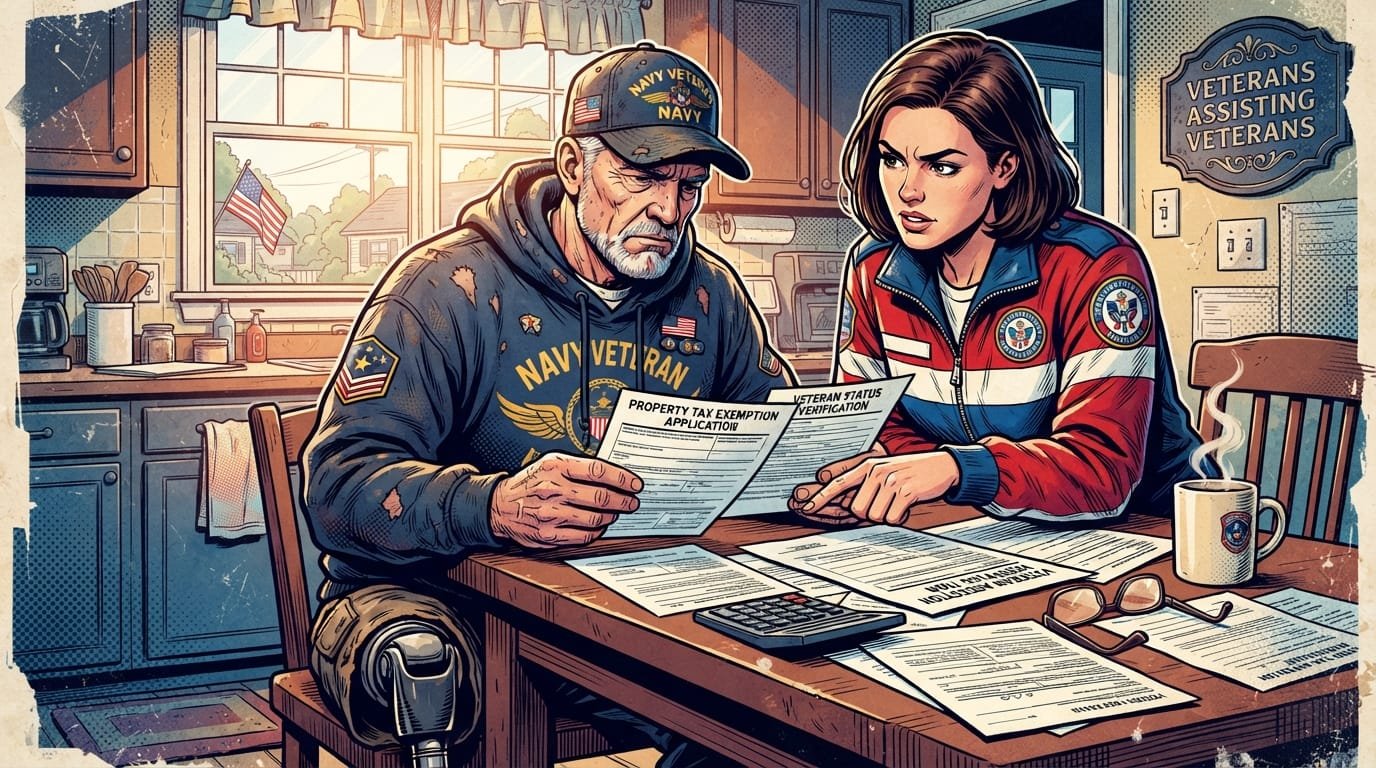
To qualify for these tax breaks, military families must meet specific criteria. Generally, these criteria include active duty status or eligibility as a veteran, homeownership status, and compliance with certain income thresholds. For instance, families that have recently relocated due to military assignments may find significant relief in tax deductions related to moving expenses that were previously non-deductible. Additionally, property tax exemptions may be available for families living in their primary residence, effectively reducing the overall housing costs.
Applying for these new tax breaks involves several steps, starting with gathering the necessary documentation, which typically includes proof of military service, homeownership details, and any relocation paperwork. Once the required forms are compiled, military families can complete their tax returns while specifying the newly applicable deductions and credits. For those uncertain about the application process, consulting with a tax professional experienced in military tax regulations can provide valuable guidance.
The financial impact of these tax breaks can be significant, offering much-needed support for military homeowners. By easing the financial strain associated with homeownership, these breaks empower military families to make informed financial decisions, ensuring greater stability in their living environments. As more families take advantage of these incentives, it is anticipated that they will contribute positively to the overall welfare of military communities.
Understanding the VA Lender Lawsuit and Its Implications
The ongoing lawsuit against one of the largest lenders associated with the Veterans Affairs (VA) home loan program has generated significant attention among military families. This case revolves around allegations that the lender engaged in practices leading to the overcharging of fees related to VA loans, prompting an examination of the implications such actions may have on the broader housing security for veterans.
Central to the allegations are claims that the lender systematically imposed unauthorized fees and inflated costs in the process of securing mortgages for veterans. Such practices not only undermine the trust placed in institutions that serve military families but are also seen as a direct threat to the financial well-being of those who have served the nation. For many veterans, accessing affordable housing is crucial for reintegration into civilian life, and any unwarranted financial burdens can exacerbate existing challenges.
The outcomes of this lawsuit hold the potential for significant ramifications. Should the case result in a favorable judgment for the plaintiffs, it could pave the way for substantial financial restitution for affected veterans. Additionally, a ruling against the lender may prompt broader reforms within the VA lending landscape, ensuring enhanced protections against predatory practices. These changes may also lead to increased awareness among veterans regarding their rights and the processes surrounding VA loans.
As the lawsuit progresses, it serves as a stark reminder of the ongoing struggles many veterans face in securing housing. The implications reach beyond just this particular lender; they touch on the foundational principles of fairness and transparency that should characterize all interactions within the military lending arena. The outcomes will likely shape the future of housing security for veterans, making it imperative for military families to stay informed and engaged in these developments.
Navigating the Home Buying Process in 2026
For military families, navigating the home buying process in 2026 presents unique challenges and opportunities. Understanding the intricacies of financing options, leveraging the Veteran Home Protection Program, and identifying suitable housing can set the foundation for a successful transition into homeownership.
Obtaining financing is often the first step for military families considering a home purchase. In 2026, financial institutions are likely to offer a range of loan products specifically tailored to veterans. The VA loan, which allows qualified individuals to purchase homes without a down payment, remains a popular option. It is essential for military families to familiarize themselves with eligibility requirements and the application process. Utilizing resources such as financial literacy programs can enhance one’s understanding, ensuring a smoother financing experience.
Moreover, military families should explore various protection programs designed to safeguard their investment. The Veteran Home Protection Program not only offers essential information but also assists with the complexities typically involved in buying a home. This program helps families understand their rights and entitlements, including potential financial benefits associated with their service. Being well-versed in these protections can empower military families to make informed decisions when selecting their future home.
Finding suitable housing is equally vital. In 2026, online platforms dedicated to veteran-friendly properties can facilitate the search process. Military families must consider communities that offer essential services, educational opportunities, and recreational options suitable for their family’s lifestyle. Collaborating with real estate agents experienced in serving military clients can also enhance the home-buying experience, ensuring that families find a property that meets their needs while maximizing their resources.
Steps to Protect Your Home as a Veteran
As veterans face evolving challenges in home protection, particularly in 2026, it is imperative for military families to adopt proactive measures to safeguard their properties. The first step veterans should consider is understanding the legal rights and resources available to them. This includes exploring the Servicemembers Civil Relief Act (SCRA), which offers protections related to foreclosure and eviction. Understanding the scope of these legal protections is essential for maintaining home ownership without undue stress.
Furthermore, engaging with local veteran service organizations can provide additional support and resources. These organizations often offer programs that focus on housing assistance, financial counseling, and legal aid tailored to veterans. Speaking with a housing counselor, specifically one experienced in veteran issues, can also equip homeowners with strategies to navigate any financial difficulties that may arise.
Establishing a maintenance plan for the property is another critical step. Regular inspections and upkeep can prevent small issues from escalating into major problems, thereby protecting the home’s value. Veterans should also consider investing in security enhancements such as alarm systems and neighborhood watch programs, which can significantly deter criminal activity.
Moreover, it is advisable for homeowners to review their insurance policies periodically. Ensuring that coverage amounts reflect current market values and considering additional coverage for natural disasters can safeguard against unexpected financial burdens. Additionally, veterans might explore programs specifically for them, such as VA loans that can provide favorable terms for home purchases and refinancing.
In summary, military families can take decisive steps toward protecting their homes by utilizing available legal protections, engaging with supportive organizations, maintaining the property, investing in security, and regularly reviewing insurance policies. Implementing these strategies can foster a secure environment for veterans and their families.
Resources and Support for Military Families
Military families often face unique challenges when it comes to home protection and security, which necessitates access to a variety of resources and support systems. Fortunately, both governmental and nonprofit organizations are dedicated to assisting veterans and their families in securing their homes. One of the primary resources available is the U.S. Department of Veterans Affairs (VA), which offers a plethora of programs specifically designed to support veterans, including home loans and funding for renovations to enhance home safety.
Additionally, the VA collaborates with multiple housing authorities and local agencies that can provide further assistance. The Veterans Benefits Administration offers financial aid and guidance, ensuring veterans are aware of their entitlements regarding housing assistance. Families can also benefit from the HUD-VASH program, which combines HUD housing vouchers with VA supportive services, catering to veterans experiencing homelessness or those at risk of losing their homes.
Nonprofit organizations play a vital role as well. Groups such as the Military Families Advocacy Network and Operation Homefront extend their services to military families, offering financial advice, crisis assistance, and home protection tips. They also provide community programs that foster connections among veterans, which can lead to shared resources and strategies for enhancing home safety.
Moreover, local veterans’ organizations, such as the American Legion and Veterans of Foreign Wars, can be excellent sources of information and networking opportunities. They often host workshops and seminars focused on home protection, safety protocols, and emotional support for military families. By leveraging these resources, military families can equip themselves with the necessary tools to ensure their homes are safe and secure.
Real Stories: Veterans Share Their Experiences
The Veteran Home Protection Program has had a profound impact on countless military families, with personal stories often resonating more than statistics. For many veterans, navigating the intricacies of home protection benefits was not a straightforward path, but their journeys offer invaluable insights into the program’s true value.
One veteran, Army Sergeant John Thompson, recounts his experience while returning home after deployment. Upon learning about the Veteran Home Protection Program, he felt a renewed sense of hope. “I never realized how complicated securing a home would be after serving, but this program made things so much clearer for me. They provided the guidance I needed to understand my options and secure a loan that suited my family’s needs,” he explained. John’s successful acquisition of a home not only facilitated stability for his family but also allowed them to reintegrate into civilian life seamlessly.
Similarly, Navy veteran Sarah Martinez faced challenges when she first approached the program. “I was overwhelmed with paperwork and processes that seemed endless,” Sarah shared. Though initially discouraged, she found support through a veteran counselor who helped her navigate the labyrinth of requirements. With persistence and the right assistance, Sarah was able to successfully secure her home, a space that symbolizes her sacrifices and achievements. “The joy of finally owning a home, especially when I thought it was out of reach, was indescribable,” she stated.
These real-life experiences underscore not just the functional aspects of the Veteran Home Protection Program, but also the emotional resonance it holds for families. By sharing their hurdles and triumphs, these veterans illuminate the importance of such programs and speak to the strength of community support that exists within the military network. Such narratives can serve as a beacon for those navigating similar challenges, encouraging them to seek help, utilize available resources, and ultimately achieve their homeownership dreams.
Conclusion and Call to Action
As we have explored throughout this blog post, the Veteran Home Protection Program is a significant initiative designed to safeguard the homes of military families. Recognizing the unique challenges that veterans face, this program offers vital resources and support aimed at promoting home ownership and protecting against various threats, ranging from financial instability to natural disasters. Military families can benefit immensely from understanding the parameters and advantages of this program, which includes access to legal assistance, financial planning services, and community support systems.
It is essential for military families to remain proactive regarding their home protection strategies. By engaging with local and national organizations dedicated to veterans, families can equip themselves with the necessary tools and information to secure their residences effectively. Taking steps such as consulting with real estate professionals familiar with the challenges faced by military occupants or participating in community workshops can greatly enhance one’s ability to protect their home.
For additional resources and detailed information, families are encouraged to explore reputable websites that focus on veterans’ affairs and housing assistance, such as the U.S. Department of Veterans Affairs or local veteran service organizations. These platforms can provide comprehensive guidance tailored to the specific needs of military families. Moreover, staying connected with fellow veterans can offer invaluable insight and support, fostering a sense of community and shared experience.
In conclusion, prioritizing home protection is crucial for military families, and the Veteran Home Protection Program provides an invaluable foundation for safeguarding their primary assets. By taking proactive measures and utilizing available resources, military families can ensure greater security and peace of mind for their homes and loved ones.
🇺🇸 IMPORTANT DISCLAIMER – Veterans Benefits Information
This site provides general information about U.S. Department of Veterans Affairs (VA) benefits for educational and informational purposes only.
- Not Official: We are NOT affiliated with, endorsed by, or connected to the U.S. Department of Veterans Affairs (VA), the Veterans Benefits Administration (VBA), the Veterans Health Administration (VHA), or any other government agency.
- No Legal/Financial Advice: The content on this website is for informational purposes only and does not constitute legal, financial, or medical advice. VA benefits rules change frequently – always consult with an accredited Veterans Service Officer (VSO) or a qualified professional for your specific situation.
- Official Sources: For official, binding information and to apply for benefits, always visit official .gov websites: VA.gov, Benefits.VA.gov, or SSA.gov.
- No Data Collection: This site does not collect, store, or process any personal information. It does not have login forms, contact forms, or any system to capture user data. We never ask for your Social Security Number, bank details, or any personal information.
- 🚨 Scam Alert: The VA and other government agencies never charge fees for benefit applications. If anyone asks for money to "process" your VA claim, it is a scam. Report it to the VA Office of Inspector General at VA.gov/OIG.
- Advertising: This site uses third-party advertising (Adsterra) to cover operational costs. We do not endorse or guarantee any products or services advertised.
📌 Information provided as of June 2026. Always verify current eligibility and rules with official .gov sources.
This site is not affiliated with the U.S. Department of Veterans Affairs or any government agency. All information is for educational purposes only. Please visit VA.gov for official information.
