

The VA Funding Fee plays a critical role in the administration and sustainability of the VA loan program, which enables eligible veterans, active-duty service members, and certain members of the National Guard and Reserves to access affordable housing. This fee is a one-time charge that is assessed on veterans taking out a mortgage through the U.S. Department of Veterans Affairs (VA). Its primary purpose is to help offset the costs of the VA loan program, ensuring that it can continue to provide necessary benefits to service members and their families.
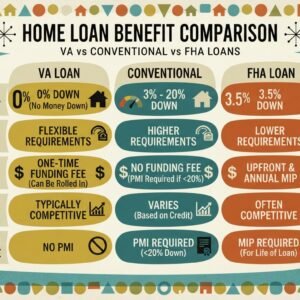
The importance of the VA funding fee cannot be understated, as it supports the overall financial viability of the loan program. By funding the VA loan program, the fee helps maintain zero down payment options, competitive interest rates, and no private mortgage insurance (PMI) requirements. This translates into significant savings for veterans and active-duty service members, making home ownership more accessible.

Notably, all veterans who apply for a VA loan are generally required to pay the VA funding fee; however, exemptions are available for certain individuals. For instance, veterans who are receiving disability compensation or who have a service-connected disability are exempt from this fee. Additionally, surviving spouses of veterans who died in service or from a service-connected disability are also eligible for waivers. Understanding who needs to pay the VA funding fee and under what circumstances exemptions may apply is crucial for potential borrowers. As the 2026 funding fee chart rolls out, it is essential for veterans and service members to familiarize themselves with these changes and to assess how they may impact their future home purchasing decisions. Ultimately, the VA funding fee not only supports the VA loan program but also ensures that veterans have the resources and options necessary to secure a home for themselves and their loved ones.
VA Funding Fee Chart 2026: Rate Tables

The VA Funding Fee for the year 2026 represents a crucial aspect of the VA loan program, designed to help veterans access home financing while ensuring the sustainability of the VA loan benefits. In this section, we will outline the comprehensive rate tables that indicate the funding fees applicable based on various factors including loan type, down payment amount, and borrower status as either a first-time or subsequent user of VA loan benefits.
For first-time users of a VA loan who are making a down payment of less than 5%, the funding fee is set at 2.3%. In contrast, if the borrower puts down 5% to 10%, the fee decreases to 1.65%. Notably, for those putting down more than 10%, the fee further reduces to 1.4%. These rates tend to provide additional savings for eligible veterans, especially for those making substantial down payments.
For subsequent users of the VA loan benefits, the funding fees differ slightly. A second-time borrower making a down payment of less than 5% will incur a funding fee of 3.6%, while the fee is reduced to 1.65% for down payments between 5% and 10%. For amounts over 10%, the fee aligns with first-time users at 1.4%. It is essential for borrowers to understand these distinctions and potential implications.
Additionally, certain exemptions apply, particularly for veterans receiving service-connected disability compensation. Such individuals are exempt from the funding fee altogether, highlighting the program’s aim to support those who have serviced the nation. Overall, these modifications in the rate tables for 2026 demonstrate an effort to enhance accessibility to VA loans for all eligible veterans, while maintaining the necessary funding to sustain the program over time.
Who is Exempt from the VA Funding Fee?
Veterans May Qualify for Extra Benefits
Check available financial assistance, healthcare programs and other opportunities that may apply to you.
Check EligibilityThe VA Funding Fee is a crucial component of the VA loan program, designed to help offset costs and allow the program to continue serving veterans and active military personnel. However, certain individuals are exempt from this fee, which can create significant savings for them. It is essential to understand the categories of veterans and individuals eligible for these exemptions.
Firstly, veterans who have a service-connected disability of 10% or greater are fully exempt from paying the VA Funding Fee. This group includes those who have received a rating from the Department of Veterans Affairs acknowledging their disabilities as having occurred during service. It is advisable for veterans in this category to present documentation of their disability rating when applying for a VA loan to ensure that they do not incur the funding fee.
Another category includes surviving spouses of veterans who died in service or as a result of a service-related condition. These individuals can also benefit from the exemption, provided they meet the necessary eligibility criteria. The surviving spouse must have remained unmarried to qualify for the exemption, and appropriate documentation, such as the veteran’s death certificate and marriage records, may be required during the loan application process.
Additionally, individuals who are currently serving in active duty status for more than 90 days and who were discharged due to a service-related condition can also be exempt from the VA Funding Fee. It is important for applicants in this group to check their eligibility and provide any necessary paperwork to ensure compliance with the VA’s requirements.
Impact of VA Funding Fee on Borrowers
The VA Funding Fee is a critical factor for veterans and service members financing their homes through a VA loan. This fee, which varies depending on the borrower’s service history, the amount of down payment, and whether it is a first-time or subsequent loan, plays a significant role in determining the overall financial obligation associated with these loans.
One key aspect to consider is that the VA Funding Fee can be rolled into the total loan amount. This means that the fee is not required to be paid upfront, alleviating some immediate financial burdens. However, including the fee in the loan amount increases the principal balance, which in turn affects the monthly mortgage payments. For instance, a higher principal amount results in higher monthly payments, which may challenge a borrower’s budget.
Moreover, the VA Funding Fee contributes to the long-term cost of the loan. Even though borrowers benefit from lower interest rates and no private mortgage insurance (PMI) requirements, the added fee, when amortized over time, can impact the overall cost of borrowing significantly. Thus, it’s crucial for borrowers to understand the implications of the funding fee on their financial plans.
To manage these costs effectively, potential borrowers can consider various strategies. For example, making a larger down payment can reduce the VA Funding Fee percentage applied, leading to lower loan amounts and monthly payments. Additionally, some borrowers may qualify for exemptions based on certain criteria, such as having a service-connected disability. Exploring these exemptions can yield substantial savings.
In conclusion, while the VA Funding Fee is an essential component of obtaining a VA loan, its integration into the loan structure can have significant implications for borrowers. By understanding its effects and planning accordingly, borrowers can minimize its impact on their finances and make informed decisions regarding their home purchases.

🇺🇸 IMPORTANT DISCLAIMER – Veterans Benefits Information
This site provides general information about U.S. Department of Veterans Affairs (VA) benefits for educational and informational purposes only.
- Not Official: We are NOT affiliated with, endorsed by, or connected to the U.S. Department of Veterans Affairs (VA), the Veterans Benefits Administration (VBA), the Veterans Health Administration (VHA), or any other government agency.
- No Legal/Financial Advice: The content on this website is for informational purposes only and does not constitute legal, financial, or medical advice. VA benefits rules change frequently – always consult with an accredited Veterans Service Officer (VSO) or a qualified professional for your specific situation.
- Official Sources: For official, binding information and to apply for benefits, always visit official .gov websites: VA.gov, Benefits.VA.gov, or SSA.gov.
- No Data Collection: This site does not collect, store, or process any personal information. It does not have login forms, contact forms, or any system to capture user data. We never ask for your Social Security Number, bank details, or any personal information.
- 🚨 Scam Alert: The VA and other government agencies never charge fees for benefit applications. If anyone asks for money to "process" your VA claim, it is a scam. Report it to the VA Office of Inspector General at VA.gov/OIG.
- Advertising: This site uses third-party advertising (Adsterra) to cover operational costs. We do not endorse or guarantee any products or services advertised.
📌 Information provided as of June 2026. Always verify current eligibility and rules with official .gov sources.
This site is not affiliated with the U.S. Department of Veterans Affairs or any government agency. All information is for educational purposes only. Please visit VA.gov for official information.
