
Healing Is Possible — and Help Is Available Today
Veterans can heal. The VA, nonprofit organizations, and peer support networks offer evidence-based therapies, whole health programs, retreats, and 24/7 crisis support at no cost. Healing is not a single event — it is a journey. The first step is reaching out. The Veterans Crisis Line is available 24/7 by dialing 988, then pressing 1.
Quick Facts
| Item | Details |
|---|---|
| Crisis Support | Veterans Crisis Line — Dial 988, Press 1 |
| Text Support | Text 838255 |
| Online Chat | VeteransCrisisLine.net/Chat |
| Peer Support | Vets4Warriors — 1-855-838-8255 |
| VA Mental Health | Free at VA medical centers; first 3 outpatient sessions have no copay |
| Whole Health | VA program focusing on what matters most to the Veteran |
| Evidence-Based PTSD Therapies | CPT, PE, EMDR, WET |
| Eligibility | Veterans, active duty, Guard, Reserve, and families |
| Enrollment Required? | No for Crisis Line; yes for VA health care |
| Official Agency | U.S. Department of Veterans Affairs (VA) |
| Updated For | 2026 |
The Veterans Crisis Line: Immediate Help, 24/7
The Veterans Crisis Line offers free, confidential support, 24 hours a day, 7 days a week, by phone, chat, or text. A real person will answer and help, no matter what you are experiencing. You do not have to give your name or any identifying information. Veterans do not need to be enrolled in VA benefits or health care to connect.

How to Contact the Veterans Crisis Line
Phone: Dial 988, then press 1
Text: 838255
Online Chat: VeteransCrisisLine.net/Chat
What Happens When You Reach Out
When you contact the Veterans Crisis Line, you can expect the responder to be trained in crisis intervention and military culture. They will listen without judgment or interruption. The responder may ask questions to determine if you are in immediate danger or having thoughts of suicide. Responders are ready with resources or services to support you and will walk you through each one, including offering to help you create a plan to stay safe.

If the responder thinks it would be useful for you to speak to a VA Suicide Prevention Coordinator (SPC), they will get your permission before arranging for an SPC to call you. You are in control. You choose what information to share, whether to use resources, whether to speak with an SPC, and when to end the conversation.
When Should You Contact the Veterans Crisis Line?
Crisis looks different to everyone. Every Veteran has a different reason for contacting the Veterans Crisis Line — whether that is a distressing medical diagnosis, divorce, job loss, or simply needing someone to talk to. The bottom line is this: If you are struggling and need to talk, the Veterans Crisis Line is here for you. The Veterans Crisis Line is a place for you to call, text, or chat when you are overwhelmed. They get it. No lectures, just people who answer and listen.
VA Mental Health Services: Free and Accessible
VA mental health services are available to all enrolled Veterans, and many services are free. VA offers clinical resources and peer support to help Veterans face and manage mental health challenges, and it offers more ways than ever to access care.
What VA Mental Health Services Include
VA health care covers appointments with specialists, including mental health providers. VA mental health services address posttraumatic stress disorder (PTSD), the psychological effects of military sexual trauma (MST), depression, grief, anxiety, and other needs.
Cost of VA Mental Health Care
Veterans May Qualify for Extra Benefits
Check available financial assistance, healthcare programs and other opportunities that may apply to you.
Check EligibilityIf you receive outpatient mental health care, you will not have a copay for the first 3 appointments of the calendar year, from now until 2027. This makes it easier for Veterans to start treatment without financial barriers.
How to Access VA Mental Health Services
If a referral is required, you will need to contact your primary care provider first. VA psychology teams offer consultation, evaluation, and treatment to help. VA can also help connect you with programs like mental health services and education and career counseling.
Eligibility for Readjustment Counseling
Under 38 USC 1712A, eligibility for readjustment counseling and related mental health services extends to Veterans who served on active duty in a theater of combat operations or in an area at least once during a period of war, or who provided direct emergency medical or mental health care in a combat zone.
Evidence-Based PTSD Treatment: What Actually Works
The VA prioritizes the use of evidence-based psychotherapies to target and reduce symptoms of PTSD. Among these gold-standard treatments are Cognitive Processing Therapy (CPT), Prolonged Exposure (PE), Eye Movement Desensitization and Reprocessing (EMDR), and Written Exposure Therapy (WET).
Cognitive Processing Therapy (CPT)
CPT helps change how you think about trauma, reducing anxiety and anger. It is one of the strongest-recommended treatments in current clinical guidelines.
Prolonged Exposure (PE)
PE helps clients gradually approach trauma-related memories, feelings, and situations they have been avoiding. It is a structured, evidence-based therapy for PTSD.
Eye Movement Desensitization and Reprocessing (EMDR)
EMDR helps reprocess distressing memories and alleviate trauma symptoms, allowing for a renewed sense of hope and purpose. It is tailored for Veterans and has been shown to be effective for male and female Veterans alike.
Written Exposure Therapy (WET)
WET is a shorter therapy (5–7 sessions) using writing exercises led by a therapist to reduce PTSD symptoms. It is helpful for clients who are reluctant to engage in talk therapy.
The PTSD Decision Aid
The PTSD Decision Aid is a recommended tool created by the National Center for PTSD to help Veterans explore the evidence-based treatment option that is right for them.
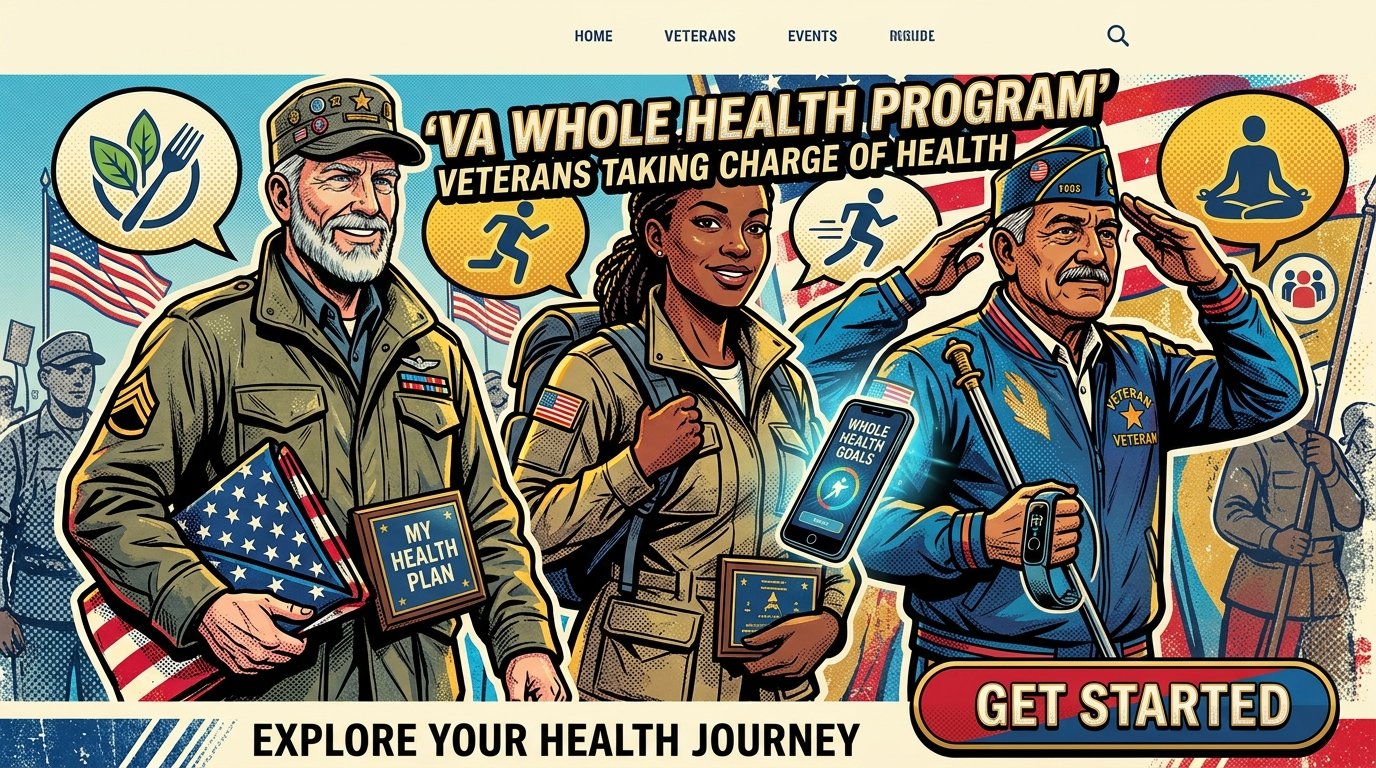
VA Whole Health: A New Approach to Healing
Whole Health is VA’s approach to care that empowers Veterans to take charge of their health by focusing on what matters most to them. Recent findings from several national studies show that Veterans who participate in Whole Health experience stronger support, improved physical and mental health, and better long-term outcomes than those receiving conventional care alone.
How Whole Health Works
Veterans reported a more personalized approach to care and stronger support in managing their health after participating in Whole Health services. Over a 6-month period, participants reported better physical and mental health. They also had a 32% higher likelihood of discussing their personal health goals with their providers than those who did not participate.
Whole Health and Pain Management
For Veterans experiencing chronic musculoskeletal pain, Whole Health made a significant difference in their perceptions of pain. According to the data, 40% experienced meaningful improvements in pain interference when using complementary and integrative health therapies such as acupuncture, meditation, or other non-pharmacological options.
Whole Health and Mental Health Treatment
Importantly, Veterans receiving evidence-based psychotherapies, such as treatments for PTSD, were 1.5 times more likely to complete their therapy when they used Whole Health both before and during treatment.
Tele Whole Health
For many Veterans, in-person Whole Health services may not always be immediately accessible. That is why VA offers Tele Whole Health — a convenient option that allows you to meet with your providers from virtually anywhere.
Copayment Reduction Legislation
Congress is considering the Whole Health for Veterans Act (HR 6848), which would make VA Whole Health participation free for Veterans in VA priority groups 1–5 and would cap co-payments at $30 per month for priority group 6–8 Veterans. Under the Department’s current policy, Veterans in priority groups 1 through 5 are exempted from making copayments under this program.
Peer Support: Healing Through Shared Experience
Peer support is one of the most powerful tools for Veteran healing. Veterans helping Veterans creates a unique bond that is difficult to replicate in traditional clinical settings.
Vets4Warriors
Vets4Warriors is a 24/7 national peer support program that reached its 1-millionth connection in November 2025. That is one million times a service member, Veteran, or family member reached out and was answered by a fellow Veteran who truly understands. Vets4Warriors started in 2011 with one mission: Veterans helping Veterans. Today, it averages over 770 first-time callers every month, 26 each day, with thousands more receiving ongoing support.
How to connect with Vets4Warriors: Call 1-855-838-8255 or chat online. Peer support staff are available 24/7, 365 days a year.
How Vets4Warriors Peer Support Works
Immediate response: Calls are answered in less than 30 seconds, ensuring timely support.
Always available: Veteran peers are ready 24/7, 365 days a year.
Confidential and safe: All conversations are 100% confidential, allowing for open dialogue without judgment.
Veterans helping Veterans: Peer specialists, Veterans themselves, are trained in peer support and leverage shared experiences to address challenges, staying engaged until issues are resolved.
Innerworld Virtual Peer Support
Innerworld, a virtual peer support platform, offers Veterans a community beyond the walls of VA health care facilities. Currently free for all Veterans, Innerworld provides anonymous support in a virtual environment. The platform guides can independently engage with a Veteran, understand their situation, and direct them to the 988 number for the Veterans Crisis Line.
Veteran Socials (VOICES)
Veteran Socials provide opportunities for Veterans to help one another solve problems, support others in their community, and decrease the feeling of being a burden to others. Veteran peer specialists partner with Veteran-serving organizations and leaders to reduce the stigma for seeking help, promote access to health information, and build community.
Vet-to-Vet Program
The Vet-to-Vet Program is a weekly virtual peer-facilitated mutual self-help group model designed to improve well-being and build community among rural Veterans. It offers a scalable approach to peer support for Veterans with chronic pain and other conditions.
Healing Retreats and Nature-Based Programs
Nature-based and retreat programs offer Veterans a chance to disconnect from daily stressors and reconnect with themselves, their families, and other Veterans.
Project Sanctuary
Project Sanctuary hosts Veteran and active-duty families through six-day therapeutic retreats at locations across the United States. While at retreats, families participate in sessions directed at improving relationships, financial literacy, and mental health.
Willing Warriors
Willing Warriors is a charitable organization that provides cost-free retreat stays and programs for wounded, ill, and injured service members and their families. The retreat offers a six-day respite including massage therapy. Their newest addition, the PenFed Grand Lodge, offers group stays, resiliency training, and PTSD counseling.
Heroes and Horses
Heroes and Horses Ranch is a nonprofit founded by Micah and MacKenzie Fink that strives to transform the lives of Veterans through nature, mindfulness, and horses. For 41 days, Veterans live on the ranch, sleep in log cabins with limited heat, have no cellphones, take cold showers, eat clean prepared food, and face the challenges of the Montana wilderness on an extensive backcountry pack trip.
Micah Fink, the founder and CEO, describes the experience: “You know there’s not a pill on earth that can heal a broken heart. There’s not a substance on earth that can help somebody who needs to learn forgiveness. And so, what we aim to do here is empower experience”.
ROCK On Veterans
Since its founding in 2005, the ROCK On Veterans program has provided equine-assisted services to more than one thousand Veterans, offering healing and support to those who have served our Nation. Today, ROCK On Veterans offers a no-cost, 24-week curriculum proven to reduce PTSD and anxiety while enhancing overall quality of life.
Homeward Bound Adirondacks
Homeward Bound Adirondacks hosts wilderness retreats for military Veterans. Since its founding in 2010, the nonprofit has organized year-round weekend retreats and backpacking experiences for Veterans suffering from PTSD, depression, and isolation.
Faith-Based Healing: REBOOT Combat Recovery
REBOOT Combat Recovery is a faith-based initiative designed to help Veterans address the spiritual and moral wounds of war. The program fosters healing by addressing the deeper existential questions that many Veterans face after service. REBOOT saves lives by dropping divorce rates, medication abuse, and suicide numbers.
How to Help a Veteran Heal: A Step-by-Step Guide
If you want to help a Veteran heal, the most important thing you can do is be present, listen without judgment, and connect them with the right resources. Here are practical steps.
Step 1: Learn the Warning Signs
Veterans in crisis may show signs such as withdrawal from friends and family, increased alcohol or drug use, anger or irritability, difficulty sleeping, feelings of hopelessness, or talking about being a burden. If you notice these signs, do not wait — reach out.
Step 2: Start the Conversation
Ask directly. “I’ve noticed you seem off lately. How are you really doing?” Avoid platitudes like “It could be worse” or “Just stay positive.” Listen more than you talk. Validate their experiences.
Step 3: Connect Them With the Veterans Crisis Line
If the Veteran is in immediate crisis, dial 988 and press 1. You can also text 838255 or chat online at VeteransCrisisLine.net/Chat. The Crisis Line is available 24/7 and is free and confidential. VA enrollment is not required.
Step 4: Help Them Explore Treatment Options
Encourage the Veteran to talk to their primary care provider about mental health treatment. Evidence-based therapies for PTSD include CPT, PE, EMDR, and WET. The PTSD Decision Aid can help them choose the right treatment.
Step 5: Introduce Peer Support
Peer support can be less intimidating than clinical care. Vets4Warriors (1-855-838-8255) connects Veterans with trained peer specialists who have lived experience. Innerworld offers anonymous virtual peer support that is currently free for all Veterans.
Step 6: Explore Whole Health
Encourage the Veteran to ask their VA care team about Whole Health services. Whole Health focuses on what matters most to the Veteran and has been shown to improve physical and mental health outcomes, reduce pain, and increase completion of PTSD therapy.
Step 7: Consider a Retreat or Nature Program
Programs like Project Sanctuary, Willing Warriors, Heroes and Horses, ROCK On Veterans, and Homeward Bound Adirondacks offer immersive healing experiences in supportive environments. Many are free or low-cost.
Step 8: Take Care of Yourself
Helping a Veteran heal can be emotionally demanding. Caregivers and family members need support too. The VA Caregiver Support Program provides resources, respite care, and peer support for caregivers.
Treatment for Co-Occurring Conditions
Many Veterans experience more than one condition at the same time. PTSD often co-occurs with depression, anxiety, substance use disorders, and traumatic brain injury (TBI). Effective treatment addresses all conditions together.
PTSD and Substance Use
Veterans who are struggling with substance use along with PTSD can still access services. PTSD Clinical Teams are designed to treat Veterans with complex mental health symptoms and needs with minimal barriers to care. This means Veterans who are also struggling with substance use or other mental health conditions are able to access services.
PTSD and Traumatic Brain Injury
VA’s Polytrauma Care system provides integrated care for Veterans with TBI and other injuries. Returning service member care includes polytrauma care, rehabilitation, mental health care, counseling, family benefits counseling, and referral assistance.
PTSD and Chronic Pain
Whole Health has been shown to significantly improve pain interference for Veterans with chronic musculoskeletal pain. Forty percent of participants experienced meaningful improvements in pain interference when using complementary and integrative health therapies such as acupuncture, meditation, or other non-pharmacological options.
Mental Health Outreach: New Legislation
Congress is actively working to expand mental health outreach to Veterans. The VA Mental Health Outreach and Engagement Act (H.R. 3863) would require VA to offer annual mental health consultations to Veterans who are receiving disability compensation for a service-connected disability relating to a mental health diagnosis. It would also require the department to contact Veterans with those conditions to inform them about the department’s mental health care services.
The Congressional Budget Office estimates that about 250,000 Veterans, on average, would receive one consultation annually at an average cost of $280. In total, those consultations would cost $750 million over the 2026–2036 period. The bill also would require VA to inform Veterans about the availability of mental health consultations and other mental health services either electronically or by mail. CBO estimates that VA would notify an average of about 2 million Veterans annually.
Common Questions
How can I help a Veteran who is struggling?
Start by listening without judgment. Ask direct questions about how they are doing. If they are in crisis, connect them with the Veterans Crisis Line by dialing 988 and pressing 1. Encourage them to explore VA mental health services, peer support programs like Vets4Warriors, and Whole Health. Be patient — healing takes time.
What is the Veterans Crisis Line?
The Veterans Crisis Line offers free, confidential support, 24/7, by phone, chat, or text. Dial 988 and press 1, text 838255, or chat online at VeteransCrisisLine.net/Chat. You do not need to be enrolled in VA benefits or health care to connect. Responders are trained in military culture and crisis intervention.
What therapies are available for PTSD?
VA offers several evidence-based therapies for PTSD, including Cognitive Processing Therapy (CPT), Prolonged Exposure (PE), Eye Movement Desensitization and Reprocessing (EMDR), and Written Exposure Therapy (WET). These are gold-standard treatments that have been shown to reduce PTSD symptoms. The PTSD Decision Aid can help Veterans choose the right option.
What is VA Whole Health?
Whole Health is VA’s approach to care that empowers Veterans to take charge of their health by focusing on what matters most to them. Recent studies show that Veterans who participate in Whole Health experience stronger support, improved physical and mental health, and better long-term outcomes. Whole Health includes complementary therapies like acupuncture, meditation, and wellness coaching.
Is peer support effective for Veterans?
Yes. Peer support is one of the most powerful tools for Veteran healing. Vets4Warriors, a 24/7 national peer support program, reached its 1-millionth connection in November 2025. Callers are met by a peer who has lived it — someone who served, who struggled, and who found a way forward. Peer support reduces stigma and keeps problems from turning into something bigger.
What are Veteran healing retreats?
Veteran healing retreats are immersive programs that offer Veterans a chance to disconnect from daily stressors and reconnect with themselves and others. Programs like Project Sanctuary, Willing Warriors, Heroes and Horses, and ROCK On Veterans offer retreats focused on nature, horses, mindfulness, and family relationships. Many are free or low-cost.
Does VA mental health care cost anything?
If you receive outpatient mental health care, you will not have a copay for the first 3 appointments of the calendar year, from now until 2027. Many mental health services are free for enrolled Veterans. Whole Health copayments may be reduced or eliminated under pending legislation.
How do I access VA mental health services?
If a referral is required, contact your primary care provider first. VA psychology teams offer consultation, evaluation, and treatment. VA can also connect you with programs like mental health services and education and career counseling.
What is the PTSD Decision Aid?
The PTSD Decision Aid is a tool created by the National Center for PTSD to help Veterans explore the evidence-based treatment option that is right for them. It is available online and can be used independently or with a provider.
Can family members get help too?
Yes. Project Sanctuary hosts Veteran and active-duty families through six-day therapeutic retreats at locations across the United States. Sessions focus on improving relationships, financial literacy, and mental health. The VA Caregiver Support Program also provides resources and support for family caregivers.
Key Takeaways
The Veterans Crisis Line is available 24/7 by dialing 988, pressing 1, texting 838255, or chatting online. No VA enrollment is required.
VA mental health services are available to all enrolled Veterans, and the first 3 outpatient mental health appointments of the year have no copay through 2027.
Evidence-based PTSD therapies include Cognitive Processing Therapy (CPT), Prolonged Exposure (PE), EMDR, and Written Exposure Therapy (WET).
VA Whole Health focuses on what matters most to the Veteran and has been shown to improve physical and mental health, reduce pain, and increase completion of PTSD therapy.
Peer support programs like Vets4Warriors (1-855-838-8255) connect Veterans with trained peer specialists who have lived experience.
Healing retreats like Project Sanctuary, Willing Warriors, Heroes and Horses, and ROCK On Veterans offer immersive, nature-based healing experiences.
New legislation (H.R. 3863) would require VA to offer annual mental health consultations to Veterans receiving disability compensation for mental health conditions.
Family members and caregivers can access support through VA programs and retreats designed for the whole family.
Healing is a journey, not a single event. The first step is reaching out.
No Veteran should face their battle alone.
Official Resources
Veterans Crisis Line — Dial 988, Press 1 | Text 838255 | VeteransCrisisLine.net/Chat
U.S. Department of Veterans Affairs (VA) — VA.gov — Mental health services, Whole Health, and benefits
VA Mental Health — mentalhealth.va.gov — PTSD treatment, depression, anxiety, and MST resources
National Center for PTSD — ptsd.va.gov — PTSD Decision Aid and treatment information
Vets4Warriors — 1-855-838-8255 | vets4warriors.com — 24/7 peer support

🇺🇸 IMPORTANT DISCLAIMER – Veterans Benefits Information
This site provides general information about U.S. Department of Veterans Affairs (VA) benefits for educational and informational purposes only.
- Not Official: We are NOT affiliated with, endorsed by, or connected to the U.S. Department of Veterans Affairs (VA), the Veterans Benefits Administration (VBA), the Veterans Health Administration (VHA), or any other government agency.
- No Legal/Financial Advice: The content on this website is for informational purposes only and does not constitute legal, financial, or medical advice. VA benefits rules change frequently – always consult with an accredited Veterans Service Officer (VSO) or a qualified professional for your specific situation.
- Official Sources: For official, binding information and to apply for benefits, always visit official .gov websites: VA.gov, Benefits.VA.gov, or SSA.gov.
- No Data Collection: This site does not collect, store, or process any personal information. It does not have login forms, contact forms, or any system to capture user data. We never ask for your Social Security Number, bank details, or any personal information.
- 🚨 Scam Alert: The VA and other government agencies never charge fees for benefit applications. If anyone asks for money to "process" your VA claim, it is a scam. Report it to the VA Office of Inspector General at VA.gov/OIG.
- Advertising: This site uses third-party advertising (Adsterra) to cover operational costs. We do not endorse or guarantee any products or services advertised.
📌 Information provided as of June 2026. Always verify current eligibility and rules with official .gov sources.
This site is not affiliated with the U.S. Department of Veterans Affairs or any government agency. All information is for educational purposes only. Please visit VA.gov for official information.
