

Introduction to the Disabled American Veterans (DAV) Organization
The Disabled American Veterans (DAV) organization was founded in 1920 with the primary purpose of supporting veterans who have been disabled as a result of their service in the armed forces. The organization is committed to ensuring that veterans receive the benefits and services they deserve while advocating for their rights at both state and national levels. Since its inception, DAV has served as an essential pillar in the veteran support landscape, working tirelessly to improve the quality of life for American veterans and their families.
The mission of DAV revolves around several core principles, including empowering veterans to lead fulfilling lives post-service, enabling them to secure appropriate healthcare, and providing necessary resources for rehabilitation and reintegration. The organization recognizes that disabled veterans face unique challenges, which require targeted assistance and comprehensive support systems. Over the years, DAV has adapted its programs to address various issues that veterans encounter, including mental health services, employment opportunities, and educational benefits.

With an ever-evolving landscape of veteran support, DAV has increasingly become relevant as more veterans return from service. The commitment to advocacy has led to significant collaborations with various governmental and non-governmental entities, aimed at ensuring that veterans’ voices are heard and their needs are adequately addressed. DAV’s programs encompass a wide array of support services tailored to meet the distinct needs of disabled veterans, reflecting the organization’s adaptability to contemporary challenges.

As DAV progresses into the future, its objectives remain focused on the same foundational goals, continuously striving to enhance the lives of American veterans and ensuring that their sacrifices are recognized and honored. This enduring commitment highlights the importance of having organizations like DAV that are dedicated to transforming support for those who have served the nation.
The Need for a Modernized Approach to Veteran Support
Veterans in the United States often face significant challenges when it comes to accessing the support and services they need. One of the primary issues is the geographical barriers that exist, especially in rural and underserved areas. Many veterans live far from VA facilities, which can make regular visits for medical care, counseling, or administrative support exceedingly difficult. The limited availability of services in these locations exacerbates the existing problems, leaving our heroes without timely access to essential resources.
Furthermore, long wait times are a persistent concern for many veterans. Often, veterans must navigate an intricate web of bureaucracy when seeking healthcare or benefits, leading to delays in receiving the assistance they require. This situation can lead to increased frustration among veterans who have already sacrificed so much for their country. The complexities of the VA claims process also contribute to these long wait times, as many veterans struggle to understand the requirements and documentation needed to successfully file their claims.
Equally problematic are the barriers posed by the VA system’s complexity. Many veterans find themselves overwhelmed by the paperwork and regulations associated with claiming their benefits. This often leads to confusion, mistakes in applications, and ultimately, the potential denial of benefits that they rightfully deserve. As a result, it becomes crucial that a modernized approach is adopted to streamline these processes, making them more user-friendly and accessible. Addressing these persistent issues is essential for ensuring that all veterans receive the timely and effective support they need, regardless of their location or circumstances.
Overview of the DAV’s Integrated Mobile Support Network
Veterans May Qualify for Extra Benefits
Check available financial assistance, healthcare programs and other opportunities that may apply to you.
Check EligibilityThe Disabled American Veterans (DAV) organization has consistently sought innovative ways to enhance the care and support provided to American veterans. Scheduled to launch in 2026, the DAV’s Integrated Mobile Support Network represents a significant advancement in this mission. This integrated network aims to utilize cutting-edge technology to streamline access to crucial services while improving overall efficiency in veteran support.
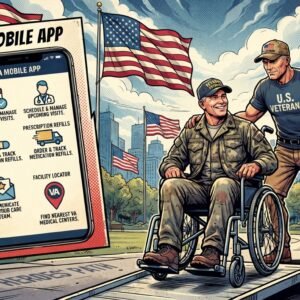
This system leverages mobile technology to create a user-friendly interface for veterans seeking assistance. The platform will enable veterans to connect with support services, benefits information, and medical care at their convenience. By employing a mobile-first approach, the DAV is addressing the critical need for accessibility, ensuring that veterans can tap into resources regardless of their geographical location. The solution encompasses comprehensive features, including appointment scheduling, telehealth options, and real-time notifications regarding benefits updates.
Furthermore, the Integrated Mobile Support Network is designed to facilitate seamless communication between veterans and caregivers or support staff. Utilizing secure messaging and video conferencing capabilities, veterans will have enhanced opportunities to discuss their needs directly with DAV representatives. This level of interaction is expected to not only foster stronger relationships but also empower veterans to take more active roles in managing their care.
The anticipation surrounding this initiative highlights its potential to set new standards in veteran care. By prioritizing convenience and adaptability, the DAV’s Integrated Mobile Support Network aims to create an environment where veterans feel valued and supported. Overall, the initiative is positioned to make a profound impact on the landscape of veteran services, ensuring no veteran is left behind in accessing essential support.
Addressing Access and Follow-Through: DAV’s Dual Approach
The Disabled American Veterans (DAV) organization is committed to improving the lives of American veterans by addressing the critical issues of accessing services and effectively following through on claims. These two challenges often hinder veterans from receiving the benefits they rightfully deserve. As such, DAV has implemented a dual approach aimed at overcoming these obstacles and ensuring veterans receive the support they need in a timely manner.
Access to services is often complicated by a myriad of factors such as geographic location, lack of transportation, or insufficient information. DAV recognizes these barriers and has taken proactive measures to enhance access. Initiatives include the introduction of mobile outreach programs, which bring essential services directly to veterans in rural or underserved areas. This approach helps to reduce the gaps in service accessibility, ensuring that all veterans have the opportunity to engage with the resources available to them.
Furthermore, DAV emphasizes the importance of follow-through on claims as an integral part of the support process. Many veterans find themselves entangled in a complex and often frustrating claims process. DAV is combating this issue by providing personalized assistance through trained service officers, who guide veterans step-by-step in filing claims and navigating the system. This support is crucial for helping veterans understand their rights and options, and for fostering a seamless transition from application to approval.
In addition, DAV is leveraging technology to streamline communications and facilitate continual engagement with veteran clients. Online portals and mobile applications offer veterans the ability to track their claims, access information, and remain in contact with service officers. This dual approach of enhancing access and ensuring diligent follow-through represents DAV’s commitment to the holistic support of American veterans, paving the way for improved outcomes and greater satisfaction with the benefits process.
Recent Initiatives: Claims Kiosks and Advocacy for VA Funding
The Disabled American Veterans (DAV) organization has consistently championed the rights and needs of veterans, adapting to the changing landscape of veteran services. Recently, the DAV has undertaken noteworthy initiatives that reflect a proactive approach in addressing the challenges faced by veterans, especially in rural areas. One such initiative is the introduction of remote claims kiosks in rural Arizona. These kiosks serve as a crucial resource, allowing veterans to file claims conveniently, thereby reducing the barriers that many face regarding access to essential services. The deployment of these kiosks is aimed at enhancing the overall efficiency of the claims process, thus ensuring that veterans receive the benefits they have earned.
In addition to technological advancements, the DAV has also been vocal in advocating for increased funding for the Department of Veterans Affairs (VA) health programs. The organization recognizes that adequate funding is vital for maintaining high-quality health care services for veterans. In an era where many veterans struggle with physical and mental health challenges, ensuring sufficient financial resources for the VA is paramount. The DAV’s advocacy efforts focus on encouraging lawmakers to prioritize veteran health funding in national budgets, emphasizing the positive impact that proper funding can have on community health and well-being.
These initiatives, including the claims kiosks and the push for enhanced VA funding, underscore the organization’s commitment to improving the lives of veterans. By prioritizing access to services and advocating for necessary resources, the DAV is making significant strides in transforming support for veterans across the United States. These efforts not only benefit individual veterans but also strengthen the communities that rally around them, fostering an environment of support and recognition for their sacrifices.
Innovative Outreach: Using Digital Platforms for Engagement
In recent years, the Disabled American Veterans (DAV) organization has recognized the growing need to adapt its outreach strategies to engage a younger generation of veterans. Utilizing advanced technology and digital platforms plays a crucial role in improving accessibility and increasing involvement. Among the innovative approaches employed by DAV, live streaming has emerged as an effective way to relay important information to veterans who may prefer to engage with content through their devices.
One successful campaign launched by DAV is its series of live webinars that cover various topics ranging from veterans’ benefits to mental health resources. These webinars not only provide vital information but also offer interactive Q&A sessions, allowing participants to engage directly with experts. This format has proven particularly appealing to younger veterans, who often favor instant access to information and the ability to communicate in real-time.
Moreover, the DAV has leveraged social media platforms such as Facebook, Instagram, and YouTube to reach a broader audience. By sharing relatable stories, testimonials from other veterans, and engaging content, these platforms foster a sense of community and belonging among veterans who may feel isolated. The organization’s focus on inclusivity has attracted numerous volunteers who are passionate about supporting their peers.
Additionally, DAV’s digital outreach includes targeted campaigns designed to attract younger veterans into volunteer roles. By operationalizing digital tools to streamline the recruitment process, the organization has made it easier for interested individuals to sign up and contribute their time and skills. Through well-coordinated digital campaigns, the DAV continues to strengthen its mission of empowering and supporting American veterans.
The Role of Local Chapters in Supporting Veterans
The Disabled American Veterans (DAV) organization is composed of a vast network of approximately 1,200 local chapters nationwide, which play an essential role in offering tailored support to veterans in their respective communities. These local chapters function as community hubs where veterans can connect not only with one another but also with local resources and services that are specifically aimed at addressing their unique needs.
Each local chapter serves as a point of contact for veterans seeking assistance with a range of issues, from navigating benefits claims to accessing medical care and mental health support. Members of local chapters often include veterans who have firsthand experience with the challenges faced by their peers, fostering an environment of empathy and understanding. This peer support can be invaluable, as it creates a sense of camaraderie and belonging among veterans who may be feeling isolated or struggling with reintegration into civilian life.
In addition to providing direct support services, local chapters actively engage in community outreach efforts, raising awareness about veterans’ issues and the resources available to them. By organizing events, workshops, and informational sessions, these chapters educate both veterans and the general public about the challenges that affect veterans, as well as the importance of community support. Through fundraising initiatives and partnerships with local businesses and organizations, chapters can secure additional resources to enhance their programs.
The integration of local chapters into the communities they serve highlights the DAV’s commitment to ensuring that veterans receive the individualized support they require. This localized approach allows for a greater understanding of the specific challenges faced by veterans in various regions, facilitating more effective and relevant assistance. In summary, local DAV chapters not only provide crucial support and resources but also foster a sense of community and solidarity among veterans, empowering them to thrive after service.
Personal Stories: Veterans Who Found Support Through the DAV
Numerous veterans have narrated their experiences of receiving invaluable support through the Disabled American Veterans (DAV) organization, showcasing its significant impact on their lives. One such veteran, John, served in the Marine Corps for eight years. After returning home, he struggled with post-traumatic stress disorder (PTSD) that made daily activities challenging. Feeling isolated, he reached out to DAV, where he found not only resources but also a community that understood his struggles. The personalized assistance he received from trained DAV professionals helped him secure essential health services, significantly improving his quality of life.
Similarly, Mary, an Air Force veteran, faced overwhelming challenges when transitioning to civilian life. She discovered that navigating the VA system was far more complicated than anticipated. Upon connecting with DAV, she received comprehensive guidance that clarified her benefits and procedural requirements. With the support of DAV representatives, Mary managed to access vocational training programs that ultimately enabled her to launch a successful career in technology. This kind of tailored support exemplifies how DAV helps veterans overcome bureaucratic hurdles and thrive post-service.
Another touching testimonial comes from Steve, who served in the Navy and was diagnosed with multiple sclerosis after retiring. His journey became a source of struggle until he encountered DAV’s advocacy. They provided him not only with crucial information regarding his entitlements but also connected him with peer support groups. This new network played a pivotal role in shaping Steve’s outlook towards his condition, demonstrating that he was not alone in his fight.
These personal stories illustrate the transformational role of DAV in supporting veterans. By empowering individuals with the necessary resources and community support, the organization enables veterans to regain control over their lives and pursue fulfilling futures.
Conclusion: The Future of Veteran Support with the DAV
As we reflect on the discussions surrounding the vital role of the Disabled American Veterans (DAV), it becomes increasingly clear that their ongoing initiatives are indispensable in transforming support for American veterans. The DAV has consistently demonstrated a commitment to addressing the unique needs of veterans, focusing on areas such as advocacy, support services, and community outreach. Their efforts serve not only to assist veterans in navigating the complexities of post-service life but also to ensure that their voices are heard and respected within society.
Looking ahead, the future of veteran support through the DAV will emphasize accessibility, innovation, and responsiveness to the evolving needs of veterans. With a growing recognition of mental health issues, the DAV is likely to expand its programs to incorporate more comprehensive mental health support services. Additionally, the incorporation of technology in service delivery, such as telehealth and online resources, may become more prevalent, aiming to reach veterans in even the most remote locations.
Moreover, collaboration with other organizations and stakeholders will be crucial in enhancing veteran support frameworks. By fostering partnerships, the DAV can leverage additional resources and expertise to address systemic challenges faced by veterans, particularly in securing benefits and employment opportunities. As societal attitudes and policies toward veterans continue to evolve, the DAV’s ability to adapt to these changes will play a significant role in shaping the landscape of veteran support.
In conclusion, the commitment of the DAV to fostering a robust support network for veterans looks promising. As they continue to champion veterans’ rights and needs, it is imperative that society remains engaged in this mission, ensuring that the sacrifices of those who served are met with the highest standards of support and care.
🇺🇸 IMPORTANT DISCLAIMER – Veterans Benefits Information
This site provides general information about U.S. Department of Veterans Affairs (VA) benefits for educational and informational purposes only.
- Not Official: We are NOT affiliated with, endorsed by, or connected to the U.S. Department of Veterans Affairs (VA), the Veterans Benefits Administration (VBA), the Veterans Health Administration (VHA), or any other government agency.
- No Legal/Financial Advice: The content on this website is for informational purposes only and does not constitute legal, financial, or medical advice. VA benefits rules change frequently – always consult with an accredited Veterans Service Officer (VSO) or a qualified professional for your specific situation.
- Official Sources: For official, binding information and to apply for benefits, always visit official .gov websites: VA.gov, Benefits.VA.gov, or SSA.gov.
- No Data Collection: This site does not collect, store, or process any personal information. It does not have login forms, contact forms, or any system to capture user data. We never ask for your Social Security Number, bank details, or any personal information.
- 🚨 Scam Alert: The VA and other government agencies never charge fees for benefit applications. If anyone asks for money to "process" your VA claim, it is a scam. Report it to the VA Office of Inspector General at VA.gov/OIG.
- Advertising: This site uses third-party advertising (Adsterra) to cover operational costs. We do not endorse or guarantee any products or services advertised.
📌 Information provided as of June 2026. Always verify current eligibility and rules with official .gov sources.
This site is not affiliated with the U.S. Department of Veterans Affairs or any government agency. All information is for educational purposes only. Please visit VA.gov for official information.
