

Understanding Disability Claims
Disability claims are formal requests for financial assistance or benefits made by individuals who are unable to work due to physical or mental impairments. These claims can provide crucial support for individuals facing considerable challenges in their daily lives. There are generally two main types of disability benefits: Social Security Disability Insurance (SSDI) and Supplemental Security Income (SSI). Each program is designed to assist individuals with disabilities, yet they have distinct eligibility criteria and benefits.
Social Security Disability Insurance (SSDI) is a program that provides benefits to individuals who have a work history and have paid into the Social Security system through payroll taxes. To qualify for SSDI, applicants must have a medically determinable disability that lasts for at least 12 months or is expected to result in death. Additionally, the applicant must meet certain work requirements, which generally depend on age and the number of work credits accumulated over their lifetime.

On the other hand, Supplemental Security Income (SSI) is a needs-based program offered to individuals who have limited income and resources, regardless of their work history. SSI eligibility is determined based on financial criteria and the severity of the disability. To qualify for SSI, applicants must demonstrate that they meet the Social Security Administration’s (SSA) definition of disability.

Regardless of the type of disability claim, applicants must provide thorough documentation of their medical condition, including medical records, test results, and sometimes personal statements regarding their ability to function in daily life. This documentation is critical, as it forms the basis of the SSA’s decision-making process.
Understanding these basic aspects of disability claims can help prospective applicants navigate the complicated landscape of benefits available to them. Making an informed decision regarding which type of claim to pursue is essential to ensure that individuals receive the support they require.
The Role of the VA in Disability Claims
The Veterans Affairs (VA) plays a pivotal role in the disability claims process for veterans seeking benefits. As a federal agency, the VA is responsible for evaluating claims, determining the level of disability, and providing financial and medical support to eligible individuals. Understanding the functions and responsibilities of the VA is essential for veterans and their families navigating this often complex process.
One of the primary duties of the VA is to assess the validity of claims submitted by veterans. This involves a thorough review of the claimant’s medical history, military service records, and any additional evidence provided. The VA utilizes a detailed rating schedule to evaluate the severity of disabilities, which is crucial for determining the benefits to which a veteran is entitled. This process incorporates both physical and mental health evaluations, ensuring that all aspects of a veteran’s health are considered.
Veterans May Qualify for Extra Benefits
Check available financial assistance, healthcare programs and other opportunities that may apply to you.
Check EligibilityAdditionally, the VA is tasked with making decisions related to various forms of benefits, which may include disability compensation, vocational rehabilitation, and educational support. The agency has established specific criteria for different types of claims, which can vary significantly based on the nature of the disability and the veteran’s service history. Veterans are encouraged to gather comprehensive documentation to support their claims, as this documentation plays a critical role in the VA’s decision-making process.
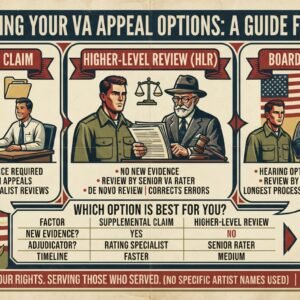
Moreover, the VA maintains a commitment to fairness and thoroughness in its evaluations. Should a veteran be dissatisfied with the outcome of their claim, there are avenues available for appeal. The VA outlines processes for challenging decisions, which include submitting additional evidence and attending hearings. This transparency ensures that veterans understand their rights and options within the disability claims system.
In conclusion, the Veterans Affairs agency serves as a crucial entity in the disability claims landscape, undertaking the responsibility of evaluating claims and determining eligibility for benefits. By recognizing the scope of the VA’s functions, veterans can better navigate the claims process and advocate for the support they need.
Preparing Your Claim: Documents and Evidence
When preparing to file a disability claim in Houston, Texas, it is essential to gather the necessary documents and evidence that will support your case. The documentation you provide can significantly influence the approval process and outcome of your claim. Below are key categories of documents and evidence that you should consider compiling.
First and foremost, medical documentation is crucial. This includes any medical records that detail your health condition, treatment history, and prognosis. Be sure to obtain a comprehensive report from your healthcare provider that explicitly outlines your diagnosis, the severity of your impairment, and how it affects your daily life. Additionally, you should include any relevant test results, imaging studies, and treatment notes that bolster your claim.
Next, service records are vital if your disability is service-related. Veterans must include their service records that prove their service time and any incidents that may have contributed to their disabilities. This information provides context and legitimacy to the claim, illustrating a direct connection between military service and the current disability.
Furthermore, gather documentation of any prior claims or appeals you have made related to your disability. This could include correspondence with the Social Security Administration (SSA) or any other relevant bodies. Consistency in your claims is vital, and providing previous documentation can help reinforce your current case.
It is also advantageous to collect witness statements or affidavits from family members, friends, or employers who can attest to the limitations imposed by your disability. These statements can be instrumental in painting a complete picture of how your condition affects your daily functions and ability to work.
Finally, ensure that all documentation is organized and clearly labeled. A well-prepared and thorough submission is advisable, as it reflects professionalism and attention to detail. In conclusion, compiling comprehensive documents and evidence is critical in filing a successful disability claim in Houston, Texas. Being meticulous with your preparation can make a significant difference in how your claim is evaluated.
Filing Your Disability Claim: Step-by-Step Process
Filing a disability claim with the Department of Veterans Affairs (VA) is a crucial step for veterans seeking the benefits they deserve. The process can be navigated efficiently by following a structured approach. Here is a detailed, step-by-step guide to help you through this process.
Firstly, it is important to determine your eligibility for benefits. Ensure that you have your service records, medical documents, and any relevant evidence required to substantiate your claim. This preparation is key to increasing the chances of a favorable outcome.
The next step involves choosing your method of filing the claim. Veterans have the option to submit their claims online via the VA’s eBenefits portal, which is a user-friendly platform designed for veterans. If you prefer, you can also file your claim through the mail using VA Form 21-526EZ, or you may opt for an in-person application at a local VA regional office, where assistance is available.
When submitting your claim online, log into the eBenefits website and follow the prompts to complete your application. Be sure to upload all the necessary documents, as these support your claim and can significantly impact its approval. For mail submissions, ensure that you send copies of your documents rather than original copies, as originals may not be returned. Tracking your application is also advisable to confirm that it has been received by the VA.
If you choose to visit a VA office, it may be beneficial to schedule an appointment. During your visit, a claims representative can guide you through the application process, helping you fill out the necessary forms and ensuring that all documentation is in order. Remember to take notes and ask questions if any part of the process is unclear.
Once your claim has been submitted, the VA will begin processing it, which may take some time. Patience is essential during this phase as the VA reviews your application and medical evidence to determine eligibility for disability benefits. Stay proactive by checking the status of your claim periodically, either online or by contacting the VA directly.
In conclusion, navigating the disability claims process in Houston, Texas, can become significantly simpler by following these steps. By preparing thoroughly, choosing your submission method wisely, and remaining engaged throughout the process, veterans can enhance their chances of successfully obtaining the benefits they deserve.
Understanding the Waiting Game: Processing Times Explained
Navigating the process of disability claims in Houston, Texas, entails a comprehensive understanding of the average processing times associated with these claims. Typically, the duration from the initial application to a decision can vary significantly, and it is crucial for claimants to be aware of these timeframes to set realistic expectations.
The average processing time for disability claims can range from several months to a few years, depending on various factors. One of the primary influences on the timeline is the complexity of the claim itself. Claims that involve clear medical evidence and straightforward conditions tend to be processed more quickly than those that require in-depth investigations or involve complex medical issues.
Another critical factor is the jurisdiction in which the claim is filed. Different regions may have varying administrative efficiencies, case loads, and availability of resources. For instance, claims in heavily populated areas or regions with a backlog of cases may take significantly longer to resolve compared to those filed in less populated jurisdictions where resources may be more readily available.
Additionally, the applicant’s readiness can affect processing times. Ensuring that all necessary documentation is complete and accurate before submission can minimize delays. Missing information or errors in the application can lead to requests for additional documentation, extending the waiting period beyond initial estimates.
Moreover, the current state of government agencies handling disability claims, particularly during peak times or times of transition, can also impact processing speeds. For instance, during months when many claims are submitted simultaneously or when policy changes occur within social services, delays can be expected.
In conclusion, understanding the waiting game associated with disability claims in Houston requires an analysis of various influencing factors. By being informed about average processing timelines and the elements affecting them, claimants can better navigate their disability claims journey and plan accordingly.
Appealing a Denied Claim: What to Do Next
Receiving a denial for your disability claim can be disheartening and stressful. However, it is important to know that a denied claim is not the end of the road. Understanding the appeals process in Houston, Texas, as well as the common reasons for claim denials, can empower you to take the necessary steps toward achieving a favorable outcome.
The first step after a denial is to carefully review the denial letter. This document typically contains critical information regarding the reasons for the denial. Some common reasons for denied disability claims include insufficient medical evidence, failure to follow prescribed treatment, and discrepancies in the information provided. By identifying the specific reasons cited in your denial, you can better address them in your appeal.
Once you have analyzed the denial, the next step is to initiate the appeals process. In Texas, the Social Security Administration (SSA) provides several levels of appeal: reconsideration, hearing by an administrative law judge, and further appeals to the Appeals Council. It is crucial to adhere to the deadlines for each step of the process; generally, you have 60 days from the date of the denial to file your appeal. Missing these deadlines could result in losing your right to appeal, thereby complicating your situation.
To strengthen your case, consider gathering additional evidence that was not included in your original application. This may include updated medical records, new documentation from healthcare providers, or testimonials from family members and friends regarding your functional limitations. Furthermore, you may want to seek assistance from a qualified disability attorney or advocate who can provide guidance throughout the appeals process. They can help you craft a persuasive argument that addresses the reasons for denial and reinforces the legitimacy of your disability claim.
Throughout this process, maintaining detailed records, including communications with the SSA and any medical professionals, can be immensely helpful. As you navigate this challenging time, remember that a denied claim does not define your ability to secure the benefits you deserve. By understanding the appeals process and taking proactive measures, you can increase your odds of a successful outcome. In conclusion, it is essential to remain persistent and informed while appealing a denied disability claim.
Local Resources for Disability Support in Houston
Veterans in Houston, Texas, seeking assistance with their disability claims have access to a variety of resources and organizations that are dedicated to providing the necessary support. One prominent local resource is the Houston VA Regional Office, which plays a critical role in assisting veterans with their claims. This office can guide veterans through the intricate claims process and offers a wealth of information regarding eligibility and benefits.
In addition to the VA Regional Office, veterans can benefit from organizations such as the Texas Veterans Commission (TVC). The TVC provides free services, including claims assistance, counseling, and advocacy focused specifically on veteran issues. Through their various programs, veterans can receive the assistance they might need in navigating the complexities of the disability claims process.
Support groups also play an essential role in helping veterans connect and share their experiences. Groups such as the Disabled American Veterans (DAV) Chapter in Houston provide valuable networking opportunities, allowing veterans to meet others facing similar challenges. These groups often hold regular meetings and events, promoting camaraderie and support among members while educating them on the nuances of filing a disability claim.
Furthermore, institutions like the Houston Area Women Veterans Network focus on the unique needs and challenges faced by women veterans in relation to disability claims. This organization acts as a resource hub for women veterans and can provide tailored support as they navigate their claims process.
Finally, local legal aid organizations, such as the Houston Volunteer Lawyers Program, may offer assistance to veterans who require legal guidance while dealing with their claims. These resources ensure that veterans in the Houston area have access to the support they need to successfully manage their disability claims and assert their rights as veterans.
Frequently Asked Questions About Disability Claims
When it comes to navigating disability claims, particularly for veterans, several questions commonly arise. Understanding the claims process can alleviate concerns and clarify misconceptions held about eligibility and benefits. This section aims to address frequently asked questions regarding disability claims.
One common question veterans have is: “What qualifies as a disability for claims purposes?” According to the Department of Veterans Affairs (VA), a disability is defined as a condition that interferes with a veteran’s ability to work or carry out daily activities. This includes physical injuries, mental health disorders, and conditions developed or aggravated during military service.
Another frequently asked question is: “How does the claims process work?” The process begins with submitting a claim through the VA. Veterans must provide necessary documentation, including medical records and service history. Once submitted, the VA reviews the claim, which may lead to further assessment, a disability rating, and eventual approval or denial. Understanding this process can prepare veterans for what to expect.
Many veterans also ask: “How long does it take to get a decision on my claim?” The time it takes to receive a decision can vary significantly based on the complexity of the claim, the volume of claims being processed, and other factors. On average, the VA aims to process claims within a certain timeframe, but delays can occur, and it is vital for veterans to stay informed about their application status.
Veterans often contend with misconceptions about their benefits as well. A prevalent myth is that veterans cannot receive disability benefits if they are already receiving retirement pay. In reality, many veterans can receive both, although it may affect the amount of benefits received. Clarity on such issues is essential for veterans to make informed decisions about their claims.
For those looking to navigate the claims process more efficiently, understanding these frequently asked questions can significantly affect the outcome. By addressing common inquiries and misconceptions, veterans can approach their claims with greater confidence and preparedness.
Final Thoughts and Strategies for Success
Navigating the VA disability claims process can be daunting for many individuals in Houston, Texas. Throughout this guide, we have explored various facets of the claims process, offering insights and strategies designed to enhance your success. It is essential to keep in mind that preparation and knowledge are key factors in achieving a favorable outcome.
First and foremost, understanding the eligibility criteria for various disability programs is crucial. It is advisable to meticulously gather and document all pertinent medical records and personal statements that substantiate your claim. These records serve as vital evidence and can significantly impact the adjudication process.
Additionally, leveraging resources available within the Houston community can provide invaluable assistance. Engaging with veterans’ service organizations and legal representatives specializing in disability claims can streamline the process. These professionals can offer guidance tailored to your specific circumstances, ensuring that your application is as robust as possible.
Moreover, remaining patient throughout the process is imperative. The VA claims process can be lengthy, and experiencing delays is not uncommon. By maintaining open communication with the VA and following up regularly on the status of your claim, you can stay informed and proactive.
Finally, consider appealing any decision that you believe is incorrect. The appeals process, although complex, allows for a reevaluation of your claim and is an important option if you feel that your case has not been fairly considered. Documenting your case thoroughly and presenting any new evidence can bolster your appeal.
In conclusion, navigating the VA disability claims process in Houston requires careful planning, support, and perseverance. By actively utilizing available resources and remaining engaged, individuals can enhance their chances of successfully obtaining the benefits they deserve.

🇺🇸 IMPORTANT DISCLAIMER – Veterans Benefits Information
This site provides general information about U.S. Department of Veterans Affairs (VA) benefits for educational and informational purposes only.
- Not Official: We are NOT affiliated with, endorsed by, or connected to the U.S. Department of Veterans Affairs (VA), the Veterans Benefits Administration (VBA), the Veterans Health Administration (VHA), or any other government agency.
- No Legal/Financial Advice: The content on this website is for informational purposes only and does not constitute legal, financial, or medical advice. VA benefits rules change frequently – always consult with an accredited Veterans Service Officer (VSO) or a qualified professional for your specific situation.
- Official Sources: For official, binding information and to apply for benefits, always visit official .gov websites: VA.gov, Benefits.VA.gov, or SSA.gov.
- No Data Collection: This site does not collect, store, or process any personal information. It does not have login forms, contact forms, or any system to capture user data. We never ask for your Social Security Number, bank details, or any personal information.
- 🚨 Scam Alert: The VA and other government agencies never charge fees for benefit applications. If anyone asks for money to "process" your VA claim, it is a scam. Report it to the VA Office of Inspector General at VA.gov/OIG.
- Advertising: This site uses third-party advertising (Adsterra) to cover operational costs. We do not endorse or guarantee any products or services advertised.
📌 Information provided as of June 2026. Always verify current eligibility and rules with official .gov sources.
This site is not affiliated with the U.S. Department of Veterans Affairs or any government agency. All information is for educational purposes only. Please visit VA.gov for official information.
