

Introduction to VA Loans
Veterans Affairs (VA) loans represent a specialized mortgage option designed to assist veterans, active-duty service members, and certain members of the National Guard and Reserves in securing homeownership. Established to honor and support those who have served the nation, VA loans offer a range of benefits that distinguish them from conventional mortgage options. Qualifying individuals typically include veterans who have met specific service duration criteria, active-duty personnel, and select surviving spouses.
One of the most significant advantages of VA loans is the absence of a down payment requirement. Unlike conventional loans, which often necessitate a substantial initial outlay, VA loans allow eligible borrowers to finance 100% of the home’s value, thus easing financial barriers to homeownership. Additionally, VA loans do not mandate private mortgage insurance (PMI), providing further cost savings. This aspect is crucial, as PMI can significantly inflate monthly mortgage payments, making homeownership less accessible for many.

Moreover, VA loans often feature competitive interest rates compared to traditional loans. Since these loans are backed by the government, lenders may offer more favorable terms, including lower rates and flexible credit requirements. This setup can help veterans and service members with varying credit profiles to obtain financing for their homes, thereby reinforcing their path to stable housing.

The significance of VA loans extends beyond financial considerations. They symbolize a commitment to veterans and service members, facilitating their transition into civilian life and encouraging stability for their families. By promoting homeownership among those who have served, VA loans serve as a testament to the nation’s appreciation of their sacrifices, aiding in the pursuit of the American dream of owning a home.
Understanding VA Mortgage Rates
VA mortgage rates are loans specifically designed for eligible veterans, active-duty service members, and certain members of the National Guard and Reserves. These rates typically differ from conventional mortgage rates, primarily due to the backing of the U.S. Department of Veterans Affairs, which offers a degree of security to lenders. This backing allows VA loans to generally come with lower interest rates compared to conventional options, resulting in more favorable borrowing conditions for eligible borrowers.
The determination of VA mortgage rates is influenced by various factors, including the overall economy, lender competition, and specific borrower qualifications. Economic conditions play a crucial role in shaping interest rates; when the economy is strong with lower unemployment rates, mortgage rates may rise due to increased demand for loans. Conversely, during economic downturns or recessions, mortgage rates often decrease to encourage borrowing.
Lender competition is another significant factor impacting VA mortgage rates. When multiple lenders are vying for business from eligible veterans, they may lower their rates to attract potential borrowers. This competition can result in significant savings for the borrower, encouraging them to shop around for the best available rate.
Veterans May Qualify for Extra Benefits
Check available financial assistance, healthcare programs and other opportunities that may apply to you.
Check EligibilityFurthermore, individual borrower qualifications affect the VA mortgage rates they may be offered. Factors such as credit scores, income, debt-to-income ratios, and prior military service can influence the specific interest rate a borrower is approved for. Generally, those with higher credit scores and stronger financial profiles will receive more favorable rates.
In summary, understanding VA mortgage rates involves recognizing their unique benefits, the factors that determine rates, and the ways in which they differ from conventional mortgage options. Borrowers can better navigate the mortgage landscape by considering these variables and evaluating their personal financial situation, thus ensuring they secure the best possible rate on their VA loan.
Current VA Mortgage Rate Trends for 2026
As we look ahead to 2026, analyzing the trends in VA mortgage rates becomes essential for prospective homebuyers and current stakeholders in the housing market. The Veterans Affairs (VA) loans, a popular financing option for veterans and active-duty service members, are influenced by a myriad of economic factors that shape interest rates and housing affordability.
Currently, the prevailing market trends indicate a potential stabilization in VA mortgage rates after the fluctuations experienced in the past several years. Many analysts anticipate a gradual increase in rates due to expected economic recovery and inflationary pressures. As the economy rebounds, increased consumer spending and a tightening labor market may lead the Federal Reserve to raise interest rates, which would consequently reflect on VA mortgage rates. Additionally, factors such as the geopolitical landscape and global economic conditions could introduce volatility, thus influencing long-term predictions for 2026.
Moreover, housing demand remains a critical component in determining VA mortgage rates. As more veterans enter the market, the sustained demand may place upward pressure on rates. In contrast, if housing supply increases significantly or alternative financing options gain popularity, there could be a balancing effect on mortgage rates. Current projections suggest that VA rates may hover close to the levels observed in recent times, provided that inflation remains controlled and economic growth is steady.
In essence, while the trends point toward a potential rise in VA mortgage rates as we advance into 2026, various economic indicators and changing market dynamics will continue to play crucial roles. Stakeholders should keep an eye on these developments to make informed decisions regarding VA loans and real estate investments.
Factors Influencing VA Mortgage Rates
When considering VA mortgage rates, a variety of factors come into play that can significantly impact the overall financing of a home. Understanding these elements is crucial for potential borrowers who aim to secure advantageous rates, maximizing their purchasing power while minimizing debt costs.
One of the primary factors affecting VA mortgage rates is the borrower’s credit score. Lenders utilize this score to assess the risk associated with lending money. Generally, a higher credit score reflects a responsible credit history, which can lead to lower interest rates. Conversely, a lower credit score may result in higher rates or stricter terms, as lenders perceive it as an indicator of risk.
Another important aspect is the loan amount. VA loans allow for varying loan amounts, which can affect the interest rate offered by lenders. Typically, higher loan amounts may come with slightly higher rates, reflecting the additional risk involved for the lender. Therefore, understanding the ideal loan amount for one’s financial situation is vital in obtaining favorable VA mortgage rates.
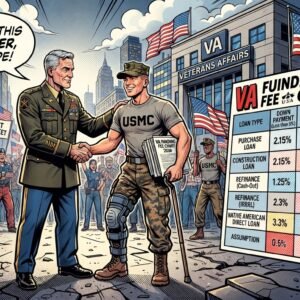
Additionally, funding fees play a role in determining VA mortgage rates. These fees are typically charged to borrowers who use VA loans and can vary based on previous service, whether the borrower is making a down payment, and the loan type. Higher funding fees can potentially increase the overall cost of the mortgage, thereby indirectly influencing the interest rates as well.
Lastly, prevailing economic conditions, including inflation rates and the Federal Reserve’s monetary policy, can impact VA mortgage rates. When the economy is booming, rates may rise due to increased demand for lending. Conversely, during economic downturns, rates may drop as lenders strive to stimulate borrowing. Keeping an eye on economic indicators can aid borrowers in timing their mortgage applications effectively.
How to Lock in Your VA Mortgage Rate
Securing a favorable VA mortgage rate is a pivotal aspect of the home buying process for veterans and active service members. The initial step in this process involves understanding when to lock in a rate. Generally, the right time to lock your VA mortgage rate depends on the market conditions and your personal timeline. It is essential to remain informed about market fluctuations, as mortgage rates can change daily based on economic indicators.
Borrowers should begin discussing lock-in periods with their lenders as soon as they feel ready to proceed. Most lenders will lock in a rate for a period ranging from 30 to 60 days, with the possibility of extending the lock for an additional fee. During this period, prospective homeowners can strengthen their position by being pre-approved for a loan, which demonstrates seriousness to sellers and may provide leverage in negotiations.
Another strategy to consider is a “float down” option, which allows borrowers to secure a specific rate but have the option to lower it if rates decrease before the loan closes. This flexibility can be advantageous, particularly in a volatile market where rates may shift rapidly. To maximize the effectiveness of a rate lock, borrowers should communicate openly with their lender about their expectations and any concerns regarding rate changes.
Additionally, it is wise to monitor the market closely during the lock-in period, as changes in economic data or announcements from the Federal Reserve can impact mortgage rates significantly. By staying informed and working closely with a knowledgeable lender, borrowers can better navigate the complexities of locking in their VA mortgage rate, ensuring they secure a rate that aligns with their financial goals.
Comparing VA Loans to Other Mortgage Types
When considering financing options for purchasing a home, potential buyers often evaluate various types of loans, including VA loans, FHA loans, USDA loans, and conventional loans. Each mortgage type comes with its unique set of advantages and disadvantages that can significantly impact a buyer’s decision.
VA loans, which are available to eligible veterans, active-duty service members, and certain members of the National Guard and Reserves, offer several benefits such as no down payment requirement, no private mortgage insurance (PMI) premiums, and competitive interest rates. These features make VA loans particularly attractive for borrowers looking to minimize upfront costs and ongoing insurance expenses.
FHA loans, insured by the Federal Housing Administration, are known for their flexible credit score requirements and lower down payment options, making them an appealing choice for first-time homebuyers or those with less-than-perfect credit. However, FHA loans typically require mortgage insurance premiums, which can add to the overall cost of borrowing.
USDA loans are designed for rural homebuyers and come with no down payment requirement, low-interest rates, and reduced mortgage insurance rates. While they offer beneficial terms, eligibility is limited to specific geographical areas and income levels, restricting their use for some potential borrowers.
Conventional loans, which are not backed by a government agency, offer greater flexibility and higher loan limits but often require stronger credit profiles and larger down payments. Borrowers opting for conventional financing may benefit from avoiding PMI with a substantial down payment; however, they may face higher monthly payments compared to VA loans.
In conclusion, while VA loans provide advantageous terms for eligible veterans, borrowers should carefully compare these loans with FHA, USDA, and conventional loans to determine the best fit for their financial situations and homeownership goals.
Tips for First-Time VA Loan Buyers
Buying a home can be a daunting process, especially for first-time buyers. For those utilizing a VA loan, there are specific strategies that can streamline the experience and enhance the likelihood of a successful purchase. One of the first steps is to educate yourself about the VA loan benefits. These loans typically offer advantageous terms, such as no down payment and competitive interest rates, which can be significantly beneficial for first-time home buyers.
A crucial tip for first-time buyers is to ensure that you understand your eligibility and entitlements. VA loans are exclusively for veterans, active service members, and certain members of the National Guard and Reserves. Confirming eligibility and gathering necessary documents such as your Certificate of Eligibility will help avoid delays later in the process.
Additionally, it’s wise to set a realistic budget that includes not only the purchase price but also additional costs such as closing costs, property taxes, and insurance. Many first-time buyers underestimate these expenses, which can lead to financial strain. Utilizing a trusted lender who is well-versed in VA loans can also provide invaluable guidance throughout the process.
Common mistakes to avoid include neglecting to shop around for the best mortgage rates or failing to check your credit report before applying. It’s essential to identify and address any discrepancies in your credit history to secure favorable loan terms. Moreover, seeking pre-approval not only strengthens your negotiating position but also allows you to understand how much you can afford, thus streamlining your home search.
Finally, don’t hesitate to consult with a real estate professional experienced in VA loans. They can provide insights into the local housing market and help navigate potential obstacles. Overall, with the right preparation and resources, first-time VA loan buyers can confidently embark on the path to homeownership.
The Application Process for VA Loans
Applying for a VA loan can be a streamlined process when borrowers are prepared with the necessary documentation and information. The first step involves determining eligibility. To qualify for a VA loan, applicants typically need to meet service requirements, which can include active duty, veteran status, or eligibility through a spouse. Potential borrowers should gather their Certificate of Eligibility (COE), which verifies their service and entitlement.
Next, the prospective borrower must complete a VA loan application, known as the Uniform Residential Loan Application (URLA). This application provides crucial information about the borrower’s financial situation, including income, assets, and debts. It is advisable for applicants to maintain a detailed record of their financial documents, as lenders will require thorough verification. Common documentation includes recent pay stubs, W-2 forms, tax returns, and bank statements.
Once the application is submitted, lenders will begin the underwriting process. This step typically takes a few weeks and involves a detailed review of the applicant’s financial history and creditworthiness. During this time, the lender will also order an appraisal of the property to ensure its value meets or exceeds the loan amount. It is important for borrowers to remain responsive to any additional requests from the lender to avoid delays.
The entire process, from application to closing, can take anywhere from 30 to 60 days, depending on several factors, including the lender’s workload and the complexity of the borrower’s financial situation. For those new to VA loans, understanding this process can alleviate some of the uncertainties involved. Clear communication with the lender is essential, allowing for a smoother experience from application to closing.
Conclusion and Next Steps
As we navigate the landscape of VA mortgage rates in 2026, it is essential to reflect on the critical aspects discussed in this guide. The advantages of VA loans are numerous, including no down payment requirement and competitive interest rates, which are specifically designed to support veterans and active duty service members in achieving homeownership. However, understanding the current mortgage rates, eligibility criteria, and market conditions is vital for making informed decisions.
Individuals interested in pursuing a VA mortgage should approach the process with thorough research and preparation. Start by evaluating your eligibility based on service requirements and ensure that your credit profile aligns with lender expectations. It may benefit prospective borrowers to remain updated on fluctuating mortgage rates, as these can significantly impact overall borrowing costs.
Furthermore, seeking professional advice from mortgage lenders experienced in VA loans can provide personalized guidance tailored to your financial situation. They can assist you in understanding all aspects of the application process, from obtaining a Certificate of Eligibility to addressing specific concerns related to credit history or debt-to-income ratios. Engaging with a knowledgeable lender will also help you navigate different loan options available under the VA program.
In conclusion, the pursuit of a VA mortgage in 2026 requires careful consideration of various factors, including current rates and eligibility criteria. By conducting comprehensive research and seeking expert advice throughout the process, you can enhance your prospects of securing favorable lending terms and successfully realizing your dream of homeownership.


🇺🇸 IMPORTANT DISCLAIMER – Veterans Benefits Information
This site provides general information about U.S. Department of Veterans Affairs (VA) benefits for educational and informational purposes only.
- Not Official: We are NOT affiliated with, endorsed by, or connected to the U.S. Department of Veterans Affairs (VA), the Veterans Benefits Administration (VBA), the Veterans Health Administration (VHA), or any other government agency.
- No Legal/Financial Advice: The content on this website is for informational purposes only and does not constitute legal, financial, or medical advice. VA benefits rules change frequently – always consult with an accredited Veterans Service Officer (VSO) or a qualified professional for your specific situation.
- Official Sources: For official, binding information and to apply for benefits, always visit official .gov websites: VA.gov, Benefits.VA.gov, or SSA.gov.
- No Data Collection: This site does not collect, store, or process any personal information. It does not have login forms, contact forms, or any system to capture user data. We never ask for your Social Security Number, bank details, or any personal information.
- 🚨 Scam Alert: The VA and other government agencies never charge fees for benefit applications. If anyone asks for money to "process" your VA claim, it is a scam. Report it to the VA Office of Inspector General at VA.gov/OIG.
- Advertising: This site uses third-party advertising (Adsterra) to cover operational costs. We do not endorse or guarantee any products or services advertised.
📌 Information provided as of June 2026. Always verify current eligibility and rules with official .gov sources.
This site is not affiliated with the U.S. Department of Veterans Affairs or any government agency. All information is for educational purposes only. Please visit VA.gov for official information.
