

Overview of VA Loans
VA loans, backed by the U.S. Department of Veterans Affairs, are a unique financing option designed specifically for military personnel and veterans. These loans offer numerous advantages that cater to the distinct needs of those who have served in the Armed Forces. Understanding the eligibility requirements and benefits of VA loans is essential for potential homebuyers within the service community.
To qualify for a VA loan, applicants typically need to meet certain criteria, including having served a minimum length of time in active duty or in a selected reserve. Additionally, veterans must be honorably discharged to become eligible for these loans. The VA loan program extends eligibility not only to veterans but also to active-duty service members and certain surviving spouses, highlighting its inclusive nature.

One of the most appealing aspects of VA loans is the absence of a down payment requirement. This feature significantly reduces the upfront costs associated with purchasing a home, making homeownership more accessible for veterans. Furthermore, VA loans do not require private mortgage insurance (PMI), which can lead to substantial savings on monthly payments. The interest rates on VA loans are also competitive, often lower than conventional loan rates, allowing borrowers to benefit from reduced overall borrowing costs.

In addition to their financial advantages, VA loans often streamline the application process. Lenders familiar with VA loans understand the specific documentation required, which can expedite the approval process efficiently. This ease of access, combined with favorable loan terms, makes VA loans a popular choice among service members and veterans looking to invest in real estate.
Overall, the unique features of VA loans, along with their focus on serving those who have served the nation, establish them as an invaluable resource for veterans and active-duty military personnel. Understanding these loans can empower service members to make informed decisions in their pursuit of homeownership.
Current VA Loan Rates in Nashville
The landscape of VA loan rates in Nashville, TN, is an essential consideration for veterans and service members looking to finance their homes. Currently, the rates for a 30-year fixed mortgage range between 5.98% and 6.04%. These rates can fluctuate based on various factors, including market conditions and the borrower’s financial profile.
Several elements influence the VA loan rates in Nashville. Firstly, the overall economy and the financial markets play a significant role. When the Federal Reserve changes interest rates, it can lead to upward or downward adjustments in mortgage rates, including VA loans. Additionally, the demand for mortgages in the local area can affect rates; higher demand may lead to increases in the interest rates lenders are willing to offer.
Veterans May Qualify for Extra Benefits
Check available financial assistance, healthcare programs and other opportunities that may apply to you.
Check EligibilityAnother crucial factor is the credit profile of the borrower. Lenders often assess credit scores alongside debt-to-income ratios when determining an appropriate interest rate for a VA loan. A higher credit score typically results in more favorable rates, whereas lower scores may lead to higher rates or even affect eligibility. Furthermore, the specific loan amount and down payment can also factor into the final interest rate offered to the borrower.
It’s worth noting that VA loans come with specific benefits, such as no down payment and no private mortgage insurance (PMI), which can make them more accessible and attractive to veterans. These features often help mitigate some of the rate fluctuations that traditional home loans might experience. Therefore, understanding how these various factors interplay is essential for those seeking to navigate the current VA loan environment in Nashville effectively.
As potential borrowers analyze their options, being informed about these rates and their determining factors will be invaluable in making sound financial decisions regarding their home financing goals.
Comparative Analysis: VA Loans vs. Conventional Loans
When considering home financing options, veterans and active duty military personnel often weigh the benefits of VA loans against conventional loan alternatives. One of the most crucial factors in this comparison is the interest rates associated with each type of loan. Generally, VA loans tend to offer lower interest rates than conventional loans, providing substantial savings over the life of the loan. This rate advantage can be particularly beneficial for first-time home buyers or those with limited financial leverage.
Another significant difference lies in the down payment requirements. Conventional loans typically require a down payment ranging from 3% to 20% of the home’s purchase price, depending on the lender and the borrower’s financial profile. In contrast, VA loans do not necessitate a down payment, allowing qualified borrowers to finance 100% of the home’s value. This feature not only makes homeownership more accessible for veterans but also aids in preserving their savings for other expenses related to moving and settling into a new home.
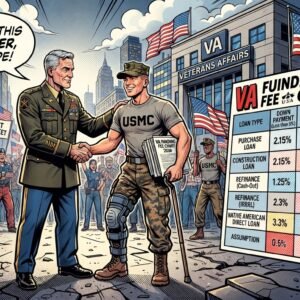
Additionally, private mortgage insurance (PMI) is a common requirement for conventional loans, especially when the down payment is less than 20%. PMI can significantly increase the overall cost of a conventional mortgage. In contrast, VA loans do not require PMI, eliminating this additional financial burden. Instead, VA loans may involve a one-time funding fee, which can be financed as part of the loan amount, making the overall cost of borrowing more favorable for veterans.
In summary, the comparative analysis of VA loans versus conventional loans reveals several financial advantages for veterans. The combination of lower interest rates, the absence of a down payment, and the lack of PMI contributes to a more cost-effective mortgage solution, highlighting why many in the military community opt for VA loans when purchasing a home.
Impact of Credit Score on VA Loan Rates
The credit score plays a crucial role in determining VA loan rates for borrowers in Nashville and beyond. Lenders typically assess a borrower’s creditworthiness before approving a loan, and this assessment significantly influences the interest rates offered. A higher credit score generally indicates that a borrower is less risky, which can lead to lower VA loan rates. Conversely, a lower credit score may result in higher interest rates or additional fees, reflecting the lender’s increased risk.
In the context of VA loans, which are designed to assist veterans and active-duty service members in securing affordable housing, competitive rates are a key benefit. However, the efficiency of these benefits can depend heavily on the borrower’s credit profile. For instance, borrowers with credit scores above 740 often qualify for the most favorable loan terms, including lower rates. Meanwhile, those with scores below 620 may face challenges in securing a VA loan at a reasonable rate.
Improving one’s credit score can be a strategic move for potential VA loan applicants. Simple steps such as paying bills on time, reducing debt-to-income ratios, and avoiding new credit inquiries can enhance credit scores significantly. Accessing free credit reports allows individuals to identify any errors or inaccuracies that could adversely affect their scores. Additionally, utilizing credit monitoring services can aid borrowers in tracking improvements and maintaining high scores over time.
Overall, understanding the impact of credit scores on VA loan rates is essential for borrowers aiming to maximize their benefits. By taking proactive steps to enhance their credit profiles, veterans can position themselves for more favorable borrowing conditions, ultimately leading to greater financial savings over the life of the loan.
Calculating Monthly Payments for VA Loans
Understanding the calculation of monthly payments for a VA loan is paramount for potential homebuyers, especially in competitive markets like Nashville. The process typically starts with determining the loan amount, interest rate, and loan term. For instance, let’s consider a scenario where an individual is looking to purchase a home valued at $556,000.
The first step in calculating the monthly payment involves identifying the interest rate associated with the loan. VA loans can offer lower interest rates compared to conventional loans, which is a significant benefit. For the sake of this example, let’s assume an interest rate of 3.25%. Next, the borrower must decide on the loan term; common choices include 15 or 30 years. For this scenario, we will use a 30-year term.
Once these factors are established, you can apply the formula for calculating a fixed-rate mortgage payment. The formula is:
P = [r*PV] / [1 – (1 + r)^(-n)]
Where:
P = monthly payment
r = monthly interest rate (annual rate / 12)
PV = present value of the loan (loan amount)
n = number of months (loan term in years * 12)
In our case, the monthly interest rate would be 0.0325 / 12 = 0.002708. The present value is $556,000, and for a 30-year term, n equals 360 months. Plugging in these values, the calculation yields a monthly payment.
Ultimately, an essential aspect of the VA loan calculation is ensuring that you factor in additional costs, like property taxes, homeowner’s insurance, and mortgage insurance (if applicable). These elements can significantly affect the total monthly payment, making it crucial for borrowers to consider them in their budgeting process.
As a result, while the basic calculation of the monthly payments for VA loans can seem straightforward, it involves various considerations to effectively determine the total cost of home ownership, particularly in Nashville’s real estate market.
Factors that Affect VA Loan Rates
Understanding the factors that influence VA loan rates is critical for veterans seeking to finance their homes. VA loan rates are determined by a combination of lender policies, current market conditions, and the qualifications of the borrower. Each of these elements can significantly impact the final interest rate offered on a loan.
One primary factor influencing VA loan rates is the lender’s policies. Different lenders have varied criteria and risk assessments, which can lead to disparities in rates even for similar loans. Some lenders may offer lower rates as part of a competitive strategy to attract veterans, while others might implement stricter requirements, impacting the interest rates they are willing to offer. It is advisable for borrowers to shop around and compare offers from multiple lenders to identify the best available rate.
Market conditions also play a pivotal role in determining VA loan rates. Economic indicators such as inflation, employment rates, and the Federal Reserve’s monetary policy are just a few aspects that influence broader interest rate trends. When the economy is thriving, interest rates tend to rise, whereas rates may decrease during an economic downturn to stimulate borrowing. This means that timing can be crucial for veterans looking to secure the most favorable rates for their VA loans.
Moreover, the individual qualifications of the borrower can have a substantial impact on the interest rate. Factors such as credit score, income stability, and debt-to-income ratio are critical aspects that lenders evaluate. Borrowers with higher credit scores and lower debt levels typically qualify for lower rates, as they present a lower risk to lenders. Conversely, those with less-than-ideal credit may face higher rates or require additional documentation to qualify for a loan.
In summary, multiple factors influence VA loan rates, including lender policies, market conditions, and borrower qualifications. Awareness of these elements can empower veterans to make informed decisions regarding their financing options.
The Application Process for VA Loans in Nashville
Applying for a VA loan in Nashville involves several well-defined steps that potential borrowers must follow to successfully obtain financing. The first step in the process is determining eligibility. Veterans, active-duty service members, and certain members of the National Guard and Reserves may qualify for VA loans. The most common way to establish eligibility is through a Certificate of Eligibility (COE), which can be obtained through the VA’s website or by contacting a VA-approved lender.
Once eligibility is confirmed, the next step is to gather the necessary documentation. Essential paperwork typically includes proof of military service, such as discharge papers or a DD Form 214, financial documentation like income statements, tax returns, and bank statements, as well as any other materials that the lender may require to assess financial stability. Thorough preparation of this documentation can streamline the process and mitigate delays during the approval phase.
Following the submission of these documents, the borrower must complete a loan application with the selected lender. This application will require personal and financial details, including employment history and debts. After the application is submitted, the VA lender will begin a thorough process of underwriting, which includes examining credit scores, assessing income, and evaluating the debt-to-income ratio. It is during this phase that the lender evaluates if the borrower meets the required financial criteria for a VA loan.
Once underwriting is complete, the borrower will receive a loan estimate detailing the loan terms, interest rate, and closing costs. If everything is in order and the application is approved, the borrower will then receive a closing disclosure. This document provides a final breakdown of the loan and expected payments. A successful closing is the final stage of the VA loan process, and it involves signing the final paperwork, paying any closing costs, and ultimately receiving the funds to proceed with the home purchase.
Common Misconceptions about VA Loans
VA loans have become an increasingly popular financing option for veterans and active-duty military personnel. However, several misconceptions surround these loans, which can deter eligible individuals from taking advantage of such a beneficial opportunity. Addressing these myths is crucial in clarifying the advantages of VA loans.
One common myth is that VA loans require a high down payment. In reality, VA loans are renowned for their zero down payment requirement, making them an appealing option for many borrowers. This feature significantly lowers the barriers to homeownership, allowing veterans and military service members to purchase homes with minimal upfront costs.
Another misconception is that VA loan approval is excessively complicated. While the application process can seem daunting to some, the reality is that VA loans are designed to be accessible. Borrowers can work with lenders experienced in VA loans who can provide guidance and assistance throughout the process. The documentation needed is not overly burdensome compared to conventional loans, often focusing primarily on the borrower’s military service and creditworthiness.
Some potential borrowers also believe that VA loans are available only for first-time homebuyers. This is incorrect; veterans can use their entitlement multiple times, as long as they have sufficient remaining entitlement available. This flexibility enables them to purchase a home even if they have previously utilized their VA benefits for another property.
Lastly, there is a pervasive myth that VA loans are only beneficial for buying single-family homes. However, those using VA financing can acquire not only single-family homes but also condos, townhomes, and even multi-family units, provided the borrower intends to occupy one of the units. By debunking these misconceptions, veterans can make informed decisions and take full advantage of the unique benefits that VA loans offer.
Conclusion and Future Projections for VA Loan Rates
As we conclude this comprehensive guide on VA loan rates in Nashville, it is essential to summarize the key points discussed throughout the post. VA loans offer veterans and active service members a unique opportunity to access favorable mortgage terms, including no down payment requirements and competitive interest rates. Understanding the specifics of how these rates are determined—influenced by factors such as market conditions, lender policies, and the overall economic climate—is crucial for potential borrowers.
In terms of future projections, VA loan rates are expected to fluctuate in response to various economic indicators. With the ongoing changes in monetary policy by the Federal Reserve, along with the fluctuating demands in the housing market, borrowers should stay updated on rate trends. Professionals in the field suggest that as inflationary pressures continue to influence the economy, we may see adjustments in VA loan interest rates aiming to respond to these challenges.
To stay informed about potential changes in VA loan rates, prospective borrowers should consider subscribing to financial news outlets or utilizing real estate market analysis platforms. Engaging with local mortgage brokers or financial advisors can also provide personalized insights into how these rates may affect individual circumstances. Moreover, attending informational workshops or seminars on VA loan financing can offer additional perspectives directly from industry experts. These resources can equip borrowers with the necessary information to make timely decisions regarding their mortgage applications, ultimately allowing them to take advantage of favorable loan terms. Staying proactive and informed in this dynamic environment will empower veterans and active service members to maximize the benefits offered by VA loans.


🇺🇸 IMPORTANT DISCLAIMER – Veterans Benefits Information
This site provides general information about U.S. Department of Veterans Affairs (VA) benefits for educational and informational purposes only.
- Not Official: We are NOT affiliated with, endorsed by, or connected to the U.S. Department of Veterans Affairs (VA), the Veterans Benefits Administration (VBA), the Veterans Health Administration (VHA), or any other government agency.
- No Legal/Financial Advice: The content on this website is for informational purposes only and does not constitute legal, financial, or medical advice. VA benefits rules change frequently – always consult with an accredited Veterans Service Officer (VSO) or a qualified professional for your specific situation.
- Official Sources: For official, binding information and to apply for benefits, always visit official .gov websites: VA.gov, Benefits.VA.gov, or SSA.gov.
- No Data Collection: This site does not collect, store, or process any personal information. It does not have login forms, contact forms, or any system to capture user data. We never ask for your Social Security Number, bank details, or any personal information.
- 🚨 Scam Alert: The VA and other government agencies never charge fees for benefit applications. If anyone asks for money to "process" your VA claim, it is a scam. Report it to the VA Office of Inspector General at VA.gov/OIG.
- Advertising: This site uses third-party advertising (Adsterra) to cover operational costs. We do not endorse or guarantee any products or services advertised.
📌 Information provided as of June 2026. Always verify current eligibility and rules with official .gov sources.
This site is not affiliated with the U.S. Department of Veterans Affairs or any government agency. All information is for educational purposes only. Please visit VA.gov for official information.
