

Introduction to VA Loans
VA loans, or Veterans Affairs loans, are designed specifically for veterans, active-duty military members, and certain members of the National Guard and Reserves to assist them in purchasing homes. These loans are guaranteed by the Department of Veterans Affairs (VA), which eliminates the need for private mortgage insurance (PMI) and allows for lower interest rates, making homeownership more accessible for those who have served in the armed forces.
Eligibility for VA loans encompasses a variety of criteria, primarily focusing on the length and type of service, along with the discharge status of the applicant. Generally, veterans who have served at least 90 days of active service during wartime, 181 days during peacetime, or have completed a minimum of six years in the National Guard are eligible to apply for these loans. Additionally, surviving spouses of veterans may also qualify under specific conditions.

One of the most significant advantages of VA loans is the comprehensive benefits they provide, including no down payment requirements in many cases, competitive interest rates, and limited closing costs. The VA also mandates that lenders follow specific guidelines to protect borrowers from predatory lending practices. Unlike conventional loans, which often require a down payment ranging from 3% to 20%, VA loans allow eligible individuals to finance 100% of the home’s purchase price without the burden of hefty upfront costs. This makes VA loans an invaluable resource for veterans who might struggle to save for a traditional down payment.

In summary, VA loans represent a powerful financial tool for veterans looking to secure home financing. By understanding the fundamental aspects of VA loans, including eligibility and benefits, borrowers can make informed decisions that align with their long-term financial goals.
Current VA Mortgage Rate Trends (June 2026)
As of June 2026, the landscape for VA mortgage rates reflects a substantial shift, highlighting the current national average APR for a 30-year VA loan at 6.52%. This represents a noteworthy increase from previous months, indicating evolving economic conditions and market dynamics. While the average rate remains elevated, certain offerings from lenders have emerged, starting at rates as low as 5.00%. This divergence in rates suggests a competitive environment for borrowers seeking VA loans, particularly for veterans and servicemembers looking to finance their homes.
The current trends reveal that VA mortgage rates have been influenced by a myriad of factors, including inflation, economic growth forecasts, and changes in Federal Reserve policies. As lenders adapt to these macroeconomic changes, the development of VA loan products with attractive rates continues to evolve. Notably, the 5.00% initial rate being offered by select lenders is particularly appealing, creating opportunities for eligible borrowers to secure affordable financing. Factors such as credit score, loan amount, and down payment can further impact the final rate assigned to each borrower.
Visual representations, such as charts tracking the fluctuations of VA loan rates over the preceding months, illustrate the degree of variance in the market. Potential borrowers are encouraged to consider these trends carefully, as they can leverage this information while evaluating their financing options. The current landscape presents a timely opportunity for veterans to reassess their mortgage possibilities, especially with rates that might suit their financial planning and long-term home ownership goals. Engaging with knowledgeable lenders is crucial to navigating the complexities of VA loan options effectively, ensuring borrowers can make informed decisions.
How to Find the Best VA Lenders
Veterans May Qualify for Extra Benefits
Check available financial assistance, healthcare programs and other opportunities that may apply to you.
Check EligibilityIn June 2026, the landscape of VA lenders continues to evolve, with various institutions offering unique products tailored specifically for veterans. Among these, Veterans United has established itself as a leader in the VA lending market. Known for its remarkable expertise, Veterans United provides comprehensive support throughout the mortgage process, ensuring that veterans and active-duty service members have access to the resources they need. Their commitment to customer service, combined with in-depth knowledge of VA loan programs, makes them a strong option for those looking to secure a mortgage.
Another noteworthy player in the VA lending space is Rocket Mortgage, which has gained a reputation for its efficient refinancing options. This lender employs advanced technology to streamline the application process, making it convenient for veterans seeking to refinance their existing VA loans or transition to lower-rate mortgages. By using their innovative online platforms, borrowers can easily navigate the refinancing journey and potentially reduce monthly payments, saving them significant amounts over the life of the loan.
Navy Federal Credit Union is yet another prominent name among VA lenders, particularly recognized for its competitive interest rates offered to members. Their focus on serving military personnel allows them to provide tailored products that meet the financial needs of veterans. Those who are eligible for membership can benefit from lower rates and fees, enabling them to make the most of their VA home loan benefits.
When choosing a lender, it is crucial to evaluate individual needs closely. Consider factors such as loan terms, interest rates, customer service reputation, and any potential fees involved. Gathering quotes from multiple lenders can provide insight into the best prices available. Additionally, reading reviews and testimonials can help gauge the experiences of other veterans and service members, ultimately leading to a more informed decision.
Credit Score Requirements for VA Loans
When considering a VA loan, one of the critical factors influencing loan approval and terms is the borrower’s credit score. Although the Department of Veterans Affairs (VA) itself does not set a minimum credit score, most lenders have established their own benchmarks. Traditionally, a credit score of around 620 is favored by many lending institutions, as this threshold typically reflects a less risky borrower.
That said, there are lenders who might accommodate applicants with scores as low as 580. This flexibility is particularly important for veterans and active-duty service members, as it enables broader access to financing options. Borrowers should remain aware, however, that lower credit scores may affect the terms and conditions of the loan. In most cases, a lower credit score can lead to higher interest rates and less favorable repayment terms.
Credit scores are calculated based on several key factors comprising payment history, amounts owed, length of credit history, new credit, and types of credit in use. Individuals seeking a VA loan are encouraged to review their credit reports and scores prior to applying. This proactive approach not only helps in identifying any discrepancies that may negatively impact the score but also allows for time to improve the score by addressing outstanding debts or optimizing credit utilization.
It is crucial to keep in mind that while meeting a minimum credit score requirement is important, lenders will also look at other financial indicators, such as income and debt-to-income ratios, to gauge overall creditworthiness. Consequently, borrowers should strive to present a well-rounded financial profile when pursuing VA loans. Being informed of the credit score requirements can aid applicants in navigating the loan process more effectively.
Steps to Secure a 5.00% VA Mortgage Rate
Securing a 5.00% mortgage rate for a VA loan requires careful preparation and understanding of the mortgage process. The first step is to assess your financial situation. This includes checking your credit score, evaluating your debt-to-income ratio, and determining your budget for monthly payments. Aim for a credit score above 620 to increase your chances of obtaining a competitive rate. Additionally, keep your overall debts manageable to appeal to lenders.
Once you have a clear picture of your finances, the next step is to gather the necessary documentation. Commonly required documents for VA loans include your Certificate of Eligibility (COE), proof of income (pay stubs, W-2s), and bank statements. It is vital to have these documents organized, as lenders will need them to verify your financial stability and eligibility for the loan. Ensure that all information is current and accurate to avoid delays in the approval process.
After preparing your finances and documentation, it’s advisable to shop around for lenders offering VA loans. Not all lenders provide the same rates or terms, so obtaining quotes from multiple sources can help you identify the best possible options. Compare not only the interest rates but also the closing costs and any additional fees associated with the loan.
When you receive loan offers, don’t hesitate to negotiate with lenders to secure a better rate. Inquire about discounts or other options that may reduce the interest rate, such as points or lender credits. It’s also beneficial to leverage any competing offers you might have obtained during your research as a negotiation tool. Following these steps will position you to secure favorable terms and potentially achieve a 5.00% VA mortgage rate.
Understanding VA Loan Benefits
VA loans, a benefit provided to eligible veterans, active duty service members, and certain members of the National Guard and Reserves, come with a myriad of advantages that make them an attractive financing option. One of the most significant benefits is the requirement of no down payment. This feature enables veterans to purchase homes without the substantial upfront costs typically associated with traditional mortgage options.
Another key benefit of VA loans is their competitive interest rates. Lenders generally offer lower interest rates on VA loans compared to conventional loans, which can result in substantial savings over the life of the loan. This financial advantage is particularly appealing, as it can make homeownership more affordable for veterans and their families, encouraging them to invest in their future.
Additionally, VA loans do not require private mortgage insurance (PMI), which is often a requirement for borrowers who make a down payment of less than 20%. The absence of PMI further reduces the monthly payment, allowing veterans to allocate their financial resources more effectively. This can be particularly beneficial for households with tighter budgets, enabling them to maintain a higher standard of living or save for future expenses.
Furthermore, VA loans offer flexible credit guidelines, which makes them accessible to a wider range of applicants with varying credit histories. This inclusivity is crucial for veterans who may have faced financial challenges during or after their service.
In essence, these unique features—no down payment, competitive interest rates, and the elimination of PMI—make VA loans a preferred choice for many veterans looking to transition to homeownership. The financial advantages associated with VA loans not only ease the home-buying process but also support veterans in achieving their goal of owning homes and establishing stability for their families.
Improving Your Chances of Approval
Securing a VA mortgage requires thorough preparation and a strategic approach. As such, potential borrowers should take definitive steps to enhance their chances of approval. One of the first areas to examine is the credit score. Lenders typically favor applicants with a higher credit score, as it reflects financial responsibility. Borrowers should focus on improving their credit standing by paying down existing debts and ensuring all bills are paid on time. Regularly checking credit reports can also help identify any inaccuracies that can be disputed, ultimately leading to an improved credit score.
Another critical factor in the approval process is the debt-to-income (DTI) ratio. This ratio compares an individual’s total monthly debt payments to their gross monthly income. A lower DTI ratio signals to lenders that a borrower is more likely to be able to manage monthly payments effectively. To improve this ratio, borrowers can consider paying off smaller debts, increasing their income through additional work or side jobs, or refinancing existing loans to obtain better rates.
Moreover, proper documentation of income and employment history plays a crucial role in the approval process. Borrowers should maintain organized records that detail their employment history, including pay stubs, tax returns, and W-2 forms. Ensuring thorough documentation can alleviate lender concerns and clarify any inconsistencies that may arise during the underwriting process.
In addition to these steps, it is advisable for potential borrowers to seek pre-approval from lenders before formally applying for a VA loan. Pre-approval can help individuals understand how much they can afford and provide insights into the lender’s specific criteria, enabling borrowers to tailor their applications accordingly. Overall, diligence in improving credit scores, managing debt, and documenting finances will significantly enhance the opportunity for a successful VA loan approval.
Common Misconceptions About VA Loans
VA loans are a popular financing option for veterans and active duty service members, yet they continue to be surrounded by misconceptions. One common myth is that VA loans require a down payment. In fact, one of the primary advantages of VA loans is that eligible borrowers can secure financing without the need for a down payment. This makes it easier for veterans to buy homes without the high initial costs often associated with conventional loans.
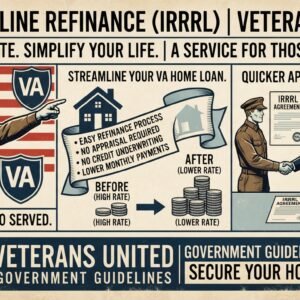
Another misconception is the belief that VA loans can only be used for purchasing a primary residence. While VA loans are primarily designed for this purpose, they can also be utilized for refinancing existing mortgages and potentially purchasing second homes in certain circumstances. For instance, a veteran may use a VA loan for a streamlined refinance, which offers simplified documentation and faster processing times.
There is also a prevalent assumption that VA loans come with high fees. While VA loans do include a funding fee, this cost can be financed into the loan amount. Additionally, certain veterans may be exempt from the funding fee altogether, further reducing the overall costs associated with the loan. Therefore, it is important to assess individual eligibility to fully understand any costs that may apply.
Lastly, some individuals believe that VA loans are cumbersome and complex. In reality, the application process is relatively straightforward compared to traditional lending options. Lenders familiar with VA loan programs can guide borrowers through the requirements, ensuring a smoother experience. Misunderstandings about VA loans can perpetuate myths and deter eligible borrowers from taking advantage of this beneficial financing option. It is crucial for veterans to seek accurate information regarding VA loans to make informed decisions about their home financing options.
Conclusion and Final Thoughts
In reviewing the current landscape of 5.00% VA mortgage rates as of June 2026, we have explored what these rates signify for veterans and eligible service members seeking to capitalize on their home financing options. Understanding VA loans is of paramount importance, not just because of their favorable interest rates but also due to the additional benefits they confer, such as the absence of a down payment and no private mortgage insurance.
Throughout this guide, we highlighted the significance of leveraging VA mortgage loans in the current market conditions, where a 5.00% rate can provide a critical advantage. Additionally, we delved into the qualification factors, application process, and various considerations that veterans must weigh when navigating their loan options. This information is essential for making informed decisions in the pursuit of home ownership.
Veterans and eligible service members are encouraged to closely examine their VA loan benefits, particularly when contemplating the purchase of a home. The long-term savings associated with VA loans, in addition to the affordability brought about by competitive rates, underscore the value of utilizing this unique financial resource. By opting for a VA loan, service members can take significant steps towards achieving their goal of owning a home, thereby enhancing their stability and quality of life.
As you consider your options, remember that a 5.00% VA mortgage rate can open doors to new opportunities. Take the time to assess your financial standing, consult with lenders, and make the most of your eligibility. The path to home ownership may begin with understanding your rights and options as a veteran, making it a worthwhile endeavor for your future.


🇺🇸 IMPORTANT DISCLAIMER – Veterans Benefits Information
This site provides general information about U.S. Department of Veterans Affairs (VA) benefits for educational and informational purposes only.
- Not Official: We are NOT affiliated with, endorsed by, or connected to the U.S. Department of Veterans Affairs (VA), the Veterans Benefits Administration (VBA), the Veterans Health Administration (VHA), or any other government agency.
- No Legal/Financial Advice: The content on this website is for informational purposes only and does not constitute legal, financial, or medical advice. VA benefits rules change frequently – always consult with an accredited Veterans Service Officer (VSO) or a qualified professional for your specific situation.
- Official Sources: For official, binding information and to apply for benefits, always visit official .gov websites: VA.gov, Benefits.VA.gov, or SSA.gov.
- No Data Collection: This site does not collect, store, or process any personal information. It does not have login forms, contact forms, or any system to capture user data. We never ask for your Social Security Number, bank details, or any personal information.
- 🚨 Scam Alert: The VA and other government agencies never charge fees for benefit applications. If anyone asks for money to "process" your VA claim, it is a scam. Report it to the VA Office of Inspector General at VA.gov/OIG.
- Advertising: This site uses third-party advertising (Adsterra) to cover operational costs. We do not endorse or guarantee any products or services advertised.
📌 Information provided as of June 2026. Always verify current eligibility and rules with official .gov sources.
This site is not affiliated with the U.S. Department of Veterans Affairs or any government agency. All information is for educational purposes only. Please visit VA.gov for official information.
