

History and Formation of the VFW
The Veterans of Foreign Wars (VFW) has its roots tracing back to 1899 when it was established by veterans of the Spanish-American War. Recognizing the need for advocacy and support among service members who had faced combat, these veterans sought to create an organization dedicated to providing services and a community for those who served. This foundational step laid the groundwork for what would become a key institution in the landscape of American veteran support.
Initially focused on improving the lives of veterans and their families, the VFW quickly expanded its goals to address various issues impacting combat veterans. Membership grew, integrating veterans from subsequent conflicts such as World War I and World War II, enhancing the organization’s scope and influence. By the 1930s, the VFW had established a presence in nearly every state, growing into a national powerhouse advocate for veterans’ rights.

Key milestones in the development of the VFW include the establishment of the VFW National Home for Children in 1925, which provided support for the children of veterans, and the passage of the World War Adjusted Compensation Act of 1924, influenced significantly by the VFW’s efforts. As the organization progressed, it began to play a crucial role in lobbying for veteran benefits at both state and national levels, seeking to ensure that those who served received the help they so rightly deserved.

The historical significance of the VFW extends beyond its advocacy work; it serves as a crucial link among veterans across various conflicts and eras, fostering camaraderie and shared experiences. As the VFW continues to adapt to the evolving needs of veterans, its foundational mission remains unchanged—supporting those who have faced the challenges of combat and ensuring that their sacrifices are recognized and honored in society.
Advocacy and Legislative Efforts
The Veterans of Foreign Wars (VFW) plays a crucial role in advocating for the rights and benefits of combat veterans. This organization has long been dedicated to ensuring that veterans receive the support and services they deserve after their service to the nation. In this capacity, the VFW actively engages in various legislative initiatives aimed at addressing the unique challenges faced by veterans in healthcare, education, and employment.
The VFW’s advocacy efforts are multifaceted. To begin with, the organization has been instrumental in the passage of legislation that expands access to healthcare services for veterans. Through its advocacy, the VFW has supported initiatives seeking to improve the Department of Veterans Affairs (VA) healthcare system, ensuring that veterans have timely access to needed medical care. This includes campaigning for additional funding and resources to enhance healthcare facilities and services tailored specifically for combat veterans.
When it comes to education, the VFW has championed bills that provide educational assistance to veterans and their families. This includes promoting programs that facilitate the transition from military to civilian academic settings, ensuring that veterans can successfully navigate the educational landscape. Furthermore, the VFW has advocated for scholarships and grants aimed at supporting veterans pursuing higher education.
Veterans May Qualify for Extra Benefits
Check available financial assistance, healthcare programs and other opportunities that may apply to you.
Check EligibilityIn the employment sector, the VFW has tirelessly worked to support legislation that promotes workplace equality and opens up job opportunities for veterans. By engaging with lawmakers and sharing the experiences of veterans, the VFW has influenced policies that aim for better employment practices and support systems for veterans seeking meaningful careers in the civilian workforce.
Through these advocacy efforts and legislative engagements, the VFW ensures that the voices of veterans are prominently heard, and their needs are routinely addressed. The organization’s commitment to protecting the rights of veterans continues to make a significant difference in their lives today.
Benefits Assistance and Resources for Veterans
The Veterans of Foreign Wars (VFW) offers numerous benefits assistance programs aimed at providing essential support to veterans who have served abroad. Among the most significant services provided is claims assistance, a vital resource for former service members seeking to navigate the complexities of veterans’ benefits. The VFW employs accredited service officers who assist veterans in preparing and submitting claims for disability compensation, pension benefits, and healthcare services. By leveraging their expertise, these officers ensure that veterans receive the entitlements they rightfully deserve.
In addition to claims assistance, the VFW offers financial support options tailored to veteran needs. This may include direct financial aid for those encountering temporary hardship, scholarships for veterans and their families pursuing higher education, and various relief funds to assist in emergency situations. These resources are designed to improve the quality of life for veterans as they transition back into civilian life.
Educational resources provided by the VFW play a pivotal role in promoting the continued personal and professional development of veterans. Programs such as job training workshops, resume-building sessions, and career fairs are regularly organized to help veterans gain valuable skills and secure employment. Testimonials from various veterans highlight the profound impact of these initiatives. Many have voiced appreciation for the support they received through the VFW, stating that the assistance was instrumental in overcoming challenges post-service. These personal accounts underscore the effectiveness of the VFW’s resources, illustrating how they empower veterans to thrive in their new lives.
Community Programs and Engagement
The Veterans of Foreign Wars (VFW) has long recognized the vital role that community engagement plays in the lives of veterans and their families. To foster a sense of belonging and support, the VFW has launched numerous community programs that not only promote camaraderie but also serve essential functions in assisting veterans during their reintegration into civilian life.
Local events are central to the VFW’s community initiatives. These gatherings, which often include barbecues, memorial services, and fundraisers, create opportunities for veterans to connect with one another and the broader community. Such interactions are crucial for building a strong social network, which can alleviate the challenges of isolation that many veterans face upon their return home. These events also serve to educate the public about the sacrifices made by service members, fostering a culture of appreciation and support within the community.
In addition to social events, the VFW is dedicated to outreach programs tailored to assist veterans in their transition back to civilian life. These programs may include job fairs, resume workshops, and educational seminars, all aimed at providing veterans with the resources they need to thrive. Furthermore, partnerships with local businesses and organizations allow the VFW to expand its capabilities and reach, offering veterans a broader spectrum of support services.
Volunteerism is encouraged among veterans and their families, further promoting engagement. By volunteering in their own communities, veterans not only contribute positively but also strengthen their sense of purpose and identity post-service. The VFW actively advocates for this communal involvement, recognizing that building a supportive environment benefits not just veterans, but society as a whole.


🇺🇸 IMPORTANT DISCLAIMER – Veterans Benefits Information
This site provides general information about U.S. Department of Veterans Affairs (VA) benefits for educational and informational purposes only.
- Not Official: We are NOT affiliated with, endorsed by, or connected to the U.S. Department of Veterans Affairs (VA), the Veterans Benefits Administration (VBA), the Veterans Health Administration (VHA), or any other government agency.
- No Legal/Financial Advice: The content on this website is for informational purposes only and does not constitute legal, financial, or medical advice. VA benefits rules change frequently – always consult with an accredited Veterans Service Officer (VSO) or a qualified professional for your specific situation.
- Official Sources: For official, binding information and to apply for benefits, always visit official .gov websites: VA.gov, Benefits.VA.gov, or SSA.gov.
- No Data Collection: This site does not collect, store, or process any personal information. It does not have login forms, contact forms, or any system to capture user data. We never ask for your Social Security Number, bank details, or any personal information.
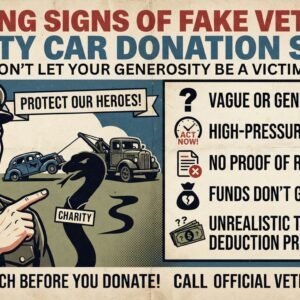
- 🚨 Scam Alert: The VA and other government agencies never charge fees for benefit applications. If anyone asks for money to "process" your VA claim, it is a scam. Report it to the VA Office of Inspector General at VA.gov/OIG.
- Advertising: This site uses third-party advertising (Adsterra) to cover operational costs. We do not endorse or guarantee any products or services advertised.
📌 Information provided as of June 2026. Always verify current eligibility and rules with official .gov sources.
This site is not affiliated with the U.S. Department of Veterans Affairs or any government agency. All information is for educational purposes only. Please visit VA.gov for official information.
