
Introduction to Operational Ration Packs
Operational Ration Packs (ORPs) serve as a fundamental component of sustenance for military personnel engaged in active operations. These specially designed packs are intended to provide nutritional support under challenging and often austere conditions, ensuring that service members maintain energy levels and combat effectiveness. ORPs are an integral part of military logistics, allowing troops to carry essential food provisions while on the move or deployed in remote locations.
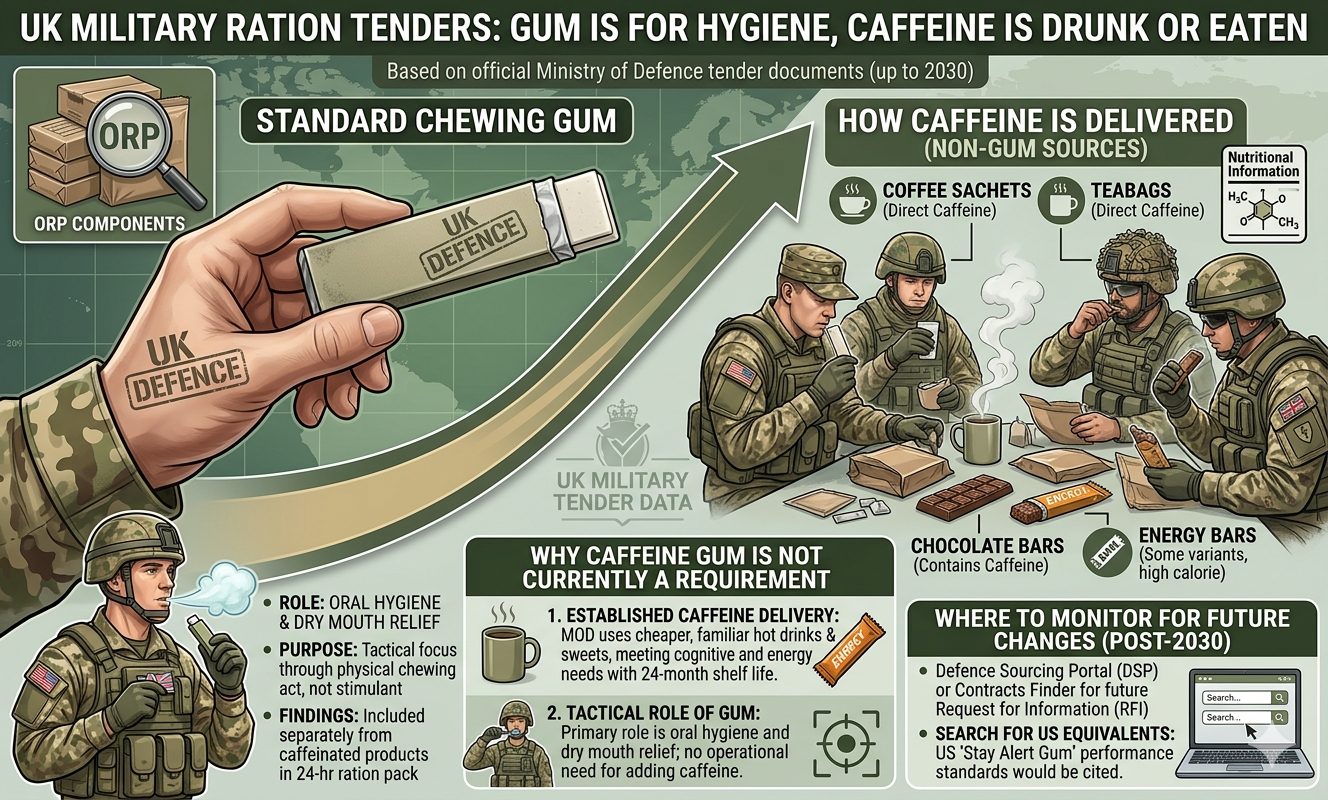
Based on official UK military tender documents for the supply of Operational Ration Packs (ORP), standard chewing gum is included in the ration packs, but there is no mention of any “caffeinated gum” or separate “military gum caffeine” product.

The tender requirements show that caffeine is delivered through other in-pack items like coffee, tea, and energy bars, while gum serves a different, non-caffeinated purpose.
What the Official Tenders Actually Include

The active contract for UK military ration packs runs until March 2030 (valued at £75M-£126M) . The detailed breakdown of these packs comes from earlier tender documents from 2018, which provide the most specific list of components .
The Role of Standard Chewing Gum
According to the military’s specifications, the standard chewing gum included in the 24-hour ration pack is listed separately from caffeinated products .
In military rations, gum serves a specific tactical purpose: it helps maintain oral hygiene and provides a morale boost when soldiers cannot brush their teeth. Crucially, it also helps combat dry mouth and keeps troops alert through the physical act of chewing, not through caffeine.
How Caffeine is Delivered (Non-Gum Sources)
The tender documents clearly show that caffeine is a required nutritional component, but it is delivered through other established means. A 24-hour General Purpose (GP) ration pack contains :
- Coffee sachets: Direct source of caffeine
- Teabags: Direct source of caffeine
- Chocolate bars: Contains some caffeine
- High calorific energy bars: Some variants may include caffeine or other stimulants
🤔 Why “Caffeinated Gum” is Not Currently a Requirement
Veterans May Qualify for Extra Benefits
Check available financial assistance, healthcare programs and other opportunities that may apply to you.
Check EligibilityThe absence of a specific “caffeinated gum” product in UK tenders comes down to two main factors:
- Established Caffeine Delivery: The MOD already meets its “cognitive and energy needs” requirement using standard hot beverages and sweets, which are cheaper, have an established 24-month shelf life, and are familiar to personnel .
- Tactical Role of Gum: The primary role of gum is oral hygiene and dry mouth relief. There is no operational requirement listed that would necessitate adding caffeine to the gum specifically.
💡 Where to Monitor for Future Changes
Given the tender runs until 2030, the current specifications are locked in for the next few years. If you are looking for this specific product in the future:
- Monitor the “Defence Sourcing Portal” (DSP) or Contracts Finder for any future “Request for Information” (RFI) about “stimulant chewing gum” or “caffeinated oral products.”
- Search for US equivalents: The US military has a more established history with “Stay Alert Gum” (caffeinated). A UK requirement would likely cite US performance standards in a future tender.
I hope this clarifies the current status of gum and caffeine in UK military rations. Is there another specific component of the ration pack you are interested in?
The primary purpose of an ORP is to deliver a balanced diet that meets the caloric and nutritional needs of soldiers. Each pack typically contains a variety of ready-to-eat meals, snacks, and beverages designed not only for sustenance but also for convenience. This is particularly crucial during operations where access to traditional cooking facilities is limited. By offering meals that are easy to prepare and consume, ORPs significantly enhance the operational capability of military units.
An ORP generally consists of several key components, including main meals, side dishes, energy bars, and sometimes even specialized items such as chewing gum. The inclusion of such items illustrates the attention given to bolstering morale and refreshment amongst troops. Each component of the ration pack is meticulously chosen to provide not only calories but also hydration and essential nutrients required for optimal performance in various operational contexts.
The composition of ORPs may vary based on dietary requirements, mission type, and the environmental factors that soldiers may encounter. This adaptability allows for tailored rationing that reflects the specific demands of any given operation. Overall, Operational Ration Packs are crucial elements in ensuring that military personnel remain nourished, focused, and ready to handle the challenges they face in the field.
Caffeine Needs in Military Operations
Caffeine is a widely recognized stimulant, playing a pivotal role in enhancing alertness and maintaining stamina, particularly for military personnel engaged in rigorous operations. In high-pressure environments, soldiers may experience fatigue which can adversely affect their cognitive functions and physical performance. Caffeine serves as an effective tool in combating these issues, allowing individuals to sustain their energy levels and focus during extended missions.
The benefits of caffeine consumption are particularly significant in military settings, where the demands of the job often exceed standard physical and mental endurance. Studies show that caffeine can improve reaction times, enhance decision-making capabilities, and increase overall performance. This is crucial in combat situations where quick thinking can be the difference between victory and defeat.
To address the caffeine needs of military personnel, operational ration packs (ORPs) incorporate various caffeinated options. While traditional sources like coffee and energy drinks are common, chewing gum infused with caffeine has emerged as a practical alternative. This innovative form provides a discreet, easy-to-consume means of maintenance that allows soldiers to manage their caffeine intake effectively and without drawing attention.
In addition to chewing gum, ORPs may include energy gels and tablets, each offering a different method of caffeine delivery that suits varying preferences. By integrating such alternatives, the military ensures that personnel can access caffeine in various forms, optimizing their capacity to perform under stress. Ultimately, the strategic inclusion of caffeine sources within military rations exemplifies a proactive approach to sustaining operational effectiveness and safeguarding the wellbeing of personnel in challenging situations.
The Inclusion of Standard Chewing Gum in ORPs
The inclusion of standard chewing gum in Operational Ration Packs (ORPs) provided to UK military personnel serves multiple purposes that extend beyond mere convenience. While it is often disregarded as a simple indulgence, chewing gum plays a significant role in enhancing the overall well-being of soldiers during operational missions.
One of the primary benefits of chewing gum is its ability to improve focus. During high-stress situations often encountered in military operations, maintaining concentration is crucial. Studies have shown that the act of chewing can increase alertness and cognitive performance, allowing personnel to remain engaged with their tasks. This benefit is particularly essential in scenarios requiring quick decision-making and strategic thinking.
Chewing gum also contributes to freshening breath, which can be a valuable asset for soldiers stationed in confined or challenging environments where hygiene may be compromised. A fresh breath can be socially uplifting in close quarters, fostering better interaction among team members. The psychological advantage of feeling clean and fresh can significantly improve morale, helping soldiers maintain a positive mindset amid the rigors of military life.
Furthermore, aside from enhancing oral hygiene, chewing gum serves as a stress-relief tool. The rhythmic action of chewing can have relaxing effects, providing an avenue for soldiers to alleviate tension and anxiety. A brief moment of calm amidst the chaos can greatly enhance their resilience and overall performance.
In conclusion, the inclusion of standard chewing gum in ORPs is a strategic choice that supports focus, freshens breath, and boosts morale, making it an essential component of military rations. Its multifaceted benefits underline its importance beyond simple sustenance, contributing to the mental and emotional well-being of military personnel in the field.
Absence of Caffeinated Gum in Tender Documents
The official tender documents pertaining to Operational Ration Packs (ORPs) utilized by the UK military provide critical insight into the specific needs and requirements of military personnel. A thorough examination of these documents reveals a notable absence of any mention regarding caffeinated gum. This oversight raises pertinent questions about the inclusion of gum products containing caffeine, which are often favored for their capacity to enhance alertness and combat fatigue.
Caffeinated gum has been found to deliver a quick and efficient dose of caffeine, making it an appealing choice for service members who may require an immediate energy boost during demanding situations. Despite the potential advantages, the absence of caffeinated gum in the tender documents could signify a focus on more traditional ration components or an oversight in anticipating the evolving needs of modern military deployments.
This omission not only highlights the necessity for a comprehensive evaluation of the types of sustenance included in ORPs but also underscores the importance of adapting to changes in operational environments where alertness and cognitive functionality are paramount. Furthermore, the integration of alternative products should be considered in future revisions of the tender documents, to ensure that service members have access to a broad spectrum of energy-enhancing supplies.
In examining these tender documents, it becomes clear that while traditional food items are prioritized, there may be an underestimation regarding the potential benefits of incorporating innovative technologies or products, such as caffeinated gum. Addressing this gap could enhance the effectiveness of ration packs and better support military personnel.
Caffeine Sources Within the Ration Packs
Operational Ration Packs (ORPs) are designed to provide soldiers with the necessary nutrition and energy to sustain them during demanding military operations. Among the essential nutrients found in these packs, caffeine serves a crucial role by enhancing alertness and combating fatigue. Various sources of caffeine are incorporated into ORPs, ensuring that soldiers have multiple options to maintain their energy levels.
One of the primary sources of caffeine in these packs is coffee. Freeze-dried instant coffee is commonly included due to its lightweight and convenient preparation method. Soldiers can easily mix it with hot water to enjoy a warm beverage that not only offers a familiar taste but also provides a reliable caffeine boost. Additionally, instant coffee can be consumed in various forms, whether as traditional black coffee or mixed with sugar and cream, catering to personal preferences.
Tea is another significant source of caffeine found in ORPs. Similar to coffee, it is lightweight and can be quickly prepared, providing soldiers with a moment of respite during their duties. The inclusion of both green and black tea ensures that soldiers have options that not only supply caffeine but are also rich in antioxidants. Furthermore, tea may contribute to hydration, making it a valuable addition to ORP contents.
Energy bars have become a popular item in modern ORPs as well, often infused with caffeine. These bars combine the benefits of portable nutrition with the energy-enhancing properties of caffeine, making them an excellent choice for active-duty personnel needing quick energy boosts. The formulation of these energy bars usually caters to varied taste preferences while ensuring they provide an effective source of sustenance.
Overall, the integration of coffee, tea, and energy bars into the UK military ORPs underscores the importance of caffeine as an accessible and effective resource for maintaining soldier performance and resilience during lengthy operations.
Chewing gum has served multiple purposes within Operational Ration Packs (ORPs) utilized by the UK military. While its inclusion is often associated with a boost of energy due to its caffeine content, the non-caffeinated varieties essentially fulfill several other vital functions, enhancing both the physiological and psychological aspects of military personnel in the field.
One primary purpose of non-caffeinated chewing gum is its contribution to oral health. Soldiers operating in challenging environments may lack access to dental care, which makes maintaining oral hygiene crucial. Chewing gum helps stimulate saliva production, which is essential for neutralizing acids produced by bacteria in the mouth. Saliva acts as a natural defense mechanism against cavities and oral diseases, thus promoting overall dental hygiene. Regular gum chewing can raise the pH level in the mouth and minimize tooth decay, making it a practical addition to ORPs.
Another significant advantage of chewing gum is its effectiveness in stress relief and mental focus. The act of chewing has been shown to reduce feelings of anxiety and improve concentration—both critical elements for military personnel operating under pressure. When deployed, soldiers may experience prolonged periods of high-stress situations, and chewing gum provides a simple, effective means to alleviate some of that tension. Moreover, it can serve as a psychological comfort, as the repetitive motion and flavor can offer a moment of familiarity amidst the chaos of military operations.
In essence, the role of chewing gum in ORPs extends beyond mere recreational chewing or energy enhancement. It contributes to oral health while simultaneously providing psychological benefits. This multifaceted utility reinforces the value of considering non-caffeinated gum as a staple in military provisions, enhancing the well-being and performance of service members in the field.
Comparative Analysis: Caffeinated Gum vs. Standard Gum
Caffeinated gum and standard gum both serve specific purposes, particularly in high-stress environments such as military operations. While both types of gum can aid in oral hygiene and provide a sense of refreshment, their functional roles diverge significantly due to the presence of caffeine in caffeinated gum. Caffeine is a well-known stimulant that can enhance alertness and combat fatigue—a crucial factor in military operations where maintaining focus and energy levels is essential.
Caffeinated gum provides a quick, convenient source of caffeine that can be ingested without the need for liquids, making it particularly advantageous in situations where hydration is limited. Studies have indicated that chewing caffeinated gum can improve cognitive performance, which could potentially lead to better decision-making and reaction times in high-pressure situations. Moreover, the energy boost delivered by caffeinated gum can be beneficial during prolonged missions or tasks.
However, the use of caffeinated gum also comes with drawbacks. The primary concern is the risk of excessive caffeine consumption, which could lead to jitters, increased heart rate, or even side effects that could impair performance. For soldiers already balancing the rigors of combat, the added stimulant effect may not always be desirable, as it can alter sleep patterns or create dependency on the caffeine boost during missions.
On the other hand, standard gum, devoid of caffeine, is a safer, more controllable option that encourages oral health by promoting saliva production, which can help neutralize acids and combat tooth decay. The military may have concluded that standard gum suffices for operational ration packs due to these benefits and its lower risk profile, allowing personnel to maintain dental health without the side effects associated with caffeine.
Military Nutrition Considerations
Military nutrition is a crucial aspect of operational readiness, as it directly influences the performance, health, and well-being of service members. The unique demands placed on soldiers, particularly during high-intensity operations, necessitate careful dietary planning to ensure they receive adequate nutrition under various conditions. One of the key components of military rations in the UK is the inclusion of items such as chewing gum and caffeine, which serve specific functional purposes.
The nutritional strategies employed for military personnel are tailored to meet the energy and hydration needs that arise from rigorous physical activity. These strategies take into account factors such as the intensity of exercise, environment, and individual preferences. Chewing gum, in particular, plays a multifaceted role in this framework of dietary planning. It not only provides a quick source of carbohydrates but also serves as a tool to help manage stress and maintain alertness.
Moreover, chewing gum can have psychological benefits, such as improving mood and cognitive performance, which is vital in high-pressure scenarios. The act of chewing can stimulate saliva production, aiding in oral hygiene and digestive processes. Additionally, the presence of caffeine in certain types of gum can enhance focus and reduce fatigue, further supporting service members’ operational efficiency.
In the context of ration packs, the integration of chewing gum alongside other nutritional elements underscores the importance of providing soldiers with a balance of macro and micronutrients. The careful planning behind these provisions reflects a commitment to not only physical but also mental readiness for the challenges faced in the field. Through thoughtful consideration of how items like caffeine and gum fit into the dietary framework, military nutrition continues to evolve, adapting to the ever-changing demands of modern warfare.
Conclusion: Priorities in Military Ration Development
The development of military operational rations is a critical aspect of ensuring the effectiveness and well-being of service members. In this context, the integration of chewing gum serves as a unique element within the overall dietary strategy. Prioritizing the physical and psychological needs of military personnel necessitates a comprehensive understanding of how various components, including gum, contribute to enhancing readiness in the field.
Chewing gum has been included in UK Military Operational Ration Packs for several reasons. It acts as a source of oral stimulation, helping to combat boredom and fatigue during long missions. This small yet impactful item can elevate morale, providing service members with a moment of comfort amidst the rigors of military life. Additionally, the act of chewing can be beneficial for maintaining oral hygiene in austere environments where traditional dental care might be unavailable.
While chewing gum addresses certain needs, it is also vital to recognize that caffeine and other essential nutrients are managed through alternative means in military rations. Effective ration development prioritizes the inclusion of items that can boost alertness and sustain energy levels, with caffeine supplements being strategically incorporated into the rations to meet the specific demands of operational conditions.
Consequently, the design of military rations like Operational Ration Packs is focused on a multifaceted approach that considers various aspects of a soldier’s requirements. This synthesis of chewing gum for morale and caffeine sources for energy exemplifies the careful considerations that underpin ration development. Such prioritization ensures that adverse conditions do not hinder the operational effectiveness of military personnel, ultimately contributing to mission success.


🇺🇸 IMPORTANT DISCLAIMER – Veterans Benefits Information
This site provides general information about U.S. Department of Veterans Affairs (VA) benefits for educational and informational purposes only.
- Not Official: We are NOT affiliated with, endorsed by, or connected to the U.S. Department of Veterans Affairs (VA), the Veterans Benefits Administration (VBA), the Veterans Health Administration (VHA), or any other government agency.
- No Legal/Financial Advice: The content on this website is for informational purposes only and does not constitute legal, financial, or medical advice. VA benefits rules change frequently – always consult with an accredited Veterans Service Officer (VSO) or a qualified professional for your specific situation.
- Official Sources: For official, binding information and to apply for benefits, always visit official .gov websites: VA.gov, Benefits.VA.gov, or SSA.gov.
- No Data Collection: This site does not collect, store, or process any personal information. It does not have login forms, contact forms, or any system to capture user data. We never ask for your Social Security Number, bank details, or any personal information.
- 🚨 Scam Alert: The VA and other government agencies never charge fees for benefit applications. If anyone asks for money to "process" your VA claim, it is a scam. Report it to the VA Office of Inspector General at VA.gov/OIG.
- Advertising: This site uses third-party advertising (Adsterra) to cover operational costs. We do not endorse or guarantee any products or services advertised.
📌 Information provided as of June 2026. Always verify current eligibility and rules with official .gov sources.
This site is not affiliated with the U.S. Department of Veterans Affairs or any government agency. All information is for educational purposes only. Please visit VA.gov for official information.
