

Understanding VA Benefits for US Navy Veterans
U.S. Navy veterans are entitled to a variety of benefits through the Department of Veterans Affairs (VA), which are crucial for supporting their transition back to civilian life. Understanding these benefits can significantly enhance a veteran’s quality of life, offering them the necessary resources to succeed.
One of the primary benefits available to Navy veterans is healthcare. The VA provides comprehensive health services, including preventive care, hospital care, and various treatment options for physical and mental health issues. Eligibility is typically based on the veteran’s service duration and discharge status, making it essential to confirm one’s eligibility before attempting to access healthcare services.

In addition to healthcare, education benefits play a crucial role in the lives of transitioning veterans. Programs such as the Post-9/11 GI Bill offer financial assistance for tuition, housing, and even books for veterans looking to further their education. This benefit is available for those who served on active duty after September 10, 2001, and can be a valuable resource for those pursuing college degrees or vocational training.

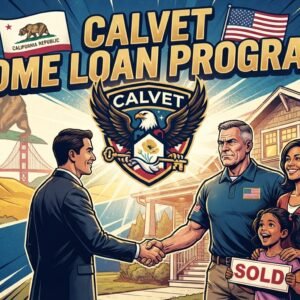
Housing assistance is another significant benefit provided by the VA. Veterans may qualify for various housing programs, which can include assistance in obtaining favorable home loan rates. The VA Home Loan program enables veterans to purchase homes with little to no down payment, providing a pathway to homeownership that might otherwise be challenging.
Disability compensation is also a critical benefit for veterans who have sustained injuries or developed conditions during their service. The VA assesses claims and determines eligibility based on the severity of the disability and its connection to military service. It is vital for veterans to gather relevant documentation and understand the application process to ensure they receive the benefits to which they are entitled.
Overall, the VA offers a range of benefits tailored to meet the unique needs of U.S. Navy veterans, emphasizing healthcare, education, housing assistance, and disability compensation. Each veteran should explore these options and understand the eligibility requirements, as well as the application procedures, to maximize their access to these valuable resources.
The VA Claims Process Explained
The Veterans Affairs (VA) claims process is a structured procedure designed to assist US Navy veterans in obtaining the benefits they deserve. Understanding this process is crucial for a successful claim submission. The first step involves gathering all necessary documentation, which can include discharge papers, medical records, and records of service-related incidents. Veterans should ensure that they have all supporting evidence prepared before initiating their claim.
Veterans May Qualify for Extra Benefits
Check available financial assistance, healthcare programs and other opportunities that may apply to you.
Check EligibilityAfter compiling the necessary paperwork, the veteran must complete and submit the VA Form 21-526EZ, Application for Disability Compensation and Related Compensation Benefits. This form can be filed online through the VA’s website, via mail, or in person at a local VA office. It’s advised to include as much detailed information as possible related to any service-connected disabilities, as thoroughness can significantly enhance the chances of claim approval.
Veterans are encouraged to seek assistance from Accredited Representatives, which can include veterans service organizations or claims agents, to help navigate the complexities of the claims process. These representatives can provide valuable insights and guidance throughout the entire submission and appeals process, should it be necessary.
Common mistakes often encountered by veterans include failing to submit all required documents or improperly completing application forms. Such oversights can result in unnecessary delays or denials of claims. Therefore, reviewing the submission carefully and adhering to VA requirements is imperative.
The timeline for the claims process can vary widely based on the complexity of the case, with some claims taking only a few months, while more complex cases may extend for a year or longer. Veterans can track the status of their claims through the VA’s website, allowing them to stay informed about their progress. As part of the claims process, maintaining open communication with the VA and being receptive to additional requests for information can also smooth the path to successful outcome.
Healthcare Options for Navy Veterans
US Navy veterans are entitled to various healthcare options, designed to meet their specific needs. The Department of Veterans Affairs (VA) provides several programs and services that can assist veterans in accessing the healthcare they require after serving in the military. Among the most important options available to Navy veterans are the VA health facilities and various healthcare programs that ensure eligible individuals can receive medical attention.
The VA operates healthcare facilities across the United States, offering a wide range of services from routine check-ups to specialized medical treatments. These facilities are staffed with healthcare professionals trained to address the unique health concerns faced by veterans, including those that may arise from service-related injuries or conditions. To benefit from these services, Navy veterans must first register for VA healthcare. This process typically involves filling out an application, which can be done conveniently online or through local VA offices.
One of the essential components of the VA healthcare system is the variety of health programs tailored to different needs. For instance, programs exist for mental health support, substance abuse treatment, and rehabilitation services, catering to those who may need extensive medical treatment or support. It is crucial for Navy veterans to be aware of these programs, as they can significantly impact their overall well-being and quality of life.
When comparing civilian healthcare to VA healthcare, some key differences emerge. VA healthcare tends to provide a more integrated approach, focusing not only on treating illnesses but also on preventive care and long-term health management. Additionally, veterans may find that copayments for private insurance or civilian health providers can differ significantly from those in the VA system. Understanding these differences is vital for Navy veterans as they navigate their healthcare options, ensuring that they make informed decisions regarding their health and well-being.
Disability Compensation for Injured Veterans
The Department of Veterans Affairs (VA) offers a disability compensation program designed to provide financial assistance to veterans who have sustained injuries or illnesses as a result of their military service. This compensation is not only a recognition of their service but also a means to support veterans as they transition to civilian life. Understanding how benefits are calculated and who may be eligible for such compensation is crucial for veterans seeking financial assistance.
The calculation of disability compensation primarily hinges on the severity of the veteran’s service-connected condition. The VA uses a rating schedule, often ranging from 0% to 100%, to evaluate the degree of disability. A higher rating correlates to a more significant impact on a veteran’s life, thereby leading to higher compensation rates. For example, a veteran rated at 100% may receive nearly $3,000 per month, while those rated at lower percentages will receive proportional amounts based on their specific rating.
Eligibility for disability compensation requires the veteran to demonstrate a direct link between their condition and their military service. Commonly covered conditions include post-traumatic stress disorder (PTSD), traumatic brain injuries (TBI), and orthopedic issues such as back and knee injuries. Each of these conditions must have been diagnosed and substantiated with medical evidence that connects the condition to military service.
In the context of presenting claims, veterans must compile comprehensive documentation, including service medical records, current medical assessments, and any relevant personal statements that outline how their disability affects their daily life. The VA encourages veterans to detail their claims thoroughly, as this documentation is vital for securing the appropriate disability rating. Veterans considering filing a claim should also explore resources available through veterans’ organizations, which can provide assistance in navigating the claims process effectively.
Education Benefits and Opportunities for Veterans
The U.S. Navy offers a variety of education benefits aimed at supporting veterans in their pursuit of higher education and vocational training. Among the most significant programs available is the Post-9/11 GI Bill, designed specifically for veterans who served on active duty after September 10, 2001. This program provides comprehensive educational support, covering tuition and fees for in-state public universities, a monthly housing allowance, and a stipend for books and supplies.
To be eligible for the Post-9/11 GI Bill, veterans must have served at least 90 days of active duty, with benefits proportionate to the length of service. The application process is facilitated through the Veterans Affairs (VA) website, where veterans can complete their applications online. It is crucial for applicants to provide necessary documentation, ensuring a smooth processing experience.
In addition to the Post-9/11 GI Bill, tuition assistance programs are available for Navy veterans looking to further their education. These programs often cover expenses for courses taken while veterans are still in service or shortly after. Eligibility typically requires a commitment to continued service and satisfactory academic progress.
Veterans can leverage these education benefits not only for traditional degree programs but also for vocational training and certification courses that align with their career goals. Community colleges and various online institutions offer these opportunities, enabling veterans to tailor their education to meet market demands.
With the available education benefits, U.S. Navy veterans can significantly enhance their qualifications, improving their employability in the competitive job market. It is advisable for veterans to explore all options and consult with education counselors provided by the VA to optimize their benefits usage successfully.
Housing Assistance Programs for Veterans
Veterans seeking housing assistance have access to a variety of programs offered by the Department of Veterans Affairs (VA). These programs are designed to facilitate homeownership and rental opportunities for veterans, along with specific initiatives geared towards helping those with disabilities or low income.
One of the primary resources for veterans is the VA Home Loan program, which allows eligible veterans to purchase a home without the need for a down payment and often without private mortgage insurance. This program can be especially beneficial for veterans who may be facing challenges securing traditional financing due to lower credit scores or limited financial resources.
In addition to home loans, the VA also provides various grants aimed at assisting veterans with significant disabilities. Programs such as the Specially Adapted Housing (SAH) grant enable veterans with certain service-related injuries to modify their homes to meet their accessibility needs. Similarly, the Grant for Adapted Housing (GAH) offers financial assistance for veterans who wish to purchase or modify a home to accommodate their disabilities.
Moreover, the VA has initiatives like the Veterans Administration Supportive Housing (VASH) program, which combines Housing Choice Vouchers with case management and clinical services for homeless veterans. This program’s focus on supportive services helps ensure that veterans not only secure housing but also receive the assistance necessary to maintain their independence and stability.
For veterans with low income, various state and local programs may offer additional support. These programs can include rental assistance, housing allowances, and even transitional housing solutions. Veterans are advised to reach out to their local VA offices or community organizations to find specific resources available in their area.
The breadth of housing assistance programs provided by the VA reflects a commitment to supporting veterans in their transition to civilian life. Through loans, grants, and other initiatives, the VA plays a crucial role in providing the housing security that veterans have earned through their service.
Additional Benefits: Employment and Training Programs
For US Navy veterans seeking to transition smoothly into the civilian workforce, numerous additional benefits are available focusing on employment and training programs. The Department of Veterans Affairs (VA) recognizes the unique challenges faced by veterans and provides various resources to assist them in finding meaningful employment.
One of the primary benefits available to veterans is the Vocational Rehabilitation and Employment (VR&E) program. This initiative is designed to help veterans with service-connected disabilities prepare for, find, and maintain suitable employment. Through VR&E, eligible veterans can access a range of services, including personalized counseling, education, and job training. The program also offers assistance in developing a comprehensive rehabilitation plan tailored to the veteran’s specific needs, ensuring a higher chance of success in the chosen career path.
Job placement services are another crucial component of the benefits available to US Navy veterans. These services are often provided in coordination with local employment agencies and veterans’ service organizations, facilitating connections between veterans and potential employers. Many of these agencies offer workshops, resume writing assistance, and interview preparation that can bolster a veteran’s confidence and readiness for the job market.
Moreover, various training programs are available that target specific industries or skill sets. For instance, programs focusing on technology, healthcare, and trade skills are particularly beneficial, given the growing demand in these fields. Additionally, some veterans may qualify for financial assistance to cover the costs of training programs or certifications, making it more feasible to enter a new career without incurring significant debt.
In conclusion, the array of employment and training programs designed for US Navy veterans plays a pivotal role in aiding their transition to the civilian workforce. By leveraging these benefits, veterans can enhance their employability, gain new skills, and ultimately secure rewarding careers post-service.
Navigating Challenges in the Claims Process
The claims process for benefits can present various challenges for US Navy veterans, often leading to frustration and confusion. One prominent issue is the delay in claims processing. Many veterans find that their claims take significantly longer than anticipated due to high volumes of applications, bureaucratic hurdles, or the need for additional documentation. To mitigate this issue, veterans should prepare their claims thoroughly before submission. Ensuring that all required forms are completed accurately and that all supporting documents are included can help reduce processing time.
Another challenge faced by veterans is the risk of claim denials. Claims may be denied for various reasons, including insufficient evidence of service-related conditions or errors in the claim submission. To address this, it is advisable for veterans to review denial letters carefully to understand the reasons behind the decision. Following this, they can gather additional evidence and seek assistance from knowledgeable professionals or organizations dedicated to veterans’ advocacy. Engaging with these groups can provide veterans with essential guidance and support when navigating the appeals process.
Furthermore, accessing support from advocacy groups and veteran organizations can play a significant role in overcoming difficulties during the claims process. Such organizations often have the resources and expertise to assist veterans in understanding their rights and benefits. They can also provide connections to legal aid and other services that facilitate a smoother navigation of claims. Joining local veterans’ forums or online communities can also yield valuable insights, as fellow veterans share their experiences and tips on how to manage the claims process effectively.
In conclusion, while navigating the benefits claims process can be daunting for US Navy veterans, being proactive, well-prepared, and leveraging the resources available through advocacy groups can significantly alleviate common hurdles.
Resources and Support for US Navy Veterans
For US Navy veterans seeking assistance and support, a wealth of resources is available to help navigate the complexities of veteran benefits and transition into civilian life. Understanding where to find help is essential, as numerous organizations are dedicated to serving those who have served the nation.
One of the first points of contact for veterans is the official U.S. Department of Veterans Affairs (VA) website. Here, Navy veterans can access information regarding benefit claims, education, and healthcare services. The VA also provides tools for locating nearby medical facilities and counseling services tailored to veterans. It is vital for former service members to create an online account through the VA’s eBenefits portal for personalized access to their records and claims.
In addition to the VA, veterans can benefit from numerous community organizations that offer support and advocacy. The Veterans of Foreign Wars (VFW) and American Legion are two prominent organizations that provide resources for social engagement, legislative advocacy, and assistance in accessing benefits. These organizations often hold local events and sponsor initiatives that foster camaraderie and community among veterans.
Additionally, the Navy has its own support networks, including the Navy Life website, which offers information on family support, recreational programs, and employment resources. Connecting with local chapters of these organizations can provide veterans with valuable networking opportunities and enhance their support system.
When looking for assistance, veterans should also consider reaching out to local non-profits that focus on veteran services, such as Team Red, White & Blue or Wounded Warrior Project. These organizations offer programs aimed at improving veterans’ physical and mental well-being through community involvement and fitness activities.
In conclusion, US Navy veterans have access to a myriad of resources designed to support their unique needs and experiences. By utilizing these resources, veterans can better navigate their benefits and find community connections that enhance their transition to civilian life.

🇺🇸 IMPORTANT DISCLAIMER – Veterans Benefits Information
This site provides general information about U.S. Department of Veterans Affairs (VA) benefits for educational and informational purposes only.
- Not Official: We are NOT affiliated with, endorsed by, or connected to the U.S. Department of Veterans Affairs (VA), the Veterans Benefits Administration (VBA), the Veterans Health Administration (VHA), or any other government agency.
- No Legal/Financial Advice: The content on this website is for informational purposes only and does not constitute legal, financial, or medical advice. VA benefits rules change frequently – always consult with an accredited Veterans Service Officer (VSO) or a qualified professional for your specific situation.
- Official Sources: For official, binding information and to apply for benefits, always visit official .gov websites: VA.gov, Benefits.VA.gov, or SSA.gov.
- No Data Collection: This site does not collect, store, or process any personal information. It does not have login forms, contact forms, or any system to capture user data. We never ask for your Social Security Number, bank details, or any personal information.
- 🚨 Scam Alert: The VA and other government agencies never charge fees for benefit applications. If anyone asks for money to "process" your VA claim, it is a scam. Report it to the VA Office of Inspector General at VA.gov/OIG.
- Advertising: This site uses third-party advertising (Adsterra) to cover operational costs. We do not endorse or guarantee any products or services advertised.
📌 Information provided as of June 2026. Always verify current eligibility and rules with official .gov sources.
This site is not affiliated with the U.S. Department of Veterans Affairs or any government agency. All information is for educational purposes only. Please visit VA.gov for official information.
