

Understanding VA Disability Ratings
The VA disability rating system is a crucial method used by the U.S. Department of Veterans Affairs (VA) to evaluate the extent of disability experienced by veterans due to service-related injuries or illnesses. These ratings are expressed as a percentage, ranging from 0% to 100%, reflecting the degree to which veterans are impaired by their conditions. A rating of 100% signifies total disability, whereas lower percentages correspond to varying degrees of impairment.
Determining a VA disability rating involves a comprehensive assessment process. Veterans typically undergo medical examinations that assess their ability to work, perform daily activities, and overall quality of life. The primary guideline for these evaluations is the VA Schedule for Rating Disabilities, which outlines specific criteria for different conditions. The objective is to ensure veterans receive fair compensation and benefits that correlate with their degree of disability.

The significance of these ratings cannot be overstated. A higher disability rating often translates into increased monthly benefits, access to specialized healthcare services, and eligibility for various programs and resources tailored to support veterans. Conversely, a lower rating may result in limited benefits, accentuating the importance of demonstrating the full extent of one’s disabilities during assessments.

Veterans in Alabama seeking to understand or dispute their VA disability ratings should be well-informed regarding how these ratings impact their benefits. Knowledge of the rating system can empower them to navigate the appeals process if they believe their ratings do not accurately reflect their conditions. A clear understanding of VA disability ratings is essential for veterans to secure the benefits they rightfully deserve, ensuring they receive adequate support for their sacrifices and challenges.
Eligibility for a Rating Increase
Determining eligibility for a VA disability rating increase involves a comprehensive evaluation of the veteran’s service-connected condition. The Department of Veterans Affairs (VA) has established specific criteria that must be met to qualify for an increase in the disability rating.
First and foremost, veterans must demonstrate that their existing service-connected condition has worsened since the last rating decision. This can include a decline in the veteran’s ability to perform daily tasks, an increase in symptoms, or the development of new medical issues directly related to the initial service-connected condition. Such evidence is crucial in establishing the need for a reassessment of the disability rating.
To effectively support a claim for an increase, it is essential for veterans to gather and submit thorough medical documentation. This may include updated treatment records, doctors’ opinions, and any relevant diagnostic tests that illustrate the severity and progression of the condition. Additionally, veterans might benefit from personal statements detailing how their condition affects their quality of life and daily functioning.
Veterans May Qualify for Extra Benefits
Check available financial assistance, healthcare programs and other opportunities that may apply to you.
Check EligibilityFurthermore, the VA requires that the worsening of the condition be linked explicitly to the initial service-related injury or illness. For instance, if a veteran with a service-connected back injury experiences new complications that stem from that injury, this new information can be significant in the reassessment process. It is imperative that the connection between the worsening condition and the original service-connected disability is clear and well-documented.
In conclusion, securing a VA disability rating increase necessitates a thorough understanding of the eligibility criteria and a robust submission of supporting evidence. Veterans are encouraged to pay close attention to the requirements and proactively manage their documentation to bolster their claims for a necessary rating adjustment.
How to Gather Medical Evidence
When pursuing a VA disability rating increase, it is imperative to compile comprehensive medical documentation that supports your claim. This process begins with acquiring recent medical evaluations, which play a crucial role in determining the current severity of your condition. These evaluations should be conducted by qualified healthcare professionals who can thoroughly assess and diagnose your health issues.
In addition to recent evaluations, treatment records are vital. These documents provide a historical overview of your medical treatments and can highlight the progression or worsening of your condition over time. Make sure to request complete records from all healthcare providers who have treated you for the disability in question. This can include, but is not limited to, primary care physicians, specialists, and any rehabilitation services you may have received.
It is also important to document any changes in your health status accurately. This includes not merely noting the deterioration of your condition but also capturing any relevant symptoms you experience. Keeping a detailed journal of your symptoms, treatment responses, and daily limitations can provide valuable insights into the effects of your disability on your quality of life.
Alongside treatment and evaluation documents, consider including personal statements that articulate how your disability affects daily activities. These narratives can complement clinical evidence by providing a personal perspective, underscoring the functional limitations imposed by your condition.
Finally, ensure that all gathered documentation is organized. When submitting your claim for a disability rating increase, having a well-structured file that clearly outlines your medical history can facilitate the review process, allowing the VA to more readily understand the impact of your disability and the justification for an increase.
Filing a Claim for a Rating Increase
Filing for a VA disability rating increase in Alabama is a significant process that veterans can undertake to seek additional benefits as their service-related conditions evolve. The following steps are essential to ensure that your claim is filed accurately and efficiently.
First and foremost, it is crucial to gather all necessary documentation that supports your claim for a rating increase. This may include recent medical records, treatment history, and other relevant evidence that demonstrates how your condition has worsened. The more comprehensive the evidence you provide, the better your chances of a successful outcome.
The primary method for filing a claim for an increase is through VA Form 21-526EZ, which has been specifically designed to streamline the application process. This form can be completed online via the VA’s eBenefits portal, which enhances accessibility and allows for easier tracking of your claim status. Alternatively, a hard copy can be filled out and submitted by mail, but it is necessary to ensure that it is sent to the correct regional office.
Additionally, veterans in Alabama can seek assistance from a Veteran Service Organization (VSO). VSOs are equipped to guide applicants through the nuances of the claims process, helping you complete VA Form 21-526EZ accurately and providing insights into local resources that may bolster your claim. Such support is particularly valuable for veterans who may find the paperwork overwhelming.
If you prefer to file your claim in person, you can visit your local VA office. There, representatives are available to assist you in completing the necessary forms and ensuring that all required evidence is submitted with your claim. They can address any questions you may have throughout the process, making it a valuable resource for veterans seeking clarity.
Throughout the filing process, keep in mind the importance of following deadlines and ensuring that all evidence is submitted in a timely manner to avoid delays in processing. Once your claim for a rating increase is submitted, the VA will review your documentation, and you will receive a notification confirming the status of your claim.
Online Filing Process with VA.gov
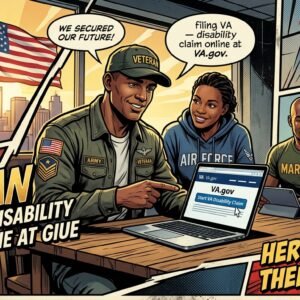
In recent years, the process of applying for a disability rating increase has shifted towards more digital platforms. Veterans in Alabama are now encouraged to utilize VA.gov for filing their requests online, providing a more streamlined experience. This guide outlines the crucial steps to successfully navigate the online filing process.
The first step involves visiting the official VA website at VA.gov. Once on the homepage, you will find various options related to health care, benefits, and more. To file a claim, navigate to the “Disability” section and select “File a Claim” for an increased disability rating. It is essential to have all pertinent information readily available, such as your current disability rating, documentation of any new medical conditions, and supporting evidence.
Prior to starting the application, ensure you have created a verified account on VA.gov. This account will allow you to access your personal records, submit information securely, and track the status of your claim. If you do not have an account, follow the instructions to set one up; this is a straightforward process that typically requires basic personal information and verification methods.
Upon initiating the claim submission, you will encounter an online form. Clearly and accurately input all necessary details regarding your existing conditions and any new issues that warrant a rating increase. VA.gov includes helpful prompts, but it is advisable to double-check your inputs for accuracy before proceeding. Missing or incorrect information can lead to delays.
After completing the form, review it carefully before submitting. It can be helpful to print or save a copy for your records. Upon submission, you should receive a confirmation that your filing has been completed. Keep this confirmation, as it can be useful for future reference. Remember to check your VA.gov account regularly for updates regarding your claim status, as this will provide you with the most accurate information.
Submitting a Claim by Mail or in Person
Submitting a VA disability claim can be a pivotal step for veterans seeking increased benefits. This can be done through traditional mail or in person at a VA regional office. Each method has its own set of procedures that require careful attention to detail for successful completion.
For those opting to submit a claim by mail, it is crucial to prepare an organized application packet. Start by gathering all necessary documentation to support your claim. This typically includes your service records, medical documentation, and any evidence that can substantiate your disability. It is recommended to use the VA Form 21-526EZ, which is specifically designed for filing these claims.
Once your packet is complete, ensure that you make copies of all documents for your personal records, as these may be needed later in the process. When mailing your claim, it is advisable to use a trackable delivery service to confirm that the VA has received your application. This approach provides peace of mind and documentation for your records.
If you prefer a more direct method, submitting your claim in person at a VA regional office is an alternative. This allows for immediate interaction with a claims representative, who can answer any questions and guide you through the submission process effectively. Make sure to bring all necessary documents, and it might be beneficial to schedule an appointment to minimize wait time.
Regardless of the method chosen, ensuring that all forms are filled out completely and accurately will significantly affect the processing time of your claim. Adhering to best practices in preparing and submitting your claim can lead to a smoother experience in navigating the complexities of VA disability claims.
Documenting the Progression of Your Condition
Effectively documenting the progression of a service-connected condition is crucial for veterans seeking a disability rating increase. This process begins with consistency in attending regular medical appointments. Frequent visits to healthcare professionals not only allow for timely intervention but also provide an opportunity to build a comprehensive medical history. Each appointment should detail symptoms, treatment changes, and the impact on daily life—elements critical to supporting a disability claim.
In addition to regular appointments, maintaining detailed personal health records is vital. Veterans should keep notes on their symptoms, medication changes, and any side effects experienced. These records can be invaluable when presenting a case for a rating increase, as they provide tangible evidence of how a condition has evolved over time. Utilizing a healthcare app or a dedicated notebook to track these details can enhance the organization of personal health information.
Furthermore, veterans are encouraged to seek input from family members or caregivers who can document observable changes in behavior or capabilities. This external perspective may further corroborate the personal documentation and strengthen the overall case for increased benefits.
It is also beneficial to acquire medical records from specialists to demonstrate how the condition is being managed and treated. This may include reports from physical therapists, psychologists, or any other medical professional involved in the treatment process. Detailed documentation that includes this information can paint a clearer picture of the service-connected condition’s impact on life and functionality.
By systematically compiling health information and engaging consistently with medical providers, veterans can significantly enhance their chances for successful disability rating increases. This thorough approach to documenting the progression of a condition is an important component of aiming for deserved benefits in Alabama and beyond.
Understanding the VA Rating Schedule
The Department of Veterans Affairs (VA) employs a detailed rating schedule to assess the severity of veterans’ disabilities and their impact on daily functioning. This schedule is crucial for determining the level of compensation that veterans receive. Each condition is categorized, and specific criteria must be met to achieve a particular disability rating. A thorough understanding of this system will empower veterans to advocate for their claims effectively.
The VA’s rating schedule assigns ratings in increments of 10%, ranging from 0% to 100%. A rating of 0% signifies that a veteran’s condition is service-connected but does not impair their ability to work or perform daily activities. Conversely, a 100% rating indicates a total inability to secure or maintain employment due to service-related disabilities. Each rating reflects the level of occupational and social impairment caused by the disability.
To determine these ratings, the VA considers various factors, including medical evidence, service history, and the specific symptoms presented. Conditions are assessed based on how they limit the veteran’s ability to carry out everyday tasks. For example, physical ailments may be evaluated based on mobility limitations or pain severity, while mental health conditions may be rated according to their effects on social interactions or cognitive functions.
Veterans seeking an increase in their disability rating should compile relevant medical documentation, personal statements, and, if possible, lay statements from family or friends attesting to the impact of the disability on their life. Consistent follow-up medical treatment is also essential as it strengthens the case for reevaluation and potential increase in disability ratings.
Understanding the nuances of the VA rating schedule can demystify the process for veterans and enable them to provide the necessary evidence to support their claims, ultimately leading to fair compensation for their sacrifices.
Tips for a Successful Increase Claim
Obtaining a successful VA disability rating increase can be a challenging yet rewarding process for veterans. Armed with the right approach and knowledge, veterans can enhance their chances of favorable outcomes. First and foremost, it is essential to ensure that all required documentation is gathered meticulously. This documentation should include medical records, treatment histories, and statements detailing the impact of disabilities on daily life. Comprehensive and organized paperwork makes the claim process smoother and contributes significantly to establishing the legitimacy of the claim.
Secondly, veterans should be thorough in describing how their conditions have worsened since the last evaluation. This means focusing on specific symptoms, treatments undertaken, and how these disabilities affect their daily functioning and overall quality of life. Providing clear, honest, and elaborate descriptions can serve as compelling evidence to support a claim for an increase.
Another critical aspect is to seek assistance. There are various organizations and resources available that specialize in helping veterans navigate the complexities of VA claims. Enlisting the help of a qualified representative, such as a Veterans Service Organization (VSO) representative or an attorney specializing in VA claims, can be beneficial. These professionals can offer guidance on proper claim submission and represent veterans when dealing with the VA.
Avoiding common pitfalls is also vital. Veterans should refrain from submitting incomplete or inaccurate forms, as these can lead to prolonged delays or denials. Staying informed about changes in VA policies and regulations is important as well, as this information can directly impact claims. Additionally, maintaining a respectful and patient demeanor when interacting with VA representatives can facilitate smoother communication and better outcomes.
In conclusion, a successful increase claim hinges on thorough preparation, accurate presentation of conditions, and utilizing available resources effectively. By following these best practices and avoiding common pitfalls, veterans can improve their likelihood of achieving the desired disability rating increase, ensuring they receive the support they rightfully deserve.

🇺🇸 IMPORTANT DISCLAIMER – Veterans Benefits Information
This site provides general information about U.S. Department of Veterans Affairs (VA) benefits for educational and informational purposes only.
- Not Official: We are NOT affiliated with, endorsed by, or connected to the U.S. Department of Veterans Affairs (VA), the Veterans Benefits Administration (VBA), the Veterans Health Administration (VHA), or any other government agency.
- No Legal/Financial Advice: The content on this website is for informational purposes only and does not constitute legal, financial, or medical advice. VA benefits rules change frequently – always consult with an accredited Veterans Service Officer (VSO) or a qualified professional for your specific situation.
- Official Sources: For official, binding information and to apply for benefits, always visit official .gov websites: VA.gov, Benefits.VA.gov, or SSA.gov.
- No Data Collection: This site does not collect, store, or process any personal information. It does not have login forms, contact forms, or any system to capture user data. We never ask for your Social Security Number, bank details, or any personal information.
- 🚨 Scam Alert: The VA and other government agencies never charge fees for benefit applications. If anyone asks for money to "process" your VA claim, it is a scam. Report it to the VA Office of Inspector General at VA.gov/OIG.
- Advertising: This site uses third-party advertising (Adsterra) to cover operational costs. We do not endorse or guarantee any products or services advertised.
📌 Information provided as of June 2026. Always verify current eligibility and rules with official .gov sources.
This site is not affiliated with the U.S. Department of Veterans Affairs or any government agency. All information is for educational purposes only. Please visit VA.gov for official information.
