

Overview of VA Loan Rates in August 2026
As of August 2026, VA loan rates continue to play a pivotal role in shaping the borrowing landscape for veterans and active military personnel seeking home financing options. These specialized loans, backed by the U.S. Department of Veterans Affairs, offer distinct advantages, particularly when compared to conventional mortgage rates. In this month, the national average for a 30-year fixed VA loan hovers around 3.25%, which remains competitive against the backdrop of fluctuating market conditions.
The advantages of VA loans extend beyond just attractive interest rates. In addition to low borrowing costs, veterans benefit from zero down payment options and no private mortgage insurance (PMI) requirements. This accessibility empowers those who have served the country to achieve homeownership with less financial burden. Furthermore, the refinancing rate for VA loans is also noteworthy, currently averaging 3.60%, providing veterans an opportunity to refinance existing loans under favorable conditions.

When considering the broader implications of August 2026’s mortgage rate environment, it is essential to recognize that VA loan rates often influence and reflect the overall mortgage market trends. As traditional fixed-rate mortgages fluctuate, veterans often find themselves with a more stable and attractive option. This consistent performance can be attributed to the government’s backing, which reduces risk for lenders, ultimately translating into better rates for the borrowers.

The VA loan program remains an instrumental resource in supporting Veterans’ and active military members’ aspirations to own homes. Understanding the current rates and trends not only equips these individuals with essential knowledge but also enables them to make informed decisions regarding their long-term financial commitments. The significance of VA loan rates, including their ability to remain lower in comparison to conventional loans, marks a continued commitment to aid those who have served the nation.
Current Average Rates for VA Purchase Loans
As of August 2026, the landscape of VA purchase loan rates reflects a critical trajectory for potential home buyers. The average rate for a 30-year fixed VA loan currently stands at approximately 6.64%. This figure is significant as it serves not only as a benchmark for current financing options but also indicates the broader economic conditions impacting mortgage rates.
In addition to the average rate, prospective borrowers should be aware that some lenders are offering competitive top-tier rates, approximately around 5.625%. These rates can vary based on several factors including borrower creditworthiness, loan amount, and overall market conditions. Lenders often extend these attractive rates to borrowers who meet specific financial criteria, making it crucial for applicants to maintain good credit scores and stable income.
The implications of these rates are essential for those seeking to utilize VA loans for purchasing homes. With VA loans already being a beneficial option due to their zero down payment requirement and limited closing costs, a lower interest rate can significantly enhance affordability for buyers. Lower rates equate to reduced monthly payments, which can help first-time home buyers or veterans on a budget manage their finances more effectively.
Veterans May Qualify for Extra Benefits
Check available financial assistance, healthcare programs and other opportunities that may apply to you.
Check EligibilityFurthermore, it’s noteworthy that while the average rate provides a general idea of the market, individual circumstances can lead to variations in what borrowers ultimately receive. It is advisable for potential VA loan applicants to shop around and compare offers from different lenders to secure the most favorable terms available in this fluctuating market. Understanding these average rates is not only essential for budgeting but also for making informed decisions about home ownership.
Current Average Rates for VA Refinance Loans
In August 2026, the average rates for VA refinance loans show a notable trend that is crucial for veterans considering their refinancing options. One of the primary products in this category is the 30-year fixed refinance loan, which is currently averaging at a rate of 6.53%. This rate is indicative of the current market conditions and serves as a benchmark for veterans looking to refinance their existing loans.
For many homeowners, especially veterans, accessing favorable refinancing options is essential for reducing monthly payments and overall loan costs. The 30-year fixed refinance allows borrowers to lock in a consistent monthly payment over the lifespan of the loan, providing stability in budgeting. Given the ongoing fluctuations in interest rates, understanding the implications of choosing a 30-year term is imperative for informed decision-making.
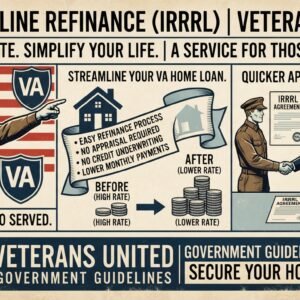
In addition to the standard refinance rates, there are also streamlined refinance rates available that offer even lower entry points, starting as low as 5.75%. These rates are designed to simplify the refinancing process for veterans, often requiring less documentation and quicker approvals. Employing a streamlined approach can make it significantly easier for veterans to transition to lower rates, thereby reducing their financial burden.
The role that these VA refinance rates play cannot be overstated. The ability to secure a low interest rate can substantially impact the total amount paid over the life of the loan. Prospective refinance applicants should consider both the average rates and the specific terms offered through streamlined options when evaluating their refinancing strategies. By doing so, they can better prepare themselves to make decisions that align with their financial goals.
Factors Influencing VA Loan Rates
VA loan rates can be influenced by a range of factors that affect how lenders assess the overall risk associated with offering loans to veterans. Understanding these components can help borrowers make informed decisions throughout the mortgage process.
One of the primary elements that impact VA loan rates is the borrower’s credit score. Generally, a higher credit score can lead to more favorable interest rates, as it indicates a lower risk to lenders. Veterans with credit scores in the good or excellent range may secure lower rates compared to those with fair or poor scores. Therefore, maintaining a strong credit history is essential for obtaining the best possible financial terms.
Another significant factor in determining VA loan rates is the type of loan being applied for. VA loans typically come in several varieties, including fixed-rate and adjustable-rate mortgages (ARMs). Each option may carry different rate structures, and borrowers need to assess which type aligns with their financial goals and stability. Fixed-rate loans provide stability with consistent payments, while ARMs may offer lower initial rates that can fluctuate over time.
The amount of the down payment also has a bearing on loan rates. Although VA loans do not require a down payment, making a down payment can sometimes mitigate risk in the eyes of lenders and possibly lead to lower rates. Additionally, the debt-to-income ratio (DTI) is a vital consideration; a lower DTI indicates responsible financial management, potentially resulting in more favorable rates.
Lastly, lender pricing can vary significantly. Different lenders have their own methodologies for assessing risk and setting rates, which can mean notable differences in offers for the same borrower. Therefore, it is often beneficial for veterans to shop around and compare rates from various lenders to find the most competitive offer available.
Benefits of VA Loans Compared to Conventional Mortgages
Veterans Affairs (VA) loans present several attractive advantages when compared to conventional mortgages, particularly in terms of interest rates and overall borrower benefits. One of the most notable features of VA loans is the generally lower borrowing costs. Specifically, VA loans often offer interest rates that are about 0.25% to 0.75% lower than those of conventional loans. This reduction in rates is attributable to the guarantee provided by the Department of Veterans Affairs, which reduces lender risk and thereby enhances competitive pricing for eligible borrowers.
The backing of the Department of Veterans Affairs plays a crucial role in lenders’ willingness to provide favorable terms. Since VA loans are guaranteed, lenders are more inclined to offer loans with lower interest rates and with less stringent credit requirements compared to conventional mortgages. This can be especially beneficial for veterans who may have faced financial challenges during or after their service.
Furthermore, the absence of a down payment requirement—common with VA loans—also distinguishes them from conventional mortgage options, which often demand a substantial upfront payment. This is a significant financial advantage as it allows veterans to purchase homes without the burden of saving for a large down payment, thus facilitating home ownership.
Besides the competitive rates and lack of down payment, VA loans also come with additional benefits, such as no private mortgage insurance (PMI) requirement. PMI can add a significant cost to conventional loans, further underscoring the financial advantages of choosing a VA loan. For veterans, these loans not only provide lower borrowing costs but also create opportunities for better financial planning and stability, ultimately making home ownership more accessible.
In conclusion, the benefits of VA loans over conventional mortgages, including lower rates, reduced lender risk, and favorable borrowing conditions, offer substantial advantages for veterans seeking to purchase homes.
The Role of the Department of Veterans Affairs in Loan Rates
The Department of Veterans Affairs (VA) plays a critical role in the realm of VA loans, but it is essential to clarify that the agency does not directly set interest rates. Instead, the VA establishes guidelines that lenders must follow when offering loans to veterans and active-duty service members. The actual loan rates for VA loans are determined by the market and can vary by lender.
The VA’s main contribution to the loan process is the guarantee it provides on eligible loans. This guarantee serves as a safety net for lenders, significantly reducing their risk when loaning money to veterans. By assuring a portion of the loan amount, the VA enables lenders to offer loans at more favorable terms, including lower down payments and competitive interest rates, compared to conventional loans. This factor makes VA loans a highly attractive option for many service members and veterans.
When lenders offer VA loans, they assess the associated risk based on various elements, including the borrower’s creditworthiness and the VA’s backing. If a borrower defaults, the VA will cover a portion of the loss, alleviating some financial pressure from the lender. This aspect is pivotal in inspiring lenders to extend more credit options to veterans, which might otherwise be challenging under stricter financing criteria.
Notably, the VA also implements regulations ensuring that these loans remain accessible and beneficial to veterans. By maintaining a robust framework for loan servicing and borrower assistance programs, the VA contributes to making homeownership more achievable for those who have served in the military. Overall, the VA’s fundamental role in guaranteeing loans shapes the loan landscape significantly, indirectly influencing rates offered by lenders in the process.
Importance of Comparing Lenders for Best Rates
When exploring options for VA loans, one of the most critical steps borrowers must take is to compare multiple lenders. This approach not only broadens your understanding of the available offers but also significantly increases the likelihood of securing the best VA loan rates. With numerous lenders in the market, each presenting unique terms, rates, and fees, a thorough comparison enables borrowers to make informed decisions.
First and foremost, borrowers should examine the interest rates offered by different lenders. VA loan rates can fluctuate based on various factors including the lender’s policies, market conditions, and the borrower’s credit profile. Comparing rates provides insight into where you stand in the lending landscape and can guide you toward the most favorable terms. Moreover, even a slight difference in interest rates can lead to substantial savings over time.
In addition to rates, it is essential to consider the various fees associated with each loan offer. This includes origination fees, underwriting costs, and any additional charges that may not be immediately apparent. Some lenders may advertise attractive rates but compensate for this with higher fees, which could ultimately affect the overall cost of the loan. A detailed breakdown of fees facilitates a clearer comparison and aids in identifying the most economical option.
Furthermore, examining the loan terms is paramount. Different lenders may offer varied repayment periods, prepayment penalties, and options for refinancing. Understanding these terms ensures borrowers are aware of their long-term financial obligations and can select a lender that aligns with their financial goals.
Overall, the process of comparing multiple lenders is not merely a beneficial practice but a necessary one for prospective VA loan borrowers. It empowers individuals to negotiate better terms and facilitates the selection of the most suitable loan package tailored to their unique circumstances. By meticulously analyzing rates, fees, and loan terms, borrowers enhance their chances of finding the highest value in their VA loan experience.
Tips for Securing a VA Loan
Obtaining a VA loan can be a valuable opportunity for qualified veterans, active-duty service members, and certain members of the National Guard and Reserves. To secure a VA loan with favorable rates, there are several strategic steps applicants can take that will enhance their eligibility and improve their chances of approval.
First and foremost, understanding the loan requirements set by the Department of Veterans Affairs is essential. These include evidence of service, a suitable credit history, and the ability to repay the loan. Veterans should ensure they possess a Certificate of Eligibility (COE) which establishes their entitlement to the VA loan benefits. This document can often be obtained easily through the VA’s online application process.
Improving credit scores is another critical factor in securing favorable VA loan rates. A higher credit score generally leads to better mortgage terms and lower interest rates. Borrowers are encouraged to check their credit reports for any inaccuracies and rectify discrepancies before applying. Making timely payments on all existing debts, reducing overall debt-to-income ratios, and avoiding new credit inquiries can also help bolster credit scores.
Additionally, preparing a comprehensive financial profile is advisable. This includes documenting income sources, employment history, and understanding personal debt levels. Lenders will assess these components to determine risk and eligibility. By presenting a clear financial picture, applicants can facilitate smoother negotiations with lenders.
Furthermore, researching various lenders is vital to finding the best VA loan rates available. Different lenders may offer varying rates and terms. Engaging with lenders who are experienced with VA loans can lead to obtaining a competitive interest rate, which ultimately reduces overall loan costs.
Finally, timing the loan application strategically can make a significant difference. Keeping an eye on current trends in interest rates, especially in August 2026, may provide potential homebuyers with the edge needed to secure a more favorable borrowing scenario. By employing these tips, applicants can enhance their chances of successfully securing a VA loan that meets their needs.
Looking Ahead: Future Trends in VA Loan Rates
As we examine the potential future trends in VA loan rates, it becomes evident that several key factors may significantly influence these rates in the coming years. Economic indicators, policy changes, and market dynamics will all play a crucial role in shaping the landscape for VA loans. Understanding these elements can help veterans and stakeholders make informed decisions regarding home financing.
Firstly, interest rates set by the Federal Reserve are one of the main determinants of loan rates, including those for VA loans. As the economy continues to recover from recent disruptions, the Fed’s monetary policies may adapt to combat inflation or stimulate growth. In a scenario where economic growth is robust, an increase in interest rates could occur, potentially leading to higher VA loan rates. Conversely, if economic challenges persist, rates may remain low, benefiting veterans looking to secure affordable financing options.
Furthermore, legislative changes could impact the accessibility and affordability of VA loans. Ongoing discussions regarding veteran benefits and housing regulations represent another layer of influence on future VA loan rates. Increased funding for VA loan programs or enhancements to eligibility criteria can lead to more veterans accessing favorable mortgage rates, thus fortifying the market.
Lastly, housing market trends are vital to forecasting VA loan rates. With fluctuating home prices and market demand, we could see shifts in lending practices. If housing supply remains tight and demand increases, lenders might adjust their VA loan rates accordingly. Understanding these correlations will help veterans navigate the complexities of securing a VA loan in an evolving economic environment.
In conclusion, the future of VA loan rates will hinge on a complex interplay of economic indicators, legislative actions, and housing market conditions. Veterans and stakeholders must remain vigilant and informed to better anticipate changes that could impact their financing options and home purchasing power in the years to come.


🇺🇸 IMPORTANT DISCLAIMER – Veterans Benefits Information
This site provides general information about U.S. Department of Veterans Affairs (VA) benefits for educational and informational purposes only.
- Not Official: We are NOT affiliated with, endorsed by, or connected to the U.S. Department of Veterans Affairs (VA), the Veterans Benefits Administration (VBA), the Veterans Health Administration (VHA), or any other government agency.
- No Legal/Financial Advice: The content on this website is for informational purposes only and does not constitute legal, financial, or medical advice. VA benefits rules change frequently – always consult with an accredited Veterans Service Officer (VSO) or a qualified professional for your specific situation.
- Official Sources: For official, binding information and to apply for benefits, always visit official .gov websites: VA.gov, Benefits.VA.gov, or SSA.gov.
- No Data Collection: This site does not collect, store, or process any personal information. It does not have login forms, contact forms, or any system to capture user data. We never ask for your Social Security Number, bank details, or any personal information.
- 🚨 Scam Alert: The VA and other government agencies never charge fees for benefit applications. If anyone asks for money to "process" your VA claim, it is a scam. Report it to the VA Office of Inspector General at VA.gov/OIG.
- Advertising: This site uses third-party advertising (Adsterra) to cover operational costs. We do not endorse or guarantee any products or services advertised.
📌 Information provided as of June 2026. Always verify current eligibility and rules with official .gov sources.
This site is not affiliated with the U.S. Department of Veterans Affairs or any government agency. All information is for educational purposes only. Please visit VA.gov for official information.
