

Introduction to the Humana Military Provider Portal
The Humana Military Provider Portal serves as a critical platform for healthcare providers who deliver services to TRICARE beneficiaries. This online tool enhances the efficiency of claims processing, authorization requests, and overall communication between healthcare professionals and Humana Military. With its user-friendly interface, the portal allows for streamlined interactions, ultimately improving patient care and provider satisfaction.
As of 2026, significant updates have been made, most notably the transition to the MyAuth login system. This new system introduces enhanced security features and a more intuitive user experience that aims to simplify access to essential resources. Providers will now find it easier to manage patient authorizations, check claims status, and retrieve critical information directly from the portal, reducing administrative burdens in navigating healthcare processes.

Staying informed about these changes is crucial for healthcare providers. The transition to MyAuth not only involves a new login procedure but also reflects broader efforts to modernize the Humana Military Provider Portal. Providers must familiarize themselves with the updated system to ensure seamless access to their essential administrative tools. Training materials, webinars, and resources will be available to assist users during this transition, emphasizing the importance of vigilance in adapting to new features and procedures.

In summary, the Humana Military Provider Portal is an invaluable resource for providers, facilitating better management of TRICARE services. The integration of the MyAuth system shows Humana Military’s commitment to improving the provider experience, making it essential for healthcare professionals to engage with the portal actively and stay updated on evolving functionalities.
What’s Changing in 2026? Overview of MyAuth and DS Logon Transition
As we advance towards 2026, significant updates are expected with the transition from the DS Logon system to the MyAuth portal, aimed at improving the efficiency and accessibility of healthcare services provided to military members and their families. The decision to shift to MyAuth comes as part of a broader initiative to streamline authentication processes, enhance security, and improve user experience within the Humana Military provider platform.
The MyAuth system is designed to replace the DS Logon for a more intuitive approach to accessing healthcare records and services. It integrates advanced technology that facilitates faster logins, better connectivity, and enhanced features for healthcare providers. Consequently, clinicians and administrative staff will need to familiarize themselves with the new platform to ensure seamless service delivery.
Key dates associated with this transition are critical for all stakeholders. Providers should be informed that the current DS Logon will officially be phased out by the end of the first quarter of 2026. Therefore, providers are encouraged to start transitioning to the MyAuth system ahead of this deadline. Training and informational sessions will be provided by Humana Military to aid providers in understanding the new functionalities and processes involved.
Veterans May Qualify for Extra Benefits
Check available financial assistance, healthcare programs and other opportunities that may apply to you.
Check EligibilityHealthcare providers must also keep in mind that MyAuth will offer a more robust support network for managing patient authorizations and correspondence with military patients. Adjustments in data management practices may be necessary to align with the MyAuth’s functionalities. By recognizing these upcoming changes and proactively preparing for the shift, healthcare providers can ensure they continue to deliver exceptional care without disruptions. It is essential that stakeholders monitor updates and remain engaged throughout this transition phase.
Understanding the Temporary Hold on 2026 Claims
In the evolving landscape of healthcare provision, understanding the nuances of claim processing is paramount for healthcare providers. As of 2026, Humana Military has implemented a temporary hold on certain claims, a directive aimed at streamlining operations and refining reimbursement processes. This hold is a precautionary measure, not a denial of claims, meaning that providers should not perceive it as a rejection of their submitted requests.
The primary reasons for the claims hold include the need to reassess current reimbursement rates and ensure alignment with the latest guidelines. This review process is essential to maintain equity in payments and uphold the quality of care delivered to beneficiaries. The health requirements are continuously changing, and aligning the reimbursement structure is critical for providers to sustain their practice efficiently.
As for the potential duration of this hold, it remains uncertain. However, industry experts suggest it could last several months while Humana Military assesses and modifies their internal processes. Providers are encouraged to remain patient during this period, as it is designed to enhance long-term efficiency and payment accuracy. Meanwhile, it is vital for healthcare practitioners to stay informed about developments through official communication channels and the provider portal.
In terms of implications for healthcare practices, while claims are held, it is crucial that providers continue with their usual billing practices in anticipation of eventual reimbursement. Additionally, the adjustments to reimbursement rates could lead to changes in financial planning for many practices. Staying proactive, engaging in continual education regarding these updates, and adapting billing processes will be key strategies as the healthcare landscape shifts in response to these changes.
Step-by-Step Guide to Accessing MyAuth
To effectively navigate the MyAuth system within the Humana Military Provider Portal, healthcare providers must follow a series of systematic steps for access and operation. This guide is intended to simplify the process and enhance user experience while ensuring that all authorization tasks are carried out efficiently.
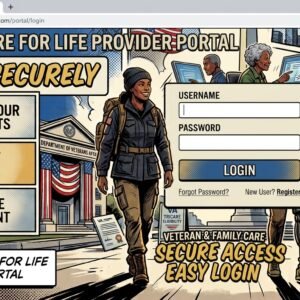
First and foremost, providers should begin by visiting the official Humana Military website. On the homepage, locate the designated log-in area, which is typically found at the top right corner of the screen. Here, you will need to enter your unique username and password. If you do not already have an account, there is an option to register. Registration requires important details such as your NPI number and tax identification information, so be prepared with this information at hand.
Once logged in, the MyAuth dashboard is generally the first screen you will encounter. Providers may notice various options related to patient authorizations, claims status, and resource documents. To access patient authorizations, look for a tab labeled ‘Authorization’ or ‘MyAuth’ in the main navigation menu. After selecting the appropriate option, you will be directed to a page where you can initiate new authorization requests or check the status of existing ones.
Throughout the process, it is advisable to utilize the helpful visual aids provided on the portal. These icons and banners can guide you in navigating from one step to another, ensuring a smoother experience. If, during your usage of the MyAuth system, you encounter any uncertainties, the ‘Help’ section is equipped with FAQs and contact information for technical support.
In conclusion, understanding the layout and functionalities of the MyAuth system is essential for efficient operations. By following the steps outlined above and leveraging the available resources, healthcare providers can ensure that they successfully manage their authorizations and provide optimal care to their patients.
Common Mistakes to Avoid When Using the New Portal
The transition to the new Humana Military Provider Portal in 2026 has brought about significant improvements in user experience, but it has not been without its challenges. Providers are encouraged to familiarize themselves with the portal’s functionalities to avoid common pitfalls that can lead to service disruptions and claim submission issues. One frequent mistake is the improper use of the portal’s authentication procedures. Providers must ensure that they access the portal using the correct login credentials, as multiple failed attempts can lock accounts. To avoid this, it is advisable to reset passwords regularly and utilize the two-factor authentication feature to enhance security.
Another common error involves not updating provider information promptly. When a clinician changes their practice address or contact details, failing to reflect these changes in the portal can lead to confusion and miscommunication. Providers should periodically review and update their profiles to ensure accurate information is available to both patients and insurance representatives. Additionally, adhering to submission guidelines is crucial; incomplete or incorrectly formatted claims can result in claim denials. Providers should take the time to understand the required documentation needed for successful claim submissions and familiarize themselves with the template provided on the portal.
Moreover, a lack of training on the new features of the portal can hinder effective usage. It is recommended that providers attend training sessions or review available online tutorials to enhance their understanding of the functionalities and capabilities of the new system. Taking proactive steps to avoid these common mistakes can significantly improve the user experience and ensure timely claim processing, ultimately benefiting patient care and practice operations.
Tips for Submitting 2026 Claims Effectively
As healthcare providers navigate the evolving landscape of the Humana Military Provider Portal in 2026, submitting claims with precision is critical to ensuring timely processing and reimbursement. The following best practices serve as essential guidelines for effectively managing claims with dates of service in 2026.
First and foremost, it is vital to ensure that all documentation required for claims submission is complete and accurate. This includes patient information, procedure codes, diagnosis codes, and any supporting documentation related to the services rendered. Healthcare providers should familiarize themselves with the specific documentation requirements outlined by Humana Military, as improper or insufficient documentation can lead to delays or denials.
In addition to submitting accurate documentation, healthcare providers should also pay close attention to the filing methods available through the Humana Military Provider Portal. Providers are encouraged to utilize electronic claim submissions, which are generally preferred due to their efficiency and reduced likelihood of errors. Through the portal, providers can submit claims in real time, receive immediate confirmations, and access status updates on pending claims.
Timeliness is another critical factor in the claims submission process. Providers should establish clear timelines to ensure that claims are submitted promptly after services are rendered. Adhering to any stipulated deadlines will not only facilitate timely reimbursement but also reduce the likelihood of claims being held for additional information or resubmission.
Moreover, healthcare providers should stay informed about updates or changes in guidelines that may impact claims submission for 2026. Engaging in regular training sessions or webinars offered by Humana Military can help providers remain current on best practices and regulatory changes.
By following these best practices, healthcare providers can enhance the effectiveness of their claims submissions, leading to improved cash flow and a smoother operational process in 2026 and beyond.
Maximizing Practice Efficiency During the Transition
As healthcare providers navigate the changes brought on by the new Humana Military Provider Portal in 2026, maintaining practice efficiency is paramount. Amid these updates, it is crucial for providers to implement effective strategies that ensure patient care and administrative tasks continue without disruption. One effective method is to establish a structured workflow that incorporates the new portal’s functionalities alongside existing processes.
A practical first step is to thoroughly familiarize the staff with the updated features of the new portal. Regular training sessions can help empower the team to leverage the portal for administrative tasks such as scheduling, billing, and accessing patient records efficiently. By ensuring that every team member is competent and confident in using the new system, the practice can avoid time-consuming errors and streamline operations.
Moreover, it is advisable to prioritize communication with patients regarding changes that might affect their care. Keeping patients informed not only builds trust but also aids in managing their expectations during the transition period. Clear communication strategies such as email notifications or updates through your practice’s website can reinforce this effort.
Additionally, providers should consider creating a clear feedback loop where staff can discuss challenges encountered with the new portal. This collaborative approach not only encourages problem-solving but also helps in identifying best practices that can be shared across the team. If delays in claim processing occur, having a readily available plan to address patient concerns will further enhance practice efficiency.
Finally, while waiting for updates to the claims process, it may be beneficial to revisit existing workflows, optimizing them where possible. By continuously assessing and refining practice procedures, healthcare providers can better adapt to any transitional challenges posed by the new portal while maintaining high standards of patient care.
Resources and Support for Humana Military Providers
The transition to the new Humana Military Provider Portal in 2026 has introduced several changes designed to enhance the user experience for healthcare providers. To facilitate a smooth adaptation to these updates, Humana Military offers a comprehensive range of resources and support options for its providers. These tools are critical in ensuring that practitioners can efficiently navigate the MyAuth system.
One of the primary resources available is the dedicated Humana Military Provider Portal website. This platform contains a wealth of information, including detailed user guides, FAQs, and instructional videos that address common issues and questions regarding the new system. The portal is regularly updated to reflect any modifications or enhancements made to the MyAuth system, providing healthcare providers with the most current information.
In addition to online resources, Humana Military offers direct support through customer service representatives. Providers can reach out via a dedicated helpline where trained professionals are ready to assist with technical difficulties, credentialing issues, or general inquiries about the Humana Military Provider Portal. This personalized support is invaluable, especially during the initial adaptation phase to the new platform.
Healthcare providers may also benefit from attending live webinars and training sessions hosted by Humana Military. These sessions are designed to equip providers with essential knowledge about the functionalities of the MyAuth platform and best practices for utilizing its features efficiently. The webinars encourage a collaborative learning environment, allowing providers to engage directly with experts and peers sharing similar experiences.
Furthermore, providers should keep an eye on network updates and communication from Humana Military regarding changes that may affect their practice operations. Staying informed will help ensure that providers can leverage the best practices and resources available to optimize their experience within the new system.
Conclusion and Key Takeaways
As healthcare providers adjust to the new Humana Military Provider Portal in 2026, it is essential to understand the salient points that will facilitate a smoother transition. The recent updates to the portal emphasize the importance of timely and relevant information, enabling providers to offer better services to their patients. Regularly checking for new updates is crucial, as the healthcare landscape continually evolves, affecting the operations within the portal.
Proactive adaptation is necessary for providers to maximize the functionalities of the Humana Military Provider Portal. Familiarity with the updated features will not only improve efficiency but will also enhance the quality of care delivered to patients. Engaging in ongoing training programs and utilizing the resources provided by Humana can support healthcare providers in mastering the new system and addressing any potential concerns that may arise.
In addition to utilizing updated resources and training, healthcare providers should establish clear communication channels with patients regarding any changes that may affect their care. Being transparent about the shift to the new portal and how it enhances service delivery can foster trust and improve the overall patient experience. Adapting to the new Humana Military Provider Portal will likely involve challenges, but by staying engaged and informed, healthcare providers can navigate these obstacles effectively.
In summary, the transition to the Humana Military Provider Portal requires a commitment to staying informed, proactive adaptation to new features, and dedication to improving patient services. These key takeaways will equip healthcare providers with the necessary tools to succeed in an evolving healthcare environment, ultimately leading to enhanced patient care and satisfaction.
🇺🇸 IMPORTANT DISCLAIMER – Veterans Benefits Information
This site provides general information about U.S. Department of Veterans Affairs (VA) benefits for educational and informational purposes only.
- Not Official: We are NOT affiliated with, endorsed by, or connected to the U.S. Department of Veterans Affairs (VA), the Veterans Benefits Administration (VBA), the Veterans Health Administration (VHA), or any other government agency.
- No Legal/Financial Advice: The content on this website is for informational purposes only and does not constitute legal, financial, or medical advice. VA benefits rules change frequently – always consult with an accredited Veterans Service Officer (VSO) or a qualified professional for your specific situation.
- Official Sources: For official, binding information and to apply for benefits, always visit official .gov websites: VA.gov, Benefits.VA.gov, or SSA.gov.
- No Data Collection: This site does not collect, store, or process any personal information. It does not have login forms, contact forms, or any system to capture user data. We never ask for your Social Security Number, bank details, or any personal information.
- 🚨 Scam Alert: The VA and other government agencies never charge fees for benefit applications. If anyone asks for money to "process" your VA claim, it is a scam. Report it to the VA Office of Inspector General at VA.gov/OIG.
- Advertising: This site uses third-party advertising (Adsterra) to cover operational costs. We do not endorse or guarantee any products or services advertised.
📌 Information provided as of June 2026. Always verify current eligibility and rules with official .gov sources.
This site is not affiliated with the U.S. Department of Veterans Affairs or any government agency. All information is for educational purposes only. Please visit VA.gov for official information.
