

Understanding VA Disability Lawyers
VA disability lawyers play an essential role in assisting veterans through the often complicated process of disability claims and appeals with the Department of Veterans Affairs (VA). These legal professionals are typically knowledgeable about the various regulations and policies that govern VA benefits, enabling them to provide invaluable support to veterans who may otherwise find it challenging to navigate the system on their own.
To practice as a VA disability lawyer, one must possess specific qualifications. Primarily, they should hold a law degree from an accredited institution and be licensed to practice law within their respective state. Additionally, VA disability lawyers must acquire accreditation from the Department of Veterans Affairs, which requires them to demonstrate the requisite knowledge and understanding of VA regulations. This accreditation not only establishes the credibility of the lawyer but also confirms their dedication to representing veterans and helping them secure the benefits they deserve.

The primary responsibilities of VA disability lawyers include aiding clients in gathering necessary documentation, ensuring that all forms are correctly filled out and submitted, and providing representation in hearings or appeals if a claim is denied. Their expertise is particularly beneficial during the appeals process, which can often be long and arduous. With a VA disability lawyer at their side, veterans can feel more confident in their case, as these lawyers understand the specific types of medical evidence and arguments that are compelling in the eyes of the VA.

Moreover, the importance of having a qualified VA disability lawyer cannot be overstated, given the complexities involved in VA claims. The process can be daunting, and many veterans may feel overwhelmed by the sheer amount of paperwork and legal jargon. A lawyer’s guidance can make a significant difference, helping to demystify the process and increase the chances of a successful claim. Thus, understanding the role and qualifications of VA disability lawyers is vital for veterans seeking assistance in this crucial area.
Why You Might Need a VA Disability Lawyer
When navigating the complex landscape of Veterans Affairs (VA) disability claims, many veterans may benefit from hiring a VA disability lawyer. One of the primary advantages of enlisting legal expertise is the lawyer’s familiarity with the intricate regulations and procedures established by the VA. This knowledge can prove invaluable in ensuring that claims are filed correctly and efficiently.
A VA disability attorney brings a strategic approach to the table, possessing the skills to construct well-founded claims that maximize a veteran’s chances of a favorable outcome. These lawyers understand how to present evidence effectively, which is often vital in combating the common challenges that veterans face when pursuing claims. For instance, the VA’s requirements for proof and documentation can be stringent, and a lawyer can help navigate these expectations, ensuring that all necessary information is submitted accurately.
Common obstacles veterans encounter include lengthy processing times, denials, and inadequate assessments of their conditions. A knowledgeable VA disability lawyer can guide applicants through these hurdles by providing support and significant insights. They can advise on appealing a denial or gathering additional medical evidence to strengthen a case. Moreover, having legal representation demonstrates to the VA that a veteran is serious about their claim and prepared to advocate for their rights.
Veterans May Qualify for Extra Benefits
Check available financial assistance, healthcare programs and other opportunities that may apply to you.
Check EligibilityFurthermore, these attorneys are well-versed in the potential financial implications of a successful claim, which can provide motivation for veterans to pursue their entitlements. Many VA disability lawyers work on a contingency basis, meaning they only get paid if the veteran receives their benefits. This arrangement can alleviate concerns about upfront costs, making it easier for veterans to access necessary legal support.
Ultimately, the benefits of hiring a VA disability lawyer are significant, as they possess both the expertise and commitment to assist veterans in overcoming the numerous challenges that arise during the claims process.
How to Find a VA Disability Lawyer Near You
Locating a qualified VA disability lawyer in your vicinity is a critical step in navigating the complexities of the Department of Veterans Affairs (VA) claims process. A well-informed selection of a lawyer can significantly influence the outcome of your disability claim. This guide will provide a step-by-step approach using the VA’s online accreditation search tool, ensuring you identify the right legal representative.
First, visit the VA’s official website, where you can access the online accreditation search tool. This resource allows you to search for VA-accredited legal professionals by entering relevant information. Begin by inputting your location details. You can refine your search by specifying the type of services you require, such as assistance with VA disability claims.
Once you have entered your information, review the list of accredited lawyers and agents. It is important to assess each profile carefully, as this will provide insights into their qualifications and experience. Look for key indicators such as the number of years they have been practicing, their involvement with veteran services, and any peer-reviewed ratings or testimonials. A seasoned VA disability lawyer should demonstrate a strong understanding of VA regulations and provide evidence of past successful claims.
Moreover, check for their membership in relevant legal associations, such as the National Organization of Veterans’ Advocates (NOVA), which can signify a commitment to ongoing education and high standards in representation. When comparing different profiles, consider their specialization, as some lawyers may focus more on certain disabilities or aspects of the claims process.
Once you narrow down your choices, it’s advisable to schedule consultations with a few selected lawyers. This interaction will help you gauge their communication style, dedication to your case, and overall compatibility. By following these guidelines, you can find a competent VA disability lawyer who will advocate for your rights effectively.
Contingency Fee Structure Explained
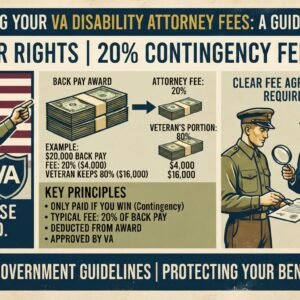
When seeking the services of a VA disability lawyer, understanding the contingency fee arrangement is crucial. This fee structure is widely used in legal cases, particularly in situations where claimants may be hesitant to pay upfront costs. Under a contingency fee arrangement, the lawyer’s fees are contingent upon successfully winning the case. This means you do not pay unless your claim is approved and compensation is awarded.
Typically, the lawyer will take a percentage of the awarded benefits or settlement, which usually ranges from 20% to 33% of the total amount. For VA disability claims, this percentage is often capped at 20% of the back pay awarded. It’s important to note that this arrangement incentivizes the lawyer to work diligently on your case, as their payment directly correlates to the outcome. Therefore, if your lawyer is successful in securing the benefits you deserve, they will receive their agreed-upon percentage from that compensation.
In addition to the percentage fee, it’s essential to inquire about any additional costs that might arise during the legal process. While the primary fee is contingent, there could be other expenses such as filing fees, costs for obtaining medical records, or charges related to expert witnesses. A reputable lawyer will inform you of any potential costs upfront, ensuring you have a clear understanding of the financial aspects involved. This transparency is crucial for avoiding unexpected expenses later in the process.
Ultimately, understanding the contingency fee structure helps set the right expectations. Before you proceed, ensure that you thoroughly review and discuss the payment terms with your chosen VA disability lawyer to avoid any miscommunication and to facilitate a smoother claim process.
Evaluating Your Options: Choosing the Right Lawyer
Choosing the right VA disability lawyer is an essential step for veterans seeking representation. An informed decision can significantly impact the outcome of disability claims. Therefore, evaluating various lawyers based on relevant factors is crucial.
First, consider the experience of each lawyer. A seasoned attorney specializing in VA disability law will have a deeper understanding of the nuances within the system. It is advisable to check how long they have been practicing, particularly in cases similar to yours, and whether they have experience with the VA appeals process. This expertise can often be the difference between a successful claim and a denied one.
Next, look into their success rates. A lawyer’s ability to win cases is a testament to their skills and effectiveness. Request information on their past cases, focusing on those that align closely with your situation. A high success rate indicates not only competence but also a thorough understanding of the legal criteria needed to secure benefits for veterans.
Communication style is another crucial factor. The right lawyer should prioritize open and transparent communication. Schedule initial consultations to gauge how comfortable you feel discussing your case with them. A lawyer who listens, understands your concerns, and explains complex legal terms clearly can make the process much less daunting.
Lastly, consider client reviews and testimonials. Feedback from previous clients can provide valuable insights into the lawyer’s professionalism, responsiveness, and overall effectiveness. Many law firms have online reviews that can be helpful, but seeking personal testimonials from fellow veterans can provide more authentic insights.
In conclusion, evaluating VA disability lawyers based on their experience, success rates, communication style, and client reviews can empower veterans to make informed choices about their legal representation. Taking the time to assess your options thoroughly will ultimately enhance the chances of a favorable outcome in your case.
Initial Consultation: What to Expect
When seeking assistance from a VA disability lawyer, the initial consultation is a critical step in determining whether the attorney is the right choice to represent your case. This meeting serves as an opportunity for both the lawyer and the client to assess the fit between their needs and the lawyer’s expertise. Generally, the initial consultation can be conducted in person, over the phone, or virtually.
During this meeting, the lawyer will typically start by reviewing the details of your disability claim. It’s important to have relevant documents ready, including medical records, service records, and any prior correspondence with the Department of Veterans Affairs. This information is essential in enabling the lawyer to understand the complexities of your case and to provide informed legal guidance.
Additionally, the attorney may discuss their experience handling similar cases. This discussion could include their success rates, strategies they employ, and any specific challenges they foresee with your claim. Understanding their approach can give you insight into how they might handle your case over the long term.
Another crucial aspect of the initial consultation is establishing expectations regarding fees and costs associated with legal representation. It’s common for VA disability lawyers to work on a contingency fee basis, meaning they only get paid if you win your claim. During the meeting, be sure to clarify their fee structure and any potential additional costs that may arise during the legal process.
Moreover, use this opportunity to evaluate how comfortable you feel with the lawyer. Trust and communication are fundamental elements of a successful attorney-client relationship. Observing how the lawyer answers your questions and their willingness to engage in a dialogue can be telling signs of their commitment to your case.
In conclusion, the initial consultation with a VA disability lawyer is a significant step in navigating the claims process. By preparing relevant documents, discussing the lawyer’s experience, understanding fee structures, and assessing compatibility, you will be better positioned to make an informed decision about your legal representation.
Understanding the Disability Claims Process
The Veterans Affairs (VA) disability claims process can be intricate, often bewildering for veterans navigating the legal and procedural landscape on their own. It is vital to break this process down into manageable steps, enabling veterans to understand how a VA disability lawyer can assist at various stages.
Initially, the process begins with the preparation of a claim, where veterans are required to gather relevant medical records, service documentation, and other supporting evidence substantiating their disability. At this stage, a VA disability attorney can provide invaluable assistance by helping veterans organize their documentation, ensuring that all necessary evidence is included to strengthen their claim. Proper preparation can significantly influence the outcome of the initial claim.
Once the claim is submitted, the VA reviews the application, which can take several months. During this period, a VA disability lawyer can monitor the status of the claim, addressing any issues or requests for additional information. Delays are common in this phase, and an attorney can help manage expectations and provide updates to the veteran, helping to alleviate some of the uncertainties associated with waiting.
In the event that a claim is denied, veterans have the right to appeal. This is where having a knowledgeable attorney becomes essential. An experienced VA disability lawyer will guide veterans through the appeals process, which often includes submitting additional evidence, preparing for hearings, and ensuring that all procedural requirements are met. The timeline for appeals can vary significantly, and lawyers can help veterans navigate this complex landscape while advocating for their best interests.
Finally, the entire claims and appeals journey may take months or even years to reach a resolution. Therefore, veterans should prepare for this extended commitment, understanding that professional assistance can significantly enhance their chances of a successful outcome. By addressing each step of the claims process, lawyers can provide the support veterans need to navigate the often overwhelming challenges they face.
Common Misconceptions About VA Disability Lawyers
When seeking VA disability benefits, many veterans hesitate to hire a lawyer due to prevalent misconceptions surrounding their necessity and cost. One of the most common myths is that hiring a VA disability lawyer is prohibitively expensive. In reality, many lawyers specializing in VA disability claims operate on a contingency fee basis, meaning they only charge if the claim is successful. This approach alleviates the financial burden on veterans, allowing them to access quality legal representation without the fear of upfront costs.
Another misunderstanding is that legal representation is unnecessary for navigating the VA claims process. Some veterans assume that they can independently manage their claims, but this outlook can often lead to complications or denials. VA disability lawyers are well-versed in the intricacies of the claims process and can help identify relevant evidence, ensure all forms are properly completed, and advocate effectively for their clients. Their expertise can often pave the way to quicker resolutions and successful outcomes.
Additionally, some veterans believe that lawyers will only complicate the process with unnecessary legal procedures. On the contrary, VA disability lawyers aim to streamline the process for their clients. Their knowledge of the law and familiarity with VA procedures allow them to navigate potentially confusing aspects of the claims process. With a lawyer’s guidance, veterans can feel more confident in their claim submissions. Furthermore, these legal professionals are equipped to handle appeals, should a claim be denied, ensuring that veterans have adequate representation throughout every phase of their claim.
Dispelling these myths is crucial for veterans who may benefit from legal assistance. Understanding the true role of VA disability lawyers can empower veterans to seek the support they need, ultimately enhancing their chances of receiving the benefits they rightfully deserve.
Resources for Veterans Seeking Legal Help
Veterans seeking assistance with disability claims may find it beneficial to utilize a variety of resources and organizations dedicated to supporting their legal needs. These resources can offer vital information and guidance in navigating the complexities of Veterans Affairs (VA) disability claims. Below is a list of valuable tools that veterans can leverage to procure legal help within their locality.
One of the foremost places veterans can begin their search is with state bar associations. Each state’s bar association usually provides a lawyer referral service. This enables veterans to connect with attorneys who specialize in VA disability law and other relevant areas. Additionally, these organizations often have resources available for veterans, including informational materials on legal rights and processes. Checking the bar association’s website or contacting them directly can lead to useful recommendations.
Another significant resource is veteran service organizations (VSOs). Organizations such as the American Legion, the Veterans of Foreign Wars (VFW), and Disabled American Veterans (DAV) often have trained advocates who can assist veterans with the claims process. They may also provide referrals to lawyers who have experience in VA law, ensuring that veterans get knowledgeable assistance. Many of these organizations offer free consultations, making them an excellent initial stop for legal aid.
Online legal aid resources are also accessible for veterans needing assistance. Websites like Legal Services Corporation (LSC) provide information on low-cost or pro bono legal aid. Using these platforms, veterans can easily identify legal resources available in their area, promoting access to essential legal guidance without financial burden. It is important for veterans to explore these online directories, as many local legal aid offices focus on VA disability claims.
In conclusion, veterans have numerous resources at their disposal for locating legal help. By utilizing state bar associations, veteran service organizations, and online legal aid resources, veterans can better navigate their disability claims with the assistance they require.

🇺🇸 IMPORTANT DISCLAIMER – Veterans Benefits Information
This site provides general information about U.S. Department of Veterans Affairs (VA) benefits for educational and informational purposes only.
- Not Official: We are NOT affiliated with, endorsed by, or connected to the U.S. Department of Veterans Affairs (VA), the Veterans Benefits Administration (VBA), the Veterans Health Administration (VHA), or any other government agency.
- No Legal/Financial Advice: The content on this website is for informational purposes only and does not constitute legal, financial, or medical advice. VA benefits rules change frequently – always consult with an accredited Veterans Service Officer (VSO) or a qualified professional for your specific situation.
- Official Sources: For official, binding information and to apply for benefits, always visit official .gov websites: VA.gov, Benefits.VA.gov, or SSA.gov.
- No Data Collection: This site does not collect, store, or process any personal information. It does not have login forms, contact forms, or any system to capture user data. We never ask for your Social Security Number, bank details, or any personal information.
- 🚨 Scam Alert: The VA and other government agencies never charge fees for benefit applications. If anyone asks for money to "process" your VA claim, it is a scam. Report it to the VA Office of Inspector General at VA.gov/OIG.
- Advertising: This site uses third-party advertising (Adsterra) to cover operational costs. We do not endorse or guarantee any products or services advertised.
📌 Information provided as of June 2026. Always verify current eligibility and rules with official .gov sources.
This site is not affiliated with the U.S. Department of Veterans Affairs or any government agency. All information is for educational purposes only. Please visit VA.gov for official information.
