

Understanding VA Disability Ratings
Veterans Affairs (VA) disability ratings serve as a critical mechanism for determining the level of benefits that veterans are entitled to receive due to service-connected disabilities. These ratings are expressed as a percentage, with 100% representing total disability. The importance of achieving a 100% rating cannot be overstated, as it significantly maximizes the financial compensation and supportive services a veteran can access.
To qualify for a 100% disability rating, veterans must meet specific criteria set by the VA. The determination of a disability rating is based on the severity of the veteran’s condition, which may include both physical and mental health issues stemming from military service. The VA utilizes the Schedule for Rating Disabilities, which outlines the evaluation process for various health conditions. Veterans may receive ratings based on individual disabilities or a combination of multiple conditions, depending on the extent of their impairments.

Factors that influence the rating include the impact of the disability on daily life and the veteran’s ability to maintain gainful employment. For instance, if a veteran has a total disability that prevents them from working, they may qualify for the 100% rating based on unemployability even if their individual conditions do not collectively add up to that rating. Additionally, certain conditions are automatically considered for a 100% rating due to their severity, such as permanent and total disabilities.

The significance of achieving a 100% VA disability rating extends beyond monetary benefits. Veterans with this rating are entitled to a range of additional services, including healthcare coverage, vocational rehabilitation, and various housing programs. Furthermore, beneficiaries may also qualify for dependent benefits, which extend financial support to family members. As such, understanding the intricacies of VA disability ratings and the pathways to secure a 100% rating is vital for veterans seeking the benefits they rightfully deserve.
Monthly Compensation Overview
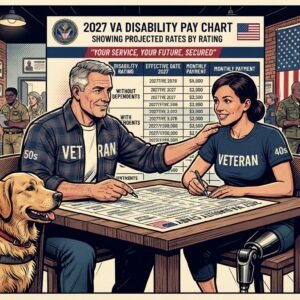
Veterans who have been granted a 100% disability rating in Virginia are entitled to significant monthly compensation, designed to provide financial stability as a recognition of their service and sacrifices. As of 2026, the monthly compensation for veterans with a 100% disability rating stands at approximately $3,600. This amount is tax-free, allowing veterans to retain the full benefit without worrying about income tax deductions. The tax-exempt status of these disability benefits is crucial, as it enhances the overall financial advantage for veterans and their families.
When comparing the compensation rates for a 100% disability rating to those of lower disability ratings, the difference becomes particularly evident. For example, veterans rated at 90% receive roughly $2,300 per month, while those rated at 50% receive approximately $1,200. This tiered structure vividly illustrates how veterans with higher disability ratings benefit from substantially increased monthly payments. Such financial support is vital, especially for veterans who may face challenges related to their disabilities that impact employment opportunities or necessitate additional medical care.
The financial implications of receiving 100% VA disability benefits go beyond mere monthly compensation. Veterans can also qualify for various ancillary benefits, such as access to free or reduced-cost healthcare services, additional allowances for dependent family members, and potential property tax exemptions. All of these factors serve to enhance the overall well-being of veterans and their families. Understanding the difference in compensation rates based on disability ratings is essential for veterans navigating the complexities of VA benefits, ensuring that they can maximize the support available to them.
State-Specific Benefits for Veterans in Virginia
Veterans May Qualify for Extra Benefits
Check available financial assistance, healthcare programs and other opportunities that may apply to you.
Check EligibilityVirginia offers a variety of unique benefits specifically designed for veterans holding a 100% disability rating. These state-specific advantages serve to provide additional support to those who have made significant sacrifices for their country. One of the most notable benefits is the property tax exemption available to veterans with a total and permanent disability. This exemption allows qualified veterans to reduce their financial burdens, enabling them to maintain home ownership without the added strain of property taxes.
In addition to the property tax exemption, veterans in Virginia can also benefit from free vehicle registration. This provision makes it easier for veterans and their families to access transportation, ensuring that they remain mobile and can engage with their communities. The state recognizes that mobility can be a critical factor in the quality of life for veterans, and free vehicle registration alleviates some financial pressure associated with vehicle ownership.
Furthermore, the Virginia Department of Veterans Services provides assistance with accessing various other benefits. These may include assistance in applying for federal VA benefits and local resources aimed at improving the overall well-being of disabled veterans. Virginia also has programs tailored to help veterans find suitable employment and transition effectively back into civilian life, ensuring their skills and experiences are recognized in the job market.
Overall, the state of Virginia demonstrates a commitment to supporting its veterans through these comprehensive benefits and resources. These initiatives are crafted to honor the service and sacrifices of veterans, offering them the stability and support they deserve while facilitating their integration into the community. The benefits available highlight Virginia’s recognition of the unique challenges faced by disabled veterans and the state’s continued efforts to address these challenges effectively.
Dependents’ Benefits under 100% VA Disability
Veterans who are rated as 100% disabled by the Department of Veterans Affairs (VA) are eligible for a range of significant benefits that extend to their dependents. These benefits are designed to support not only the veteran but also the family members who may be affected by the veteran’s service-related disabilities. Understanding these benefits can have a profound impact on the well-being of veterans’ families.
One of the primary benefits available to dependents is access to health care through the Civilian Health and Medical Program of the Department of Veterans Affairs (CHAMPVA). This program provides comprehensive medical coverage for eligible dependents of veterans who have a 100% disability rating. Under CHAMPVA, dependents can receive medical care, including inpatient and outpatient services, prescription medications, and mental health care. This service greatly alleviates the financial burden of medical expenses for families, ensuring they have access to necessary healthcare resources.
In addition to healthcare benefits, dependents of veterans classified with a 100% disability rating may also qualify for educational assistance through Chapter 35 of Title 38 of the United States Code. This program, officially known as the Dependents’ Educational Assistance (DEA) program, offers financial aid for tuition, fees, and other education-related costs for children and spouses of veterans who are permanently and totally disabled. The availability of these funds can greatly enhance educational opportunities for dependents, enabling them to pursue higher education and vocational training.
The overall impact of these benefits extends far beyond the immediate financial assistance they provide. They foster a supportive environment for veterans’ families, helping to mitigate potential challenges linked to the veterans’ disabilities. By addressing healthcare needs and educational aspirations, these benefits play a crucial role in improving the quality of life for families of veterans receiving a 100% disability rating.



🇺🇸 IMPORTANT DISCLAIMER – Veterans Benefits Information
This site provides general information about U.S. Department of Veterans Affairs (VA) benefits for educational and informational purposes only.
- Not Official: We are NOT affiliated with, endorsed by, or connected to the U.S. Department of Veterans Affairs (VA), the Veterans Benefits Administration (VBA), the Veterans Health Administration (VHA), or any other government agency.
- No Legal/Financial Advice: The content on this website is for informational purposes only and does not constitute legal, financial, or medical advice. VA benefits rules change frequently – always consult with an accredited Veterans Service Officer (VSO) or a qualified professional for your specific situation.
- Official Sources: For official, binding information and to apply for benefits, always visit official .gov websites: VA.gov, Benefits.VA.gov, or SSA.gov.
- No Data Collection: This site does not collect, store, or process any personal information. It does not have login forms, contact forms, or any system to capture user data. We never ask for your Social Security Number, bank details, or any personal information.
- 🚨 Scam Alert: The VA and other government agencies never charge fees for benefit applications. If anyone asks for money to "process" your VA claim, it is a scam. Report it to the VA Office of Inspector General at VA.gov/OIG.
- Advertising: This site uses third-party advertising (Adsterra) to cover operational costs. We do not endorse or guarantee any products or services advertised.
📌 Information provided as of June 2026. Always verify current eligibility and rules with official .gov sources.
This site is not affiliated with the U.S. Department of Veterans Affairs or any government agency. All information is for educational purposes only. Please visit VA.gov for official information.
