

Understanding 100% Disability Status in Veteran Affairs
A 100% permanent and total disability rating from the Department of Veterans Affairs (VA) denotes a severe impairment in a veteran’s ability to engage in substantial gainful employment due to service-connected disabilities. This status is granted when the veteran’s physical or mental condition is deemed fully debilitating and is not expected to improve significantly over time. The VA employs a rigorous evaluation process to ascertain eligibility, considering both the nature of the disability and its profound impact on all facets of the veteran’s daily life.
The assessment for obtaining a 100% disability rating typically involves an extensive review of medical records, service history, and specific diagnostic criteria established by the VA. Conditions that may qualify for this rating can include severe post-traumatic stress disorder (PTSD), traumatic brain injuries, significant orthopedic issues, and other chronic conditions that severely constrain functional capabilities. Moreover, veterans with multiple service-connected impairments may also achieve this rating, as the cumulative effect of various disabilities is taken into account.

Receiving a 100% disability status not only signifies that a veteran can no longer sustain work but also unlocks a multitude of benefits aimed at alleviating the resultant impact on their lives. These benefits extend to dependents, granting them eligibility for resources such as educational assistance, health care, and financial support. Specifically, dependents can access programs that facilitate their education and vocational training, fostering independence and well-being. Overall, understanding the implications of a 100% disability rating is crucial, as it influences not just the veteran but also their family, highlighting the importance of navigating this status with a clear understanding of available resources and support systems.
Educational Benefits for Dependents

Dependents of 100% disabled veterans are entitled to a range of educational benefits that facilitate access to higher education and vocational training. One of the primary programs available is the Post-9/11 GI Bill, which not only supports tuition and fees but also provides a monthly housing allowance, a stipend for books, and supplies. This program is particularly beneficial for those seeking to pursue college degrees, vocational training, or non-college degree programs.
Furthermore, dependents can leverage the Transfer of Benefits option, allowing eligible veterans to transfer unused educational benefits to their children or spouses. This flexibility ensures that families can maximize educational opportunities tailored to individual needs. For instance, if a veteran has accrued benefits but does not intend to use them, transferring these benefits can significantly impact a dependent’s educational aspirations.
Another vital option available is the Montgomery GI Bill. This program is aimed at veterans who have served in both active duty and selected reserve. Eligible dependents can also access educational assistance under this bill, contributing to their pursuit of higher education and fostering career development. Additionally, alternative educational initiatives across various states and non-profit organizations can supplement these federal programs, providing scholarships and grants specifically for dependents of veterans.
Scholarship opportunities abound for dependents of disabled veterans through various institutions and organizations committed to supporting military families. Typically, these scholarships can help bridge the financial gaps in education-related expenses, enhancing the capability of dependents to pursue their academic goals. Thus, with a range of benefits linked to the Post-9/11 GI Bill, the Montgomery GI Bill, and support from external initiatives, dependents of 100% disabled veterans are well-equipped to access quality education and training pathways, ultimately leading to better future prospects.
Healthcare Benefits and Support Services
Veterans May Qualify for Extra Benefits
Check available financial assistance, healthcare programs and other opportunities that may apply to you.
Check EligibilityDependents of 100% disabled veterans are entitled to a range of vital healthcare benefits and support services designed to address their unique needs. One of the principal programs available to these dependents is the Civilian Health and Medical Program of the Department of Veterans Affairs (CHAMPVA). This program provides comprehensive health care coverage, which includes necessary medical services, hospital care, outpatient care, and preventive services. To enroll in CHAMPVA, dependents must fill out an application form and submit it to the Department of Veterans Affairs (VA) along with required documentation, such as proof of relationship to the veteran and the veteran’s disability rating.
In addition to the CHAMPVA, dependents also have access to a wide array of mental health services and counseling, which is essential for maintaining overall well-being. Mental health challenges can arise due to the complexities of living as a dependent of a disabled veteran, and access to support networks and mental health professionals can significantly aid in coping strategies. The VA offers counseling and support services specifically tailored to dependents, including individual therapy, group therapy sessions, and resources for stress management and resilience building.
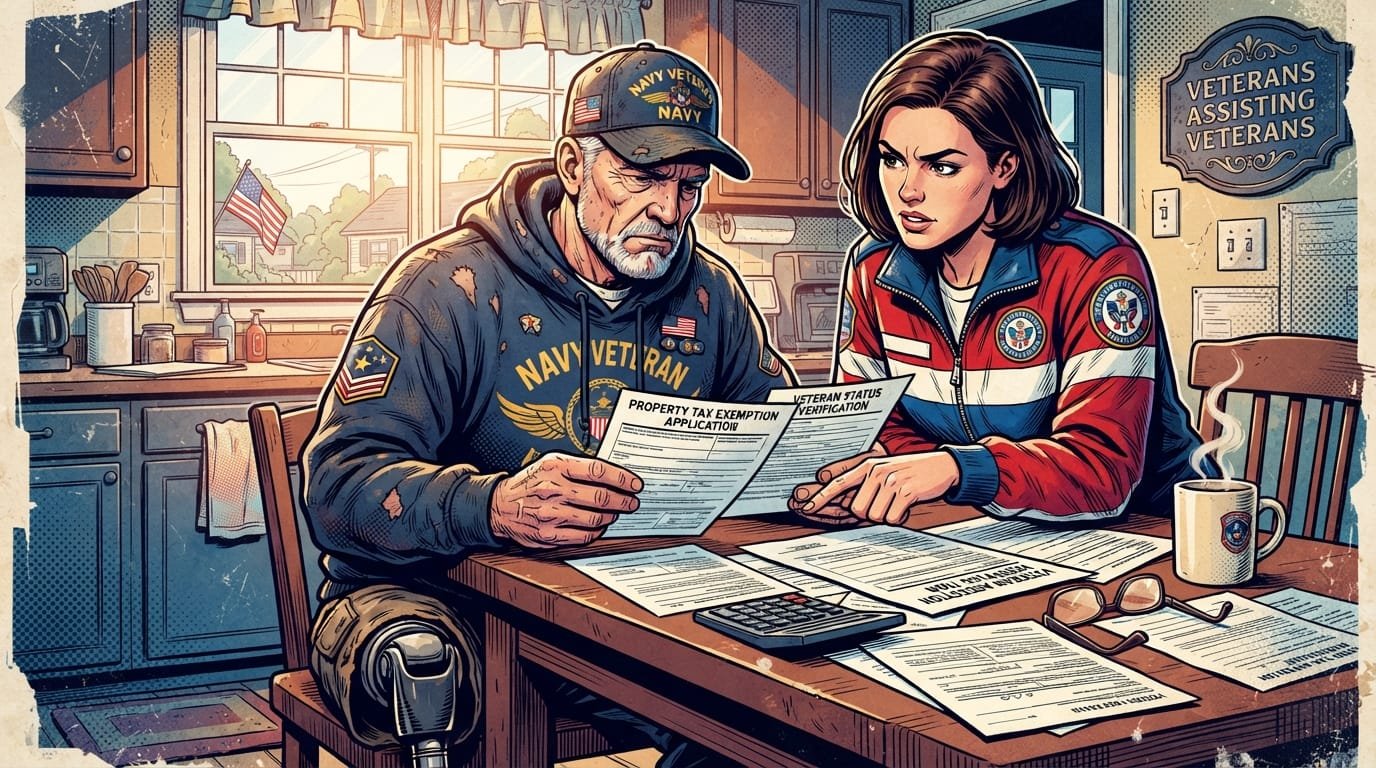
Navigating healthcare options can be complex, but various resources are available to assist dependents of 100% disabled veterans. The VA’s official website provides guidance, tools, and links to relevant services. There are also local veteran service organizations that can offer assistance in understanding benefits, filling out applications, and locating necessary medical facilities or support services in the community. It is crucial for dependents to stay informed and utilize these available resources to ensure they receive the healthcare benefits they deserve.
Financial Assistance and Disability Compensation for Dependents
The financial landscape for dependents of 100% disabled veterans is markedly influenced by several forms of assistance available through the government. One of the primary benefits is the Dependency and Indemnity Compensation (DIC), which is designed to provide financial aid to surviving spouses and children of veterans who have passed away from service-related injuries or disabilities. This financial assistance can be crucial in helping families maintain their livelihood in difficult times.
In order to qualify for DIC, dependents must meet specific eligibility criteria, which typically include the veteran’s service record and the nature of the disability. A clear understanding of these requirements is vital for families to ensure they receive the support they are entitled to. It is advisable for dependents to gather all relevant documents, including proof of relationship and military service records, before initiating their application process. Potential applicants can work with accredited representatives or organizations to navigate the complexities of the system more effectively.
In addition to DIC, there are other financial aid programs available at both local and federal levels, which can significantly enhance the economic well-being of veterans’ dependents. Programs may include educational benefits, housing assistance, and medical care support. The impact of such financial assistance extends beyond mere monetary support; it can positively influence the overall quality of life for families coping with the effects of a veteran’s disability. Local veterans organizations, community resources, and state agencies often play a pivotal role in providing information and assistance, making them valuable partners in facilitating the process of applying for available benefits.
Ultimately, understanding and accessing these resources can lead to enhanced stability and support for dependents of 100% disabled veterans, fostering a more secure environment for them as they navigate life in the wake of disability.

🇺🇸 IMPORTANT DISCLAIMER – Veterans Benefits Information
This site provides general information about U.S. Department of Veterans Affairs (VA) benefits for educational and informational purposes only.
- Not Official: We are NOT affiliated with, endorsed by, or connected to the U.S. Department of Veterans Affairs (VA), the Veterans Benefits Administration (VBA), the Veterans Health Administration (VHA), or any other government agency.
- No Legal/Financial Advice: The content on this website is for informational purposes only and does not constitute legal, financial, or medical advice. VA benefits rules change frequently – always consult with an accredited Veterans Service Officer (VSO) or a qualified professional for your specific situation.
- Official Sources: For official, binding information and to apply for benefits, always visit official .gov websites: VA.gov, Benefits.VA.gov, or SSA.gov.
- No Data Collection: This site does not collect, store, or process any personal information. It does not have login forms, contact forms, or any system to capture user data. We never ask for your Social Security Number, bank details, or any personal information.
- 🚨 Scam Alert: The VA and other government agencies never charge fees for benefit applications. If anyone asks for money to "process" your VA claim, it is a scam. Report it to the VA Office of Inspector General at VA.gov/OIG.
- Advertising: This site uses third-party advertising (Adsterra) to cover operational costs. We do not endorse or guarantee any products or services advertised.
📌 Information provided as of June 2026. Always verify current eligibility and rules with official .gov sources.
This site is not affiliated with the U.S. Department of Veterans Affairs or any government agency. All information is for educational purposes only. Please visit VA.gov for official information.
