

Understanding VA Home Loans
VA home loans are a crucial benefit provided by the United States Department of Veterans Affairs to assist eligible veterans, active-duty service members, and certain members of the National Guard and Reserves in purchasing homes. The primary aim of these loans is to offer a pathway to homeownership for individuals who have served in or are currently serving in the armed forces. VA loans are designed to make the process of obtaining a mortgage simpler and more accessible, with several unique advantages compared to conventional loans.
One of the standout features of VA home loans is the absence of a down payment requirement, which is often a major barrier to homeownership for many buyers. This benefit not only lowers the initial financial burden but also allows veterans and active-duty personnel to allocate their funds towards other necessary expenses. Additionally, VA loans typically offer competitive interest rates; they are generally lower than those of conventional loans due to the backing by the VA, which reduces the lender’s risk.

Eligibility for VA loans is determined by a variety of factors, including length of service, discharge status, and specific conditions set forth by the VA. To qualify, the individual must obtain a Certificate of Eligibility, which confirms their eligibility for the program. Importantly, VA loans are accessible to both first-time homebuyers and those who may have previously utilized the benefit. Unlike conventional loans, VA loans do not require private mortgage insurance (PMI), which can further reduce monthly payments and make housing more affordable.

In summary, VA home loans provide a vital avenue for veterans and active-duty service members to achieve homeownership. By offering unique benefits such as no down payment, competitive interest rates, and no PMI, these loans distinguish themselves from conventional financing options. Understanding the terms and conditions of VA loans is crucial for individuals considering this beneficial program.
Current Interest Rates for VA Home Loans in Arkansas
As of August 2026, the interest rates for VA home loans in Arkansas are notably competitive, particularly in comparison to conventional mortgage rates. In this period, the average rate for a 30-year fixed VA home loan hovers around 3.5%. This can be contrasted with the average conventional mortgage rate, which stands at approximately 4.2%. The difference of 0.7% may seem marginal, but over the life of a loan, it can lead to significant savings for borrowers.
Several factors influence these prevailing interest rates. Firstly, the overall health of the economy plays a crucial role; when economic growth is strong, interest rates may rise. Conversely, during periods of economic uncertainty or recession, rates tend to decline to stimulate borrowing and investment. The Federal Reserve’s monetary policy decisions also directly affect interest rates, as they set the benchmark for lending rates across the financial system.
Additionally, individual borrower circumstances can impact the rates offered. Factors such as credit score, down payment size, and debt-to-income ratio will be considered by lenders when determining the rate applicable to a specific VA loan application. Borrowers with higher credit scores typically secure lower interest rates, while those with lower scores may be subject to higher rates.
Veterans May Qualify for Extra Benefits
Check available financial assistance, healthcare programs and other opportunities that may apply to you.
Check EligibilityLastly, it is important for potential VA home loan applicants to stay informed about changes in interest rates and market conditions. Borrowers are encouraged to shop around, as different lenders may offer varied rates and terms that can further affect the overall cost of home financing. Staying educated about these current interest rates and market trends will help Arkansas residents make informed decisions in their home-buying journeys.
Advantages of VA Home Loans in Arkansas
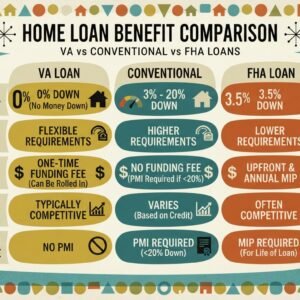
VA home loans offer several significant benefits that make them an appealing option for veterans in Arkansas. One of the most notable advantages is the absence of a down payment. This feature enables qualifying veterans to purchase a home without needing to save a substantial amount of money upfront. In contrast to conventional loans, where a down payment can often range from 3% to 20%, VA loans eliminate this barrier, thereby making home ownership more accessible.
Another key benefit of VA home loans is the lack of private mortgage insurance (PMI). Homebuyers using conventional financing are usually required to pay for PMI if their down payment is less than 20%. This additional cost can significantly increase the monthly payment, presenting a challenge for many potential homeowners. However, with a VA loan, veterans are exempt from this requirement, allowing them to allocate their finances towards more critical aspects of home ownership, such as maintenance and upkeep.
Additionally, VA home loans typically come with lower interest rates than their conventional counterparts. This means that not only do veterans benefit from a no down payment and no PMI but they also enjoy lower monthly mortgage payments over the life of the loan. These favorable interest rates can result in substantial savings, ultimately making home ownership more affordable for those who have served in the military.
In Arkansas, these advantages are particularly significant as they address some of the financial challenges faced by veterans. Given the competitive housing market, VA home loans present an opportunity for veterans to secure financing in a way that is beneficial and supportive of their goals. Consequently, the attractive benefits associated with VA loans make them a recommended option for veterans looking to buy a home in Arkansas.
Factors Influencing VA Loan Interest Rates
When considering VA home loans, it is crucial to understand the various factors that influence interest rates. Unlike conventional loans, VA loans are backed by the government, which can often lead to more favorable terms. However, several elements still play a significant role in determining the final interest rate offered to borrowers.
One of the primary factors is the lender’s policies. Different lenders may have varying risk assessments and pricing structures, which can result in different interest rates for VA loans. Some lenders may offer competitive rates to attract more veterans, while others may have stricter lending criteria. Borrowers must shop around and compare multiple lenders to find the most favorable interest rates available.
Another critical aspect is the financial profile of the borrower. Lenders assess the borrower’s income, debt-to-income ratio, and overall financial stability when determining interest rates. A borrower with a stable income and lower debt levels may secure a better interest rate than someone with higher debts. Additionally, the borrower’s credit score plays a vital role in influencing the interest rates. Lenders typically view individuals with higher credit scores as lower-risk borrowers, translating into better interest rates.
Market conditions also significantly affect VA loan interest rates. Economic indicators such as inflation, employment rates, and the overall health of the housing market can lead to fluctuations in rates. For instance, when the economy is robust and demand for housing rises, interest rates generally increase as well. Conversely, during economic downturns, rates may drop, making it an ideal time for veterans to consider refinancing or obtaining a VA loan.
In summary, understanding the factors influencing VA loan interest rates is essential for potential borrowers to make informed decisions. By evaluating lender policies, personal financial profiles, and prevailing market conditions, veterans can better navigate the home loan process and potentially secure more favorable interest rates.
Comparing VA Loans with Conventional Mortgages
When evaluating home financing options, understanding the differences between VA loans and conventional mortgages is crucial. One of the primary distinctions lies in the interest rates. VA loans, backed by the Department of Veterans Affairs, often feature lower interest rates compared to conventional loans. This benefit is particularly advantageous for eligible veterans and active-duty service members, as it can lead to significant savings over the life of the loan.
Another pivotal aspect to consider is the requirement for down payments. Conventional mortgages typically necessitate a down payment of 5% to 20%, which can pose a barrier for many first-time homebuyers. Conversely, VA loans offer the potential for 0% down payment, making them an attractive option for those who qualify. This feature not only enhances accessibility but also reduces the upfront financial burden on borrowers, promoting homeownership among veterans.
Private Mortgage Insurance (PMI) is another crucial factor in comparing these loan types. Conventional loans often require PMI when the down payment is less than 20%, which results in added monthly expenses. In contrast, VA loans do not require PMI, significantly lowering monthly payments for borrowers. This absence of PMI, paired with lower interest rates, enhances the overall affordability of VA loans, allowing veterans to allocate more funds toward other important expenditures, such as home maintenance or education.
In conclusion, the distinctive features of VA loans—lower interest rates, the absence of down payment and PMI requirements—make them a compelling choice for veterans compared to conventional mortgages. Assessing these factors is essential for prospective homeowners navigating their financing options, as they can ultimately influence long-term financial stability and ownership satisfaction.
How to Apply for a VA Home Loan in Arkansas
Applying for a VA home loan in Arkansas can be a systematic and straightforward process, provided that applicants are well-informed about the necessary steps and documentation required. The first step in the application process is to establish eligibility. Veterans, active-duty service members, and certain members of the National Guard and Reserves are eligible to apply for VA loans. To ascertain eligibility, it is essential to procure the Certificate of Eligibility (COE), which can be obtained through the VA’s eBenefits website or by submitting a request through a lender.
After securing the COE, applicants must gather required documentation to complete the loan application. This typically includes proof of income such as recent pay stubs, tax returns, and W-2 forms, as well as documentation of any other financial resources. Lenders may also require bank statements, information on any additional debts, and details regarding the intended property for purchase. Having these documents organized in advance can facilitate a smoother application process.
Once the necessary documents are gathered, the next step involves finding a lender experienced with VA loans. It is advisable to shop around and compare interest rates and terms offered by different lenders. A VA-approved lender will guide applicants through the process, helping them to fill out the Uniform Residential Loan Application form. Additionally, applicants should be prepared for a credit check and may also need to explain any gaps in employment or credit history during this phase.
To enhance the chances of a successful application, it is beneficial to be proactive and communicate clearly with the lender. Being prompt in providing any requested information and clarifying any uncertainties can greatly improve the efficiency of the loan processing. Once the application is submitted, the lender will conduct an appraisal of the property to ensure it meets the VA standards. Understanding each step of the application process will not only streamline efforts but also contribute to a more informed and successful borrowing experience.
Tips for Securing the Best VA Loan Rates
Securing the best interest rates for VA loans can significantly reduce the overall cost of borrowing. Consequently, it is crucial for potential borrowers to implement strategies that enhance their financial standing and increase their options. One primary factor is the credit score. Maintaining a strong credit score is essential; lenders typically offer more favorable terms to those with higher scores. Borrowers can improve their credit scores by paying off debts, ensuring bills are paid on time, and avoiding new credit inquiries before applying for a loan.
Another important step is to shop around for lenders. Different lenders may offer varying interest rates and terms, even for VA loans. By obtaining quotes from multiple lenders, borrowers can compare and find the most competitive rate. It is beneficial to ask questions about each lender’s fees, the overall cost of the loan, and any special programs they offer that may help reduce interest rates or closing costs.
Understanding the pre-approval process is also vital. Getting pre-approved for a loan not only shows sellers that a borrower is serious but can also give a clearer idea of the rates for which one qualifies. This process typically involves a lender reviewing financial documents, which can help identify potential issues that may affect the interest rate. Additionally, it is advisable to lock in a rate when conditions are favorable, as this can protect against market fluctuations that might lead to higher rates later on.
In summary, improving credit scores, thoroughly researching lenders, and getting pre-approved are critical steps that can assist borrowers in securing the best VA loan rates. By taking these actions, individuals can approach the loan process with confidence and ultimately save money over the life of their loan.
Common Misconceptions about VA Home Loans
VA home loans are a vital benefit for veterans, yet numerous misconceptions often cloud understanding of their features and eligibility. One prevalent myth is that VA loans are exclusively for first-time homebuyers. In reality, veterans can utilize this financing option multiple times throughout their lives, provided they have sufficient remaining eligibility. This allows veterans to benefit from favorable interest rates and terms regardless of how many homes they have purchased.
Another common misunderstanding is the belief that VA loans require a down payment. While it’s true that many traditional loans necessitate significant upfront payments, VA loans allow qualified veterans to finance 100% of the home’s value, meaning no down payment is required in most circumstances. This can significantly ease the financial burden on veterans, making homeownership more accessible.
Moreover, some veterans may think they cannot qualify for a VA loan unless they have perfect credit. However, the VA does not set a minimum credit score requirement, leaving it to lenders to establish their criteria. Many lenders will work with veterans who have had credit difficulties in the past, taking into account all aspects of their financial situation.
It is also a misconception that VA loans take too long to process. While all loan types can occasionally experience delays, especially in a competitive market, VA loans have a streamlined process designed to expedite approvals for veterans. Understanding these factors can empower veterans to pursue homeownership with greater confidence.
Lastly, many believe that VA loans are only usable to purchase primary residences. In actuality, VA loans can also help veterans finance the purchase of certain investment properties, second homes, or even refinance existing loans. By dispelling these myths, veterans can better navigate the home loan landscape and make informed financial decisions regarding their housing options.
Future Trends in VA Home Loan Interest Rates
As we look towards the future, it is essential to consider various factors that may influence VA home loan interest rates in Arkansas and nationwide. Economic indicators play a significant role in shaping the landscape of interest rates. Inflation rates, employment statistics, and gross domestic product (GDP) growth are crucial elements that policymakers examine to set appropriate rates. For instance, should the economy experience robust growth, the Federal Reserve might tighten monetary policy to control inflation, potentially leading to an increase in interest rates.
Moreover, the housing market’s performance is closely linked to interest rates. In areas like Arkansas, if housing demand continues to exceed supply, leading to rising home prices, this may force interest rates to adjust upward to stabilize the market. Likewise, if there is an oversupply of homes and prices begin to drop, interest rates might ease to stimulate purchasing activity, particularly impacting VA home loans designed to support veterans in securing housing.
External policy changes can also impact the trajectory of VA home loan interest rates. Legislative initiatives aimed at supporting veterans or increasing lending programs may lead to favorable borrowing conditions. Conversely, spending cuts or changes to the benefits structure could create a less inviting environment for VA loans, subsequently affecting interest rates.
In summary, while predicting exact movements in VA home loan interest rates presents challenges due to the numerous influencing factors, staying informed about economic indicators, housing market trends, and policy developments will be critical. In the coming years, veterans in Arkansas and across the United States will need to monitor these elements as they may directly affect their borrowing options and the overall affordability of homeownership.

🇺🇸 IMPORTANT DISCLAIMER – Veterans Benefits Information
This site provides general information about U.S. Department of Veterans Affairs (VA) benefits for educational and informational purposes only.
- Not Official: We are NOT affiliated with, endorsed by, or connected to the U.S. Department of Veterans Affairs (VA), the Veterans Benefits Administration (VBA), the Veterans Health Administration (VHA), or any other government agency.
- No Legal/Financial Advice: The content on this website is for informational purposes only and does not constitute legal, financial, or medical advice. VA benefits rules change frequently – always consult with an accredited Veterans Service Officer (VSO) or a qualified professional for your specific situation.
- Official Sources: For official, binding information and to apply for benefits, always visit official .gov websites: VA.gov, Benefits.VA.gov, or SSA.gov.
- No Data Collection: This site does not collect, store, or process any personal information. It does not have login forms, contact forms, or any system to capture user data. We never ask for your Social Security Number, bank details, or any personal information.
- 🚨 Scam Alert: The VA and other government agencies never charge fees for benefit applications. If anyone asks for money to "process" your VA claim, it is a scam. Report it to the VA Office of Inspector General at VA.gov/OIG.
- Advertising: This site uses third-party advertising (Adsterra) to cover operational costs. We do not endorse or guarantee any products or services advertised.
📌 Information provided as of June 2026. Always verify current eligibility and rules with official .gov sources.
This site is not affiliated with the U.S. Department of Veterans Affairs or any government agency. All information is for educational purposes only. Please visit VA.gov for official information.
