

Understanding VA Loans
VA loans, or Veterans Affairs loans, are a unique type of mortgage designed specifically to assist eligible veterans, active-duty service members, and certain members of the National Guard and Reserves in purchasing homes. The primary aim of VA loans is to provide U.S. veterans with affordable housing options and to support their transition to civilian life. By offering favorable lending terms, the VA loan program plays a crucial role in acknowledging the sacrifices made by veterans while also promoting homeownership.
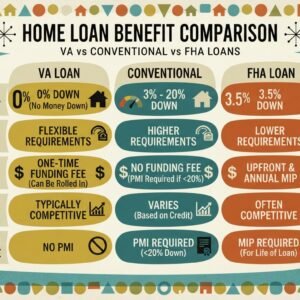
One significant advantage of VA loans is that they do not require a down payment, which can often be a substantial barrier for first-time homebuyers. Unlike conventional loans, which typically require a down payment ranging from 3% to 20%, VA loans eliminate this requirement altogether for eligible individuals. Furthermore, VA loans come with competitive interest rates, which are often lower than those of conventional loans. This is primarily due to the fact that the VA guarantees a portion of the loan, reducing the risk for lenders.

Eligibility for VA loans is determined by a veteran’s length of service, duty status, and discharge conditions. To qualify, applicants must obtain a Certificate of Eligibility (COE) from the VA, which confirms their eligibility status. This certificate is crucial as it demonstrates to lenders that a veteran can access VA loan benefits. Additionally, borrowers are not required to pay for private mortgage insurance (PMI), which is typically mandated in conventional loans when the borrower has a down payment of less than 20%. Overall, VA loans present a valuable opportunity for veterans and service members, simplifying the home buying process, and fostering community stability through homeownership.
Current VA Mortgage Rate Trends

As of October 2023, VA mortgage rates have demonstrated a stable trend, making them an attractive option for U.S. Veterans seeking to secure home financing. Currently, the rates for 30-year fixed VA loans range from approximately 3.75% to 4.25%, while the 15-year fixed options exhibit rates between 3.25% and 3.75%. These rates reflect a slight decrease from earlier in the year, indicating favorable borrowing conditions for veterans.
When comparing these VA mortgage rates to conventional loans—generally ranging from 4.0% to 4.75% for a 30-year fixed mortgage and 3.5% to 4.0% for a 15-year fixed mortgage—it’s evident that VA loans can offer significant savings. The absence of private mortgage insurance (PMI) required with conventional loans further enhances the financial advantages of VA financing.
The current rate landscape indicates that veterans looking to refinance may also benefit, especially with the potential to lower their monthly payments and overall loan costs. Interest rates can exhibit variability based on numerous factors including the borrower’s credit score, loan amount, and the specific lender’s policies.
Moreover, as the market continues to evolve, veterans are encouraged to shop around and obtain multiple quotes to find the most favorable terms and conditions. Staying abreast of the latest VA mortgage rates will empower veterans to make well-informed financial decisions when considering home purchases or refinancing options.
Veterans May Qualify for Extra Benefits
Check available financial assistance, healthcare programs and other opportunities that may apply to you.
Check EligibilityAdditionally, it is important to monitor the broader economic conditions that may influence VA mortgage rates, such as changes in Federal Reserve decisions and economic indicators. This awareness can play a pivotal role in timing the decision-making process regarding home financing.
Factors Influencing VA Mortgage Rates
VA mortgage rates are subject to a variety of factors that can significantly influence the terms and conditions of a loan. Understanding these elements is crucial for veterans seeking to obtain financing. Among these factors, the credit score of the borrower stands out as a primary determinant. Lenders typically assess creditworthiness through the credit score, which provides insight into the borrower’s financial history and repayment patterns. Higher credit scores often correlate with lower VA mortgage rates, resulting in more favorable loan terms.
Another critical factor is the loan amount. VA loans typically come with specific limits that may vary by location, but borrowers seeking larger amounts may find their rates are affected differently than those requesting smaller sums. In general, loans that fall within the conforming loan limits are more likely to secure competitive rates compared to larger loans, which may be subjected to stricter underwriting criteria.
Geographical location is also an influential aspect in determining VA mortgage rates. Interest rates can fluctuate based on regional economic conditions, local real estate markets, and lender competition within a given area. For example, urban environments may offer different rates compared to rural regions, reflecting the varying levels of demand and property values. Additionally, market conditions at the time of application, such as shifts in demand for VA loans and changes in economic indicators, can further impact the mortgage rates offered to veterans.
In summary, veterans should carefully consider their credit score, the desired loan amount, and their geographical location when evaluating VA mortgage rates. By doing so, they can position themselves for better financing opportunities and make more informed decisions regarding their home purchase or refinance options.
VA loans offer compelling advantages over conventional loans, particularly for eligible U.S. veterans and active-duty service members. One of the most significant benefits is the absence of a down payment requirement, which is typically a barrier for many homebuyers seeking conventional financing. Conventional loans often necessitate a down payment ranging from 3% to 20%, which can accumulate into a substantial amount, especially for first-time buyers. With a VA loan, borrowers can finance up to 100% of the home’s value, thereby easing the financial burden of purchasing a home.
Another notable advantage of VA loans is the exemption from private mortgage insurance (PMI). Conventional loans generally require PMI when the down payment is less than 20% to protect the lender in case of default. This additional cost can significantly elevate monthly mortgage payments, making homeownership less affordable. In contrast, VA loans do not require PMI, allowing borrowers to allocate their funds more effectively towards home ownership expenses.
Additionally, VA loans typically offer more competitive interest rates compared to their conventional counterparts. This difference in rates can result in substantial savings over the life of the loan, reducing the overall cost of homeownership. VA loan rates are often lower than conventional mortgage rates due to the backing of the Department of Veterans Affairs, which guarantees a portion of the loan. Consequently, lenders assume less risk, enabling them to offer more favorable terms.
Despite these advantages, conventional loans may be preferred by some borrowers due to flexibility in terms and broader acceptance in specific situations, especially among non-veterans. Nevertheless, for eligible veterans and service members, the distinct financial benefits associated with VA loans often outweigh the drawbacks of conventional loans, making them an attractive option for home financing.
The Application Process for VA Loans
The application process for VA loans is designed to provide veterans with a straightforward path to homeownership. It begins with the verification of eligibility, which is a critical first step that ensures the applicant qualifies for VA benefits. Veterans must obtain a Certificate of Eligibility (COE) from the U.S. Department of Veterans Affairs, which can typically be done online, via mail, or through a lender.
Once eligibility is established, veterans should gather necessary documentation to support their application. This includes proof of military service, income verification (such as pay stubs), and any existing financial documents like tax returns. This compilation of documents is essential to streamline the application and approval process, ensuring that lenders have all the required information to assess the veteran’s financial stability.
After documentation is prepared, the next phase involves submitting the loan application to a VA-approved lender. The lender will review the application, evaluate creditworthiness, and determine the loan amount for which the veteran qualifies. This step can take several days to weeks, depending on the lender’s efficiency and the completeness of the application submitted.
Subsequent to lender approval, a home inspection and appraisal will be scheduled to assess the property’s condition and value. The appraisal ensures that the home meets minimum property requirements set by the VA and that the loan amount aligns with the property’s market value. Following successful completion of these evaluations, the final loan approval will be granted.
The closing process involves signing the necessary documentation to finalize the loan and transfer ownership of the property. Veterans typically encounter lower closing costs compared to conventional loans due to the VA’s involvement, further enhancing the advantages of VA loans. Overall, thorough preparation and understanding of each step in the application process can substantially improve the chances of a smooth and successful loan experience for veterans.
Tips for Securing the Best VA Mortgage Rate
Securing the best VA mortgage rates is an essential step for veterans looking to finance a home. Several strategic approaches can enhance eligibility for favorable rates and ultimately reduce overall loan costs. One fundamental consideration is the borrower’s credit score. Lenders typically view a higher credit score as favorable, signaling lower risk. Therefore, aspiring borrowers should monitor their credit reports for errors, pay down existing debts, and avoid new lines of credit in the months leading up to their mortgage application. A score above 620 is generally favorable for securing competitive VA mortgage rates.
Another critical aspect involves timing the market. Mortgage rates fluctuate based on various economic indicators, including interest rates set by the Federal Reserve, inflation, and current market trends. Keeping an eye on these factors can lead to better decision-making. Some veterans may benefit from locking in rates during periods of economic downturn when rates are likely to be lower.
Furthermore, leveraging competition among lenders is a practical approach in securing attractive rates. It is advisable for veterans to shop around and obtain quotes from multiple lenders. Each lender may offer different terms, rates, and closing costs, which can significantly impact the overall expense of the mortgage. Getting pre-approved with various lenders allows veterans to compare not only interest rates but also service fees associated with loans.
Lastly, consider consulting with a knowledgeable mortgage broker who specializes in VA loans. They can provide valuable insights and help navigate the complexities of the mortgage process, ensuring veterans secure the best possible rates. By implementing these strategies, veterans can position themselves favorably in the quest for optimal VA mortgage rates.
Frequently Asked Questions About VA Mortgage Rates
Many U.S. veterans often have questions regarding VA mortgage rates, and understanding these inquiries is vital for making informed decisions. The complexities of mortgage lending can lead to uncertainty, so let’s clarify some common misconceptions and concerns.
One frequently asked question is whether VA mortgage rates differ from conventional rates. VA loans typically offer lower interest rates compared to traditional mortgages, primarily due to the government backing that reduces lender risk. This can result in significant savings over the life of the loan. Furthermore, these rates can vary based on market conditions, the veteran’s credit history, and the lender’s criteria; nonetheless, veterans often enjoy competitive rates even when conditions change.
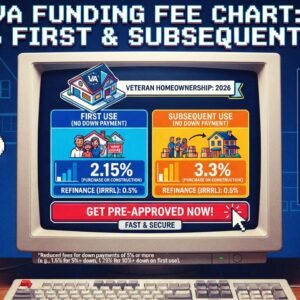
Another common concern is how the VA funding fee affects mortgage rates. The VA funding fee is a one-time charge that helps sustain the VA loan program. While it can be included in the mortgage, it generally does not have a direct impact on the current mortgage rate offered. However, it is worth noting that this fee can vary based on factors such as military service type and down payment amount.
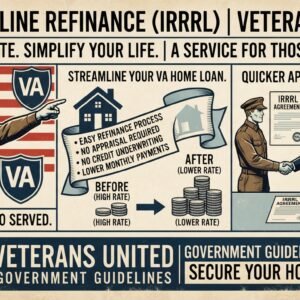
Veterans also frequently inquire about refinancing options. The Interest Rate Reduction Refinance Loan (IRRRL) allows veterans to refinance their existing VA loans with less paperwork and lower funding fees. This program can help secure better rates and reduce monthly payments, making it a popular choice among veterans looking to optimize their financial situation.
Understanding VA mortgage rates involves considering various factors, including economic conditions and individual financial situations. It is crucial for veterans to conduct thorough research, consult with VA-approved lenders, and explore all available options to best navigate the housing market.
Future Outlook for VA Mortgage Rates
The outlook for VA mortgage rates in the coming months and years is influenced by a variety of economic indicators and prevailing market conditions. Interest rates are generally guided by federal policies, particularly those set by the Federal Reserve, as well as broader economic factors such as inflation, employment rates, and overall economic growth. As we move forward, monitoring these elements will provide crucial insights into potential movements in VA mortgage rates.
One significant factor affecting VA mortgage rates is inflation. Historically, rising inflation prompts the Federal Reserve to raise interest rates in an effort to stabilize the economy. If inflation continues to rise, it might lead to an increase in VA mortgage rates. Conversely, if inflation is kept in check and economic growth remains steady, we could see a more favorable environment for lower mortgage rates, benefiting veterans seeking to purchase or refinance a home.
Additionally, the job market plays a vital role in shaping mortgage rates. A strong labor market typically leads to increased consumer confidence and spending, which can stimulate economic activity. If wage growth outpaces inflation and unemployment remains low, this may contribute to a stable mortgage rate environment. Conversely, any signs of economic slowdown could lead to lower mortgage rates as lenders adjust to reduced demand.
Expert opinions suggest that while short-term fluctuations in VA mortgage rates are expected, the overall long-term trend may be shaped by these complex economic variables. Veterans should stay informed about these trends as they can profoundly impact their purchasing power and home financing options. Planning accordingly and consulting with mortgage professionals will be crucial for veterans looking to navigate the evolving landscape of VA mortgage rates.
Connecting with Resources and Lenders
Veterans seeking a VA mortgage are encouraged to connect with reputable lenders and various resources to aid them in navigating the VA loan process. Establishing relationships with qualified lenders is critical, as they can provide essential insights and guidance tailored to an individual’s financial situation. It is advisable for veterans to start by researching VA-approved lenders, which can be found on the U.S. Department of Veterans Affairs website. This ensures that the lenders are experienced in dealing specifically with VA loans and understand the unique benefits and requirements associated with them.
In addition to online resources, veterans can benefit from local Veterans Affairs offices, which often have tools and personnel dedicated to assisting those interested in VA home loans. These offices can provide personalized support and answer any questions regarding the application process. Furthermore, organizations such as the National Association of Realtors and the Mortgage Bankers Association offer dedicated programs and resources for veterans, helping them make informed decisions regarding their mortgage options.
Engaging with peer support groups is another effective way for veterans to gain valuable insights. Many veterans share their experiences and challenges faced during the mortgage process through forums and community groups, providing a wealth of knowledge for those seeking similar paths. It is important to utilize these connections judiciously, ensuring that the advice received is relevant and aligned with personal financial goals.
Lastly, online platforms and mortgage calculators can aid veterans in understanding potential rates and monthly payments. By leveraging a combination of personal relationships with lenders, community support, and online resources, veterans can navigate the VA loan process more effectively and find a mortgage solution that fits their needs.
🇺🇸 IMPORTANT DISCLAIMER – Veterans Benefits Information
This site provides general information about U.S. Department of Veterans Affairs (VA) benefits for educational and informational purposes only.
- Not Official: We are NOT affiliated with, endorsed by, or connected to the U.S. Department of Veterans Affairs (VA), the Veterans Benefits Administration (VBA), the Veterans Health Administration (VHA), or any other government agency.
- No Legal/Financial Advice: The content on this website is for informational purposes only and does not constitute legal, financial, or medical advice. VA benefits rules change frequently – always consult with an accredited Veterans Service Officer (VSO) or a qualified professional for your specific situation.
- Official Sources: For official, binding information and to apply for benefits, always visit official .gov websites: VA.gov, Benefits.VA.gov, or SSA.gov.
- No Data Collection: This site does not collect, store, or process any personal information. It does not have login forms, contact forms, or any system to capture user data. We never ask for your Social Security Number, bank details, or any personal information.
- 🚨 Scam Alert: The VA and other government agencies never charge fees for benefit applications. If anyone asks for money to "process" your VA claim, it is a scam. Report it to the VA Office of Inspector General at VA.gov/OIG.
- Advertising: This site uses third-party advertising (Adsterra) to cover operational costs. We do not endorse or guarantee any products or services advertised.
📌 Information provided as of June 2026. Always verify current eligibility and rules with official .gov sources.
This site is not affiliated with the U.S. Department of Veterans Affairs or any government agency. All information is for educational purposes only. Please visit VA.gov for official information.
