

Overview of VA Form 21-0781
VA Form 21-0781, also known as the “Statement in Support of Claim for Service Connection for PTSD,” serves a crucial role in the claims process for veterans seeking benefits related to mental health disorders, particularly post-traumatic stress disorder (PTSD). This form is designed to provide the U.S. Department of Veterans Affairs (VA) with detailed information regarding the veteran’s experiences during military service that may contribute to the development of PTSD or other mental health conditions.
The significance of VA Form 21-0781 lies in its ability to help veterans articulate their stories and document the stressors they faced while serving. By filling out this form, veterans are able to recount specific incidents, dates, and locations that had a profound impact on their mental health. This documentation is vital for the VA to establish service connection, which is a necessary requirement for benefits eligibility.

In many cases, a veteran’s personal account of their experiences, detailed in VA Form 21-0781, can persuade the VA to grant a claim. This is particularly important as PTSD claims often hinge on the ability to substantiate the occurrence of traumatic events, serving to bridge the gap between a veteran’s lived experiences and the medical evidence required by the VA. The form also often includes sections for third-party statements, which can provide additional corroboration of the veteran’s narrative, further bolstering the claim.

As such, VA Form 21-0781 is not merely a bureaucratic requirement; it is a tool that empowers veterans to share their experiences and seek the necessary support and benefits for mental health conditions incurred as a direct result of their service. Understanding its purpose and correctly completing this form can significantly influence a veteran’s success in obtaining the benefits they have earned through their service to the country.
Eligibility and Use Cases
VA Form 21-0781, known as the Statement in Support of Claim for Service Connection for Post-Traumatic Stress Disorder (PTSD), is a critical document for veterans seeking benefits related to specific mental health conditions. Among these conditions, PTSD is one of the most recognized; however, the form can also support claims associated with other mental health disorders, such as major depressive disorder, generalized anxiety disorder, and bipolar disorder. Understanding the eligibility criteria and use cases of this form is essential for veterans looking to receive the necessary support.
To be eligible for submitting VA Form 21-0781, veterans must demonstrate that they are suffering from a mental health condition that is connected to their military service. This typically includes providing a verifiable stressor event that occurred during their time in the service, which contributed to the development of the mental health diagnosis. The VA requires these stressors to be detailed accurately to assess the connection between the service and the mental health disorder, whether it be PTSD or another listed condition.
The types of claims that VA Form 21-0781 can support typically fall under those that require a clear service connection. For instance, if a veteran experienced traumatic incidents while in combat or due to hostile activity, this form will help substantiate their claim for PTSD. Similarly, conditions like major depressive disorder or generalized anxiety disorder can be claimed if there is proof of onset during or shortly after military service, further necessitating detailed descriptions in the form.
Veterans May Qualify for Extra Benefits
Check available financial assistance, healthcare programs and other opportunities that may apply to you.
Check EligibilityIn conclusion, VA Form 21-0781 serves not only to assist veterans with PTSD claims but also to support various other mental health conditions associated with military service. Understanding the eligibility and specific use cases helps ensure veterans receive the benefits they rightly deserve.
Changes to the Form in June 2024
In June 2024, significant updates to VA Form 21-0781 were implemented, marking a pivotal change in the documentation required for veterans filing claims. Historically, VA Form 21-0781 has been a key component in the Claims process for veterans, catering specifically to reports of traumatic events leading to mental health issues.
The transition from VA Form 21-0781a, which was initially designed for personal assault claims, signifies a broadening of the focus and applicability of the claims process. The revisions introduced by the Department of Veterans Affairs (VA) aim at simplifying and streamlining the claims filing experience for veterans. The updated form seeks to ensure that veterans can clearly articulate their claims without encountering unnecessary procedural hurdles.
One of the primary implications of these changes revolves around the handling of claims related to military sexual trauma (MST) and personal assault. The amendments consolidate the reporting process, ensuring that all traumatic experiences are now encompassed under one form, thus minimizing confusion. This unified approach not only aids in the claims submission process but also standardizes the evaluation of traumatic events by the VA.
Moreover, veterans are encouraged to take note of the revised instructions and eligibility criteria outlined in the new VA Form 21-0781. The updates provide clearer guidance on required information and documentation, which can potentially enhance the accuracy of claims submissions. Veterans should carefully review these changes to understand how they can effectively present their cases.
This new format reflects the VA’s commitment to improving the experience of veterans in navigating the claims process. As veterans adjust to these modifications, it is crucial that they remain informed about the implications that such changes can carry for their individual claims and the overall support provided by the VA.
Filling Out VA Form 21-0781: Tips and Best Practices
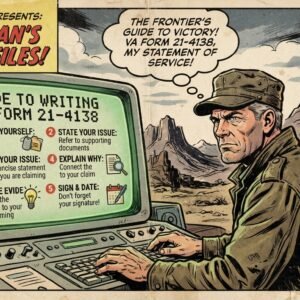
Completing VA Form 21-0781, also known as the Statement in Support of Claim for Service Connection for PTSD, requires careful attention to ensure that all information provided is accurate and comprehensive. Properly filling out this form is crucial in detailing the traumatic events experienced during military service, which is essential for establishing service connection for PTSD claims.
To begin, when detailing traumatic events, it is important to provide as much specificity as possible. Clearly describe the time, location, and circumstances surrounding the events that contributed to your PTSD. This level of detail is necessary, as the VA needs to understand the context of these experiences. Using direct, vivid language can help convey the gravity of these events. Additionally, consider breaking down larger incidents into smaller, more manageable parts to ensure clarity.
Gathering supporting evidence is another integral part of the process. This may include medical records, personal statements from family members or friends, and other documentation that can corroborate your stressors. Be proactive in compiling this evidence before filling out your form, as it will strengthen your claim. It can also be beneficial to include a personal narrative that connects your military experiences with your current struggles, demonstrating how those experiences have impacted your mental health.
Ensuring the form’s accuracy is vital to avoid delays in the processing of your claim. Double-check all personal information, such as your name, social security number, and service details. Review the completed form for any inconsistencies or errors, and consider having someone else read it over for a fresh perspective. Additionally, make sure that you are signing and dating the form correctly, as incomplete submissions can lead to unnecessary setbacks.
Properly following these tips will maximize the chances of a successful claim when filling out VA Form 21-0781. By providing thorough, truthful information and supporting evidence, veterans can significantly enhance their opportunities for receiving the benefits they deserve.
🇺🇸 IMPORTANT DISCLAIMER – Veterans Benefits Information
This site provides general information about U.S. Department of Veterans Affairs (VA) benefits for educational and informational purposes only.
- Not Official: We are NOT affiliated with, endorsed by, or connected to the U.S. Department of Veterans Affairs (VA), the Veterans Benefits Administration (VBA), the Veterans Health Administration (VHA), or any other government agency.
- No Legal/Financial Advice: The content on this website is for informational purposes only and does not constitute legal, financial, or medical advice. VA benefits rules change frequently – always consult with an accredited Veterans Service Officer (VSO) or a qualified professional for your specific situation.
- Official Sources: For official, binding information and to apply for benefits, always visit official .gov websites: VA.gov, Benefits.VA.gov, or SSA.gov.
- No Data Collection: This site does not collect, store, or process any personal information. It does not have login forms, contact forms, or any system to capture user data. We never ask for your Social Security Number, bank details, or any personal information.
- 🚨 Scam Alert: The VA and other government agencies never charge fees for benefit applications. If anyone asks for money to "process" your VA claim, it is a scam. Report it to the VA Office of Inspector General at VA.gov/OIG.
- Advertising: This site uses third-party advertising (Adsterra) to cover operational costs. We do not endorse or guarantee any products or services advertised.
📌 Information provided as of June 2026. Always verify current eligibility and rules with official .gov sources.
This site is not affiliated with the U.S. Department of Veterans Affairs or any government agency. All information is for educational purposes only. Please visit VA.gov for official information.
