

Introduction to the Take Care of America’s Veterans Act
The Take Care of America’s Veterans Act represents a pivotal shift in the way American society approaches the care and benefits afforded to its veterans. Established with the intention of addressing the myriad challenges faced by former service members, this act reflects a commitment to not only recognizing their sacrifices but also ensuring their well-being post-service. It aims to provide comprehensive support that includes healthcare, education, and employment opportunities tailored specifically for veterans.
The significance of the Take Care of America’s Veterans Act lies in its comprehensive benefits package, which is designed to alleviate the problems that veterans commonly encounter. These issues can encompass a range of factors including mental health support, physical rehabilitation, and assistance in transitioning to civilian life. By recognizing these critical needs, the act seeks to foster a holistic approach to veteran care that extends beyond mere sustenance, ensuring that former military personnel can lead fulfilling lives.

Motivated by the urgent need for systemic reform in how veterans are treated, the Take Care of America’s Veterans Act acknowledges the sacrifices made by individuals who served the nation. It reflects a growing awareness of the long-term impacts of military service on health, social integration, and economic stability. The act also emphasizes collaboration between government entities, non-profits, and the private sector, recognizing that a multifaceted approach is necessary to adequately support veterans.

In essence, this legislation sets forth ambitious goals aimed at improving the lives of Americans who have donned the uniform. Through its comprehensive framework, the Take Care of America’s Veterans Act not only contributes to a more robust support system but also aims to enhance national solidarity and respect towards those who have served.
Key Features of the 2026 Comprehensive Benefits Package
The 2026 Comprehensive Benefits Package, as articulated within the Take Care of America’s Veterans Act, encompasses a wide range of benefits designed to support veterans in various aspects of their lives. This initiative indicates a significant commitment to addressing the needs of those who have served the nation. A pivotal component of the package is healthcare coverage, which aims to provide veterans with comprehensive medical services. This includes not only routine check-ups but also preventive care, specialist consultations, and hospitalizations, ensuring that veterans receive timely and efficient medical attention.
In addition to healthcare, the package includes robust disability compensation for veterans who have sustained injuries during their service. This compensation is structured to provide financial support and to assist veterans in adapting to their circumstances. Through this measure, the government recognizes the sacrifices made by these individuals and seeks to alleviate some of the burdens they may face as a result of their service-related disabilities.
Vocational training is another key feature of the 2026 Comprehensive Benefits Package. The program is designed to equip veterans with the necessary skills to reintegrate into the civilian workforce successfully. By offering educational opportunities and skill development, the initiative contributes to a smoother transition for veterans, ultimately fostering economic independence and personal fulfillment.
Veterans May Qualify for Extra Benefits
Check available financial assistance, healthcare programs and other opportunities that may apply to you.
Check EligibilityFurthermore, mental health services are integral to the benefits package. The Act acknowledges the mental health challenges that many veterans encounter and emphasizes the importance of providing access to counseling and support. Through targeted mental health programs, veterans can receive the assistance they need to overcome trauma and improve their overall well-being.
Eligibility Criteria for Veterans
The 2026 Comprehensive Benefits Package under the Take Care of America’s Veterans Act introduces enhanced access and support for eligible veterans. Understanding the eligibility criteria is essential for veterans seeking to benefit from this comprehensive benefits package. There are several factors that determine qualification, primarily focusing on the nature of military service and specific service-related conditions.
To be eligible for the 2026 Comprehensive Benefits Package, veterans must have served in active duty for a minimum duration as specified by the law. Typically, this includes veterans who have served in both wartime and peacetime capacities, with particular emphasis on those who may have sustained service-related injuries or illnesses. The requirements may also vary based on the veteran’s discharge status, where an honorable discharge is generally required for full benefits access.
Additionally, certain service-related conditions significantly impact a veteran’s eligibility. Veterans suffering from disabilities acquired during active service may qualify for accelerated access to benefits. This includes a variety of conditions such as post-traumatic stress disorder (PTSD), traumatic brain injuries, or any physical ailments linked to service duties. Evaluations to ascertain the severity and impact of such conditions are an integral part of the eligibility determination process.
Furthermore, certain demographic factors—including age, income level, and specific challenges faced by veterans (e.g., homeless veterans, veterans with dependents)—can influence access to benefits under this package. The goal of the 2026 Comprehensive Benefits Package is to ensure that veterans who have faced unique hardships receive the necessary support tailored to their situations. Therefore, it is critical for veterans to familiarize themselves with these eligibility requirements to fully leverage the benefits available to them.
The Application Process for Benefits
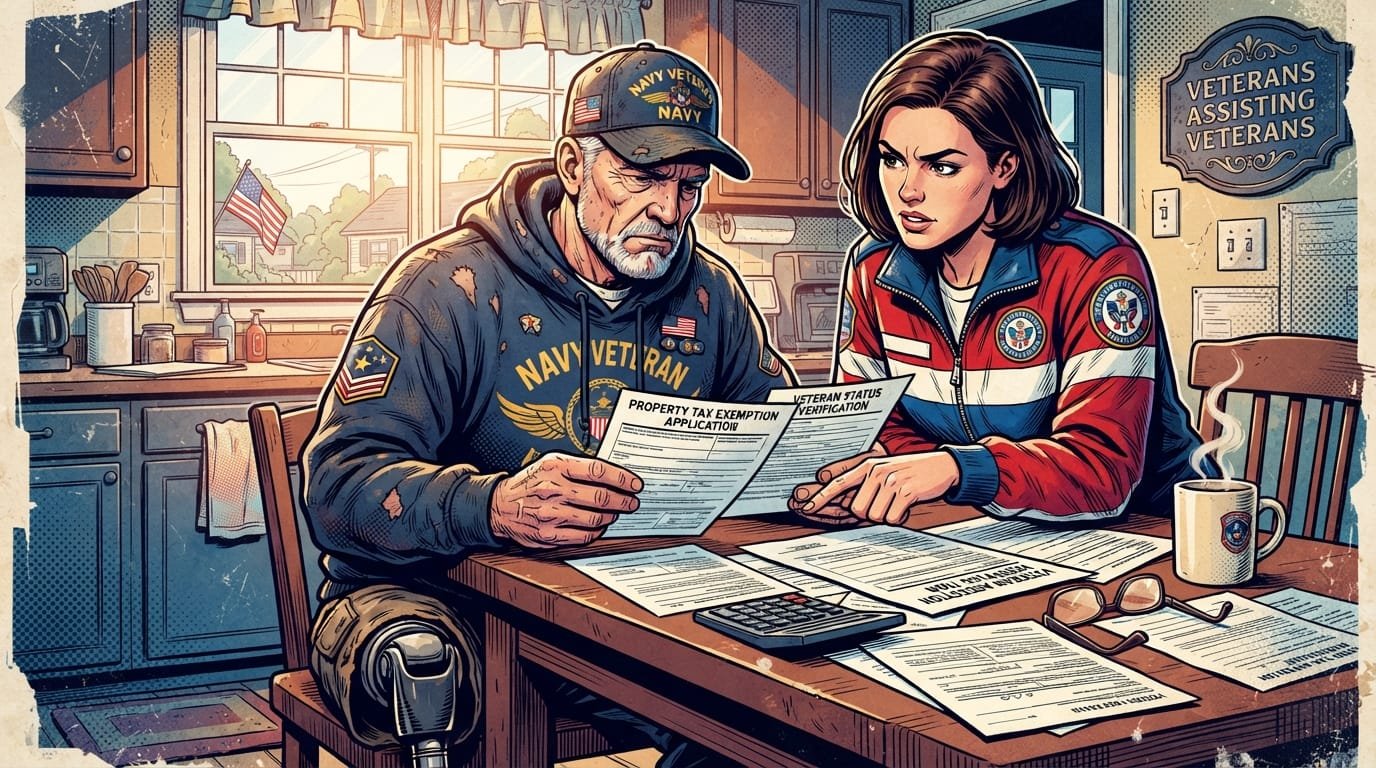
Applying for benefits under the Take Care of America’s Veterans Act requires a structured approach to ensure that veterans receive the support they deserve. The application process begins with the completion of the required forms, which can be obtained from the Department of Veterans Affairs (VA) website or any local VA office. It is essential to select the correct application form appropriate for the specific benefits sought.
After obtaining the necessary forms, veterans must gather documentation to support their application. This may include military discharge papers, medical records, and any evidence of disability or service-related injuries. Proper documentation is crucial, as it allows the VA to assess the claim effectively and efficiently.
Once the forms and supporting documents are prepared, veterans can submit their applications in several ways. The most common method is through the VA’s online portal, where applicants can upload their documents securely. Alternatively, applications can be mailed directly to the relevant VA regional office or submitted in person at a local office. The method of submission may vary depending on the specific benefits, hence, verifying the appropriate procedures is advisable.
To ensure a smooth application process, veterans are encouraged to double-check all submitted materials for accuracy and completeness. Missing or incorrect information can delay the processing of the application. It may also be beneficial to seek assistance from accredited representatives or veteran service organizations, which can provide guidance and support throughout the application process.
By following these steps meticulously, veterans can navigate the application process for benefits offered under the Take Care of America’s Veterans Act successfully, paving the way for receiving the comprehensive assistance they are entitled to.
Improvements in Healthcare Services for Veterans
The 2026 Comprehensive Benefits Package introduced under the Take Care of America’s Veterans Act brings significant enhancements to the healthcare services available for veterans. The principal objective of these improvements is to ensure that veterans receive timely and comprehensive medical care tailored to their specific needs. Access to healthcare has traditionally been a challenge, but this new package aims to streamline processes and reduce waiting times, ultimately enhancing the overall experience of veterans seeking medical assistance.
One of the most notable aspects of the healthcare services improvement is the expansion of specialized treatments. Veterans often face unique health issues stemming from their service, and the updated benefits package recognizes this by offering targeted therapies and advanced medical procedures designed for conditions commonly associated with military service. This includes access to mental health services, rehabilitation programs, and ongoing support for chronic conditions that many veterans endure.
Furthermore, innovative healthcare programs are being developed under this package to cater to the evolving needs of veterans. Telehealth has proven to be a vital service, allowing veterans to connect with healthcare providers remotely. This not only increases access for those in remote areas but also accommodates the schedules of veterans who may find it challenging to attend in-person appointments. Additionally, partnerships with community healthcare providers are being fostered to ensure that veterans can receive care closer to home, thus removing barriers and fostering continuity in care.
Overall, the improvements in healthcare services for veterans offered by the 2026 Comprehensive Benefits Package reflect a commitment to honoring their sacrifices. By focusing on access, specialized care, and innovative programs, this act aims to ensure that veterans have the healthcare resources they need to thrive post-service. These enhancements are essential steps toward establishing a robust healthcare system tailored for those who have served our nation.
Support for Mental Health and Wellbeing
The Take Care of America’s Veterans Act is a pivotal piece of legislation aimed at improving the overall welfare of veterans. Among its numerous provisions, the focus on mental health and wellbeing is particularly significant. Veterans often face unique psychological challenges as a result of their service, which can manifest in various mental health issues such as PTSD, anxiety, and depression. Recognizing the need for dedicated support services, the Act establishes comprehensive mental health initiatives designed to aid veterans during their transition back to civilian life.
One of the key components of the Act is the introduction of counseling and therapy programs specifically tailored to veterans. These programs are intended to provide safe spaces where veterans can openly discuss their experiences and feelings, facilitating their emotional recovery. Trained professionals with expertise in veteran-specific mental health issues will lead these sessions, ensuring that the support offered is both relevant and effective.
In addition to conventional therapy, the Act also emphasizes crisis intervention services. These services are crucial for veterans who may be experiencing an acute mental health crisis and require immediate assistance. By establishing 24/7 helplines and rapid response teams, the legislation aims to provide timely support to prevent potential tragedies. Moreover, the inclusion of telehealth options expands access to mental health services, allowing veterans in remote or underserved areas to receive the care they need without the burden of travel.
The holistic approach of the Take Care of America’s Veterans Act not only addresses immediate mental health needs but also promotes long-term wellbeing. By integrating these mental health initiatives into a comprehensive benefits package, the Act seeks to create a supportive environment that fosters healing and resilience among veterans.
Vocational and Educational Support Initiatives
The Vocational and Educational Support Initiatives established under the Take Care of America’s Veterans Act represent a significant commitment to enhancing the employability and educational opportunities available to veterans. Recognizing the unique challenges they face during the transition to civilian life, these initiatives are designed to provide comprehensive training programs tailored to the specific needs and aspirations of veterans.
One of the core components of this benefits package is access to vocational training programs, which are intended to equip veterans with essential skills relevant to today’s job market. By collaborating with local industries and employers, these programs focus on high-demand fields, ensuring that participants can gain practical experience along with theoretical knowledge. Additionally, the package emphasizes certification programs that enhance veterans’ qualifications and increase their competitiveness in various job sectors.
Furthermore, financial assistance for educational pursuits is a crucial element of the support initiatives. Veterans can access grants and scholarships specifically allocated for furthering their education, whether it be pursuing degrees in higher education institutions or enrolling in specialized training courses. Such educational support not only alleviates financial burdens but also fosters a lifelong learning mindset among veterans.
The integration of mentorship opportunities is another hallmark of these initiatives. Veterans are paired with former service members who have successfully navigated the transition to civilian careers, providing valuable guidance and insight. This mentorship fosters networking opportunities, which are essential for securing meaningful employment.
In conclusion, the Vocational and Educational Support Initiatives included in the 2026 Comprehensive Benefits Package reflect a comprehensive strategy aimed at empowering veterans to thrive in their post-military lives. By investing in their education and vocational skills, this package not only aids in their professional development but also acknowledges their service and sacrifice to the nation.
Funding and Resource Allocation for the Act
The implementation of the Take Care of America’s Veterans Act is underpinned by a robust funding framework that ensures comprehensive support for veterans. This act, aimed at enhancing the quality of life for those who have served, utilizes a combination of federal budget allocations, state resources, and private sector contributions to finance various initiatives and services tailored to veteran care.
At the federal level, the budget earmarked for veterans benefits is critically assessed and approved through congressional channels. Each fiscal year, funding for the act is articulated within the Veterans Affairs (VA) budget, which is influenced by projected service demands, veterans’ population changes, and current economic conditions. This strategic budgeting process also considers the historical underfunding issues that many veterans’ services have faced, thereby ensuring a responsive financial commitment to this essential population.
Additionally, various allocations within the act are structured to address specific areas, such as healthcare services, mental health resources, and housing assistance for veterans. These allocations are guided by extensive research and veterans’ feedback, ensuring that the resources are designated where they can yield the most impact. The act also encompasses mechanisms for ongoing assessment of resource effectiveness, allowing for adjustments in funding allocation as needs evolve.
Moreover, partnerships with private organizations play a vital role in supplementing federal funding. Many non-profits and corporate entities contribute resources, facilitating access to services like job training programs, educational benefits, and mental health support. By leveraging these partnerships, the act enhances its outreach and resource availability, creating a more comprehensive support system for veterans across the United States.
Conclusion: The Future of Veteran Support in America
The Take Care of America’s Veterans Act represents a significant step forward in enhancing support and benefits for veterans across the United States. By establishing a comprehensive benefits package set to be fully implemented by 2026, the Act aims to address the various challenges veterans face upon their return to civilian life. However, the effectiveness of this legislation hinges not only on the benefits it promises but also on the mechanisms of its implementation.
One crucial consideration is the potential challenges that may arise during the rollout of this comprehensive benefits package. Implementation could face hurdles such as insufficient funding, bureaucratic delays, or administrative inefficiencies, which could hinder the timely delivery of services to veterans. Moreover, the current economic climate may pose additional challenges, leading to debates about resource allocation and prioritization of veteran services amidst competing funding demands.
Advocacy plays a vital role in ensuring the success of the Take Care of America’s Veterans Act. Ongoing efforts by veterans’ organizations, community groups, and lawmakers will be critical in holding the government accountable for fulfilling its commitments to veterans. Increased awareness and education about the benefits available under the Act can empower veterans to seek the assistance they need and deserve.
Ultimately, the future of veteran support in America will depend on a collaborative effort involving veterans, policymakers, and the community. By fostering an environment of advocacy, promoting transparency, and ensuring that veterans are not only heard but also prioritized, we can ensure that the Take Care of America’s Veterans Act lives up to its promise. The aspiration is to create a society where veterans receive the comprehensive support necessary to thrive post-service, providing them with the dignity and respect they earned through their sacrifices.


🇺🇸 IMPORTANT DISCLAIMER – Veterans Benefits Information
This site provides general information about U.S. Department of Veterans Affairs (VA) benefits for educational and informational purposes only.
- Not Official: We are NOT affiliated with, endorsed by, or connected to the U.S. Department of Veterans Affairs (VA), the Veterans Benefits Administration (VBA), the Veterans Health Administration (VHA), or any other government agency.
- No Legal/Financial Advice: The content on this website is for informational purposes only and does not constitute legal, financial, or medical advice. VA benefits rules change frequently – always consult with an accredited Veterans Service Officer (VSO) or a qualified professional for your specific situation.
- Official Sources: For official, binding information and to apply for benefits, always visit official .gov websites: VA.gov, Benefits.VA.gov, or SSA.gov.
- No Data Collection: This site does not collect, store, or process any personal information. It does not have login forms, contact forms, or any system to capture user data. We never ask for your Social Security Number, bank details, or any personal information.
- 🚨 Scam Alert: The VA and other government agencies never charge fees for benefit applications. If anyone asks for money to "process" your VA claim, it is a scam. Report it to the VA Office of Inspector General at VA.gov/OIG.
- Advertising: This site uses third-party advertising (Adsterra) to cover operational costs. We do not endorse or guarantee any products or services advertised.
📌 Information provided as of June 2026. Always verify current eligibility and rules with official .gov sources.
This site is not affiliated with the U.S. Department of Veterans Affairs or any government agency. All information is for educational purposes only. Please visit VA.gov for official information.
