

Introduction to VA Loans
VA loans stand out as a unique financial opportunity designed specifically for eligible veterans, active-duty service members, and certain members of the National Guard and Reserves. These types of loans are backed by the U.S. Department of Veterans Affairs, which significantly enhances their appeal. One of the most notable benefits of VA loans is the absence of a required down payment, making homeownership more accessible to those who have served in the armed forces. This feature is particularly beneficial for first-time homebuyers who may struggle to save for a conventional down payment.
An additional advantage of VA loans is the assurance of competitive interest rates. Because these loans are guaranteed by the government, lenders face less risk, often allowing them to offer lower rates compared to conventional loans. This can result in substantial savings over the life of the loan. Furthermore, VA loans do not require private mortgage insurance (PMI), which is typically mandated for conventional loans where the borrower is unable to provide a substantial down payment. This omission can further reduce monthly mortgage payments and make budgeting for homeownership easier.

Moreover, VA loans come with additional protections for borrowers. The VA requires lenders to adhere to fair lending practices, providing veterans with the right to appeal certain loan decisions and offering resources to cover closing costs. These features make VA loans not only cost-effective but also secure options for eligible individuals seeking to buy a home.

In summary, VA loans represent a powerful tool for qualifying individuals, offering significant benefits that distinguish them from conventional mortgage options. By understanding these key characteristics, borrowers can better navigate the world of home financing and make informed decisions about their future.
Key Factors Influencing Personal VA Loan Rates
Understanding the factors that influence personal VA loan rates is crucial for veterans and active-duty military members seeking favorable financing options. One of the most significant elements is the borrower’s credit score. This metric reflects the borrower’s creditworthiness and financial behavior. Generally, higher credit scores correlate with lower interest rates, as lenders consider borrowers with strong credit histories to be less risky.
Another critical factor is the loan amount. VA loans offer a guarantee from the Department of Veterans Affairs, leading to more competitive rates compared to conventional loans. However, larger loan amounts may lead to higher interest rates due to increased financial risk perceived by lenders. Borrowers should also be aware that exceeding certain limits can affect their eligibility for specific rates or terms.
The length of the loan term is another determinant of VA loan rates. Shorter-term loans, such as 15 years, typically have lower interest rates compared to 30-year loans due to reduced risk over a briefer timeline. Borrowers might face a higher monthly payment with shorter terms, but the overall interest paid over the life of the loan is usually less. This trade-off is essential for potential borrowers to consider when analyzing their finances.
Veterans May Qualify for Extra Benefits
Check available financial assistance, healthcare programs and other opportunities that may apply to you.
Check EligibilityLastly, prevailing market conditions significantly influence personal VA loan rates. Economic factors, including inflation and the overall health of the housing market, affect the baseline interest rates set by lenders. For example, during times of economic growth, interest rates tend to rise, while in a recession, they may drop. Monitoring these conditions can help borrowers time their applications effectively to secure the most favorable loan rates.
Understanding the Role of LTV and Funding Fee
The Loan-to-Value (LTV) ratio is a critical financial metric that plays a significant role in determining the terms of a VA loan. It is calculated by dividing the total amount of the loan by the appraised value of the property. A lower LTV ratio indicates that the borrower is requesting a loan amount that is a smaller percentage of the property’s value, which generally signals lower risk to lenders. Consequently, a lower LTV could result in a more favorable interest rate. Lenders often view borrowers with a lower risk profile, such as those with a lower LTV, as more likely to repay their loans on time. Therefore, achieving a low LTV can be advantageous for individuals seeking a VA loan.
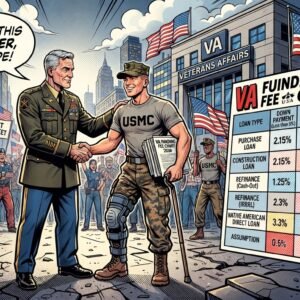
In addition to the LTV ratio, the VA funding fee is another important factor in the overall cost of a VA loan. This funding fee, a one-time charge that helps sustain the VA loan program, is typically a percentage of the loan amount. The specific rate may vary based on various factors, including whether it is the borrower’s first or subsequent use of the VA loan benefit, the amount of the down payment, and the type of service of the veteran. This fee can add a significant cost to the overall loan expense, making it essential for potential borrowers to consider when calculating their total loan costs.
Understanding both the LTV ratio and the funding fee is crucial for those looking to optimize their personal VA loan situation. Not only do these elements affect the interest rate and monthly payments, but they also influence the total amount financed. Being aware of how these factors interconnect will help borrowers make informed decisions, leading to a more manageable financial commitment over the life of the loan.
Tips for Securing a Favorable VA Loan Rate
Obtaining a favorable VA loan rate is crucial for veterans and active-duty service members looking to finance their homes affordably. There are several strategies you can adopt to increase your chances of securing a competitive rate, enhancing both your financial position and the overall effectiveness of your loan. One of the primary steps is to focus on improving your credit score. A higher credit score often correlates to better interest rates, as lenders view borrowers with stronger credit histories as lower risk. To improve your credit score, consider managing your debt levels, making timely payments, and regularly checking for errors in your credit report that may adversely affect your rating.
Another fundamental strategy involves shopping around with multiple lenders. VA loans are offered by a variety of financial institutions, each with its own underwriting criteria and rates. By comparing offers from different lenders, you can identify which institution is willing to provide the most favorable VA loan rate. Provide the same information to each lender to ensure that the rates can be compared accurately. It’s advisable to gather these quotes within a short period to avoid any unnecessary impacts on your credit score due to multiple inquiries.
Timing your loan application is also a critical factor. Lenders may adjust their rates based on market conditions, so staying informed about economic trends can reap benefits. For instance, applying when interest rates generally trend lower can help you secure a better rate. Additionally, consider submitting your application when the lender is promoting lower rates to attract more customers, often during specific times of the year. By implementing these strategies, you will empower yourself to navigate the VA loan process more effectively and increase your chances of securing a favorable rate.


🇺🇸 IMPORTANT DISCLAIMER – Veterans Benefits Information
This site provides general information about U.S. Department of Veterans Affairs (VA) benefits for educational and informational purposes only.
- Not Official: We are NOT affiliated with, endorsed by, or connected to the U.S. Department of Veterans Affairs (VA), the Veterans Benefits Administration (VBA), the Veterans Health Administration (VHA), or any other government agency.
- No Legal/Financial Advice: The content on this website is for informational purposes only and does not constitute legal, financial, or medical advice. VA benefits rules change frequently – always consult with an accredited Veterans Service Officer (VSO) or a qualified professional for your specific situation.
- Official Sources: For official, binding information and to apply for benefits, always visit official .gov websites: VA.gov, Benefits.VA.gov, or SSA.gov.
- No Data Collection: This site does not collect, store, or process any personal information. It does not have login forms, contact forms, or any system to capture user data. We never ask for your Social Security Number, bank details, or any personal information.
- 🚨 Scam Alert: The VA and other government agencies never charge fees for benefit applications. If anyone asks for money to "process" your VA claim, it is a scam. Report it to the VA Office of Inspector General at VA.gov/OIG.
- Advertising: This site uses third-party advertising (Adsterra) to cover operational costs. We do not endorse or guarantee any products or services advertised.
📌 Information provided as of June 2026. Always verify current eligibility and rules with official .gov sources.
This site is not affiliated with the U.S. Department of Veterans Affairs or any government agency. All information is for educational purposes only. Please visit VA.gov for official information.
