

Introduction to Veteran Interest Programs in New Jersey
Veteran interest programs in New Jersey play a crucial role in supporting those who have served in the military. These programs are designed to provide essential assistance and resources to veterans as they transition back into civilian life. The significance of these initiatives cannot be overstated, as many veterans encounter various challenges upon returning home, including but not limited to, housing insecurity, financial difficulties, and difficulties accessing education and job opportunities.
The goals of the veteran interest programs are multifaceted. They aim to promote financial stability, enhance quality of life, and facilitate smooth reintegration into society for veterans. By offering low-interest loans, grants, and other forms of aid, these programs help alleviate the burden of high costs associated with housing and education, ensuring that veterans have the support they need to thrive in civilian life.

Looking forward to the year 2026, New Jersey has ambitious plans to expand and improve its veteran interest programs. These enhancements will include increased funding for low-interest loans and grants, as well as a more streamlined application process. It is anticipated that the measures introduced will increase accessibility for veterans, allowing them to take full advantage of the resources available to them.

As these programs continue to evolve, it is essential for veterans and their families to remain informed about the developments and opportunities that will be available in the coming years. Understanding the foundation and benefits of veteran interest programs can empower those who have served, ensuring that they receive the support they deserve as they navigate post-service challenges. Overall, these programs remain a vital component of honoring and supporting New Jersey’s veterans.
Overview of Low-Interest Loans for Veterans in New Jersey
Veterans in New Jersey have access to various low-interest loan programs designed to assist them in navigating financial challenges. These programs are specifically structured to support veterans in significant life ventures such as purchasing homes, funding education, or starting a business. The state recognizes the sacrifices made by veterans and aims to facilitate their transition to civilian life through financial empowerment.
One of the most appealing aspects of these loan programs is the competitive interest rates offered. These rates are typically lower than those available to the general public, making it easier for veterans to secure loans without incurring overwhelming debt. The types of loans available include home purchase loans, refinancing options, and business loans, each tailored to meet the unique needs of veterans.
Eligibility for these low-interest loans is determined based on several criteria, primarily focusing on the veteran’s service record, income level, and credit history. To qualify, veterans must provide documentation verifying their service and demonstrate a stable income that satisfies the lender’s requirements. This process is designed to ensure that the benefits extend to those who genuinely need support.
Veterans May Qualify for Extra Benefits
Check available financial assistance, healthcare programs and other opportunities that may apply to you.
Check EligibilityThe application process for these loans is streamlined to accommodate veterans. Typically, applicants can begin by contacting designated state agencies or financial institutions that offer these specialized loans. Required documents often include proof of service, identification, and financial statements to evaluate the applicant’s qualifications thoroughly.
Ultimately, low-interest loans serve as a vital resource for New Jersey veterans. By lowering financial barriers, these loan programs provide veterans the opportunity to achieve home ownership and entrepreneurial endeavors, fostering their contributions to society while simultaneously acknowledging their sacrifice for the nation.
Types of Grants Available for Veterans
Veterans in New Jersey have access to a variety of grants aimed at supporting their transition into civilian life. These grants are structured to address specific needs, including education, housing, and healthcare. Understanding the types of grants available can significantly aid veterans in navigating the resources that enhance their quality of life.
One of the prominent types of grants is the Veteran Educational Assistance Program (VEAP), which provides funding for veterans pursuing higher education. This grant covers tuition expenses and is designed to alleviate the financial burden associated with obtaining a degree. Eligibility criteria typically require proof of military service along with enrollment in an accredited institution.
Housing grants also play a crucial role in assisting veterans. The Veterans Housing Rehabilitation Program offers financial aid for veterans needing home modifications or repairs. This is particularly beneficial for veterans with disabilities who require accessibility adaptations. Applicants must demonstrate their military status and residency in New Jersey to qualify for these funds.
In addition, healthcare grants available to veterans often focus on mental health initiatives. Programs such as the Veteran Mental Health Grant provide funding to organizations that support veterans struggling with PTSD and other psychological challenges. Eligible entities can apply for grants to develop wellness programs, peer support networks, and other resources directed towards improving veterans’ mental health.
The application process for these grants typically involves submitting necessary documentation that verifies military service, financial need, and specific project proposals. Thus, it is essential for veterans to thoroughly research the requirements associated with each grant to optimize their chances of receiving assistance. In summary, New Jersey offers a range of grants tailored to veterans, addressing critical areas that foster independence and well-being.
Eligibility Criteria for Loans and Grants
To access low-interest loans and grants specifically designed for veterans in New Jersey, applicants must meet certain eligibility criteria. These requirements ensure that funds are allocated to those who have served in the military and demonstrate a need for financial assistance.
First and foremost, applicants must provide proof of their military service. This documentation typically includes a copy of the DD-214 form, which verifies the individual’s discharge status from the armed forces. Eligibility is generally limited to veterans who have been honorably discharged, as this reflects their commitment and service to the country.
In addition to service requirements, income limits play a significant role in determining eligibility for these financial programs. The income thresholds may vary depending on the type of loan or grant, as well as the number of dependents in the household. It is important for applicants to review the specific requirements for each program to ascertain where they fall in relation to the established income guidelines.
Moreover, applicants must be prepared to provide detailed documentation regarding their financial situation. This may include recent pay stubs, tax returns, and other financial records that demonstrate the need for financial support. Documentation is crucial, as it not only verifies income but also establishes the financial circumstances of the veteran seeking assistance.
Finally, certain programs may require additional criteria such as residency requirements. Veterans must typically be residents of New Jersey to qualify for state-specific benefits. Understanding and gathering the necessary documentation ahead of time can help streamline the application process, ultimately allowing veterans access to the essential resources they need.
Application Process: Step-by-Step Guide
Applying for low-interest loans and grants through New Jersey Veteran Interest Programs involves several important steps. First, prospective applicants should familiarize themselves with the eligibility criteria, which can vary based on the type of assistance requested. It is beneficial to confirm that you meet all the required qualifications before starting the application process.
The initial phase of application requires completing a straightforward application form. This form can typically be found on the official New Jersey state website dedicated to veteran services or through local veteran affairs offices. When filling out the application, ensure that all personal information is accurate and complete to avoid any delays in processing.
Next, documentation plays a crucial role in the application process. Applicants will need to provide various documents such as proof of military service, identification, and financial records. This documentation helps establish eligibility and allows officials to assess financial need, which is a key factor in awarding low-interest loans and grants.
The timeline for processing applications can vary considerably based on the number of applications received and the complexity of each case. Generally, applicants can expect a wait period ranging from a few weeks to a couple of months. Keeping track of your application status is advisable; many programs may offer online portals for status updates, making it easier to obtain information.
For a more successful application experience, consider reaching out to veteran support organizations that can offer guidance and assist in filling out the application correctly. Additionally, double-checking all submitted documents for completeness and accuracy will mitigate delays. By following these steps diligently, applicants can enhance their chances of securing necessary financial assistance through the Veteran Interest Programs in New Jersey.
Resources and Organizations Supporting Veterans
The state of New Jersey is committed to supporting its veteran population through various programs and resources, particularly in the area of low-interest loans and grants. These resources are crucial for helping veterans access financial support, navigate the complexities of loan applications, and receive guidance tailored to their unique needs.
One of the primary sources of assistance is the New Jersey Department of Military and Veterans Affairs (DMAVA), which provides a comprehensive range of services designed to support veterans and their families. Their office can be contacted at 1-888-864-8367 for information regarding eligibility and application processes related to loans and grants. The DMAVA’s veteran outreach programs also help connect individuals to various funding opportunities tailored to their specific circumstances.
In addition to state resources, several non-profit organizations operate within New Jersey to aid veterans. For instance, the New Jersey Veterans Network (NJVN) aims to connect veterans with essential services, including financial literacy training and access to low-interest loan programs. The NJVN can be reached via their website or at their phone number, which is readily available online.
Another vital resource is the Community Hope organization. They provide housing-assistance programs and financial support tailored for veterans facing homelessness. Their contact details can be found on their official website, where they also list a variety of resources and programs aimed at helping veterans reintegrate into civilian life.
Financial institutions like local banks and credit unions also offer specialized loan programs for veterans, often including low-interest rates, flexible terms, and additional benefits. Veterans are encouraged to explore these options, as many organizations are dedicated to promoting financial well-being among the veteran community.
Success Stories: Veterans Who Benefited from These Programs
In New Jersey, numerous veterans have successfully leveraged low-interest loans and grants to transform their lives and achieve their goals. These programs provide essential support to those who have bravely served the country, enabling them to overcome financial obstacles and secure stable futures.
One notable success story is that of David, a veteran who returned home from military service to find himself struggling with the challenges of civilian life. With the help of a low-interest loan, David was able to open his own auto repair shop. This loan not only provided him with the necessary capital to purchase equipment but also allowed him to create jobs for other veterans in the community. David’s story stands as a testament to how access to financial resources can foster entrepreneurship and stimulate local economies.
Another inspiring example is Linda, a single mother and veteran who faced difficulties securing a home for herself and her children. Through a grant program aimed at veterans, Linda was able to acquire a permanent residence. This support was pivotal in ensuring that she could provide a stable environment for her family. The sense of security that came with homeownership has significantly improved their quality of life, allowing her children to thrive in a nurturing space.
Furthermore, James, a veteran with a passion for education, utilized a low-interest loan to pursue a degree in engineering. His journey highlights the importance of education for veterans seeking to transition into civilian careers. With this financial assistance, James obtained his degree and now works proudly as an engineer, where he contributes his expertise to projects that benefit society.
These success stories are just a few examples of how New Jersey’s veteran interest programs have made a considerable impact on the lives of veterans. They reflect the vital role that low-interest loans and grants play in empowering veterans to achieve their aspirations.
Challenges and Considerations in Applying for Programs
Veterans seeking financial assistance through loans and grants often encounter multifaceted challenges that may hinder their application process. Understanding these obstacles is crucial for navigating the intricate landscape of funding opportunities available in New Jersey in 2026. One notable challenge is the complex eligibility criteria associated with various programs. Different programs may prioritize specific veteran backgrounds, income levels, or service lengths, leading to misunderstandings regarding eligibility and disqualifications. This can result in significant frustration for applicants who believe they meet the requirements but later discover that they do not.
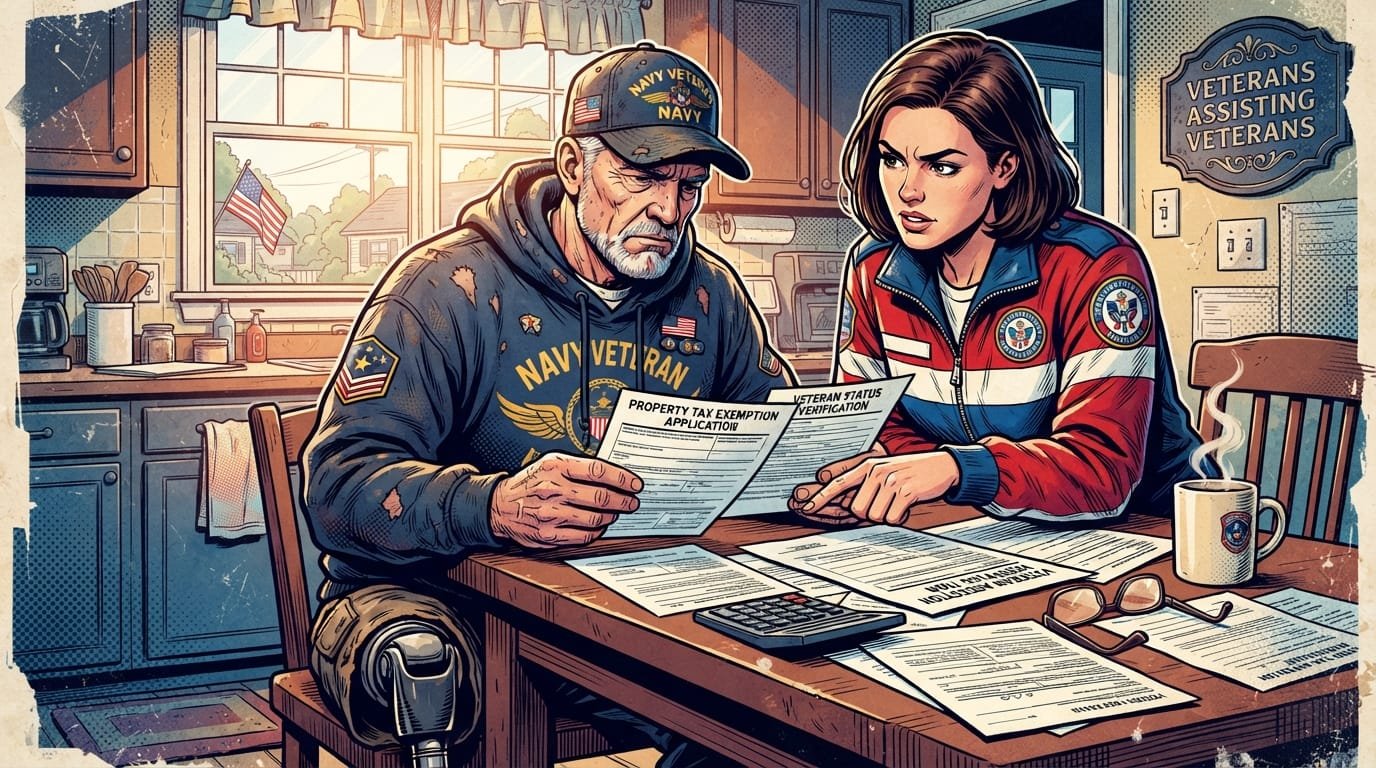
Another common pitfall arises from the extensive documentation often required for both loans and grants. Veterans may struggle to compile the necessary paperwork, which can include proof of service, income verification, and tax documents. Lack of familiarity with the documentation needed can lead to incomplete applications, subsequently delaying the process or leading to outright denials. Moreover, this complexity can deter veterans from even attempting to apply, contributing to underutilization of available resources.
Additionally, there’s the challenge of misinformation. Many veterans might receive inconsistent advice from various sources—friends, family, or even misleading online information—which may lead to confusion about the application process and available options. Thus, seeking guidance from official veteran affairs organizations or certified financial advisors is crucial to navigating these misleading narratives.
To mitigate these challenges, research and preparation are vital. Veterans should familiarize themselves with the specific requirements of the programs they are interested in and ensure that they possess all necessary documentation before applying. Utilizing available resources such as veteran service organizations and counseling programs can significantly enhance understanding and navigation of the application process.
Conclusion and Future of Veteran Interest Programs in New Jersey
The availability of low-interest loans and grants for veterans in New Jersey plays a crucial role in providing financial support and stability for those who have served. These programs are vital for helping veterans secure housing, start businesses, or pursue education, thus ensuring that they can reintegrate successfully into civilian life. For many, access to financial resources at lower rates makes a significant difference in their overall well-being, alleviating some of the burdens associated with transitioning to post-military life.
As we look toward 2026 and beyond, the future of these veteran interest programs appears promising. Policymakers are recognizing the increasing need for comprehensive support systems for veterans, especially considering the unique challenges they face. Potential developments may include the expansion of existing loan and grant offerings, the introduction of new funding initiatives, and a stronger emphasis on community engagement to raise awareness about available resources.
Continued support from state and federal government, along with private sector partnerships, will be essential in driving these initiatives forward. Furthermore, community organizations play an important role in advocating for veterans and ensuring that their voices are heard in the legislative process. By fostering an environment of collaboration among various stakeholders, New Jersey can enhance its commitment to veterans and significantly improve their access to critical financial assistance.
In conclusion, as we advance into the years ahead, it is imperative to maintain and strengthen the foundation of low-interest loans and grants for veterans in New Jersey. By doing so, we not only honor their service but also invest in a brighter future for those who have dedicated their lives to protecting our freedoms.

🇺🇸 IMPORTANT DISCLAIMER – Veterans Benefits Information
This site provides general information about U.S. Department of Veterans Affairs (VA) benefits for educational and informational purposes only.
- Not Official: We are NOT affiliated with, endorsed by, or connected to the U.S. Department of Veterans Affairs (VA), the Veterans Benefits Administration (VBA), the Veterans Health Administration (VHA), or any other government agency.
- No Legal/Financial Advice: The content on this website is for informational purposes only and does not constitute legal, financial, or medical advice. VA benefits rules change frequently – always consult with an accredited Veterans Service Officer (VSO) or a qualified professional for your specific situation.
- Official Sources: For official, binding information and to apply for benefits, always visit official .gov websites: VA.gov, Benefits.VA.gov, or SSA.gov.
- No Data Collection: This site does not collect, store, or process any personal information. It does not have login forms, contact forms, or any system to capture user data. We never ask for your Social Security Number, bank details, or any personal information.
- 🚨 Scam Alert: The VA and other government agencies never charge fees for benefit applications. If anyone asks for money to "process" your VA claim, it is a scam. Report it to the VA Office of Inspector General at VA.gov/OIG.
- Advertising: This site uses third-party advertising (Adsterra) to cover operational costs. We do not endorse or guarantee any products or services advertised.
📌 Information provided as of June 2026. Always verify current eligibility and rules with official .gov sources.
This site is not affiliated with the U.S. Department of Veterans Affairs or any government agency. All information is for educational purposes only. Please visit VA.gov for official information.
